
North Las Vegas

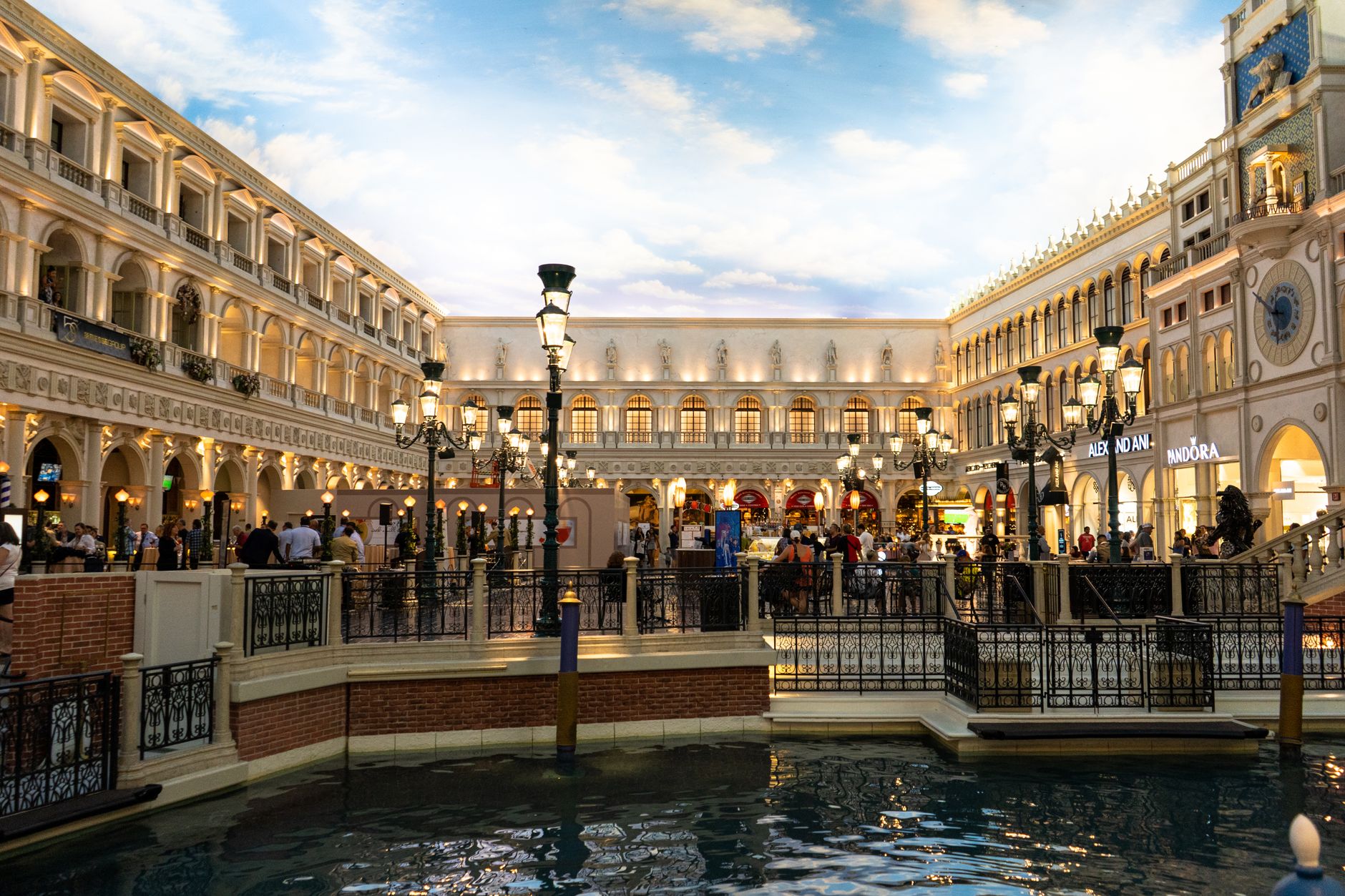
North Las Vegas sits just across the city line from the Strip's gravitational pull, but it operates on a different frequency entirely. The landmark most worth your time here is a restored adobe hut at Kiel Ranch Historic Park — thought to be one of the oldest standing buildings in Nevada — which puts the whole valley in a longer perspective than most visitors ever find.
This is a working city of roughly 270,000 people, with a grid of wide desert streets, a massive Veterans Affairs hospital on North Pecos Road, and a history that begins not with casinos but with artesian wells and $8-an-acre farmland.
💛 What travellers fall for
People who come back tend to do it for Kiel Ranch — the adobe structure reads differently on a second visit, once you've placed it against the rest of the valley's timeline. The park is quiet enough that you can actually think. Take the MAX bus up North Las Vegas Boulevard if you want to move without renting a car.
Deals in North Las Vegas
Book directly at the provider

How North Las Vegas came to be
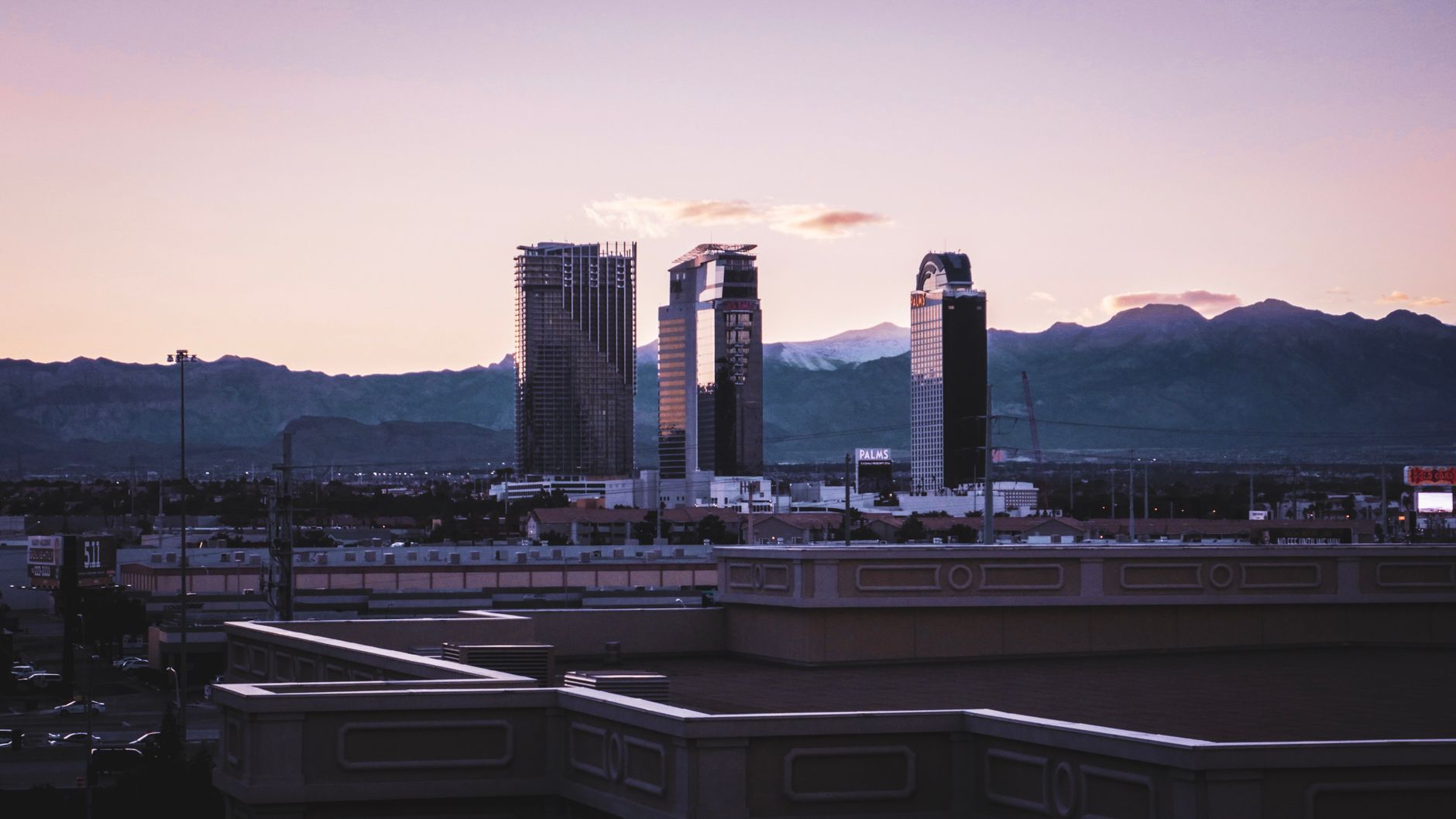
Conrad Kiel homesteaded 240 acres near a natural spring around 1875, and the adobe structure he left behind still stands. The city's real founding story, though, belongs to Thomas L. Williams, a Utah man who bought 160 acres a mile north of Las Vegas in 1919 for $8 an acre. He built the Oasis Auto Court — a compound with a grocery store, campground, post office, and the area's only telephone — and essentially willed a town into existence.
The community briefly went by "Vegas Verdes" (Spanish for Green Meadows) before settling on North Las Vegas. It incorporated as a city on May 1, 1946. Weeks before Pearl Harbor, the Las Vegas Army Air Field had already opened nearby, and gunnery training followed in 1942 — a military presence that shaped the city's growth for decades.
Who and what shaped it
People who shaped it
Landmark buildings
See North Las Vegas in motion
Plan your visit
On the map
When to go
Summers push past 105°F regularly, so early mornings are the only comfortable time to be outdoors between June and September. Winters are mild and dry — rarely below freezing — and the 287 sunny days a year make October through April the most livable window for a visit.
Right now
Background & history adapted from Wikipedia (CC BY-SA) · specs from Wikidata (CC0) · weather from Open-Meteo · map data © OpenStreetMap contributors · photos from Wikimedia Commons / Unsplash with per-image credit. No third-party reviews or social posts reproduced.