
Laives
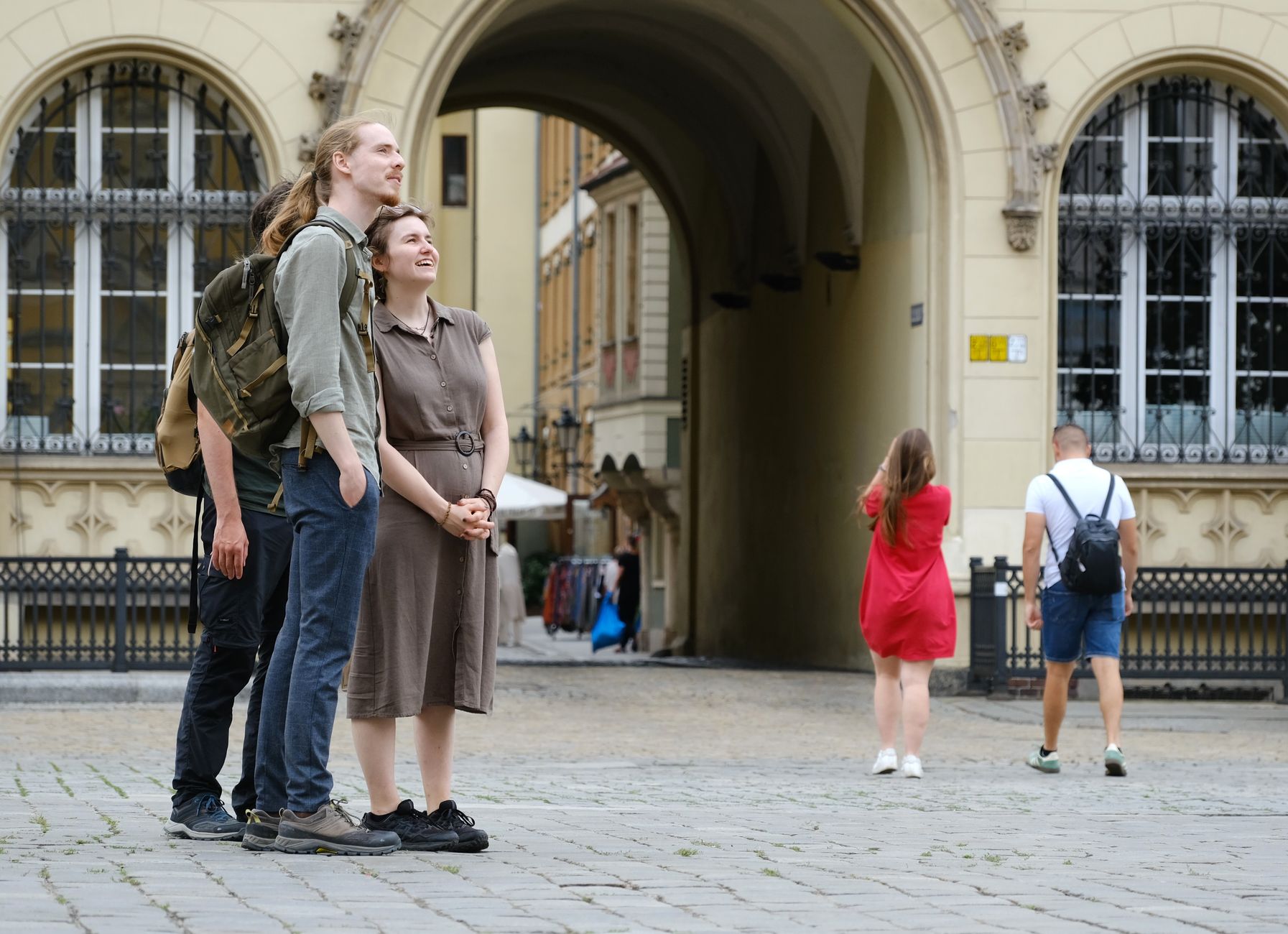
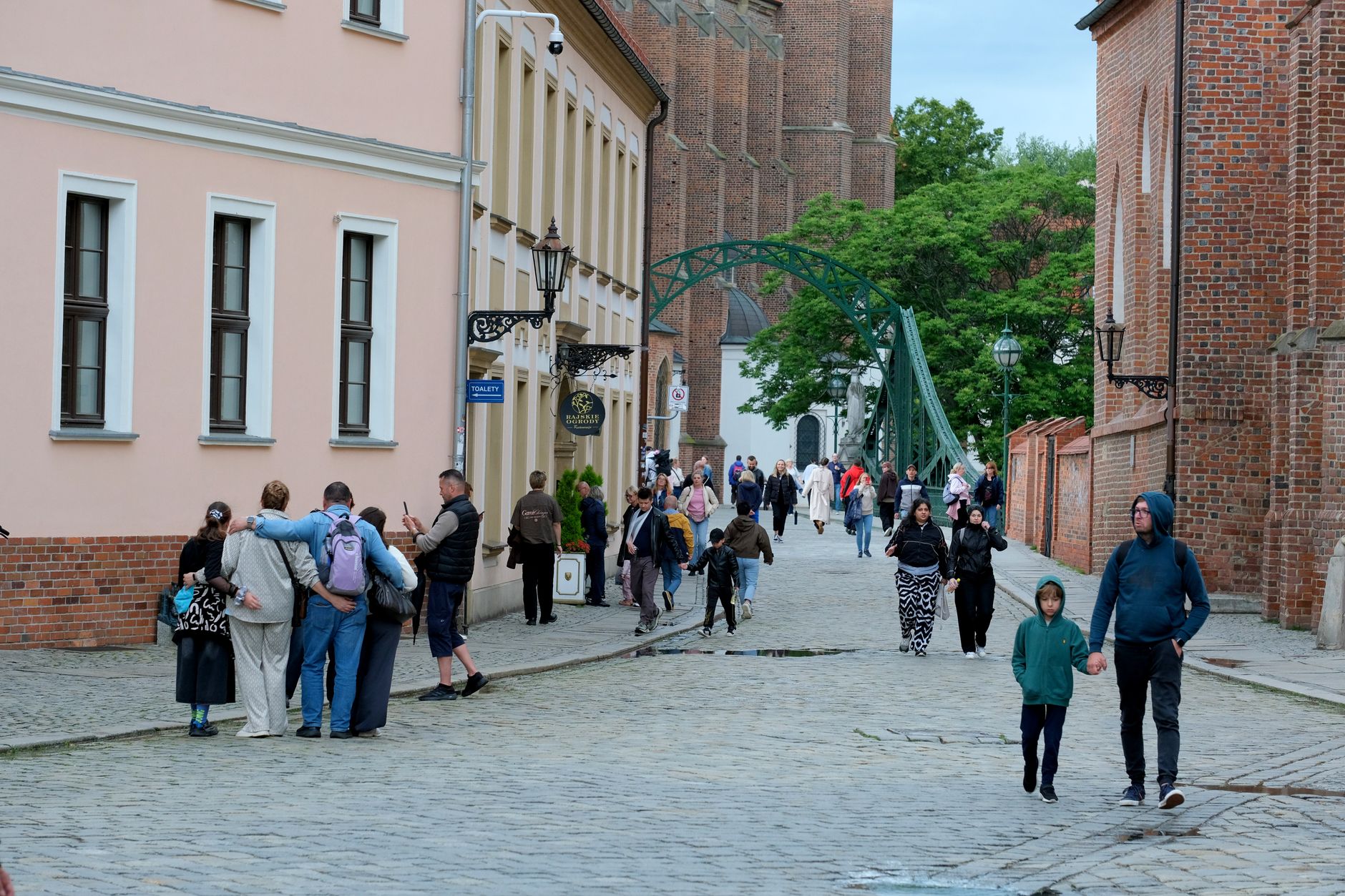
Eight kilometres south of Bolzano, Laives sits at the flat floor of the Adige valley where the orchards start in earnest. The town hall is built from reddish porphyry quarried locally — stone from what is apparently Europe's largest porphyritic deposit — and that detail tells you something about how Laives works: ordinary civic life conducted in unusually specific materials.
The frazioni of Pineta and San Giacomo each have their own rhythm, and autumn is when the town shows its hand most clearly: Toerggelen evenings at the taverns on Monte Largo, where new wine and roasted chestnuts arrive together, and the Laives Rock festival filling the Town Hall Square.
💛 What travellers fall for
People who come back tend to time it around Toerggelen season in October — the taverns in La Costa and on Monte Largo are the draw, not a restaurant recommendation but a tradition with its own calendar. The Lord Baden-Powell Park at the end of Via Vallarsa is an odd, quietly pleasant detour that almost no one outside the town seems to know about.
Deals in Laives
Book directly at the provider


How Laives came to be
People have been on this ground for a long time. Iron Age Rhaetian settlements — the oldest dating to around the 7th century BC — have been unearthed here, including remains found recently beneath a playground on Via Galizia. The town appears in documents from 1189, and the Church of San Giacomo was recorded by name in 1237. Laives became its own municipality only in 1819, and was formally declared a town in 1985.
The 20th century left a complicated linguistic mark. In 1890 the town was almost evenly split between Italian and German speakers; by 1910 German speakers outnumbered Italian speakers more than seven to one. After South Tyrol passed to Italy following WWI, a 1923 fascist Italianization order reversed that balance again — by 1971, Italian speakers made up 75 percent of the population.
Who and what shaped it
People who shaped it
Landmark buildings
See Laives in motion
Plan your visit
On the map
When to go
June and July are the warmest and sunniest months, averaging around 23°C with over 200 hours of sun each. January and February drop to around -4°C, and November and May see the heaviest rainfall; if you're visiting in those months, pack accordingly.
Right now
Background & history adapted from Wikipedia (CC BY-SA) · specs from Wikidata (CC0) · weather from Open-Meteo · map data © OpenStreetMap contributors · photos from Wikimedia Commons / Unsplash with per-image credit. No third-party reviews or social posts reproduced.