
Kyoto, Japan
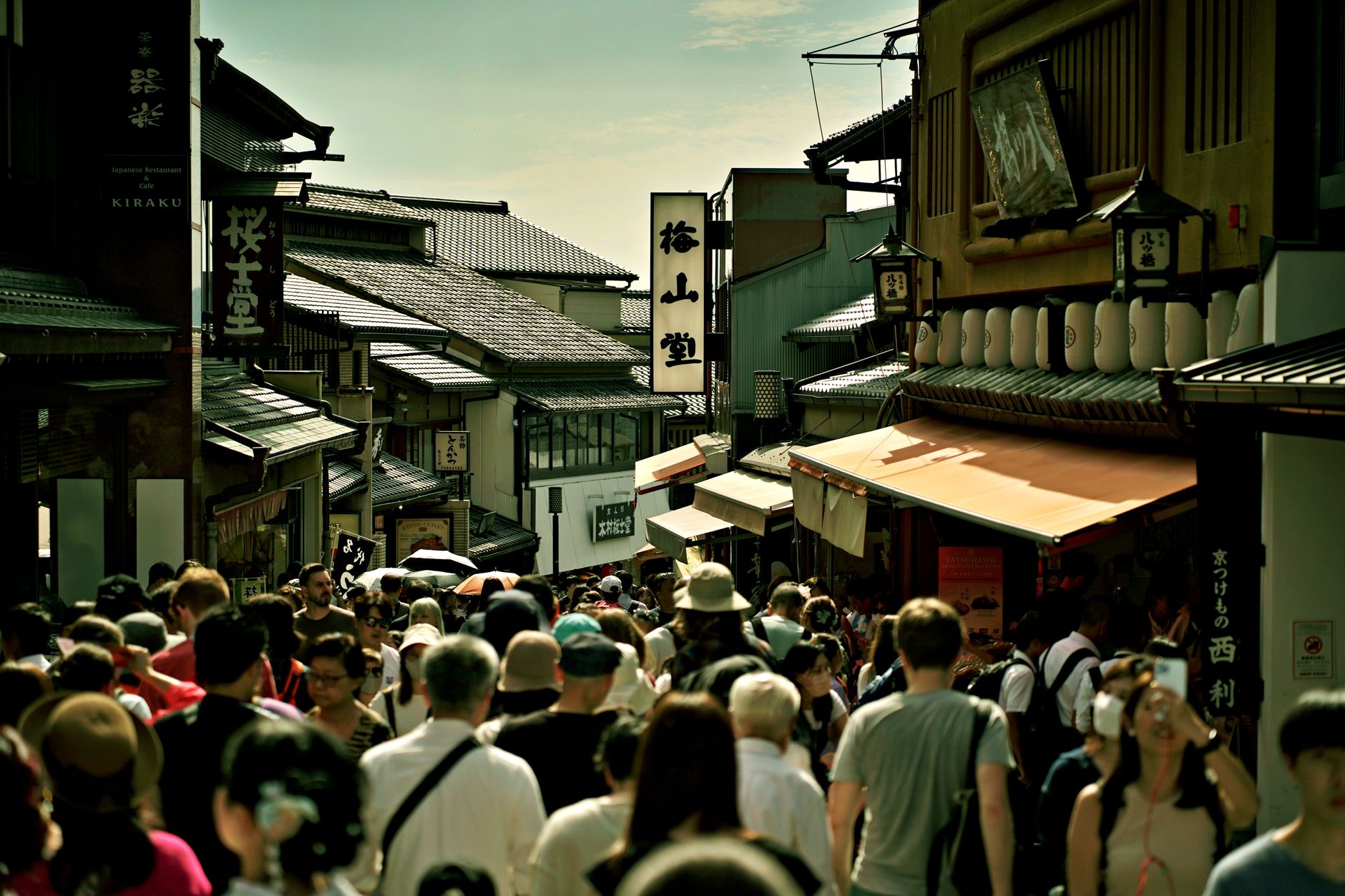
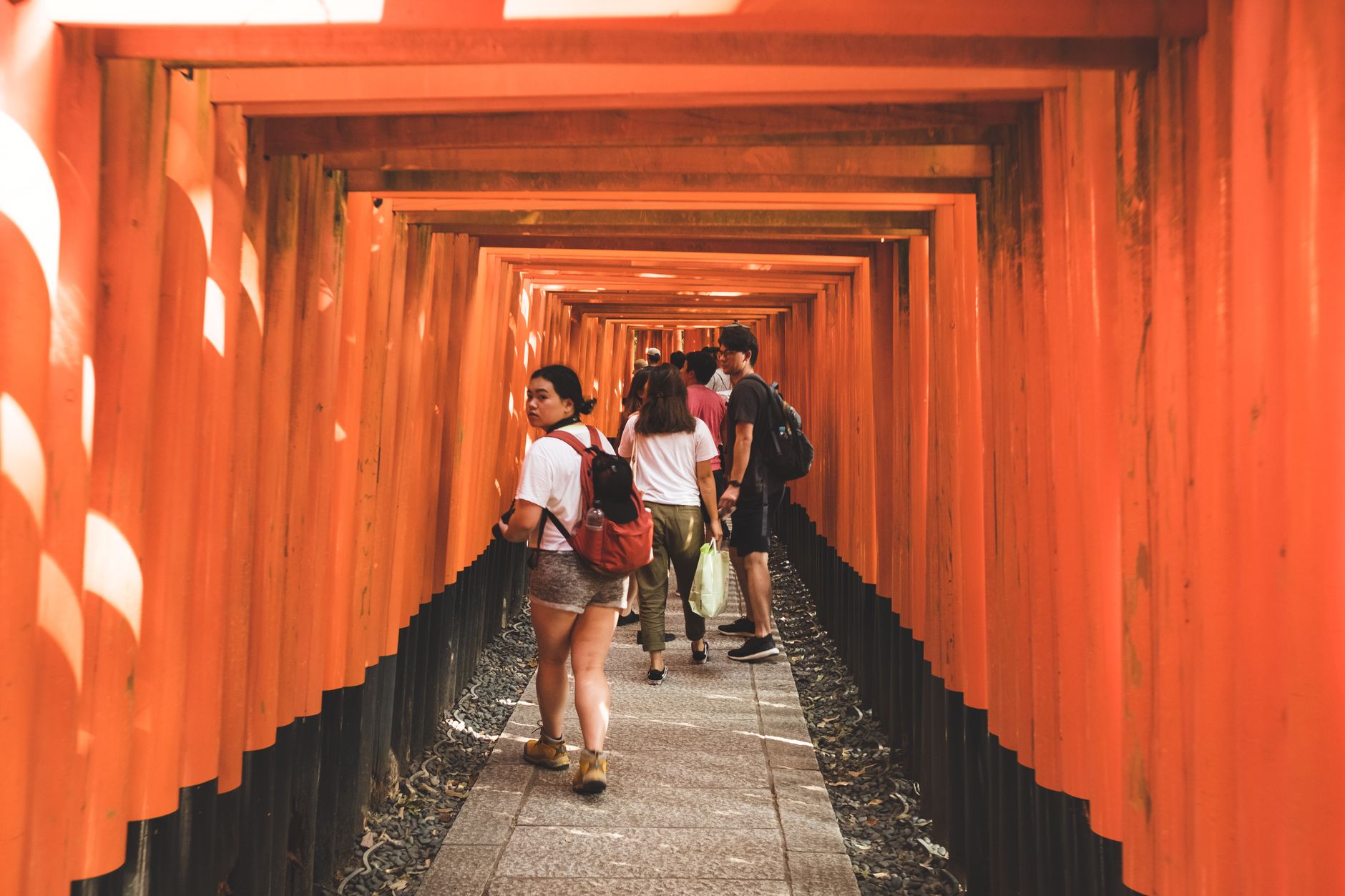
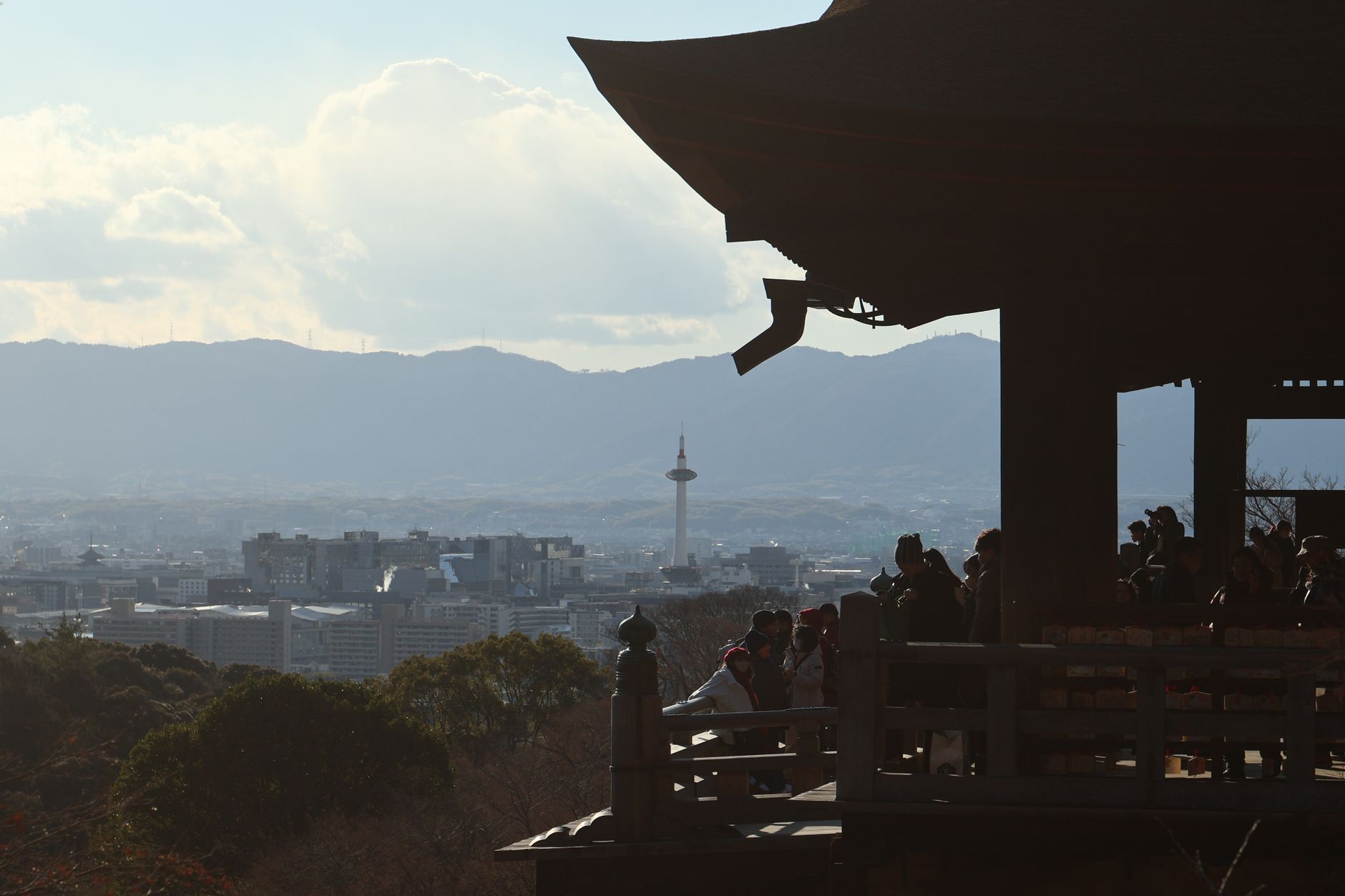
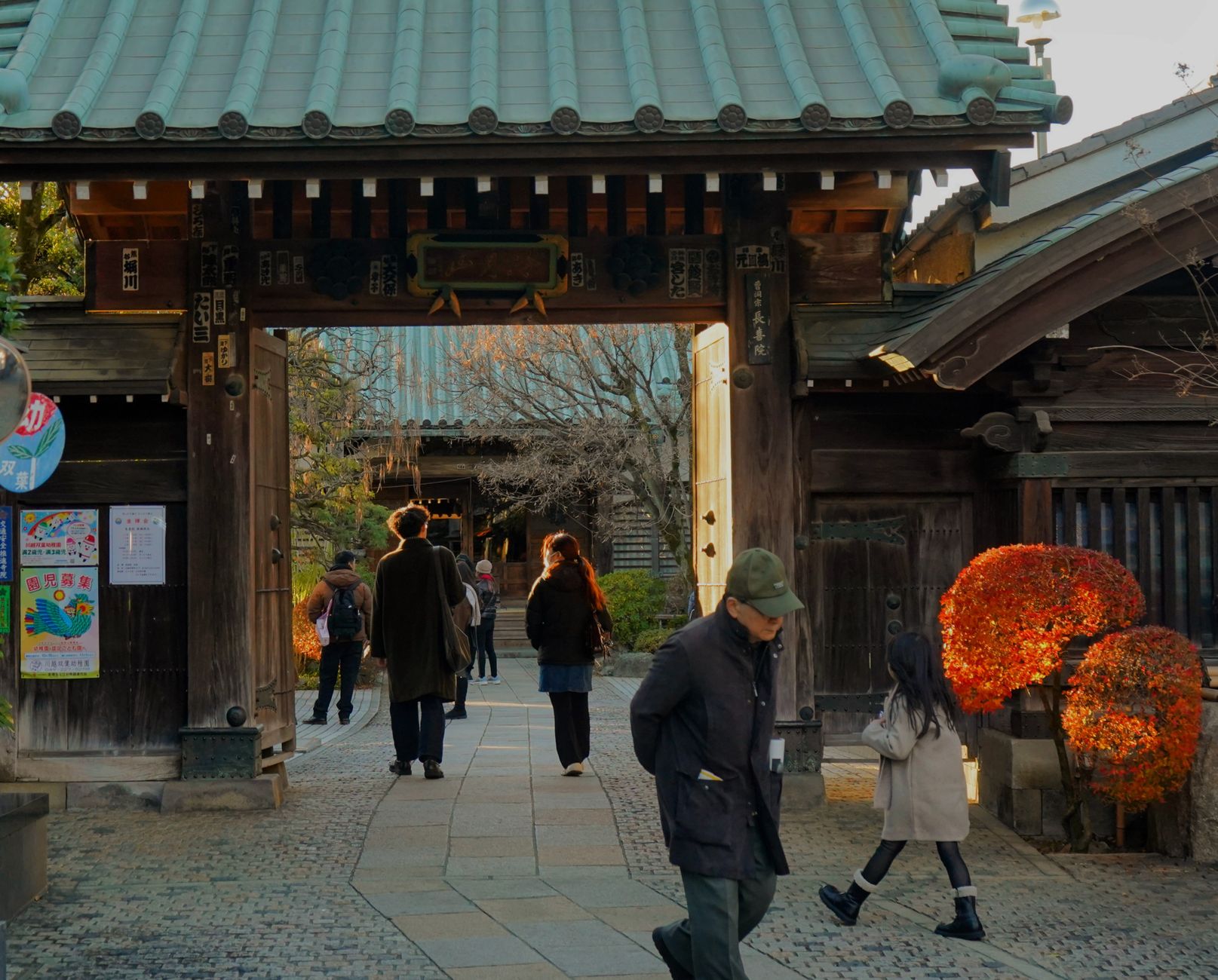
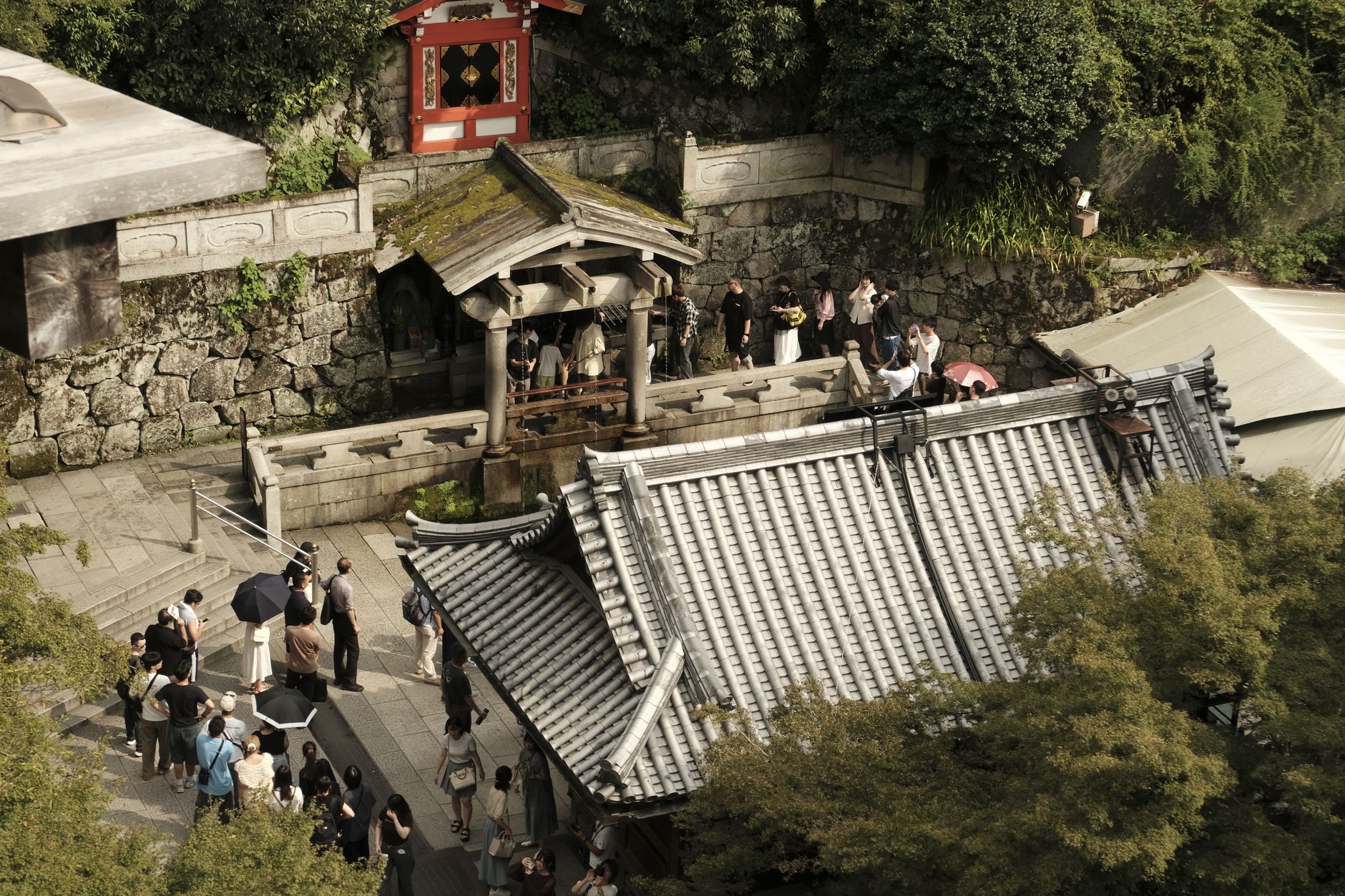

Kyoto holds more than a thousand years of imperial memory in a city that still functions as a living place — temples beside convenience stores, monks on bicycles, the smell of incense drifting across a commuter street. It was founded in 794 AD as Heian-kyo, modeled on the Tang Dynasty capital of Chang'an, and it remained Japan's imperial heart for over a millennium.
Seventeen of its sites carry UNESCO World Heritage status, and the city escaped World War II largely intact — which means that when you stand before Daigo-ji's Five-storied Pagoda, built around 951, you are looking at Kyoto's oldest wooden structure, not a reconstruction of one.
Popular cities in Kyoto, Japan
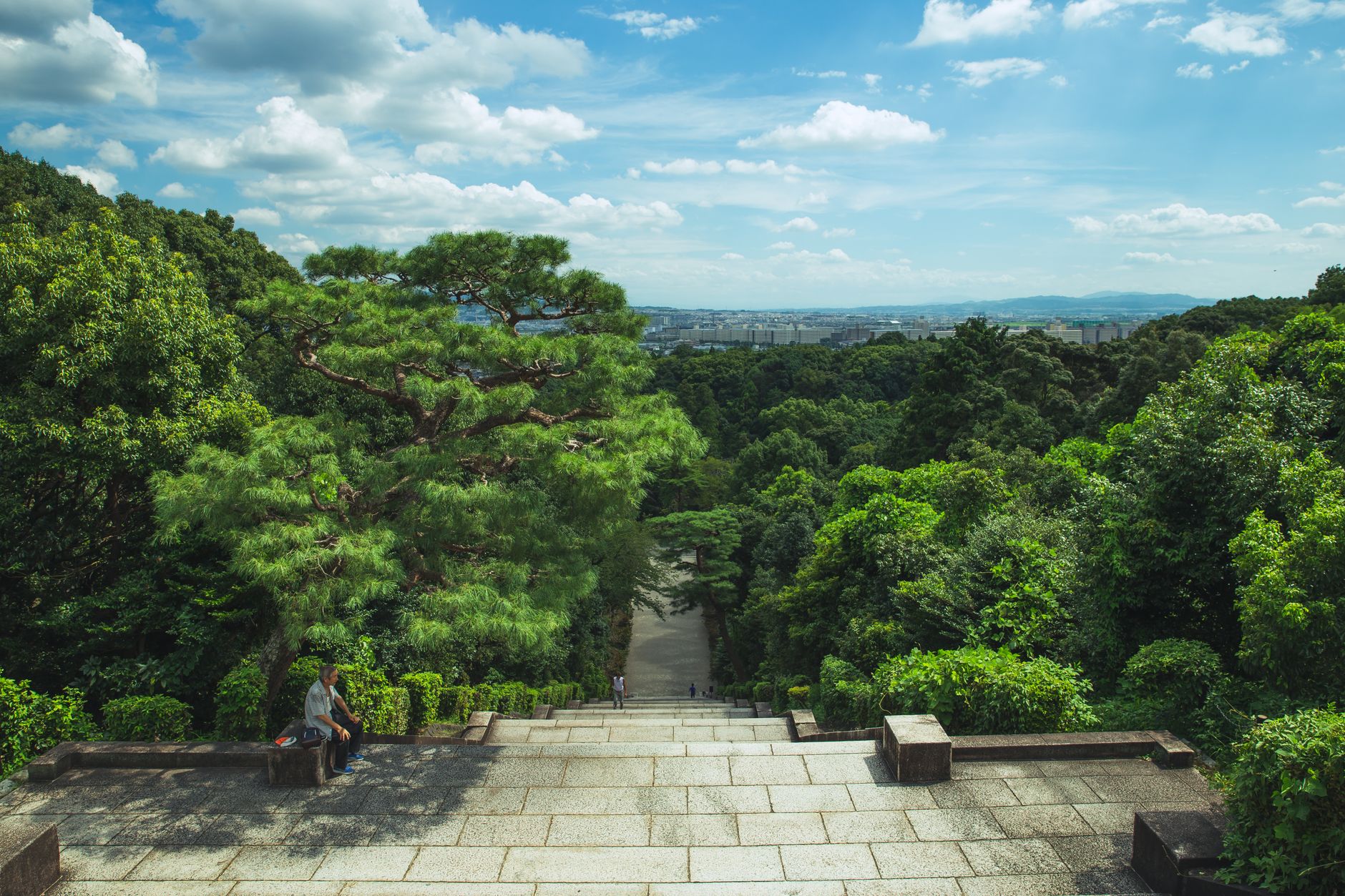
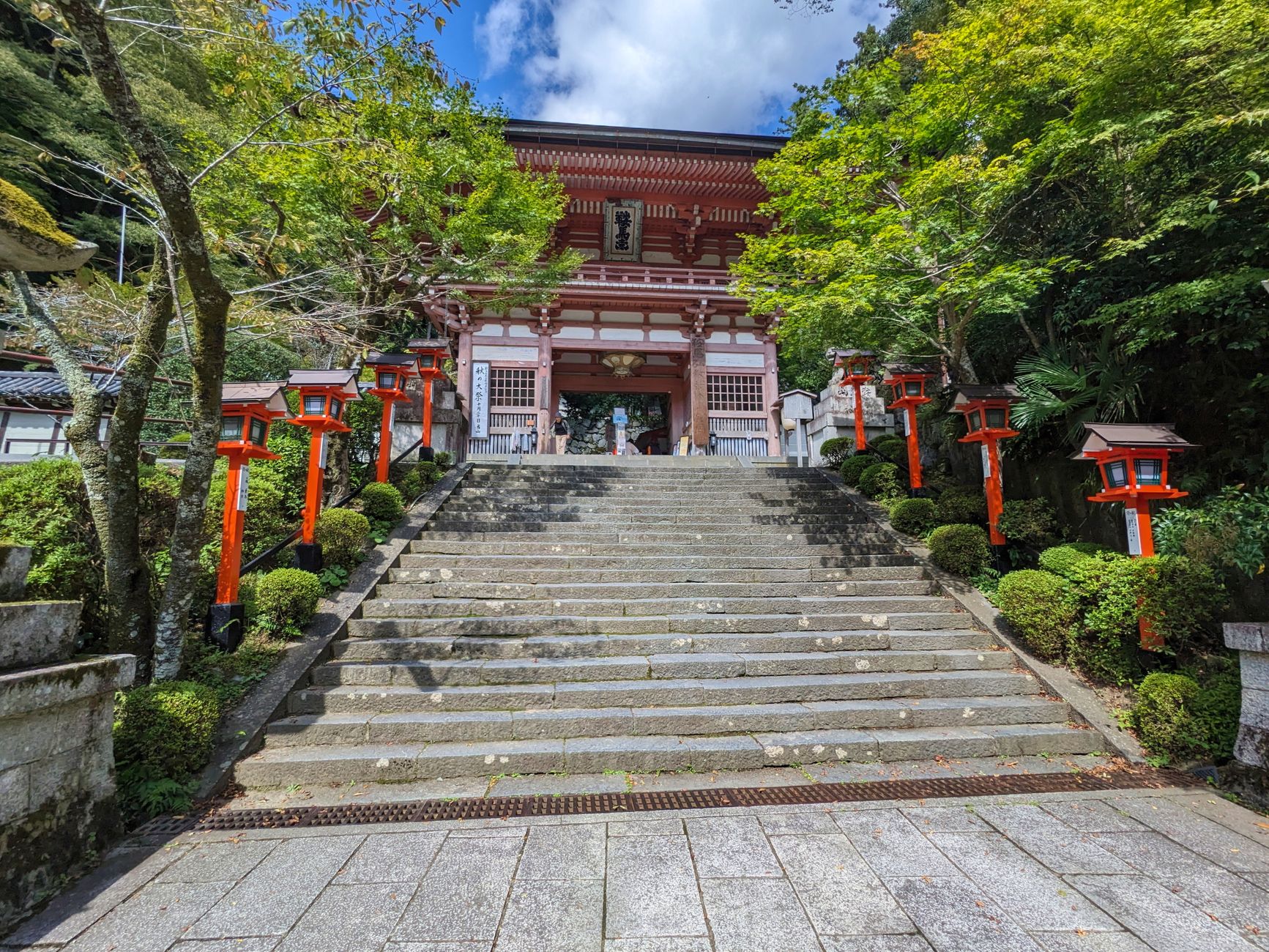
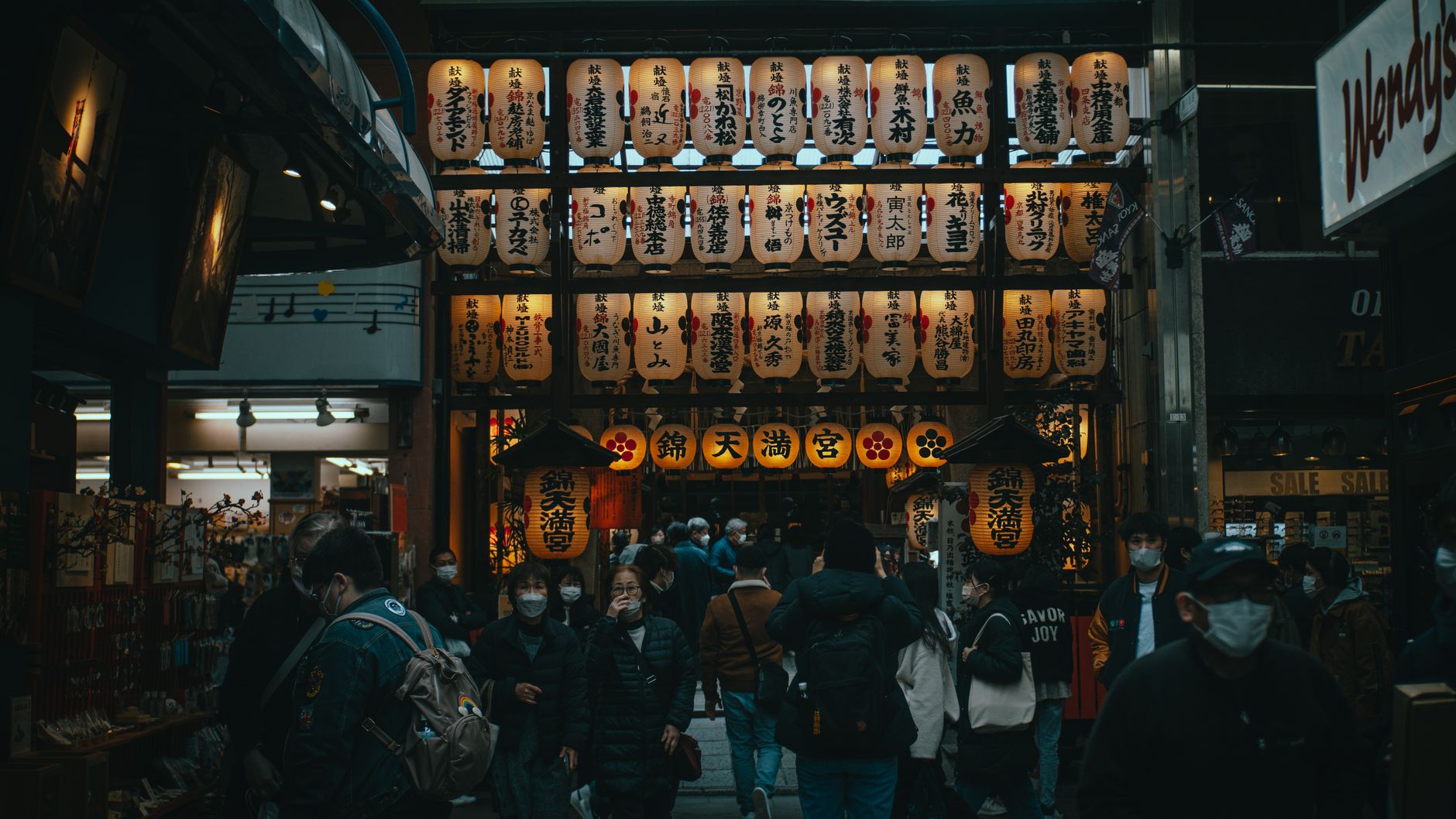
💛 What travellers fall for
People who return to Kyoto tend to stop planning so hard. They pick a single district — Higashiyama, say, or Fushimi — and walk it slowly. They learn that the flat-rate ¥230 bus is more useful than the subway for crossing the old city, and that Kiyomizu-dera before 8 AM is a different place entirely from Kiyomizu-dera at noon.
How Kyoto, Japan came to be
Emperor Kanmu chose this basin in 794 with a specific intention: to build a capital free from the political grip of established Buddhist institutions. The city he founded, Heian-kyo, flourished for nearly four centuries — the period that produced Murasaki Shikibu's Tale of Genji, one of the world's earliest novels. That courtly golden age ran from 794 to 1185.
The Onin War of 1467–1477 left much of the city in ruins, and the Meiji Restoration of 1868 transferred the emperor to Tokyo, ending Kyoto's formal role as capital. What it kept was the built record: castles, pagodas, and garden compounds constructed between the tenth and eighteenth centuries, most of them still standing.
Who and what shaped it
People who shaped it
Landmark buildings
See Kyoto, Japan in motion
Plan your visit
On the map
When to go
Spring (March–May) and autumn (September–November) offer the most comfortable temperatures and the most photographed scenery. Summer runs genuinely hot — August sees more than three weeks above 30°C — while winter stays dry and cool, averaging 5–8°C, which is manageable if you dress for it.
Right now
↡ Cities
Background & history adapted from Wikipedia (CC BY-SA) · specs from Wikidata (CC0) · weather from Open-Meteo · map data © OpenStreetMap contributors · photos from Wikimedia Commons / Unsplash with per-image credit. No third-party reviews or social posts reproduced.