
Kurama
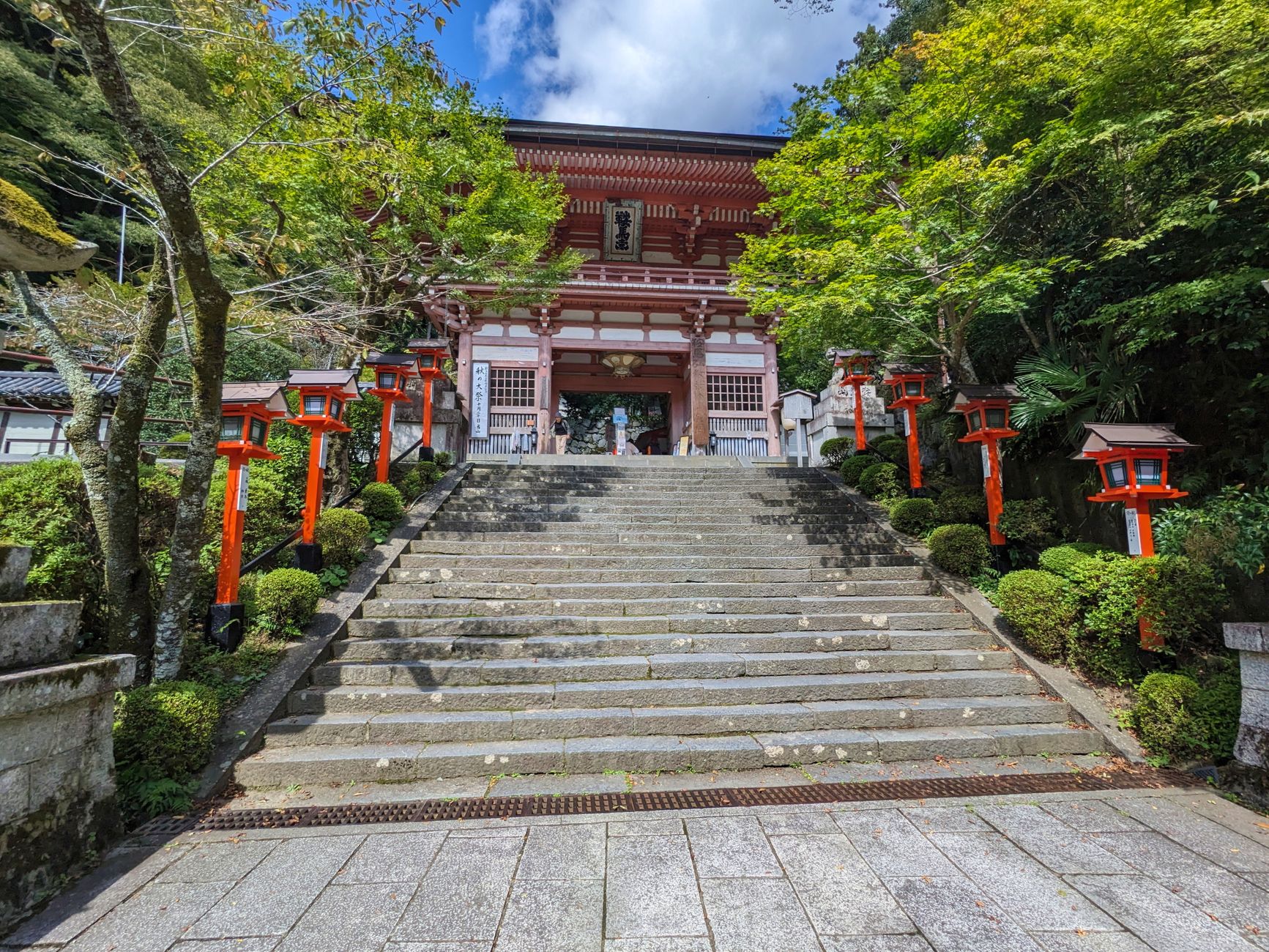
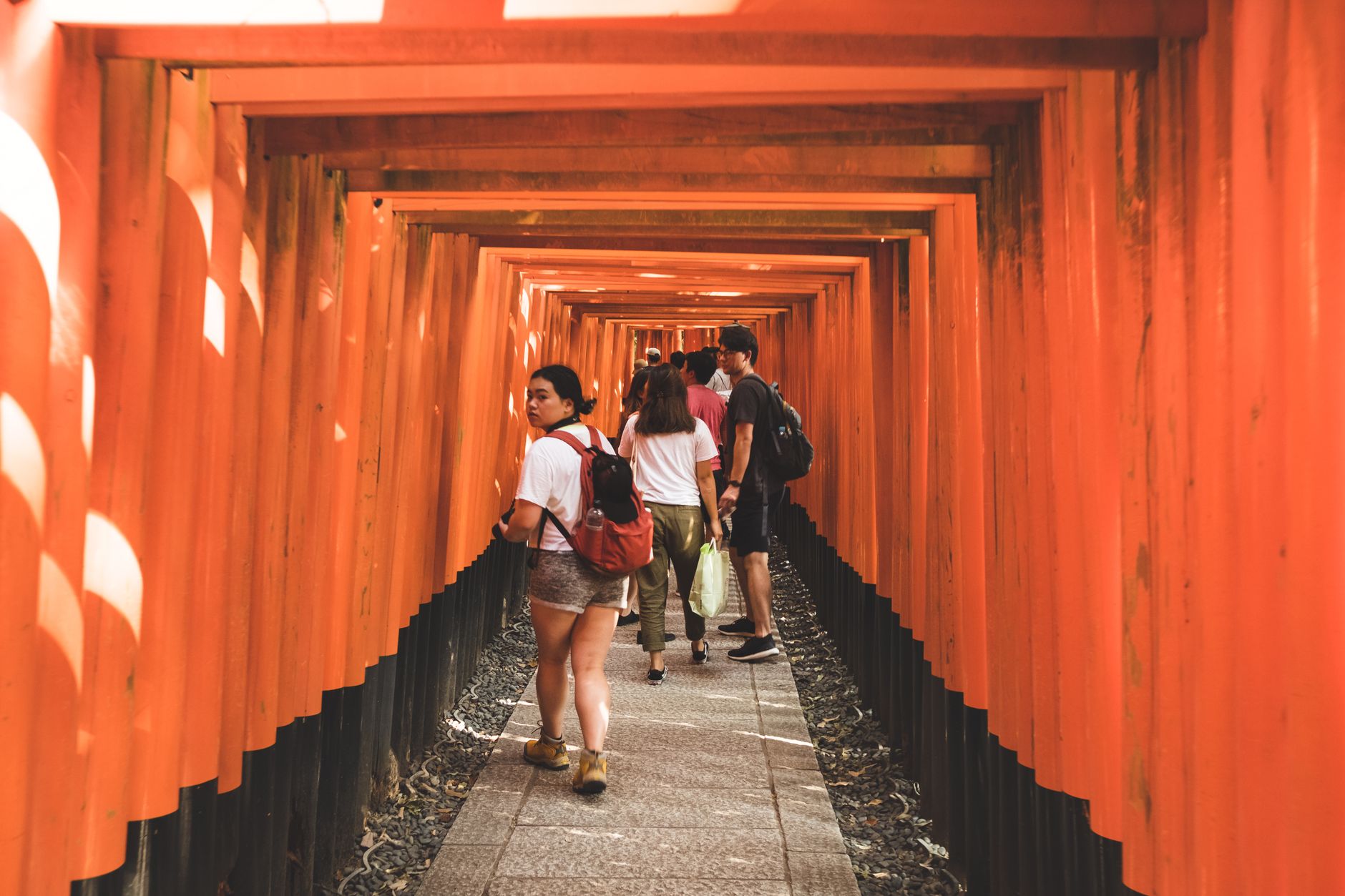
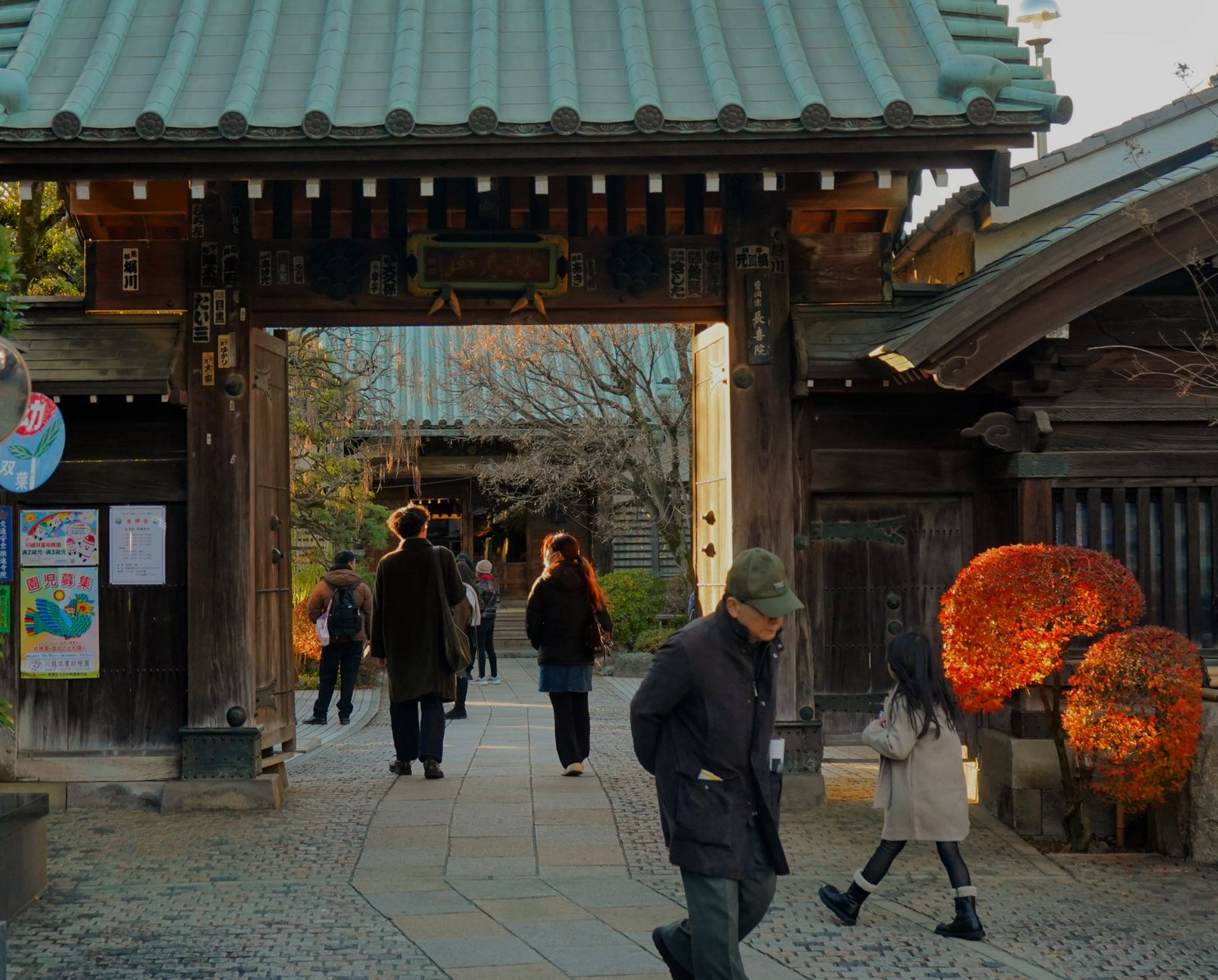
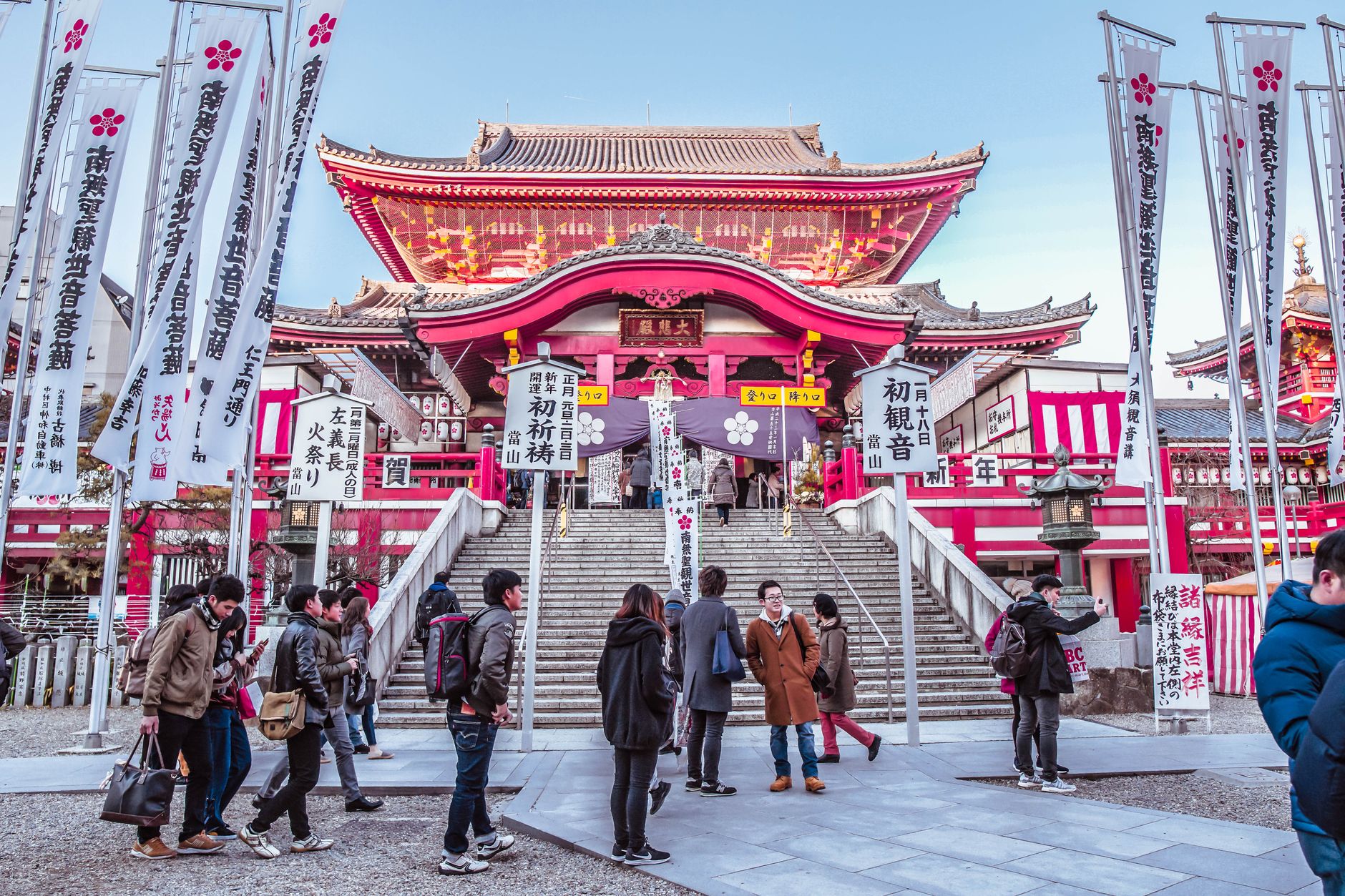
Thirty minutes north of Kyoto on the Eizan line, the city drops away and the cedar forests begin. Kurama is a mountain village built around a single steep path that climbs to Kurama-dera, a temple that has stood in some form since 770 and now follows its own school of Buddhism — Kurama-kokyo — which it founded in 1949, blending Tendai, Shinto, and older beliefs tied to the mountain itself.
The trail up is the point. Exposed tree roots ridge the path like ribs, and the air smells of damp earth and incense long before you reach the main hall. At the summit, the 1971 Honden looks out over a valley of mountains that seems to swallow the idea of the city entirely.
💛 What travellers fall for
People who return tend to time it carefully. Mid-November for the kōyō, when the cedars are ringed with color, or October 22 for the Fire Festival at Yuki Jinja — torches, drums, the 800-year-old cedar lit from below. The hike through to Kibune on the far side adds an hour and earns a meal at the river restaurants there.
Deals in Kurama
Book directly at the provider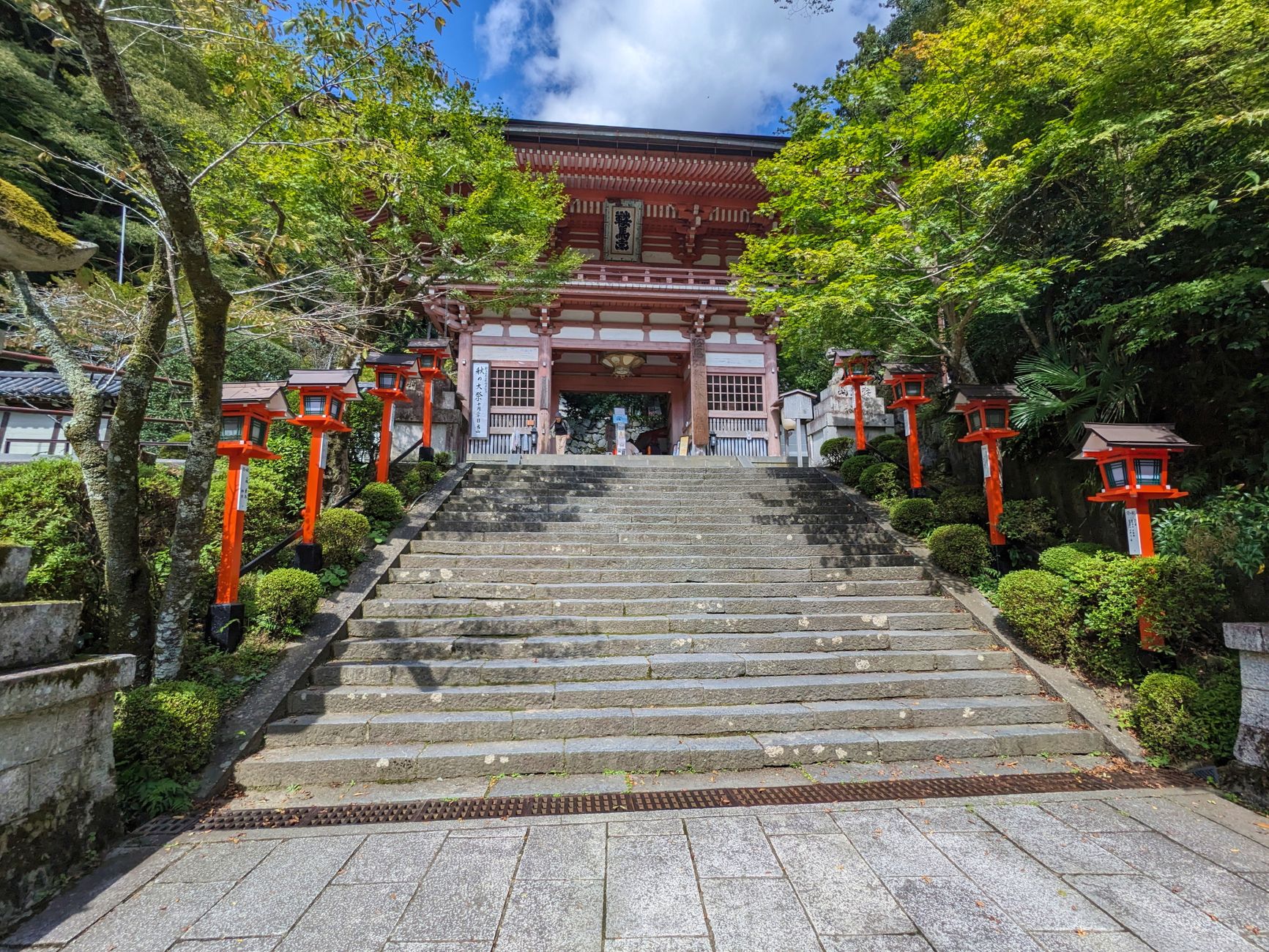

How Kurama came to be
In 770, a monk named Gantei — disciple of the Chinese master Jianzhen — founded the first temple on Mt. Kurama. Twenty-six years later, Fujiwara Issendo, moved by a vision of the Thousand Arms Kannon, sponsored a proper temple complex on the mountain. For centuries it operated as a Tendai Buddhist institution, surviving repeated fires while somehow preserving its treasures each time.
In 1949 the temple broke from Tendai and established Kurama-kokyo, its own religious school rooted in the mountain's particular spirit. The mountain also carries older, stranger stories: the warrior Minamoto no Yoshitsune is said to have trained here in secret as a boy, tutored in swordsmanship by Sōjōbō, the Tengu of Kurama. In 1922, Mikao Usui meditated on the mountain for 21 days and emerged claiming he had received the healing energy he would name Reiki.
Who and what shaped it
People who shaped it
Landmark buildings
See Kurama in motion
Plan your visit
On the map
When to go
Spring (late March to early April) and mid-November are the most visually striking times to visit — cherry blossoms on the way up in spring, kōyō foliage in autumn. Summer is hot and very humid, with heavy rain in July; winter brings occasional snow that settles on the temple rooftops, though the complex closes from December 12 through February 1.
Right now
Background & history adapted from Wikipedia (CC BY-SA) · specs from Wikidata (CC0) · weather from Open-Meteo · map data © OpenStreetMap contributors · photos from Wikimedia Commons / Unsplash with per-image credit. No third-party reviews or social posts reproduced.