
Fushimi Momoyama
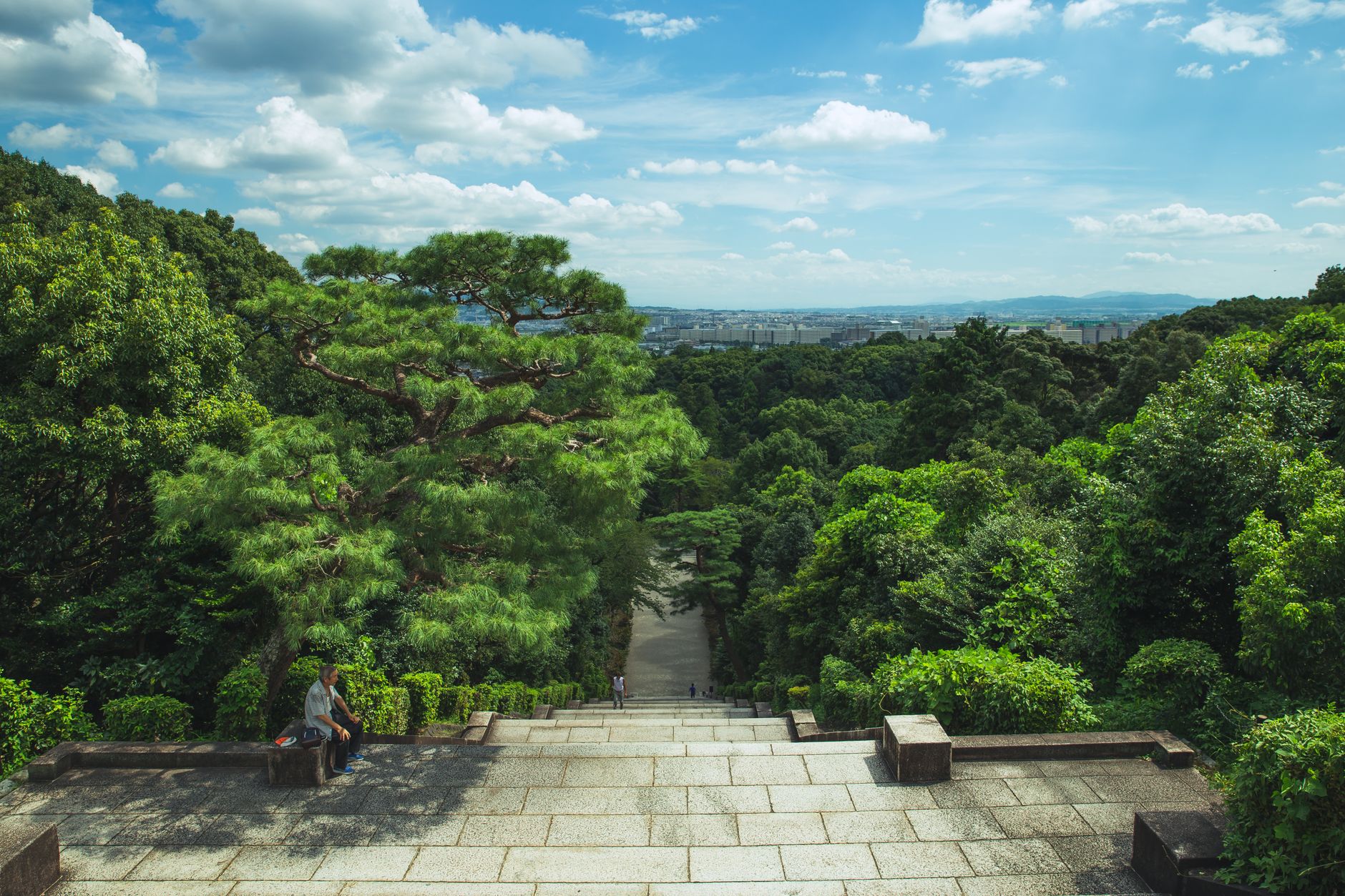
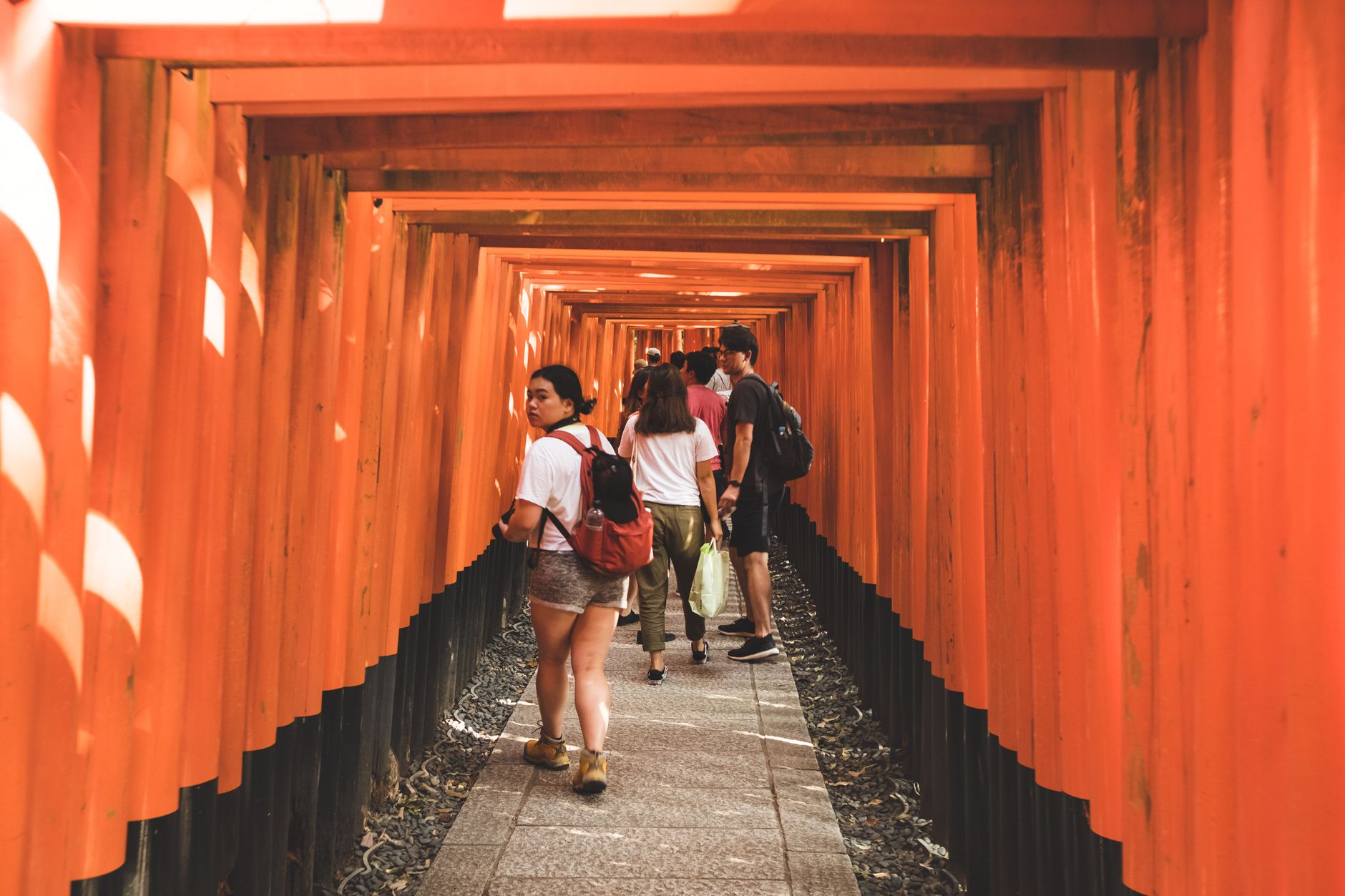
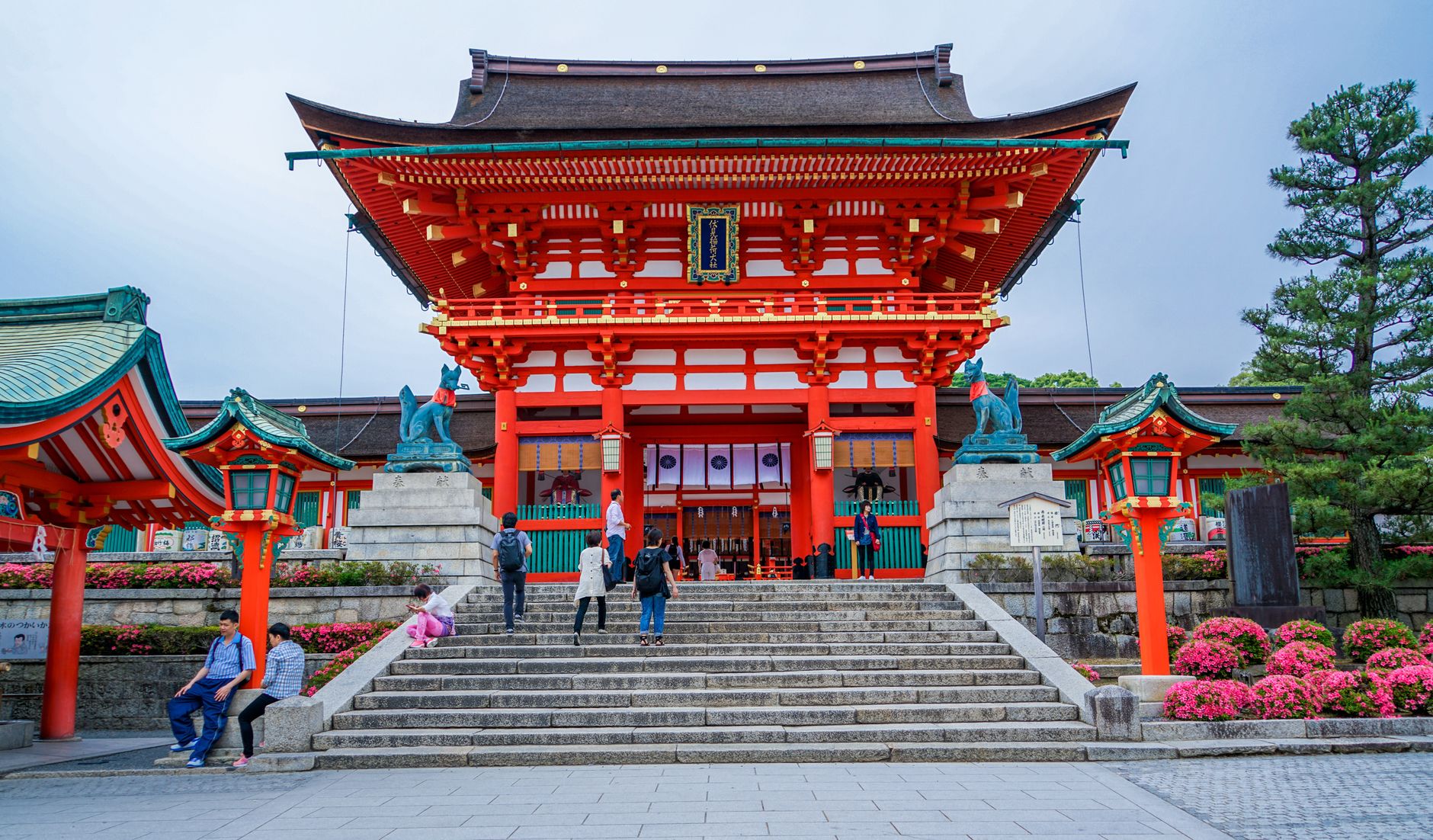
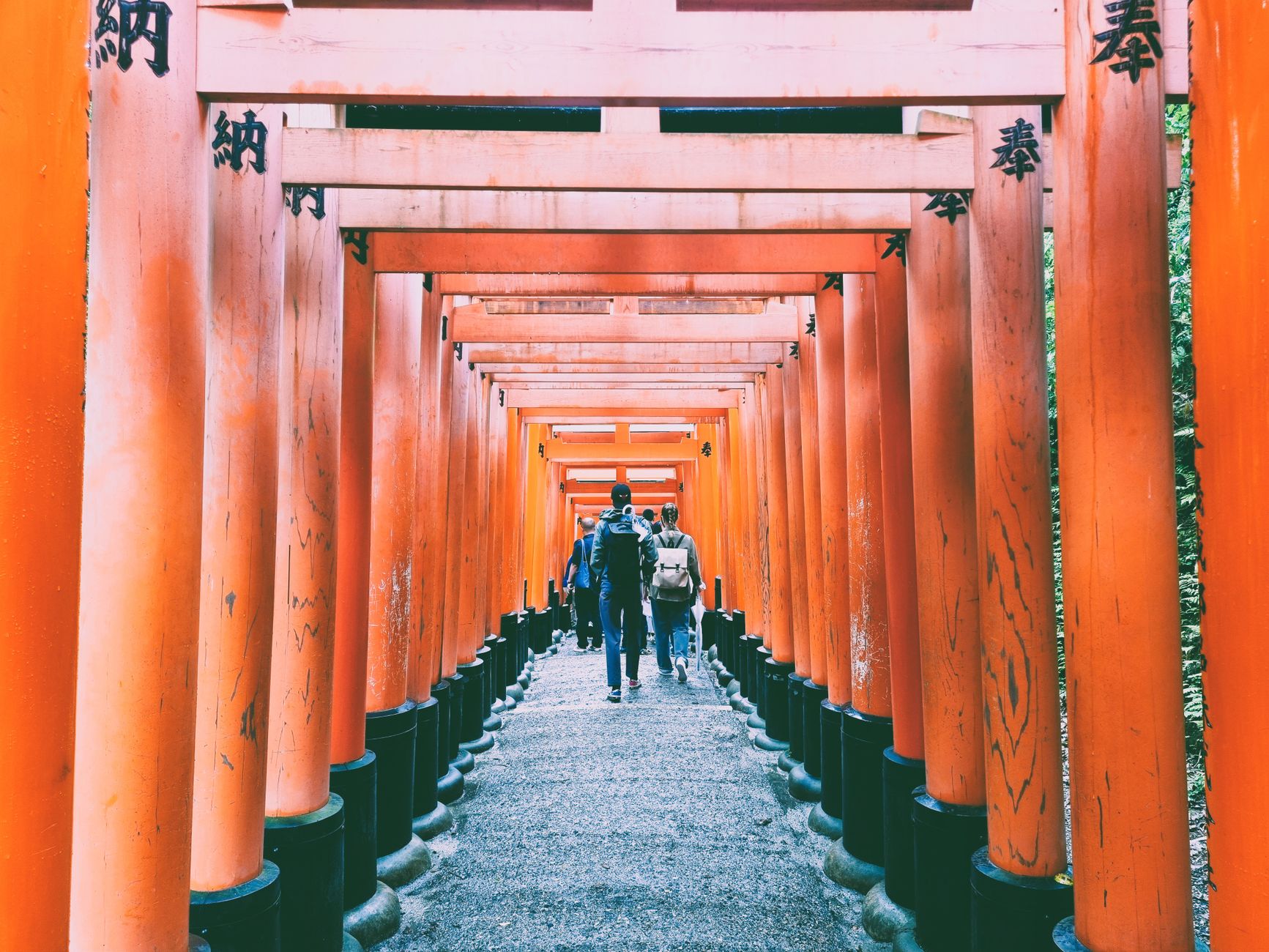
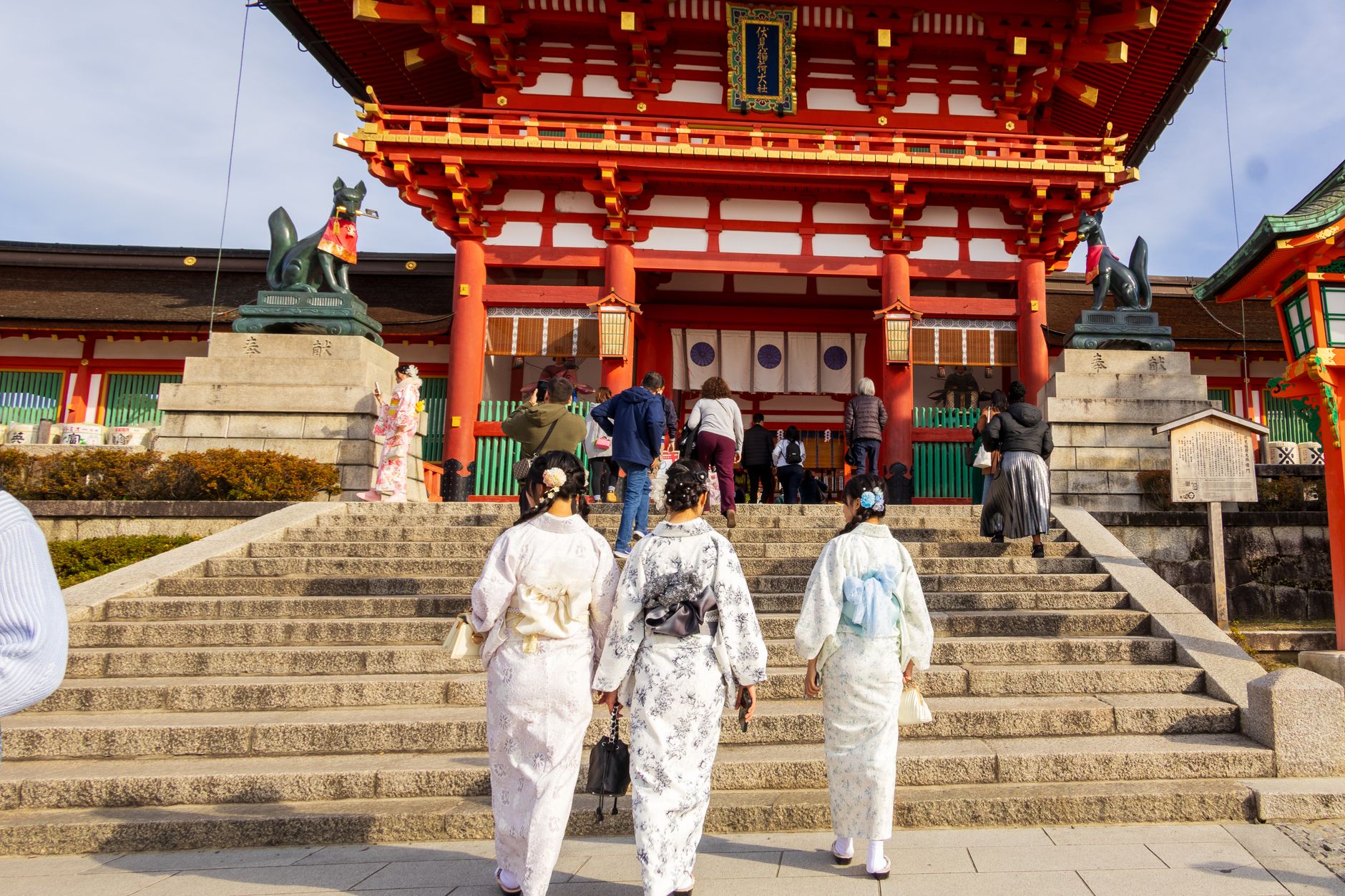
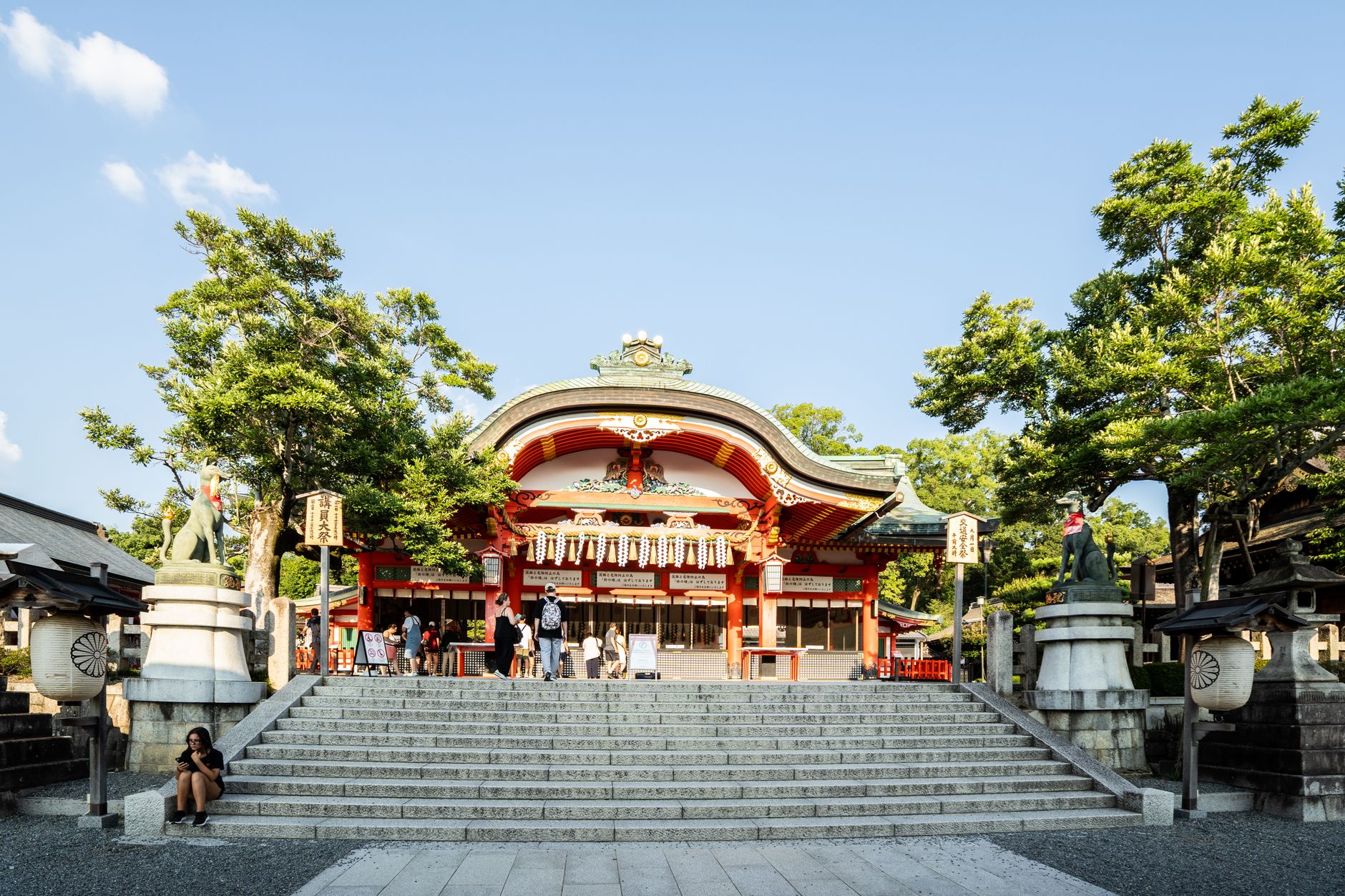
The name gives it away, if you know to look: Momoyama means peach hill, and for a century after the castle fell, peach trees covered the slopes where Toyotomi Hideyoshi once held court. The concrete replica that stands here now is modelled partly on Himeji, partly on Hikone, and you cannot go inside — but that is almost beside the point. What draws people up here is the quiet, the hiking trails threading into Momoyama forest, and the weight of knowing that the entire Azuchi-Momoyama period of Japanese history takes its name from this particular hill beside the Uji River.
Fushimi Momoyama sits at a distance from the city's tourist circuits, which means the grounds are often yours alone. A great torii gate straddles the old main street near the station, the ghost of an approach road that once led to the castle's front gate.
💛 What travellers fall for
People who come back tend to time it for spring or autumn and bring something to eat — the grounds are free, often empty, and the forest trails open onto views of Kyoto that reward the walk. The Gokonomiya Shrine gate, just nearby, is the original west main gate of the castle, registered as an Important Cultural Property and easy to miss if you head straight for the keeps.
Deals in Fushimi Momoyama
Book directly at the provider

How Fushimi Momoyama came to be
Hideyoshi broke ground in 1592, mobilising between 20,000 and 30,000 workers from twenty provinces to build a retirement residence on Shigetsu-no-oka hill. It was finished in 1594, destroyed by the Keichō-Fushimi earthquake in 1596, rebuilt on a different hill to the north, and then demolished in 1623 — a lifespan of barely thirty years. Hideyoshi died here in 1598, and the castle passed to Tokugawa Ieyasu.
In the summer of 1600, Ishida Mitsunari laid siege with 40,000 men. The defender, Torii Mototada — a vassal of Ieyasu — held out and then committed seppuku. The floorboards from that siege survive, installed as ceilings in three Kyoto temples: Yōgen-in, Genkō-an, and Hōsen-in. Emperor Meiji's tomb was built on the original castle site in 1912. The concrete replica nearby dates to 1964 and has been managed as public garden space since 2007.
Who and what shaped it
People who shaped it
Landmark buildings
See Fushimi Momoyama in motion
Plan your visit
On the map
When to go
Spring and autumn are the most rewarding seasons — cherry blossoms in March and April, foliage from October into November. Summer on the hill is hot and humid; winter is dry and cold but clear, which keeps the forest trails walkable.
Right now
Background & history adapted from Wikipedia (CC BY-SA) · specs from Wikidata (CC0) · weather from Open-Meteo · map data © OpenStreetMap contributors · photos from Wikimedia Commons / Unsplash with per-image credit. No third-party reviews or social posts reproduced.