
Nishiki
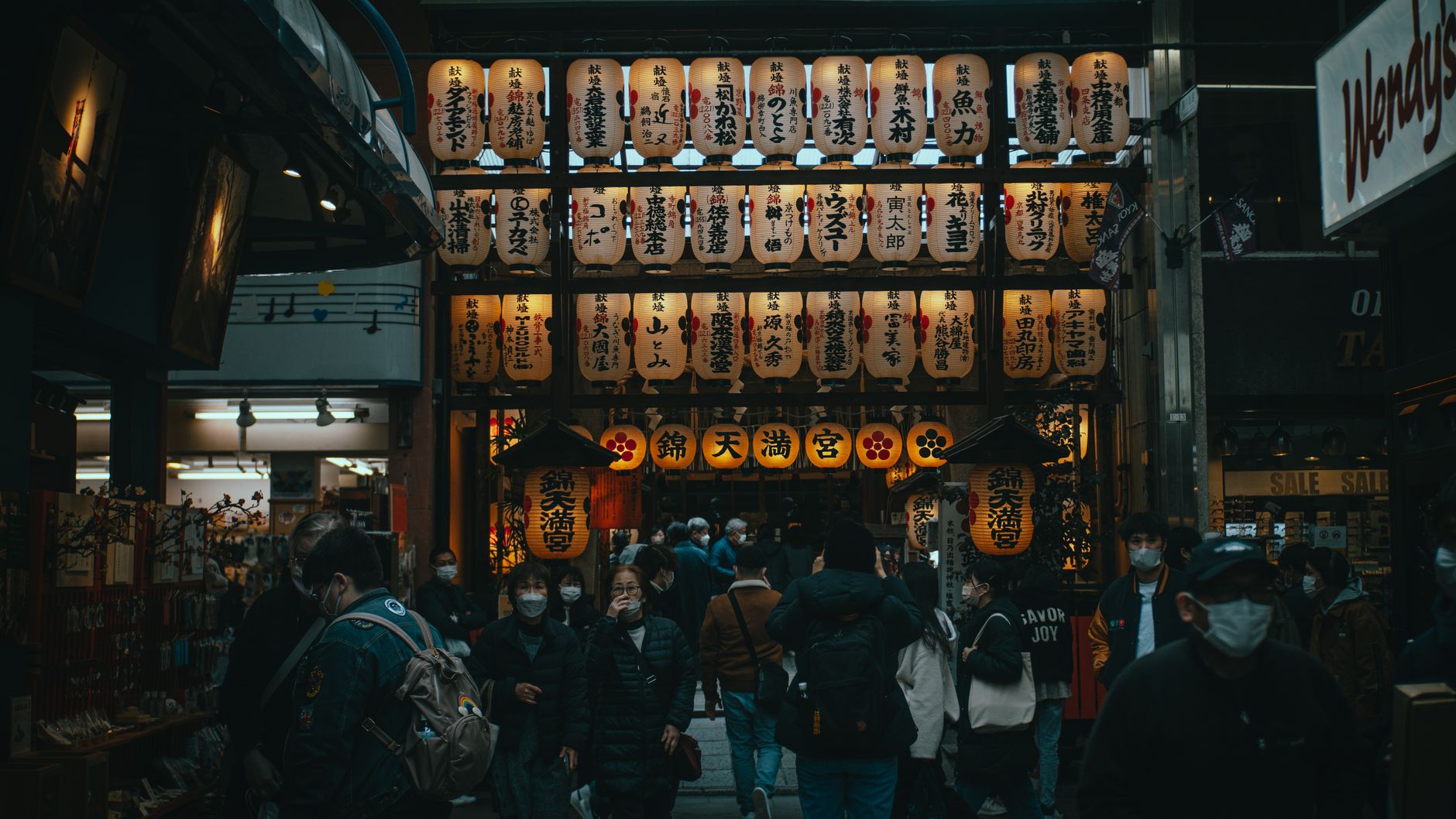
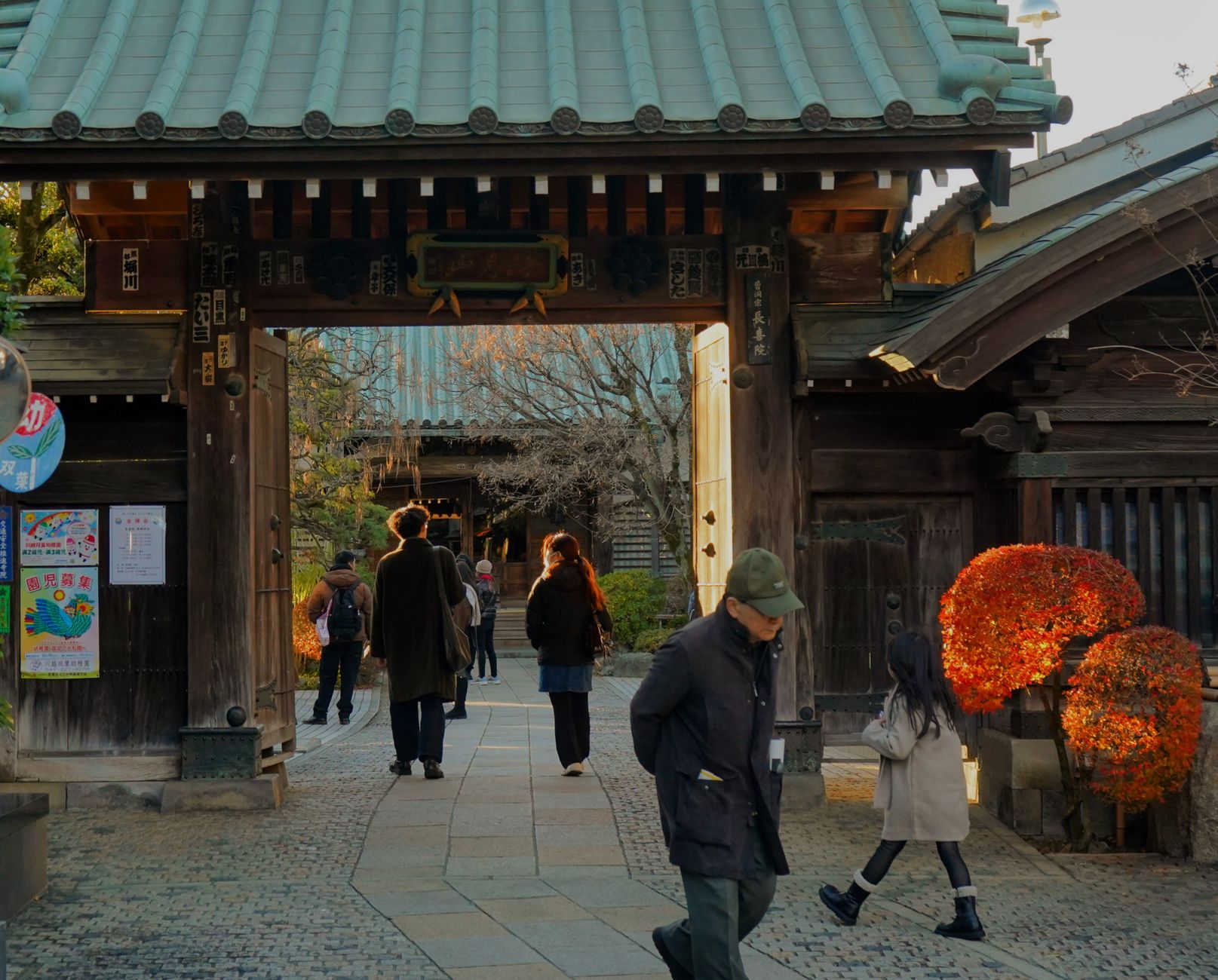
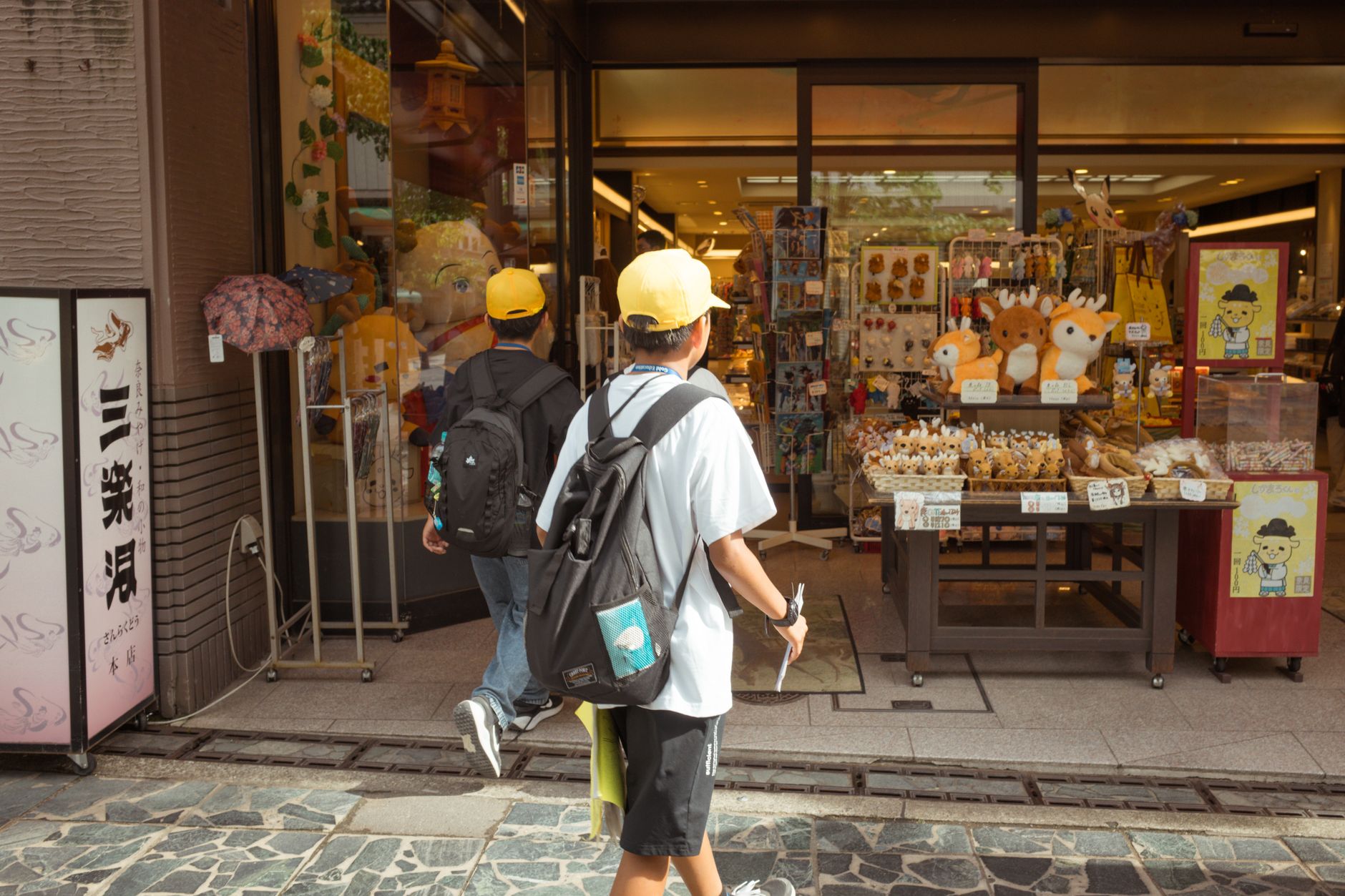
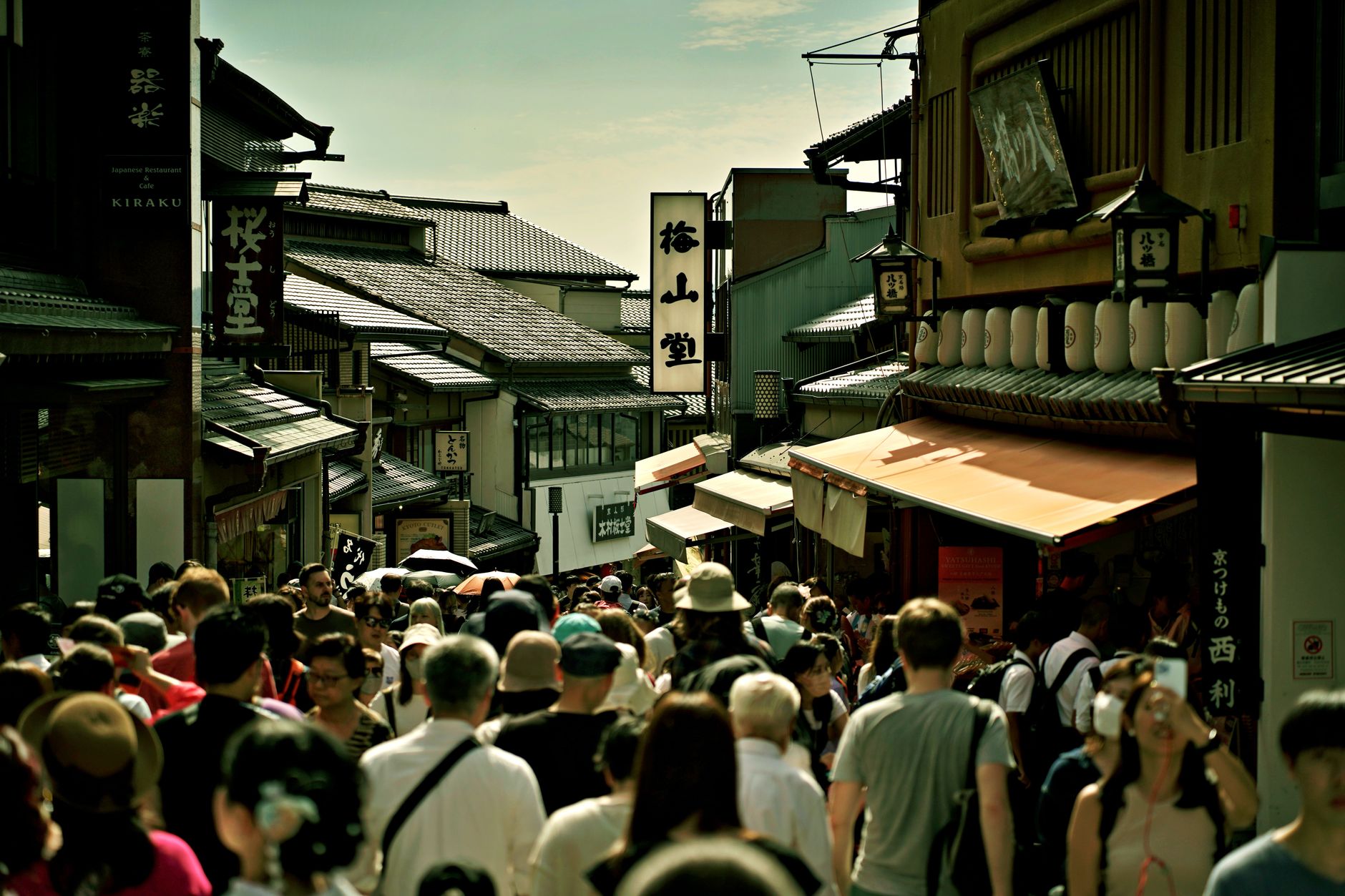
Nishiki is a single street — 400 metres long, less than four metres wide — that has been feeding Kyoto for the better part of a thousand years. More than a hundred shops press in on either side under a canopy of red, yellow, and green metal, and the air carries the competing smells of pickled daikon, grilled skewers, and dashi stock simmering somewhere just out of sight.
What makes it worth your time is the specificity of everything on offer: knives forged by the same family for eighteen generations, kyo-yaki ceramics painted with floral designs, salt-pickled vegetables you won't find outside this city. The market exists to supply Kyoto's home kitchens and restaurant back doors, and that purpose keeps it honest.
💛 What travellers fall for
People who return tend to make straight for Aritsugu, the knife shop that traces itself back to 1560, and spend longer than they planned watching the staff test a blade's edge. They also mention stopping at the ceramics vendor — the one selling kyo-yaki with floral designs — and leaving with something wrapped in paper that just about fits in a carry-on.
Deals in Nishiki
Book directly at the provider

How Nishiki came to be
Cold groundwater running beneath this stretch of central Kyoto made it possible to keep fish fresh as early as 782, which is why merchants gathered here rather than anywhere else near the Imperial Palace. The street was known as Gusoku-koji until Emperor Goreizei renamed it Nishiki-koji in 1054. The first shop opened around 1310, and in 1615 the Bakufu government formally granted the market the right to sell fish — the legal foundation on which everything since has been built.
The market has nearly collapsed more than once. After the Meiji Restoration, competition drove the number of shops down to just seven by 1883. Recovery came slowly: trade associations formed in 1911, the Kyoto Central Wholesale Market opened in 1927 and drew new merchants in, and the following year fresh produce joined the fish stalls. The Edo-period painter Ito Jakuchu — born into a greengrocery family here in the 18th century — is credited with helping preserve the market during earlier internal conflicts, a detail that says something about how seriously Kyotoites have always taken the place.
Who and what shaped it
People who shaped it
Landmark buildings
See Nishiki in motion
Plan your visit
On the map
When to go
Spring (March to May, highs 13–24°C) and autumn (September to November) are the most comfortable seasons to walk the street; autumn also brings the maple colour that peaks in mid-November. Summer is genuinely hot and humid, with August temperatures above 30°C for most of the month and typhoon risk from August into October — the covered canopy helps, but the heat outside either end of the arcade does not.
Right now
Background & history adapted from Wikipedia (CC BY-SA) · specs from Wikidata (CC0) · weather from Open-Meteo · map data © OpenStreetMap contributors · photos from Wikimedia Commons / Unsplash with per-image credit. No third-party reviews or social posts reproduced.