
Islas Flotantes de los Uros
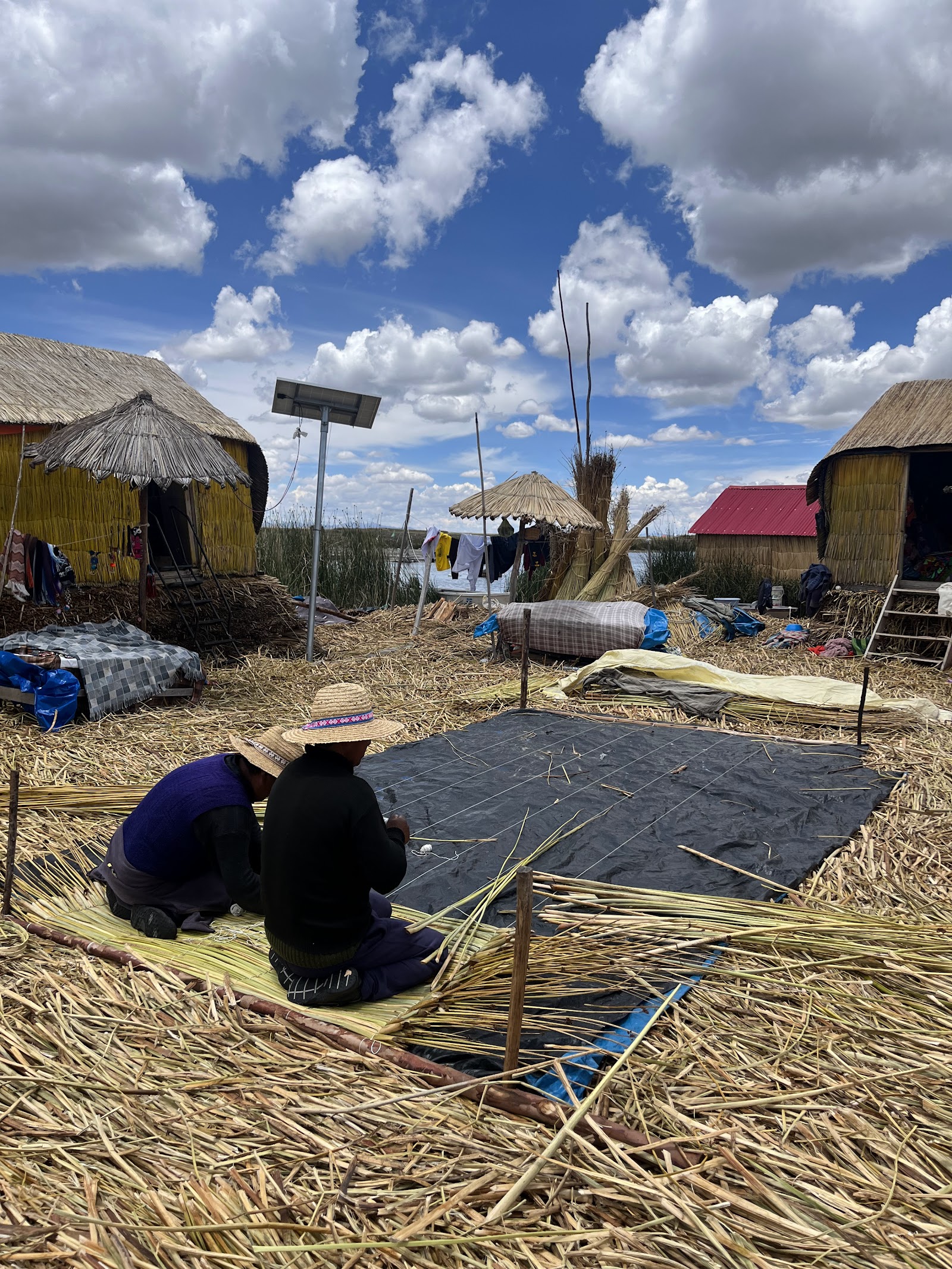
Step onto an Uros island and the ground moves slightly beneath you — a gentle give, like walking on a very thick mattress. That sensation is totora reed, layered for centuries into a floating platform anchored to the lake bed of Titicaca at 3,810 metres above sea level. The islands are not decorative; they are functional, living architecture, rebuilt and replenished continuously as the lower layers rot away.
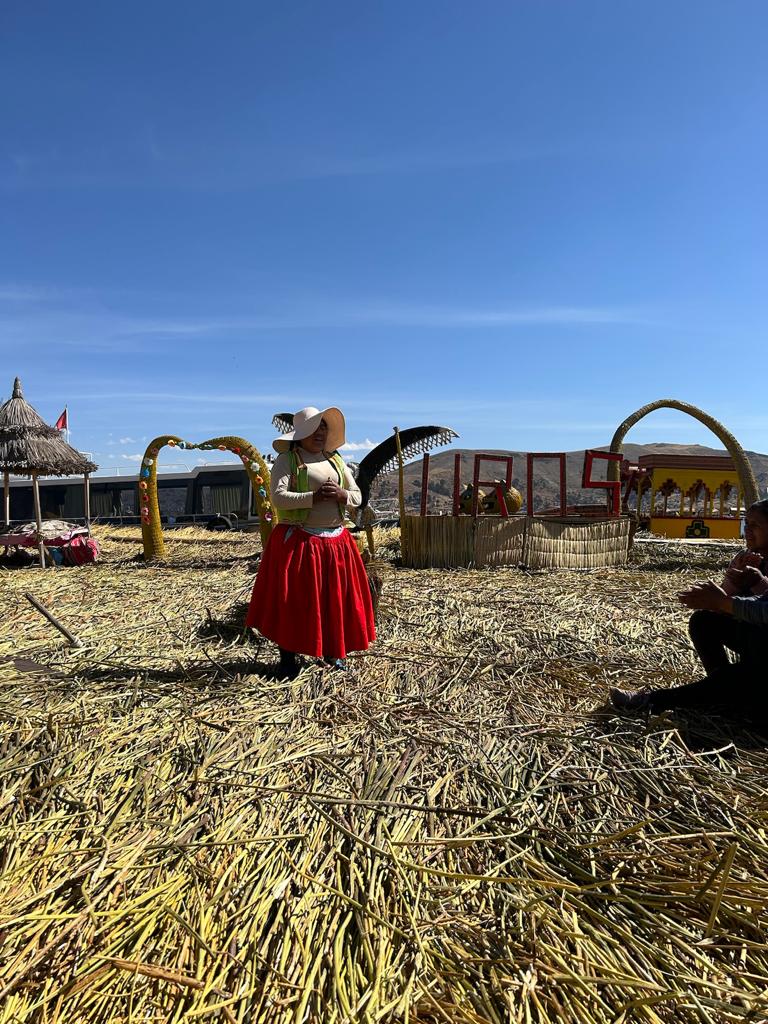
About 272 families, organised in small clusters of three to ten, live across roughly 90 islands seven kilometres from Puno. Cooking happens outside to keep flames away from the reed. Pigs and guinea pigs are penned in reed corrals. A community radio station on one of the larger islands broadcasts traditional music across the water for hours each day.
💛 What travellers fall for
People who've come back more than once tend to take the public ferry from Puno harbour for 10 soles rather than a packaged tour — it moves slower, the crowd is smaller, and you arrive without a guide narrating over everything. The white inner stalk of the totora reed, called chullo in Aymara, is edible; accept it when offered.
The story behind Islas Flotantes de los Uros
The Uros trace their ancestry to the Pukara culture, established around 1500 B.C., and consider themselves among the earliest inhabitants of Titicaca — a lineage that predates even the Tiahuanaco civilisation. They originally spoke Pukina, a language now lost for roughly five centuries; today the community speaks Aymara, Quechua, and Spanish.
The floating islands themselves emerged as a survival strategy when the expanding Inca Empire pushed the Uros from solid land. By retreating onto the lake's surface, they remained beyond easy reach. The arrangement proved durable but not invulnerable: a major storm in 1986 destroyed several islands and drove others across the Bolivian border, prompting the community to relocate the remaining islands closer to Puno. Peru formally recognised the Uros as indigenous people in 2018.
Good to know
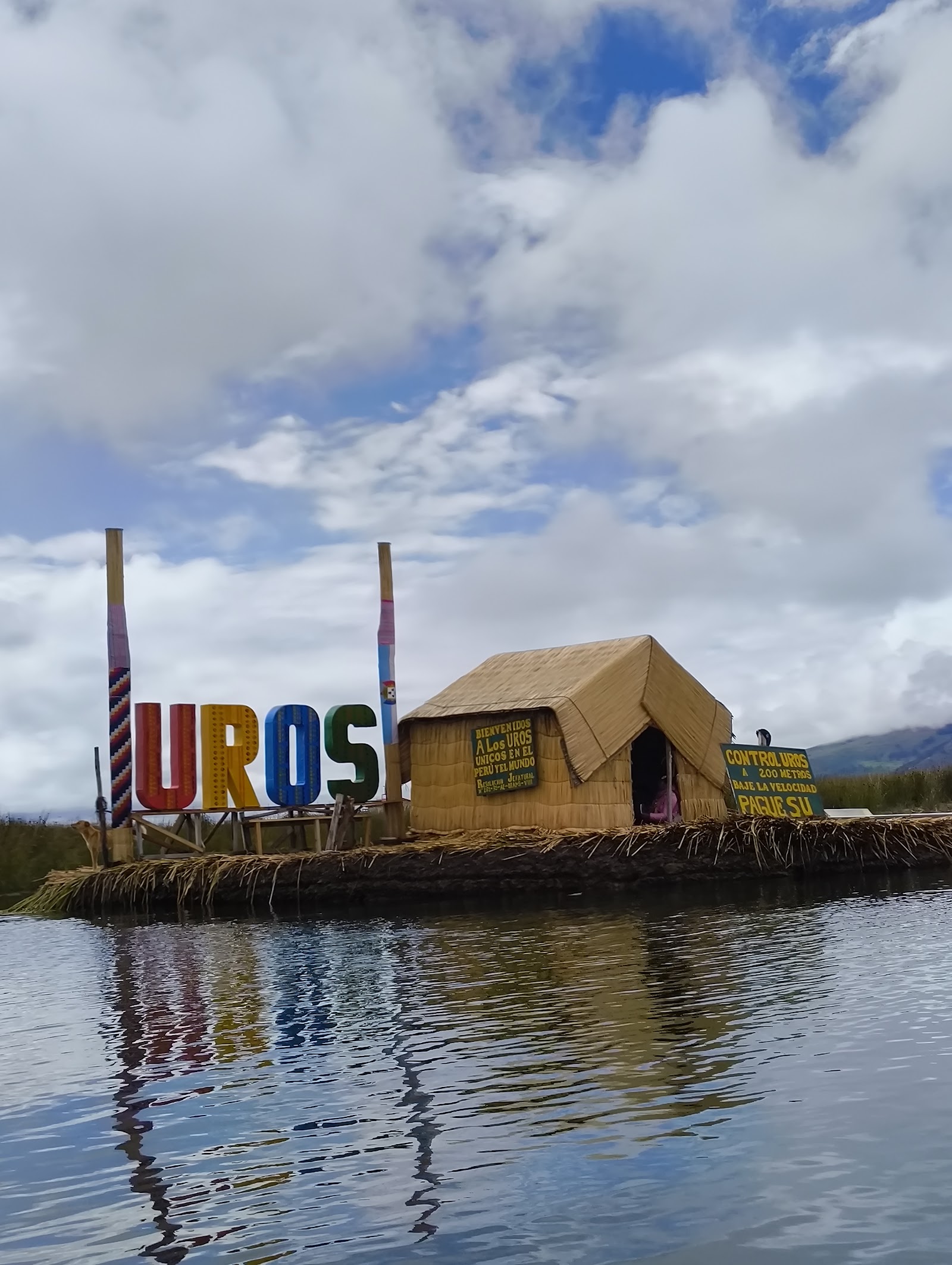
Boats leave Puno port from around 7 am; the crossing takes twenty minutes. A basic half-day tour runs about 30 soles; the public ferry is 10 soles. Budget an additional S/8 entry fee per person. Dry season (May–October) brings the clearest skies, though nights drop near freezing.
From May through October, days are bright and dry with temperatures around 16°C, but nights can fall to freezing, so layers matter. The rainy season (November–April) brings warmer nights but frequent afternoon storms — thunder, lightning, and real waves on the lake.
Where is Islas Flotantes de los Uros?
More tickets & tours for Islas Flotantes de los Uros
Book directly at the provider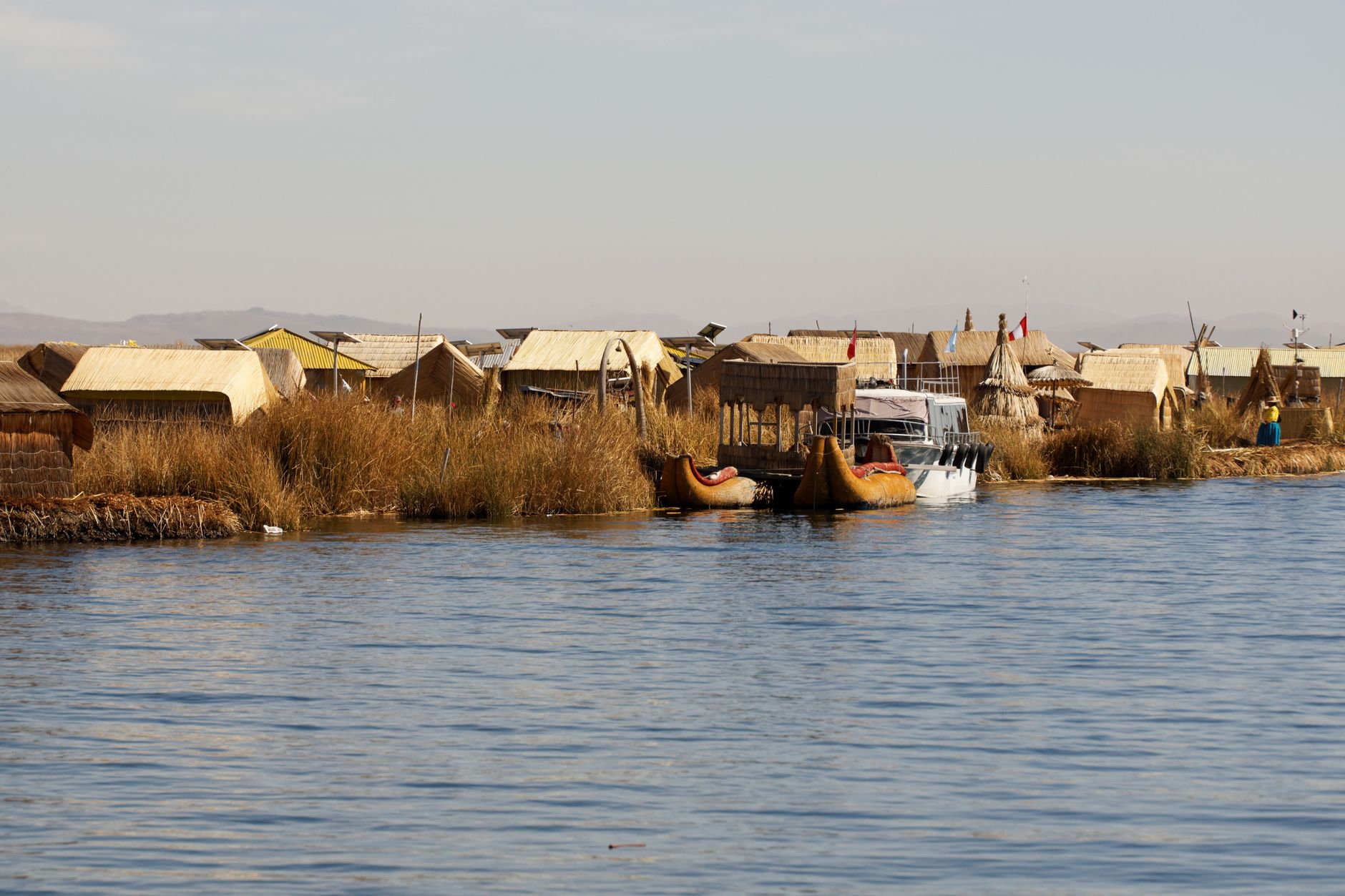
What travellers say about Islas Flotantes de los Uros
The Uros Islands (Islas de los Uros) on Lake Titicaca are a truly unique cultural and natural experience. These floating islands are made entirely of totora reeds, which the Uros people have used for centuries to build their homes, boats, and the islands themselves. Visiting gives you a fascinating glimpse into their traditional way of life, while also showing how they balance heritage with modern tourism. The islands are small and can feel quite tourist-oriented, but the hospitality of the local families is warm, and the setting on the high-altitude lake is breathtaking. A boat ride on a traditional reed boat adds to the charm. It’s best visited with an open mind, appreciating both the cultural showcase for visitors and the resilience of the community. Ideal for travelers interested in indigenous culture, history, and unique landscapes.
Ok i totally recommend a private tour of the islands, you can it cheap online, ours included kayaks, boat ride, traditional meal, crafts and a wonderful demonstration of the Uros way of life. The afternoon tour was gorgeous as we saw the sunset on our way back. Check them out! We Loved it!
If you get a chance to visit the floating islands of Uros, please do! We didn’t know what to expect during our visit, but it was definitely one of the most unique cultural experiences that we have had in our travels. There are many floating lodges in these islands where you can stay to relax and enjoy the local culture and the experience of living life in the lake. We visited several islands, and had a cultural demonstration as well as meeting the “locals”, followed by a reed boat tour. Most lodges are “glamping” style places that are authentic and comfortable. Be sure to add this to your travel agenda when you visit Peru!
First, let me tell you that those people don't really live on Uros Islands, it's just a show. We confirmed that by staying overnight and also talking with locals in Puno. The only people that stay there overnight are people that rent out lodges. It's a tourist trap, if you go on a tour it's just a giant sales pitch where they try to sell you souvenirs you can buy in puno 80% cheaper. Of course they claim they made them themselves. The lodge that we rented turned out to be twice the price because we had to pay 100 soles for the transfer in that tiny boat in the picture. For reference, organized 3h tours from Puno are 20 soles, and if you go directly to the "harbor" you can find them for 10. Plus you pay 5 soles per person for the lake entry tickets, and then if you want dinner, it's set menu of children meal size that is 40 soles per person (12 soles in Puno). My advice is to go and visit if it's your bucket list thing, but don't feel obliged to buy anything, they're literally scammers that use the opportunistic business practices and isolated location to squeeze anything they can from you.
Sadly this is a tourist trap. They will sell cheap boat rides to take you to the Uros, and then make you either wait in the sun, trapped on the island for an hour, or pay additional money to get a more expensive boat ride, eat at an expensive restaurant, and buy souvenirs. At least there is good cell reception, so all the people in our group who had to wait the hour could entertain themselves.
More of Lake Titicaca
Discover where to stay, what to do and the best deals for your trip.
Explore Lake Titicaca →Background adapted from Wikipedia (CC BY-SA) · map data © OpenStreetMap contributors · ratings & place photos via Google · other photos with per-image credit. Ticket links may earn us a commission at no extra cost to you.