
Grand Est (Alsace-Champagne-Ardenne-Lorraine)


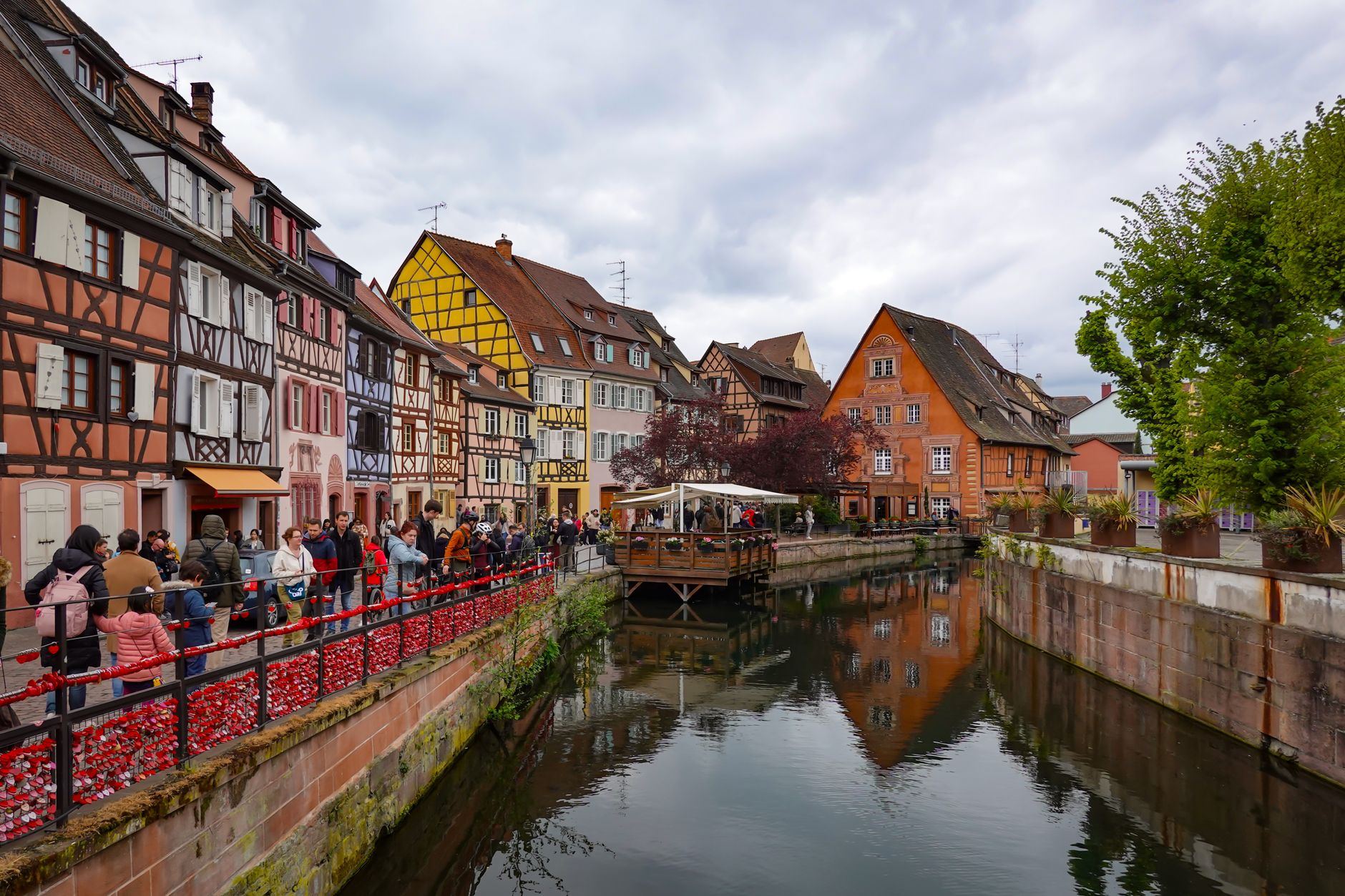


Grand Est is where France gets complicated in the best way. This is the region that has changed hands between empires, absorbed three distinct identities — Alsace, Lorraine, Champagne-Ardenne — and still hasn't quite settled into a single self. You can drink Champagne in Reims, eat choucroute in Strasbourg, and stand in front of the stained glass at Metz Cathedral — 6,500 square metres of it — all within the same long weekend.
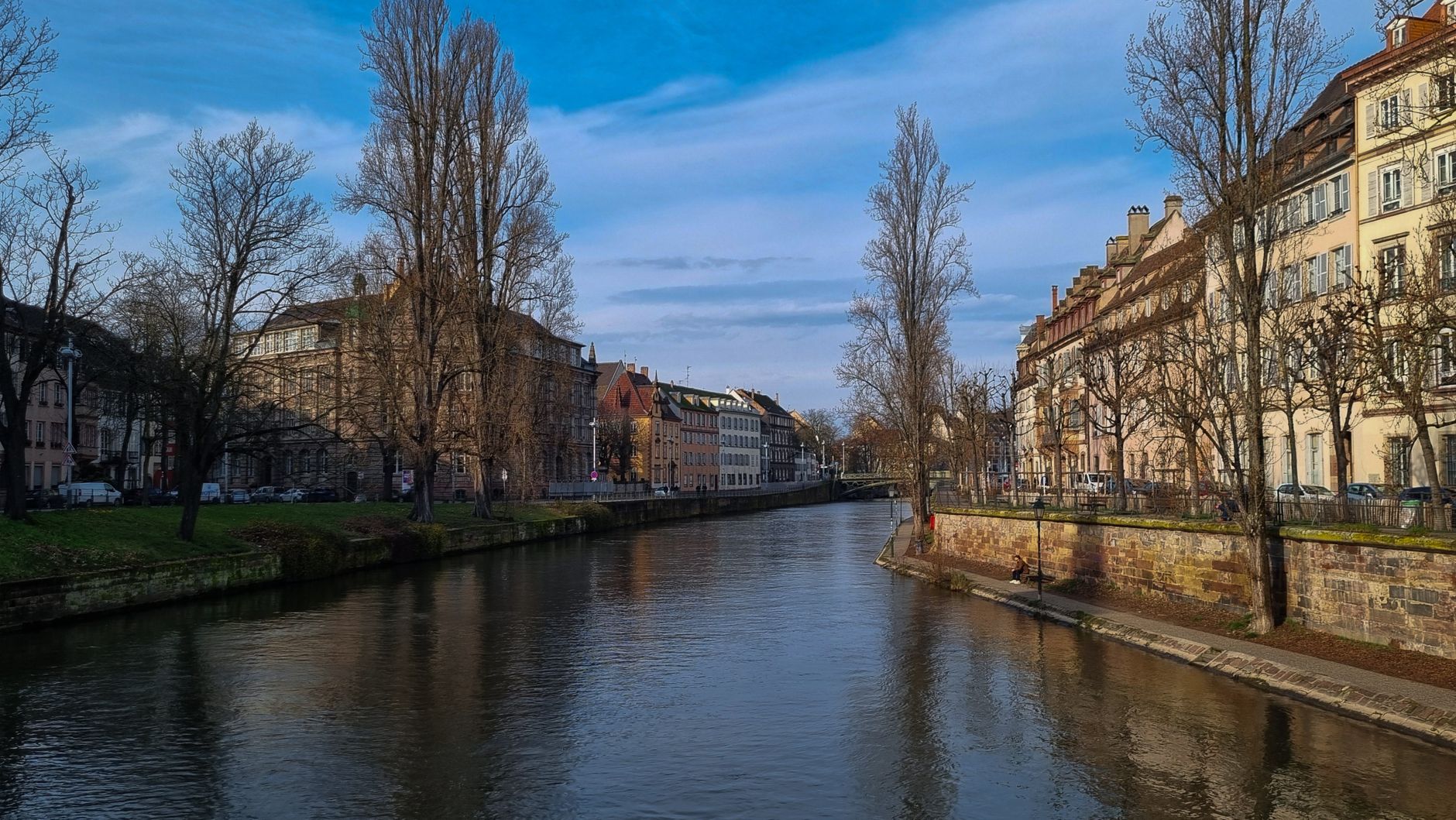
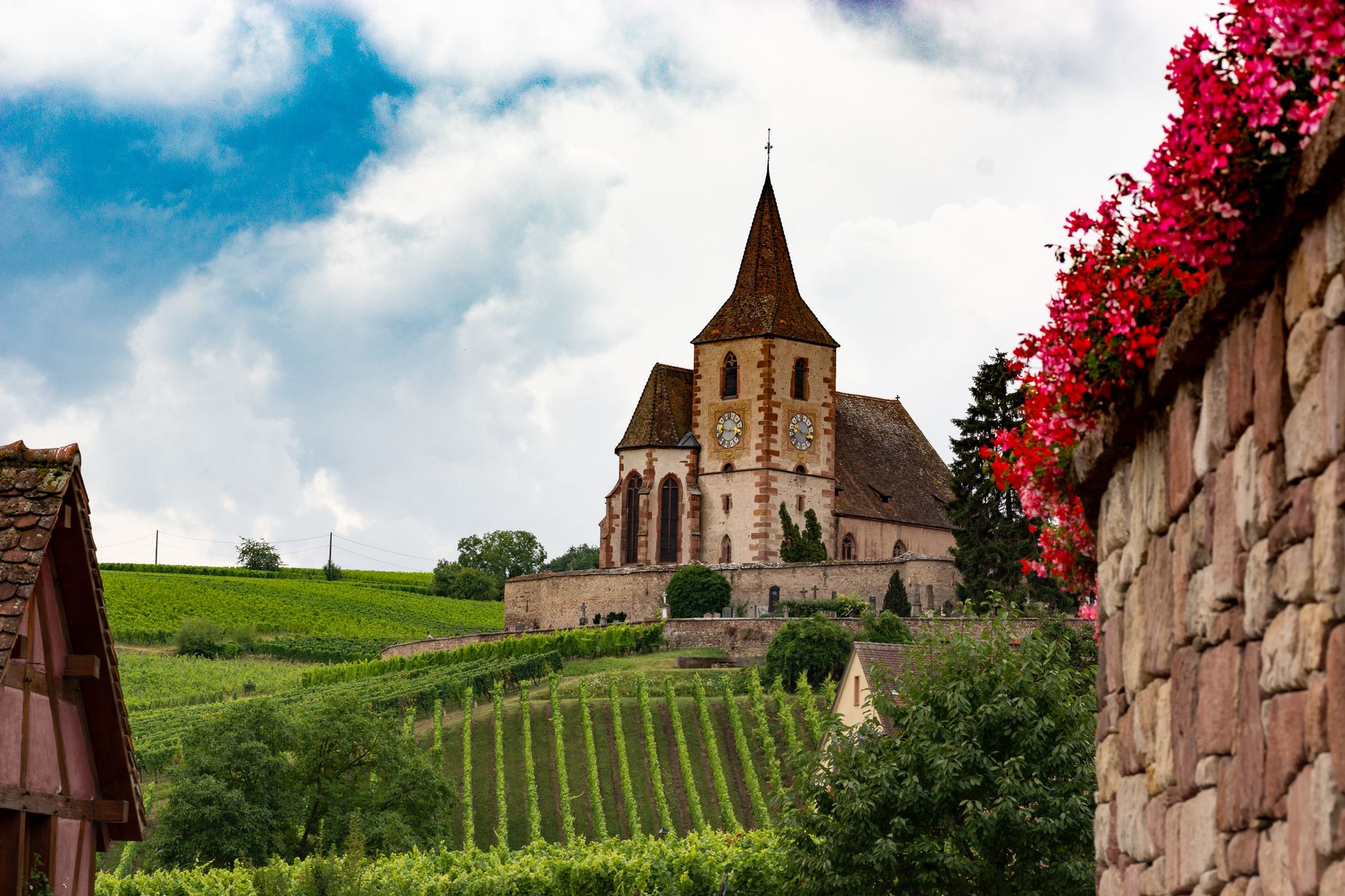
The region runs from the vine-covered slopes above the Rhine to the chalky plains around Troyes, taking in Gothic cathedrals, canal-laced medieval towns, and forested Vosges ridgelines studded with castle ruins. It rewards slow travel and a certain curiosity about borders.
Experiences you don't want to miss



How Grand Est (Alsace-Champagne-Ardenne-Lorraine) came to be
The name Grand Est is newer than almost anything you'll see here. Three former regions — Alsace, Champagne-Ardenne, and Lorraine — were merged by a 2014 territorial reform that took effect on 1 January 2016. Residents voted to call it Grand Est, rejecting the clunky acronym ACAL. Alsatians, for their part, largely opposed the merger, and by 2021 Alsace had negotiated its own distinct administrative status as the European Collectivity of Alsace.
The ground beneath those bureaucratic decisions carries much older weight. Clovis I was baptised in Reims in 496. Strasbourg was captured by Louis XIV in 1681 and formally absorbed into France by the Treaty of Ryswick in 1697. Joan of Arc was born in Lorraine in 1412. The Alsatian Décapole — a confederation of ten free cities under the Holy Roman Empire — dates to 1354. History here is not decorative; it's structural.
Who and what shaped it
People who shaped it
Landmark buildings
See Grand Est (Alsace-Champagne-Ardenne-Lorraine) in motion
Plan your visit
On the map
When to go
Summers are warm and generally dry enough for outdoor travel, though the region sits far enough east that rain is possible year-round. Winters are cold, often grey, and occasionally snowy — which suits the Christmas markets of Strasbourg and Colmar well enough, but makes castle-hopping less appealing.
↡ Cities
No places match these filters.
Background & history adapted from Wikipedia (CC BY-SA) · specs from Wikidata (CC0) · weather from Open-Meteo · map data © OpenStreetMap contributors · photos from Wikimedia Commons / Unsplash with per-image credit. No third-party reviews or social posts reproduced.