
Gohrisch
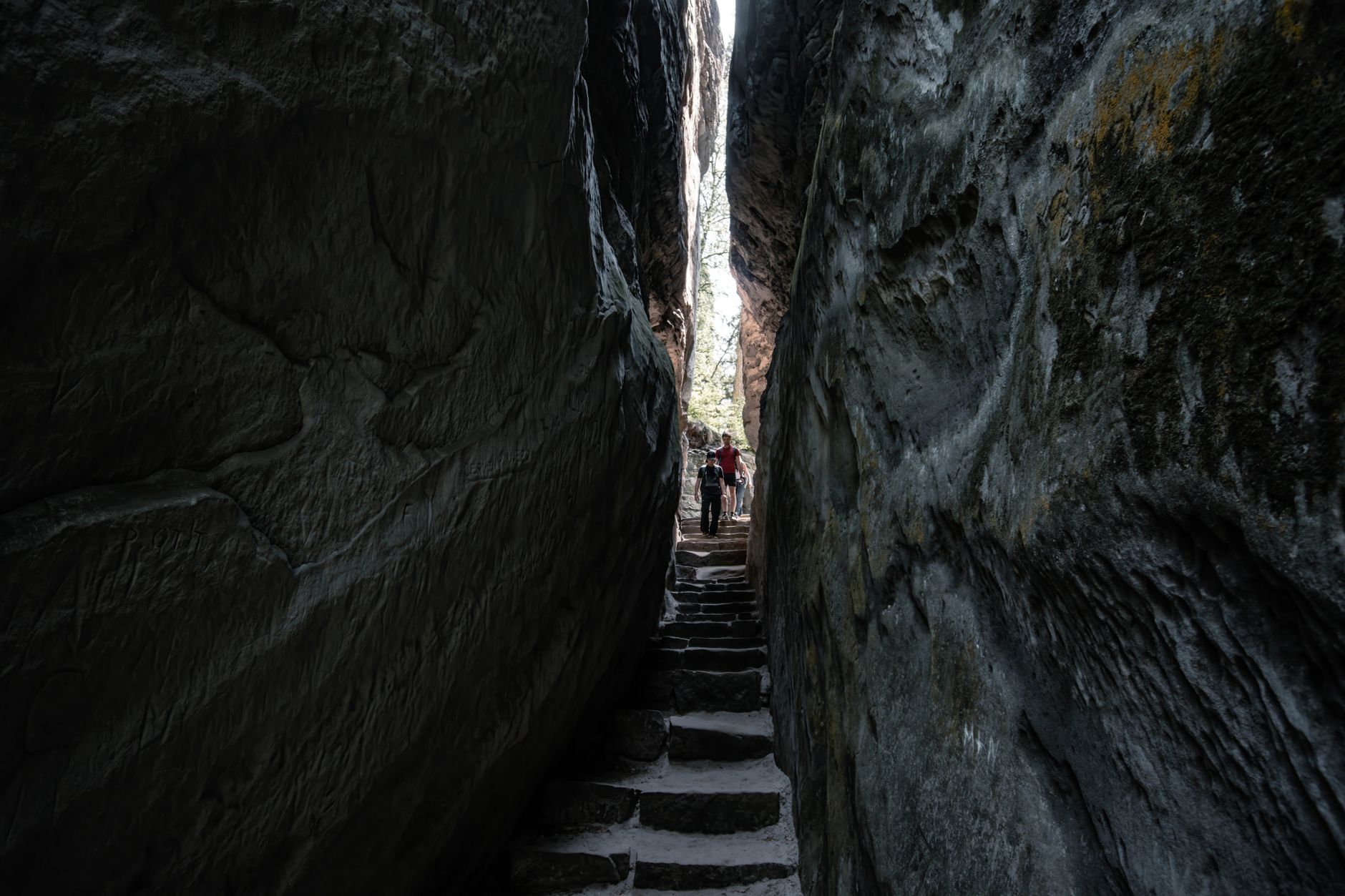
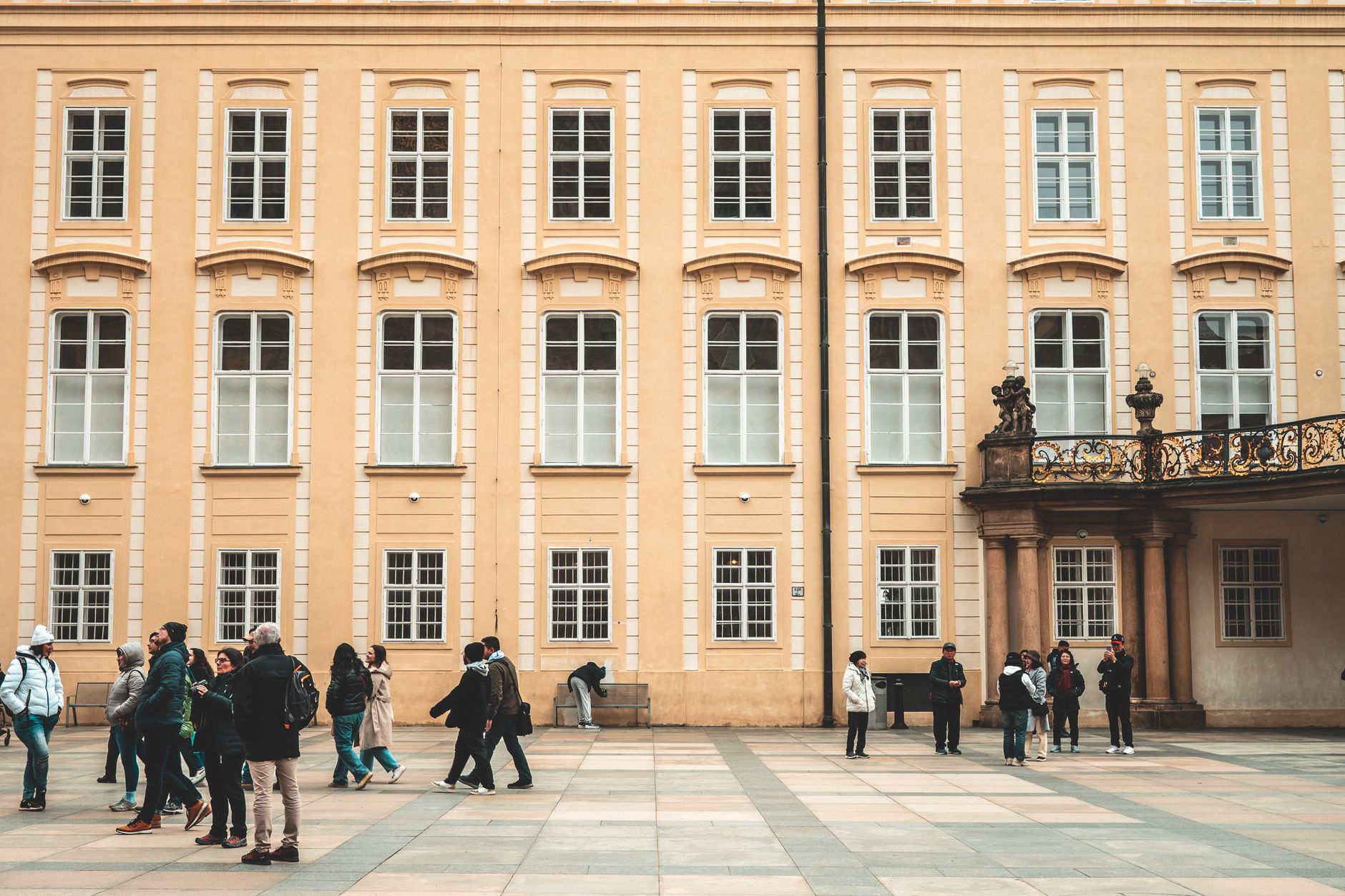
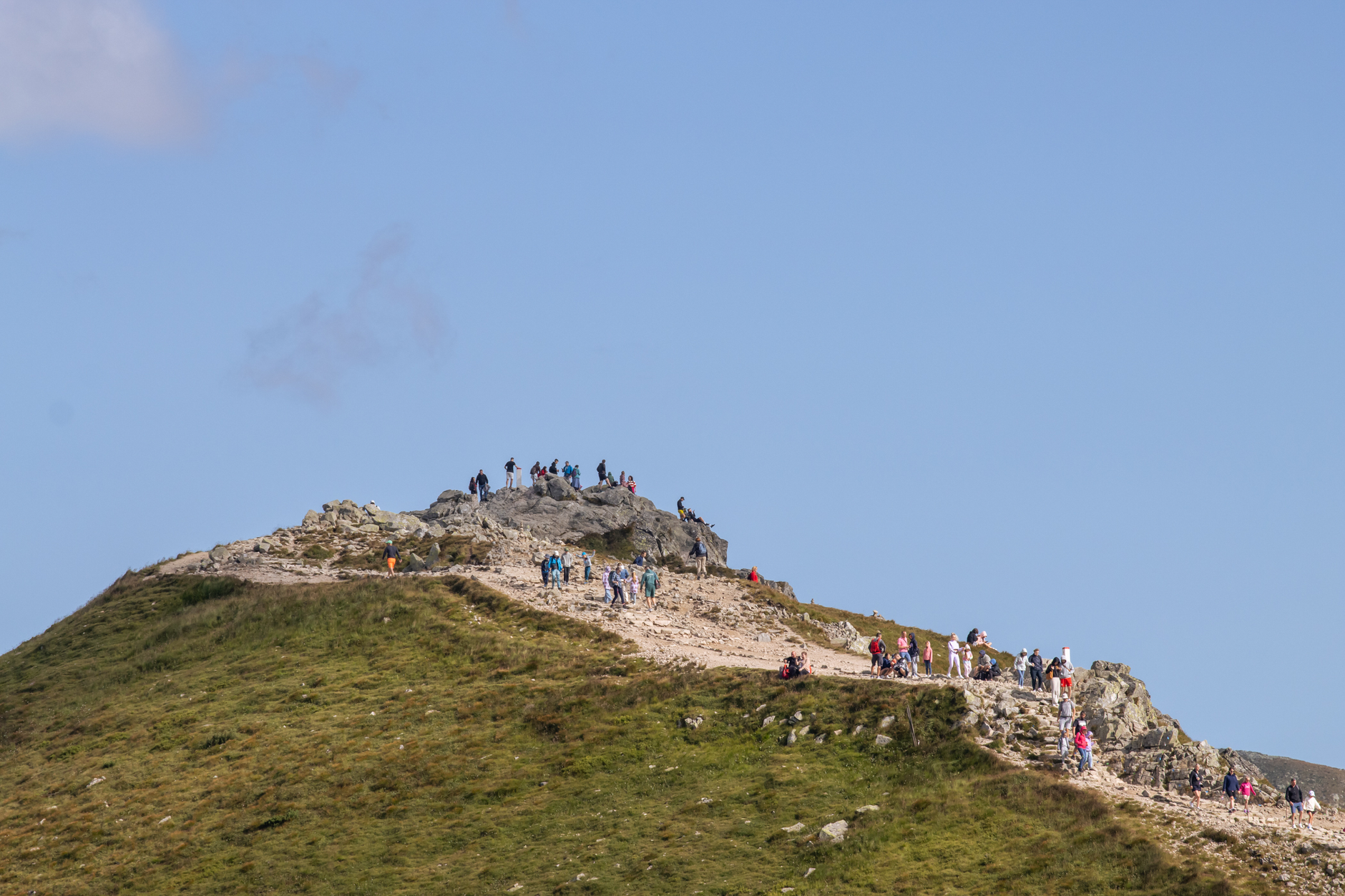
Gohrisch sits on a plateau above the Elbe valley, surrounded by the sandstone table hills that give this corner of Saxon Switzerland its local nickname: the Region of Rocks. The Gohrischstein, Papststein, Spitzstein and their neighbours rise from the forest like furniture left by a giant, and on a clear day you can read the outline of Königstein Fortress on the opposite ridge.
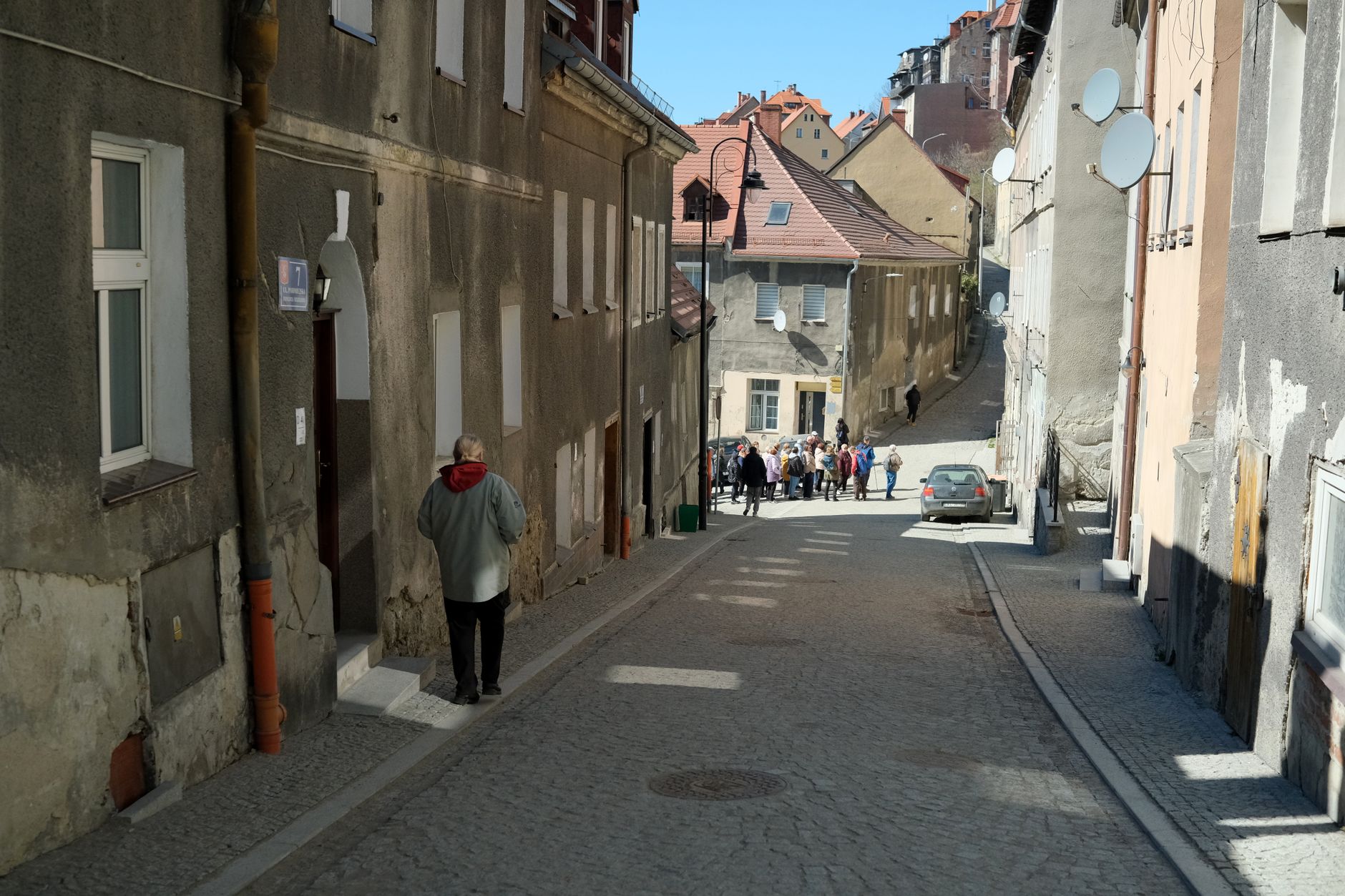
The town itself carries the quiet authority of Saxony's first climatic health resort — spa-era villas behind garden fences, well-kept green spaces, and a pace that seems deliberately set against urgency. The Speckstein Gallery on the Gohrisch's eastern flank is a reminder that people were digging into these rocks long before anyone came here to breathe the air.
💛 What travellers fall for
People who come back tend to time it around the International Shostakovich Days, held each year since 2010 — chamber music in a landscape that directly shaped one of the 20th century's most personal quartets. Between concerts, the forest pool in Cunnersdorf turns out to be exactly the right place to spend an afternoon.
Deals in Gohrisch
Book directly at the provider
How Gohrisch came to be
Gohrisch earned its designation as Saxony's first climatic health resort in the 19th century, when the sandstone plateau's clean air drew summer visitors away from the valley towns. The spa architecture that followed — the villas, the promenades, the careful planting — still defines the streetscape of Kurort Gohrisch today.
In July 1960, Dmitri Shostakovich stayed in Gohrisch and, in three days, composed his String Quartet No. 8 — a work saturated with autobiography and widely considered one of his most significant pieces. The International Shostakovich Days festival, running annually since 2010, keeps that connection alive and has quietly made this small plateau town a point of pilgrimage for chamber-music listeners.
Who and what shaped it
People who shaped it
Landmark buildings
See Gohrisch in motion
Plan your visit
On the map
When to go
July is the warmest month at around 19°C — good walking weather, though June tends to be drier. January dips just below freezing on average, and the plateau can hold mist through November, when humidity peaks; winter visits trade colour for solitude and snow-dusted rock formations.
Right now
Background & history adapted from Wikipedia (CC BY-SA) · specs from Wikidata (CC0) · weather from Open-Meteo · map data © OpenStreetMap contributors · photos from Wikimedia Commons / Unsplash with per-image credit. No third-party reviews or social posts reproduced.