
Fjallabak Nature Reserve
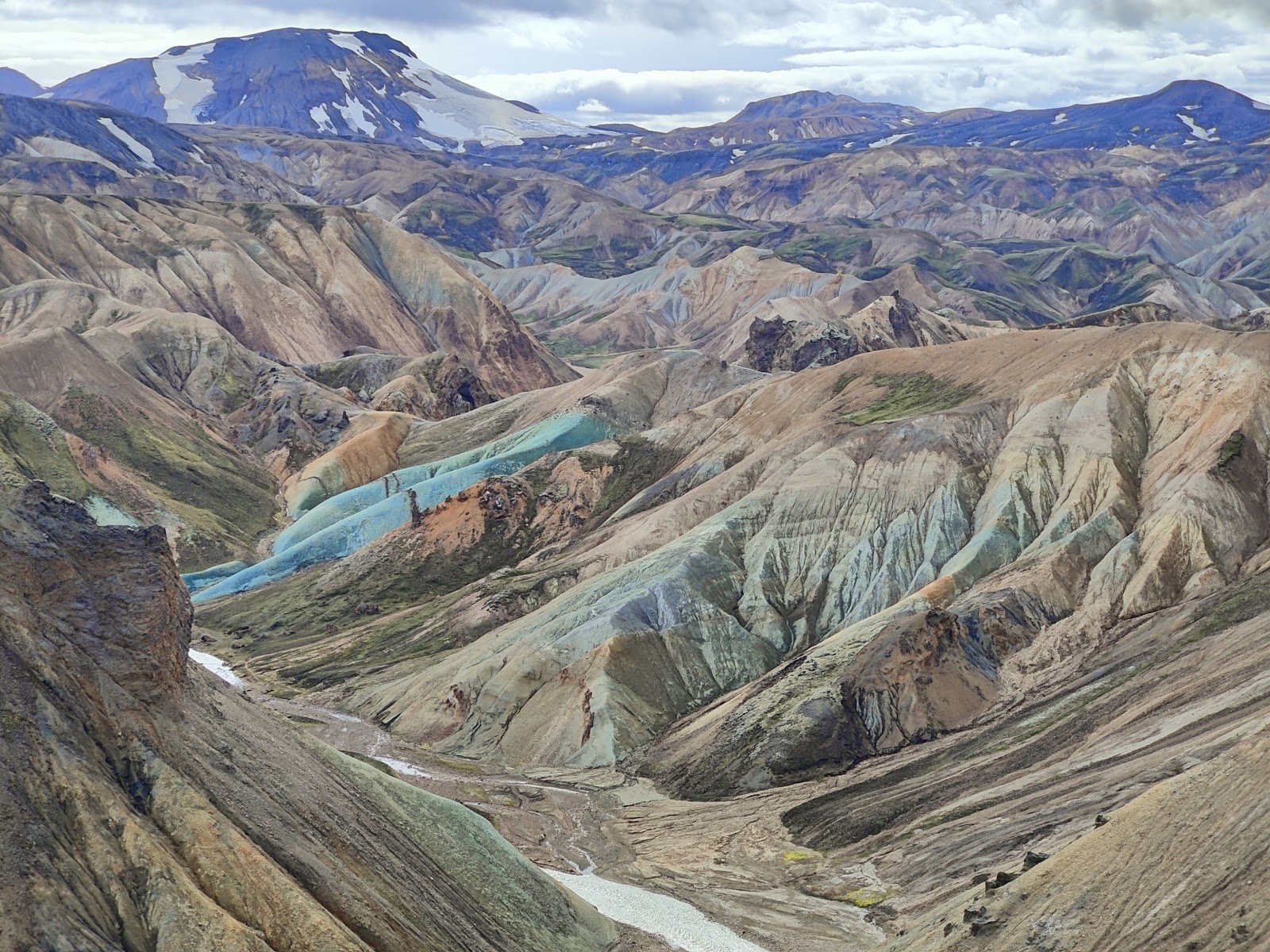
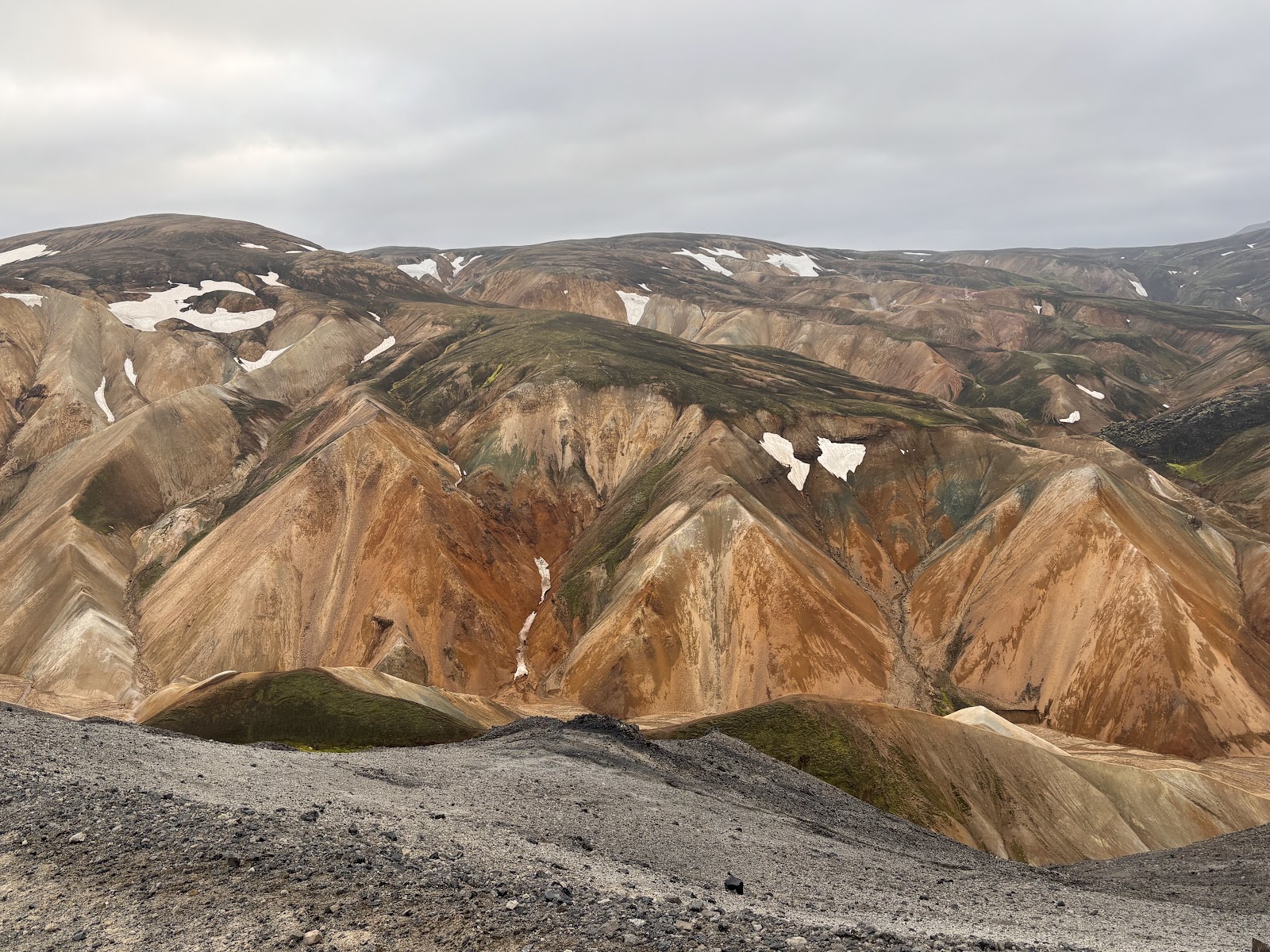
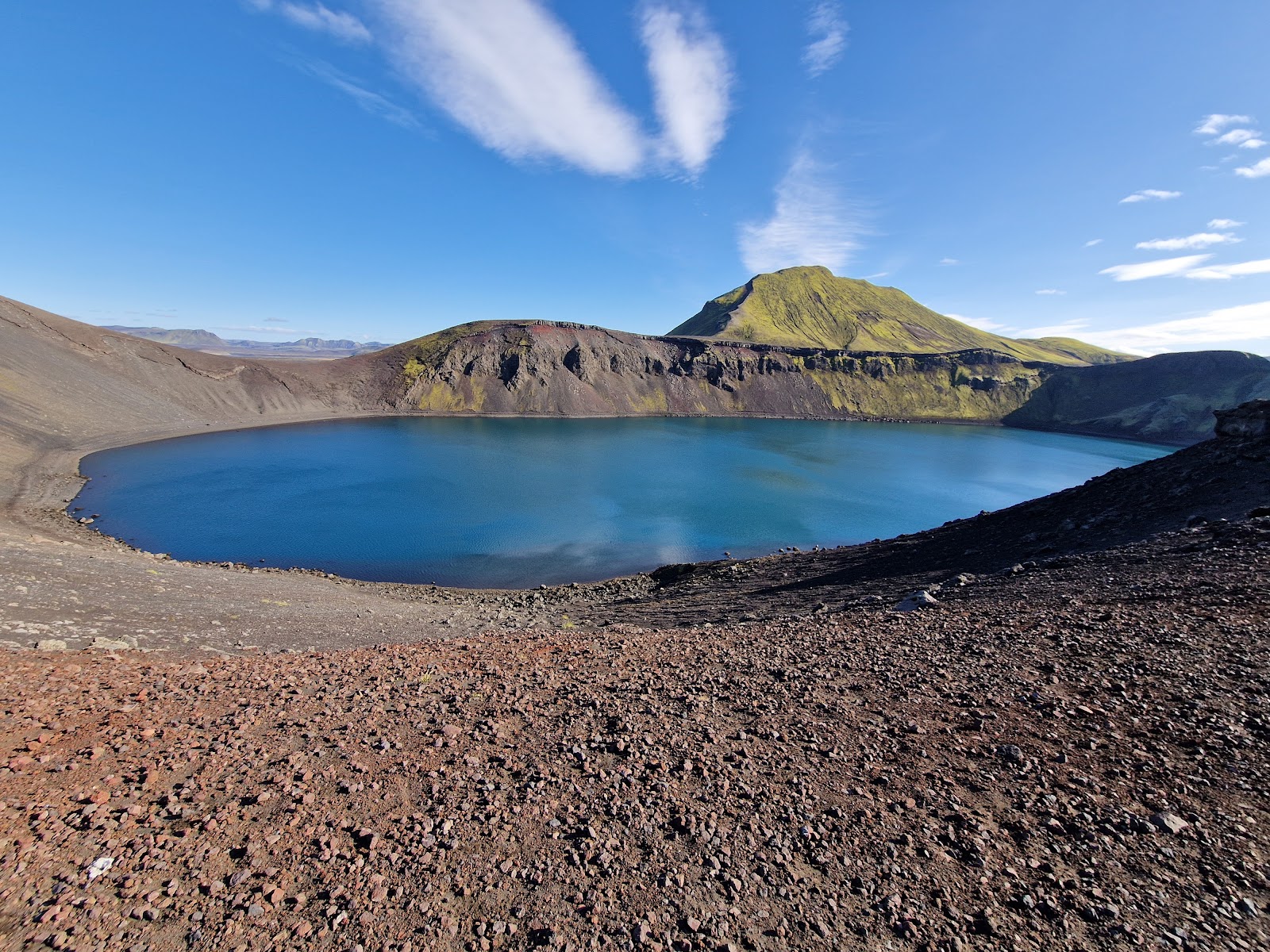
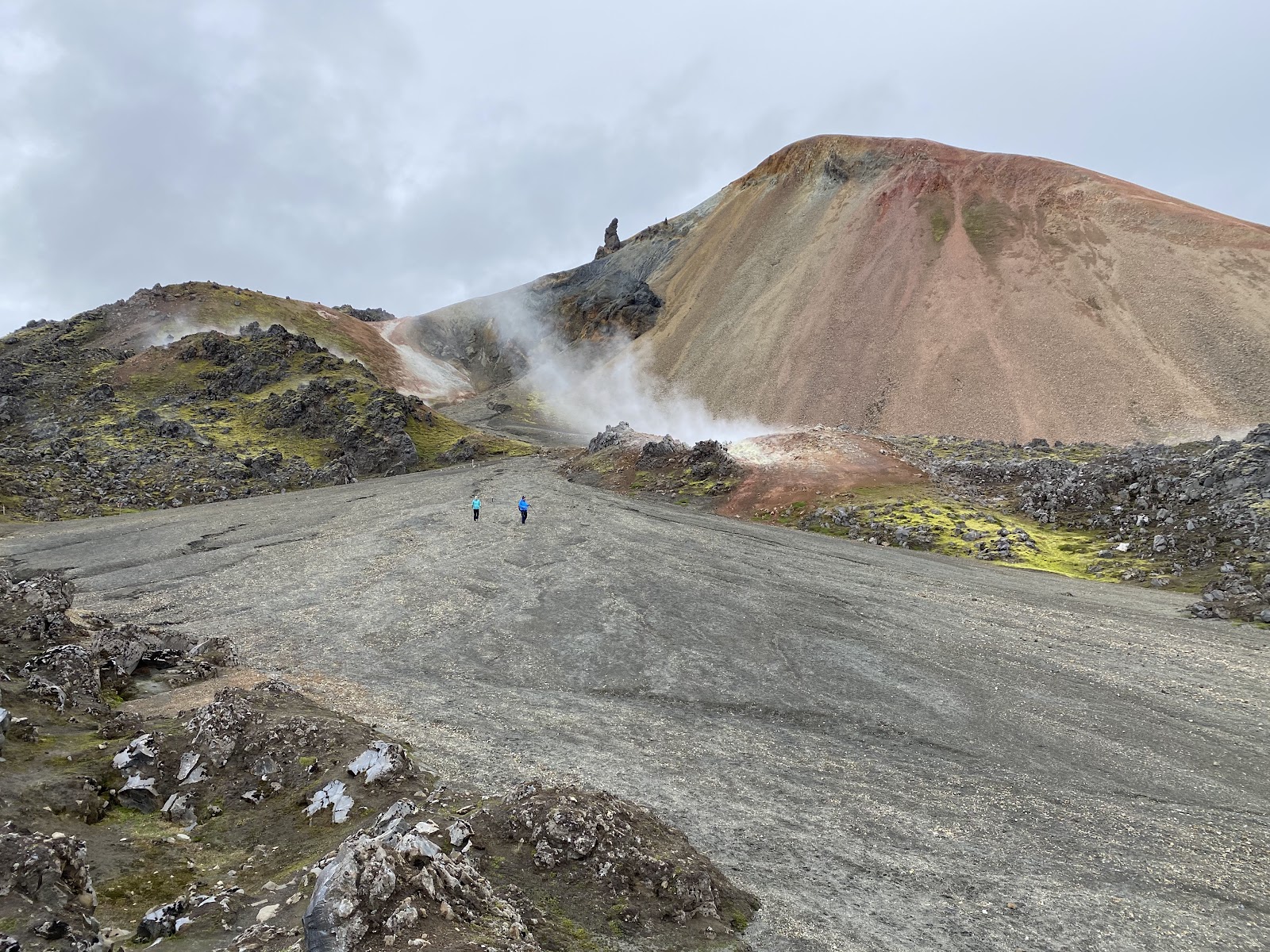
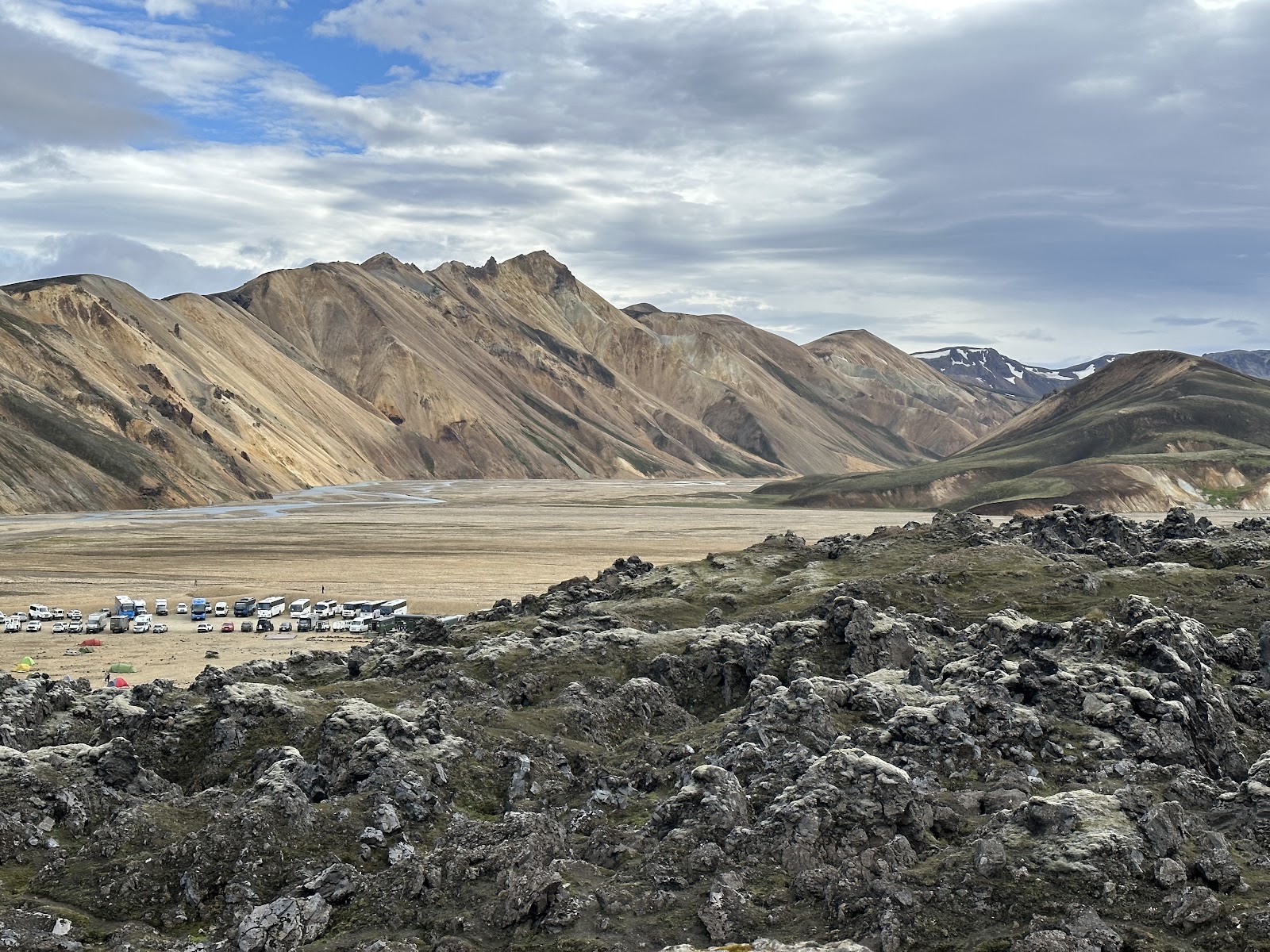
The name Fjallabak — roughly 'behind the mountains' — tells you exactly what this place is: a 470-square-kilometre highland interior that Iceland's coastal settlements long kept at arm's length. The landscape here is the result of millennia of volcanic argument: obsidian lava fields, rhyolite ridges striped red and yellow and green from mineral alteration, explosion craters, and the vast gash of Eldgjá canyon, forty kilometres long and formed in a single fissure eruption around 939 AD.
At the centre of it all sits Landmannalaugar, where geothermal water seeps up through the lava and you can soak in a warm stream while snow patches hold on the hills above. The reserve became officially protected in 1979, but Icelanders had been crossing it on horseback for centuries before that.
💛 What travellers fall for
People who return tend to say the same thing: don't rush Eldgjá. Most day visitors see Ófærufoss and turn back, but the canyon keeps going, and the light inside it in the late afternoon is something else. Also — bring more layers than you think you need, and eat before you arrive. There is no shop.
The story behind Fjallabak Nature Reserve
Icelanders have known this interior since the settlement period, using geothermal springs at Landmannalaugar as rest stops on foot and horseback routes connecting communities across the highlands. Permanent habitation was never viable — the terrain and climate made sure of that — so the land remained wild while the routes across it stayed well-worn.
The volcanic landscape people move through today was largely shaped by an eruption in 1480, which produced the Laugahraun lava field. Eldgjá canyon predates that by five centuries, formed around 939 AD in one of the largest fissure eruptions in recorded history. Formal protection came in 1979, when the reserve was established — late recognition for a place Icelanders had quietly depended on for a thousand years.
Good to know
Access is by F-roads only, requiring a 4x4; river crossings make this non-negotiable. Roads typically open late June through early September. Highland buses run from Reykjavík if you're without a suitable vehicle. Budget two to three days minimum. Parking at Landmannalaugar costs around 1,500 ISK; everything else is free.
July and August bring temperatures between 5 and 14°C, nearly twenty hours of daylight, and the best road conditions — though even in midsummer the weather can shift from clear to cold and foggy within an hour, and temperature drops of 20°C in a single afternoon are not unusual. Outside the June-to-September window, the F-roads close and the reserve is inaccessible under snow and ice.
Where is Fjallabak Nature Reserve?
More tickets & tours for Fjallabak Nature Reserve
Book directly at the provider
What travellers say about Fjallabak Nature Reserve
One of Iceland’s most breathtaking and untouched regions, encompassing the dramatic highlands around Landmannalaugar. The name translates to “Behind the Mountains,” and it fits perfectly — this is a place of raw, remote beauty where colorful rhyolite peaks, black lava fields, and steaming geothermal vents meet in stunning contrast. The reserve feels almost otherworldly, like a hidden world sculpted by volcanic fire and glacial ice. Covering hundreds of square kilometers, Fjallabak offers an unparalleled variety of landscapes — from vividly painted mountains and crystal-clear rivers to moss-covered valleys and natural hot springs. It’s a haven for hikers, photographers, and anyone seeking solitude in Iceland’s wild heart. The famous Laugavegur Trail runs through the reserve, connecting Landmannalaugar to Þórsmörk and offering some of the most diverse terrain in the country. Even shorter day hikes reveal an endless palette of colors and textures. Because it lies deep in the Highlands, reaching Fjallabak requires a 4x4 vehicle via rugged F-roads, often involving river crossings and unpredictable weather. The reserve is typically accessible only from late June to early September, as snow and flooding make the area impassable outside that window. Visitors should come well-prepared with extra layers, food, and navigation tools — this is true wilderness, with limited facilities once inside. What makes Fjallabak so special is its sense of remoteness and purity. Despite its growing popularity, it remains a place where nature dominates completely — vast, silent, and humbling. Standing among its painted hills and steaming vents, you can’t help but feel small and deeply connected to the raw forces that shaped Iceland itself.
Absolutely amazing place. Great hikes. The colors of the mountains sure stunning as is the view from one of the mountaintops. I would tell you which one we climbed but I am terrible with Icelandic names. After your walk you can have a nice soak in a natural heated pool. Quite busy in summer though.
We had a wonderful day here with the best 3-4 hour hike in a long time. There was always something new, of rare beauty around the corner and the elevation and rocky path made it anything but dull.
Magical nature and a wild experience with driving up. Totally worth to go but make sure to prepare well and have a 4WD vehicle. The place reminds me to nothing but Mars and at the top the view is crazy. There is also a five days hike path but a lot of preparation is needed.
Amazing natural resort. So much beautiful places: mountains covered with a snow in the beginning of July, lakes between volcano craters, hot river where you can swim for free, a lot of hiking trails. You can reach park only using f-type roads, it’s allowed to drive on it only with a big 4*4 car, because you’ll need to force few rivers and drive off-road. It’s totally free to visit and to drive there.
More of Iceland
Discover where to stay, what to do and the best deals for your trip.
Explore Iceland →More attractions in Iceland
All of Iceland →
Background adapted from Wikipedia (CC BY-SA) · map data © OpenStreetMap contributors · ratings & place photos via Google · other photos with per-image credit. Ticket links may earn us a commission at no extra cost to you.