
Cinque Terre National Park
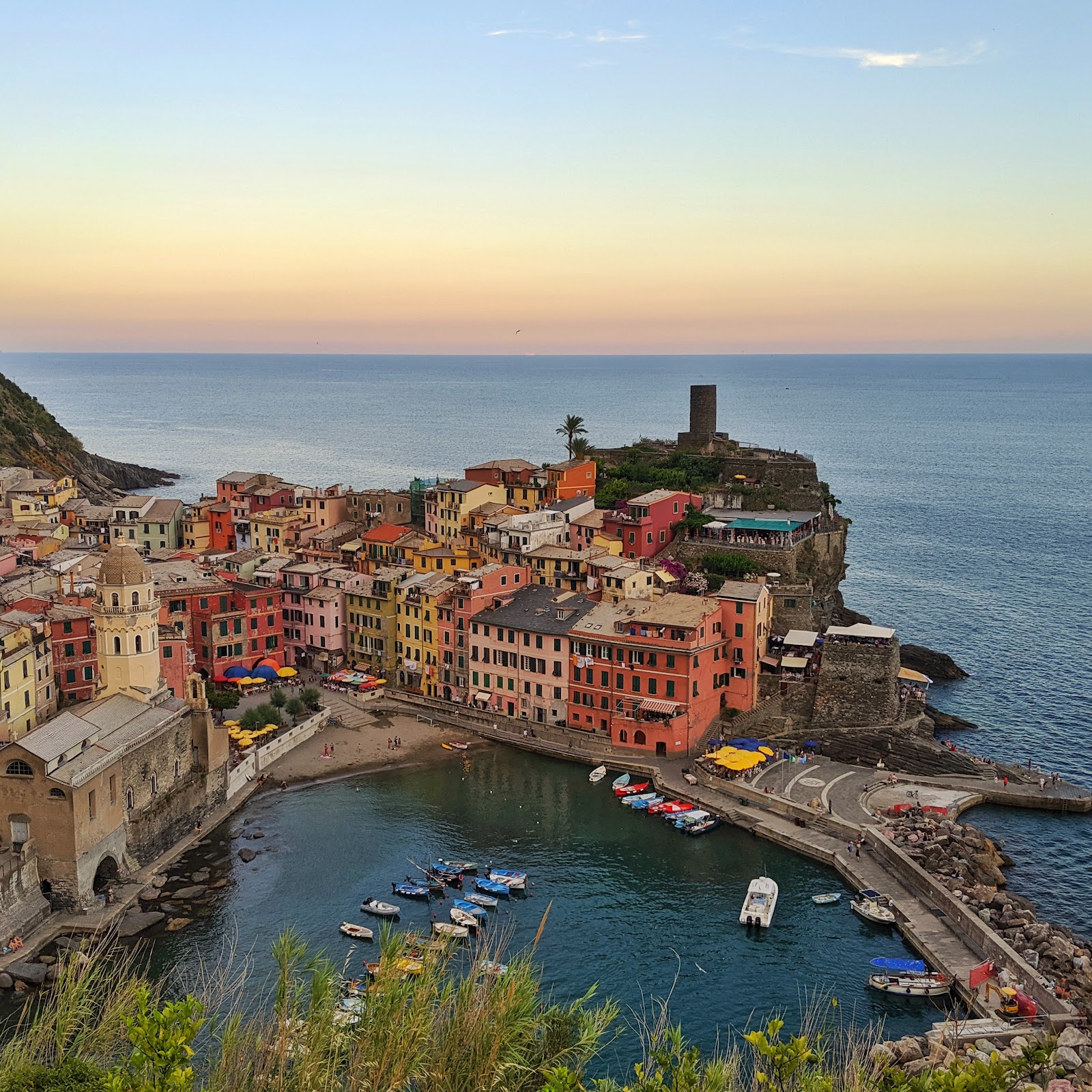
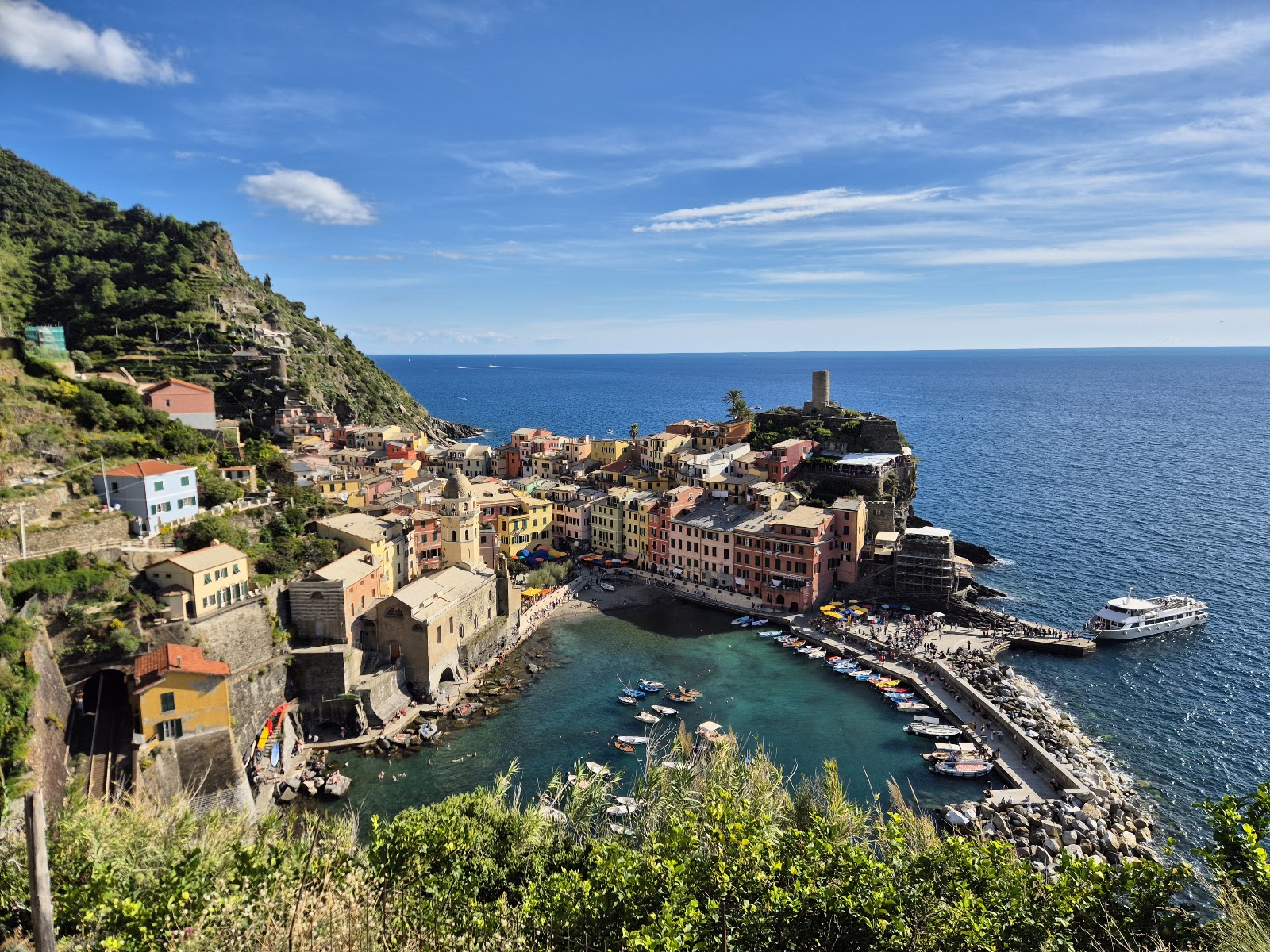
Five villages cling to cliffs above the Ligurian Sea, their terraced vineyards held in place by dry-stone walls that farmers have been rebuilding by hand for centuries. The Cinque Terre National Park — established on 6 October 1999, though UNESCO recognised the landscape two years earlier — exists largely to protect that labour: the walls, the footpaths between them, and the particular way the land has been shaped by people who had no other choice but to farm vertically.
The park covers not just the villages themselves but the sea floor below and the hillsides above, a single protected system running roughly from Monterosso al Mare in the north to Riomaggiore in the south. The Cinque Terre Express links them in about five minutes by rail; the trails overhead take considerably longer, and that is the point.
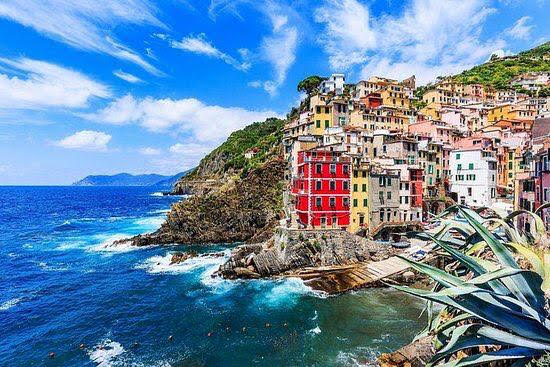
💛 What travellers fall for
People who return tend to arrive in May before the summer compression sets in, take the train to Corniglia first, and walk south rather than north. The Monterosso–Vernazza section of the Sentiero Azzurro demands a paid permit and earns it — three kilometres of genuine altitude. Book the permit before you arrive; the quota fills early on clear-weather days.
The story behind Cinque Terre National Park
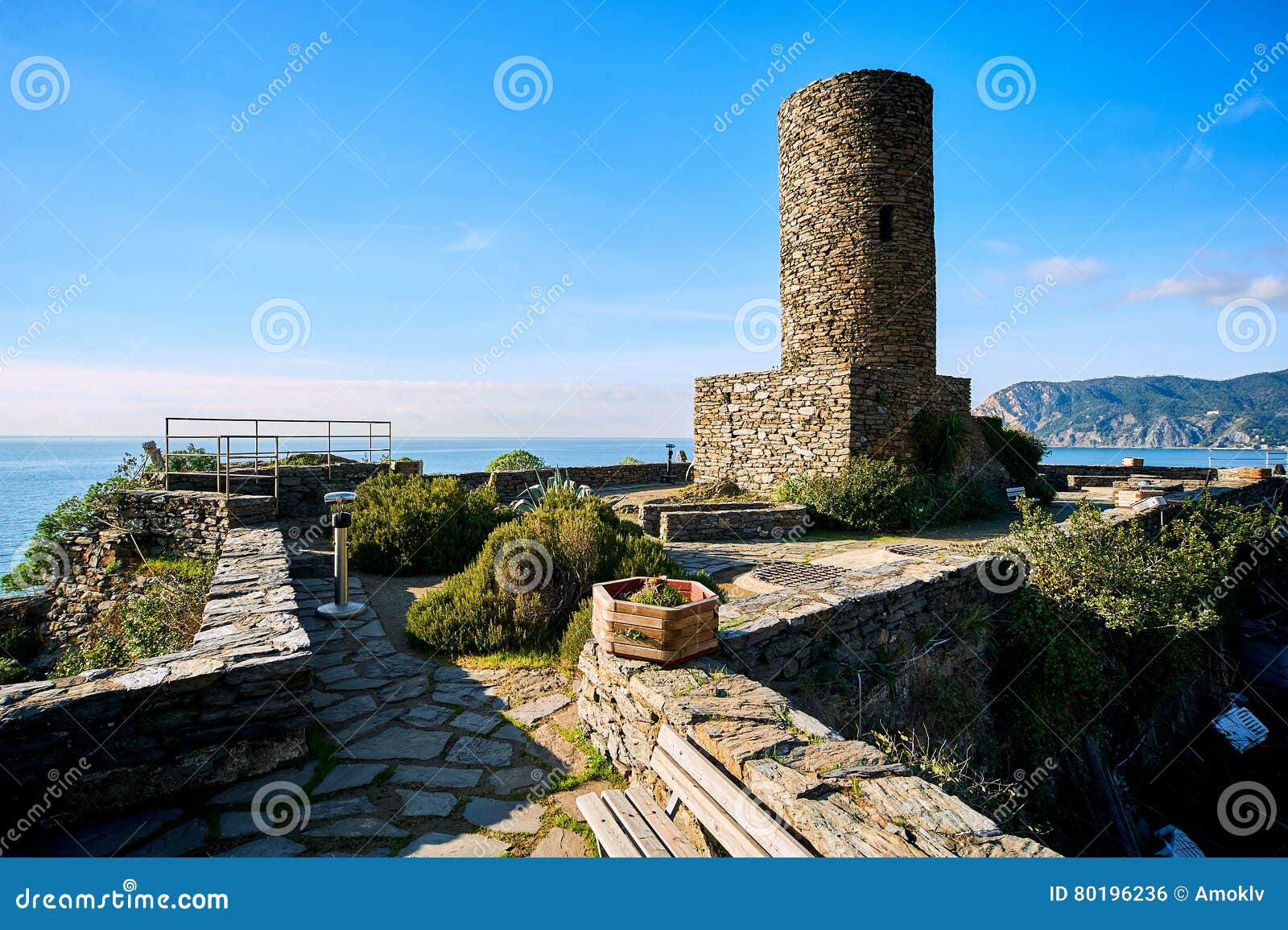
The Obertengo family, originally from Tuscany, took control of the coastline in the 11th century after pushing out Saracen raiders. By the 12th century the territory had been absorbed into the Republic of Genoa, which left its mark in the defensive towers and castle walls that still punctuate the villages — Doria Castle in Vernazza dates to the 16th century, the Aurora Tower in Monterosso to the same period, both built against piracy. The name 'Cinque Terre' itself appears in records only from the 15th century.
For most of the 20th century the villages were known mainly to locals and to the trains passing through on the Genoa–Rome line completed after Italian unification in 1870. An American travel writer's guidebook coverage in the 1970s changed that, and tourism arrived faster than the infrastructure could absorb it. On 25 October 2011, 56 centimetres of rain fell in a single day, flooding Monterosso and Vernazza and reopening older questions about how long the terraces can hold.
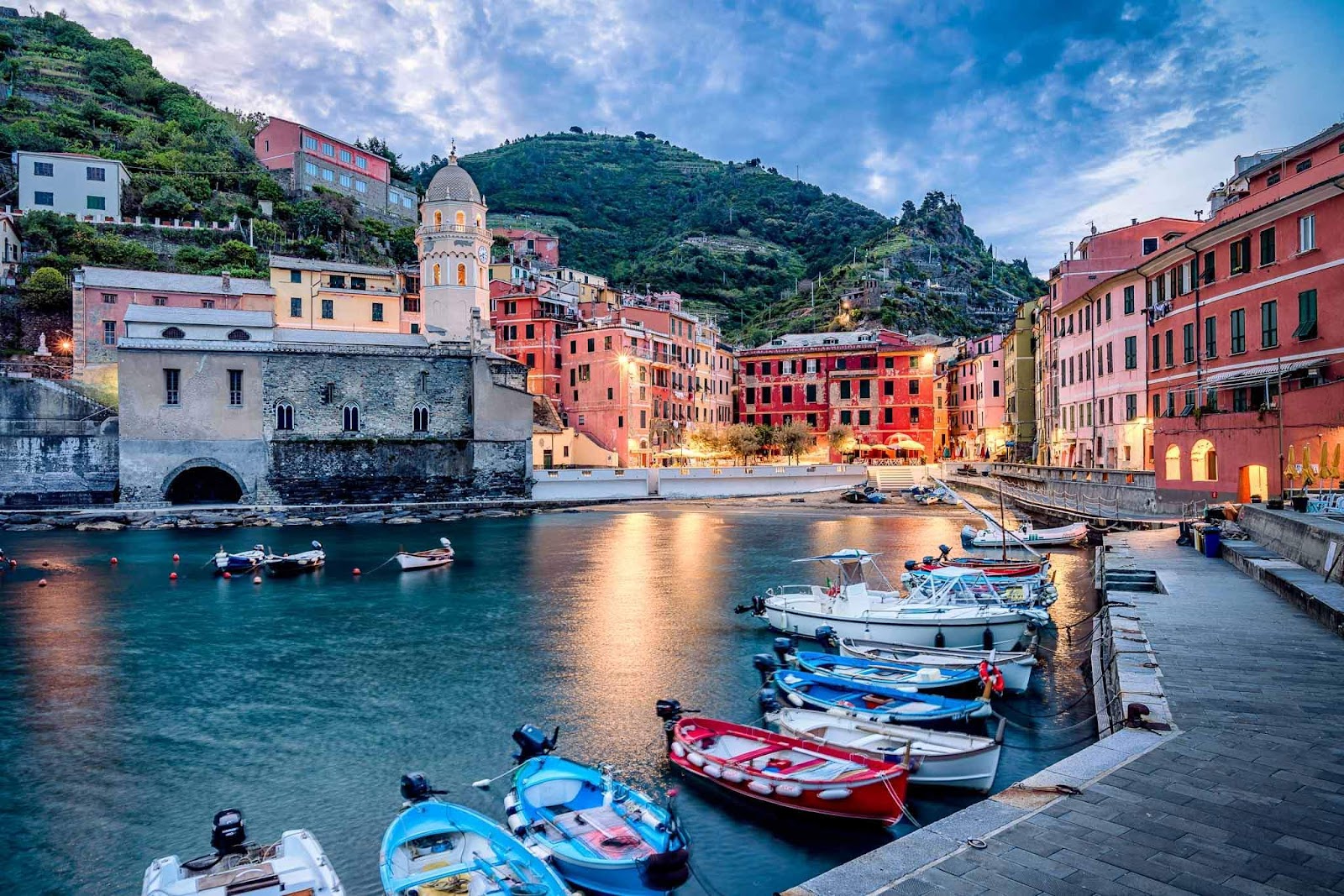
Good to know
The Cinque Terre Express runs from La Spezia every 15 minutes in peak season; single tickets are priced dynamically (€5–€10). Cars are barred from most villages. Boats run April–October. Most trails are free November–March; the Monterosso–Vernazza and Vernazza–Corniglia sections require permits year-round. Three days is a realistic minimum.
Late spring (May to early June) and early September offer the most workable combination: temperatures between 16 and 22°C, fewer people on the trails, and enough dry days to make hiking reliable. October is the wettest month by some margin, and summer — though sunny and warm, peaking around 24–25°C in July — brings the heaviest visitor loads to the trail heads.
Where is Cinque Terre National Park?
More tickets & tours for Cinque Terre National Park
Book directly at the provider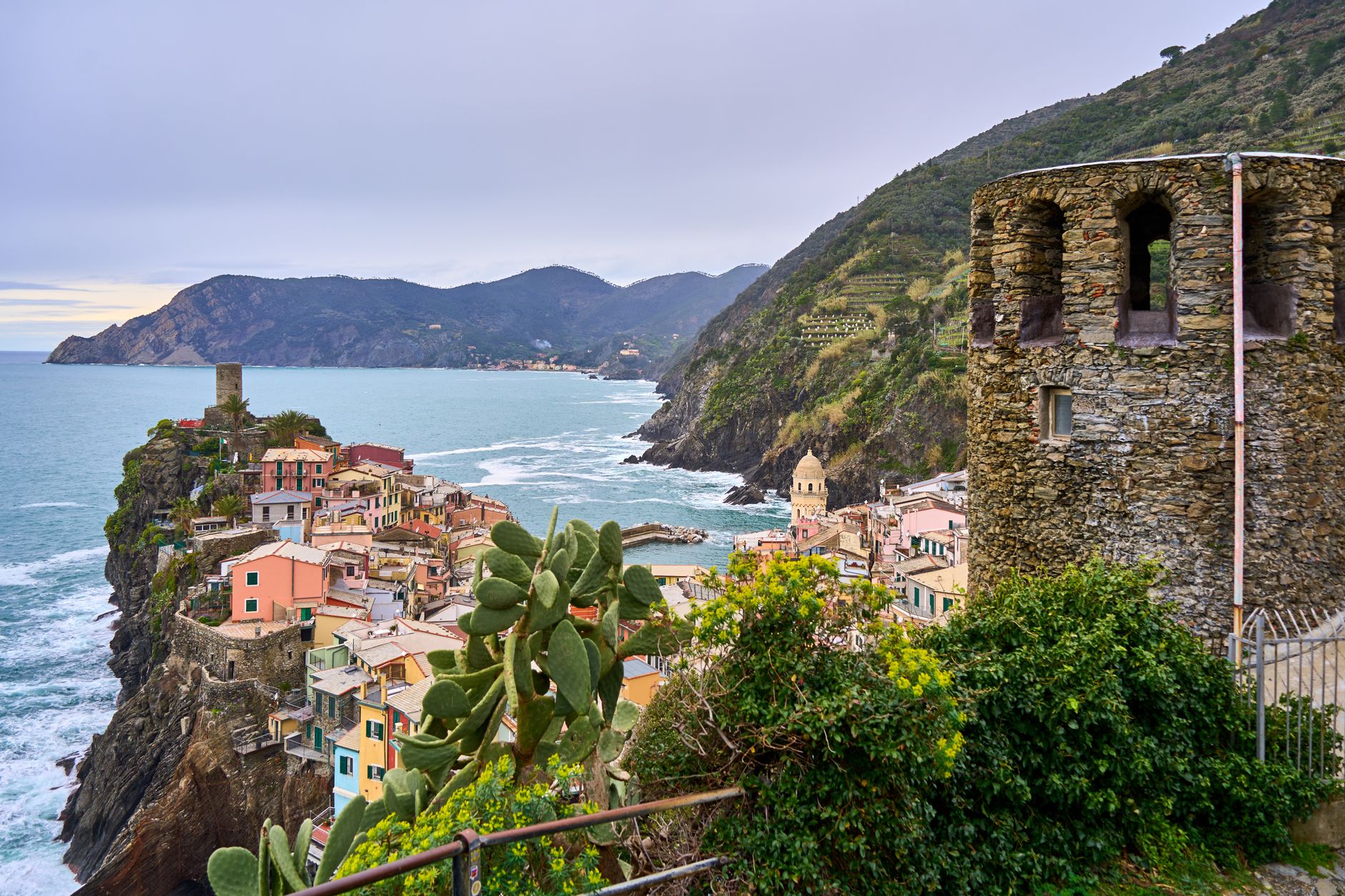
What travellers say about Cinque Terre National Park
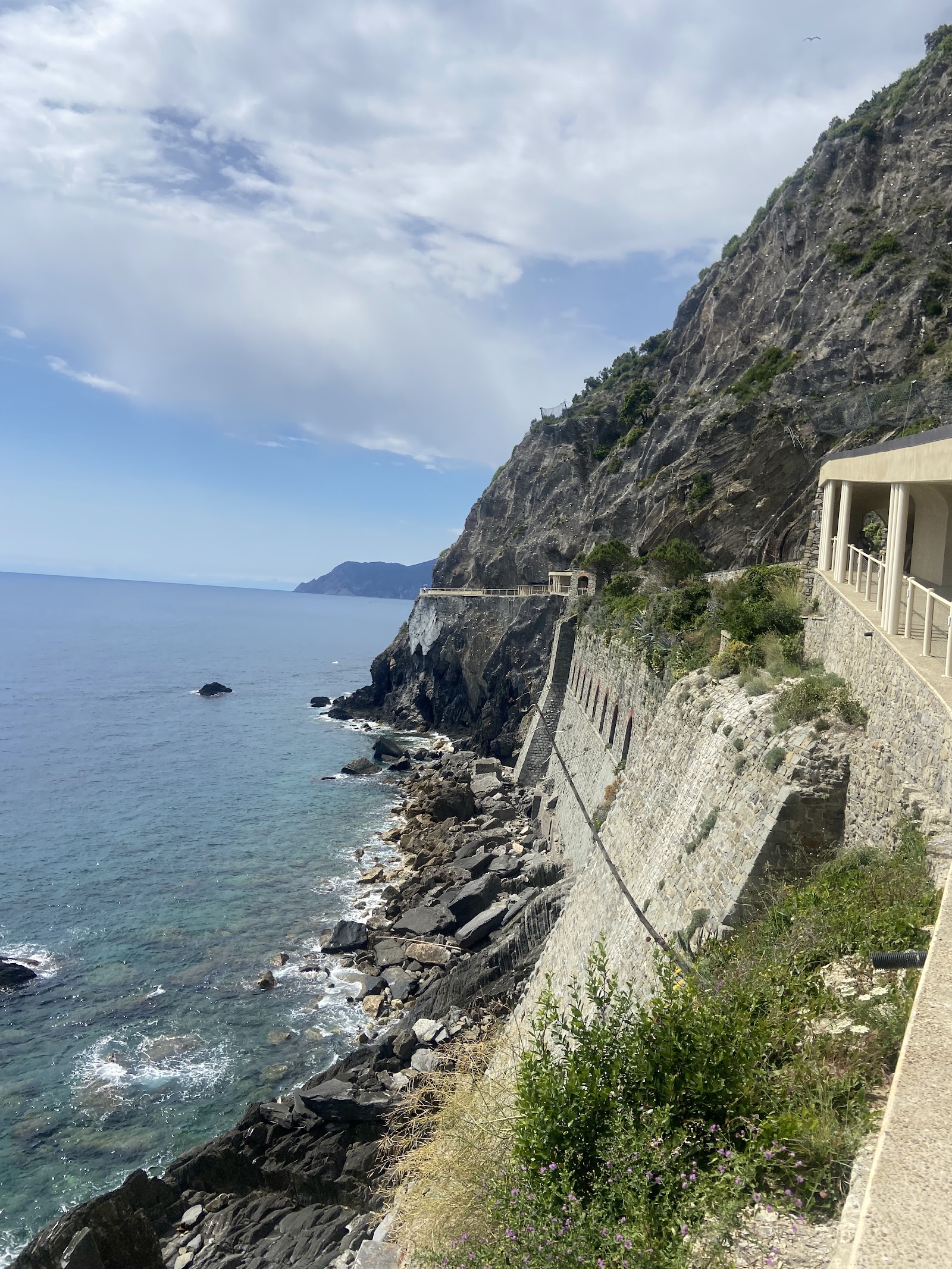
Cinque Terre National Park is absolutely breathtaking, but navigating the logistics can be tricky if you aren't prepared. Here is what you need to know before you go. Do not assume your standard Italian regional or local train tickets cover the train fare inside the park boundaries. They do not! You must buy the specific Cinque Terre Card (which includes unlimited train travel between Levanto and La Spezia) or purchase individual single-journey tickets specifically for the Cinque Terre line at the station. Standard regional tickets will get you fined, so make sure you buy the correct tickets before boarding! The trains can get very crowded during peak season. I highly recommend hiking between the villages rather than just taking the train everywhere. It's where you get those iconic, stunning postcard views of the colorful towns meeting the sea.Keep in mind that the trails vary wildly in difficulty. The famous Via dell'Amore (Path of Love) between Riomaggiore and Manarola is flat and paved and relatively easy with great views. The trails connecting Monterosso, Vernazza, and Corniglia involve steep, uneven stone steps, narrow paths, and significant elevation changes. They are a true workout and can be challenging to moderately hard depending on the fitness levels. Wear comfortable hiking clothes. It can get very hot. Plenty of water and electrolytes recommended.
We hiked the Cinque Terre trails from Porto Venere to Monteverde. We stayed overnight in the towns to enjoy the wonderful views and food. This was a great experience and strongly recommend the hiking trails. They are well maintained, the only trail that was a challenge was the one from Porto Venere to Riomaggiore.
Honestly this is one of the most beautiful places in Italy but you have to plan it right. The national park is basically five tiny villages connected by a train line and some really steep hiking trails. Most people just stay on the train but if you are fit enough you should definitely walk at least one of the paths between the towns. A few things to know- Buy the Cinque Terre Card at the train station as soon as you arrive. It covers all your train rides and the entry fees for the hiking paths so it saves you a lot of hassle. The views from the trails are way better than what you see from the train windows. Just make sure you have decent shoes because some of the stone steps are really uneven and slippery. It gets incredibly crowded in the middle of the day during summer. If you can stay overnight in one of the villages like Vernazza or Riomaggiore you get to see the park without all the day trip crowds which is much more peaceful. It is a lot of walking and a lot of stairs but it is 100 percent worth it for the sunset views over the water.
We hiked all five villages in just over five hours. Extra bonus, forgetting water out of the faucets in the villages and delicious Panini’s. Towards the end of the trail just before the last town, there’s a really cute stop to get wine. We noticed the trails were busier closer to Monteroso, and it’s easy to pass by slow hikers when the trail gets wider.
Meet at Firenze Station at 7:00 a.m. to join the day trip to the Cinque Terre and Pisa. We took the train from La Spezia to Vernazza and Monterosso. Unfortunately, we weren’t able to visit Riomaggiore, Manarola, or Corniglia, but the weather was beautiful and we enjoyed the views.
More of Cinque Terre
Discover where to stay, what to do and the best deals for your trip.
Explore Cinque Terre →More attractions in Cinque Terre
All of Cinque Terre →
Background adapted from Wikipedia (CC BY-SA) · map data © OpenStreetMap contributors · ratings & place photos via Google · other photos with per-image credit. Ticket links may earn us a commission at no extra cost to you.