
Capodimonte Museum
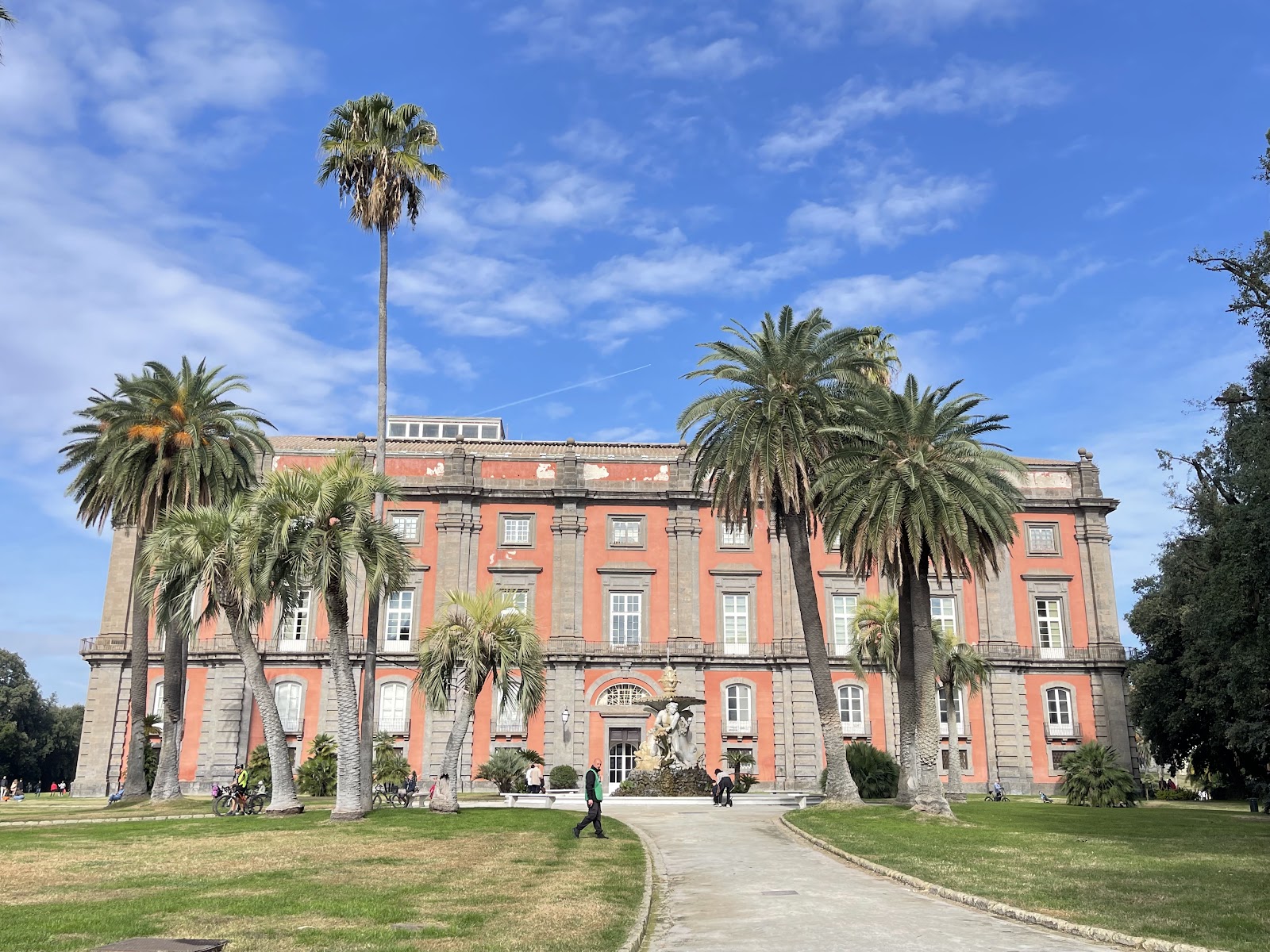
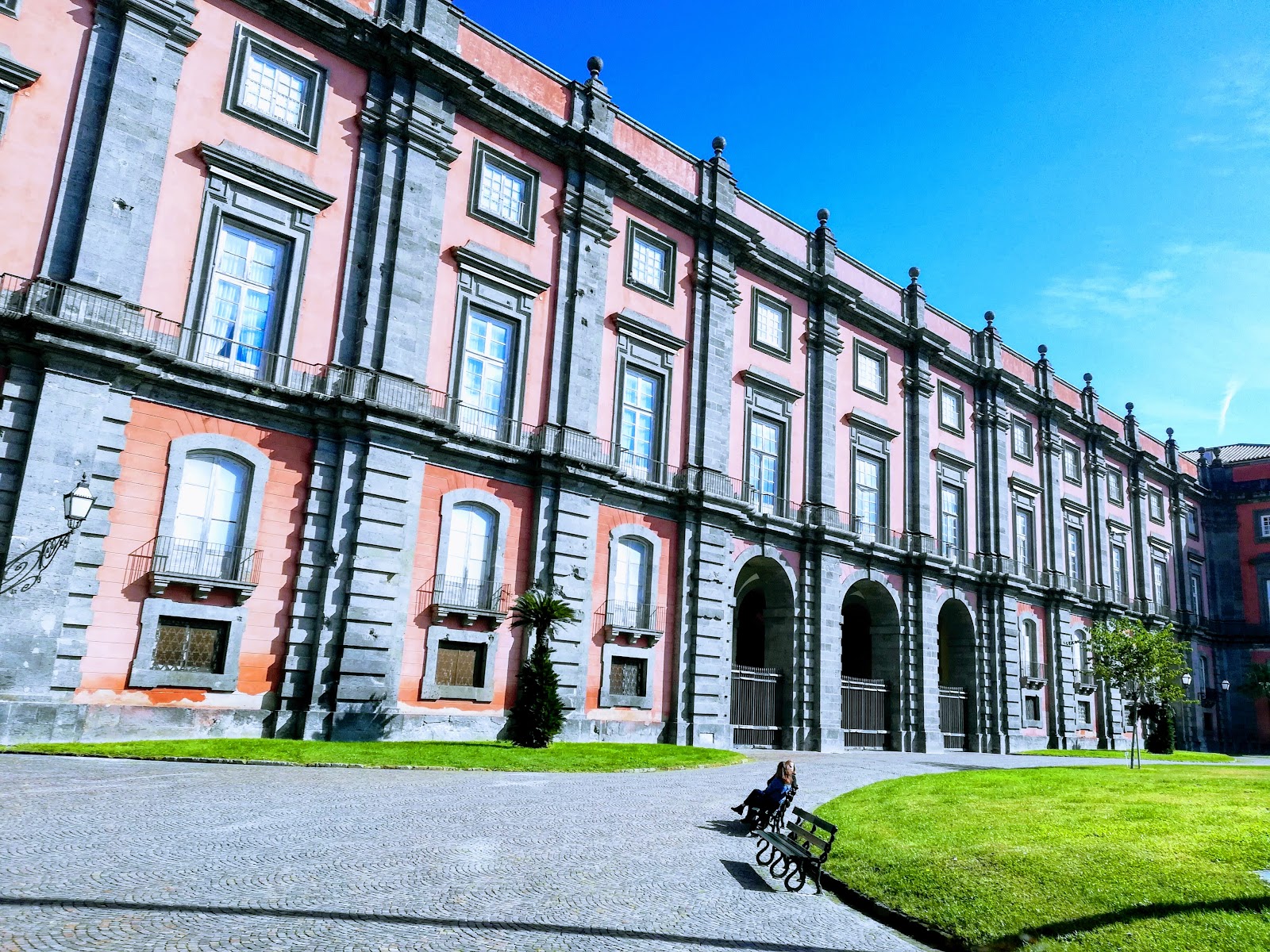
The palace sits on a hill north of the city centre, its nearly 800-foot facade visible long before you reach it. King Charles VII commissioned it in 1738, originally as a hunting lodge, though the ambition quickly outgrew that brief — partly because he needed somewhere to house the vast Farnese Collection he had inherited from his mother, Elisabetta Farnese.
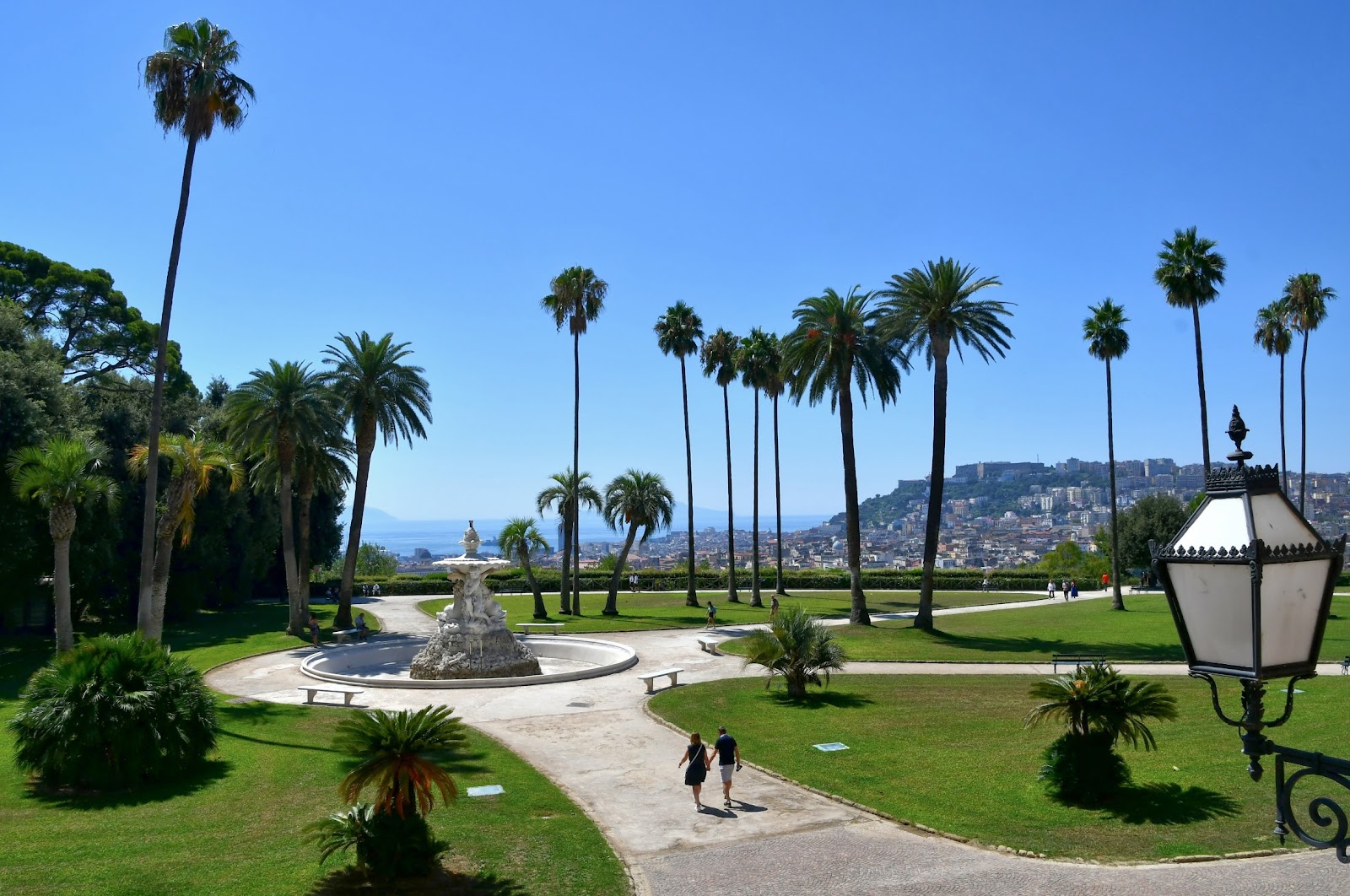
Inside, 126 galleries across 151,000 square feet hold 47,000 works. The surrounding Real Bosco di Capodimonte, 134 hectares of park and woodland, is free to enter and frames views across the bay toward Vesuvius. The first mandarin trees planted in Italy took root here.
💛 What travellers fall for
People who come back tend to do the galleries in the morning and the park in the afternoon, exiting and re-entering on the same ticket. Friday evenings, when the museum stays open until 10:30 pm, are quieter than weekend afternoons. Trattoria del Bosco near Porta Piccola handles the post-walk hunger reliably.
The story behind Capodimonte Museum
Charles VII broke ground in August 1738, though progress stalled early — the first architect, Antonio Canevari, produced no workable design for ten months. Spanish architect Giovanni Antonio Medrano took over, and surviving drawings bear his signature throughout. The volcanic piperno stone used in construction had to be hauled up from quarries in Pianura, and the palace wasn't finished until 1840, more than a century after the first stone was laid.
During the French occupation of 1806–1815, the art collection was moved to the National Archaeological Museum of Naples. Ferdinand returned in 1815 and hired painters and sculptors to restore the interiors. After the Kingdom of the Two Sicilies passed to the House of Savoy in 1861, painter Domenico Morelli was appointed to guide further acquisitions. The museum opened in its current form in 1957.
Good to know
Take the Capodimonte shuttle from Piazza Trieste e Trento — 22 minutes, runs hourly, EUR 5 one-way. The museum closes Wednesdays. First floor closes Sundays and holidays. Budget three to five hours for the galleries alone; the park needs more time if you use it.
Where is Capodimonte Museum?
More tickets & tours for Capodimonte Museum
Book directly at the provider
What travellers say about Capodimonte Museum
Didn’t expect to spend two hours here! The museum is massive, even though there are only two floors to explore. You can also enjoy amazing views overlooking the city. Highly recommended!
Although it is one of Naples’ greatest cultural treasures, the Museo e Real Bosco di Capodimonte offers a surprisingly peaceful—and even intimate—encounter with works by Michelangelo, Caravaggio, Raphael, Titian, Masaccio, and Botticelli. The sprawling royal complex lies far from the city center, and reaching it means climbing one of Naples’ hills. Its distance from the main tourist routes allowed us to wander through the galleries almost undisturbed; in one wing, we didn’t encounter a single other visitor. Having entire rooms of Renaissance and Baroque masterpieces to yourself is a rare pleasure. Only Caravaggio’s striking Flagellation of Christ seems to attract a steady stream of viewers. These are perhaps the most deserved five stars I’ve given this year.
A beautiful and immense museum. Many works, including those by famous artists. Admission is free with the tourist card.
Wonderful gardens even when the museum is closed. Great spot for a morning walk, but be ware of the current garden renovations that hinder walking slightly.
Museo di Capodimonte in Naples is an exceptional museum with painting and sculpture galleries that stand on the same level as the most important art museums in Europe. It has a remarkable collection and a setting that feels both grand and inviting. The building itself is impressive. It was originally built in the eighteenth century as a royal palace for the Bourbon kings of Naples, and its position on the hill gives it a unique presence. The surrounding park makes the visit even more enjoyable. The galleries are well arranged and allow you to appreciate masterpieces from the Italian Renaissance to contemporary works. The famous Farnese collection arrived in Naples when Elisabetta Farnese, last descendant of the Farnese family, passed it on to her son Charles III of Spain (who became King of Naples in 1734). He brought the core of the collection to Capodimonte to preserve and display one of Europe’s most important family art collections. The Farnese rooms and the Caravaggio masterpieces are highlights, but the experience throughout the museum remains consistently impressive. Staff are helpful, the signage is clear, and the atmosphere allows for a calm and focused visit even when the museum is busy. A visit to Naples feels incomplete without coming here.
More of Naples
Discover where to stay, what to do and the best deals for your trip.
Explore Naples →More attractions in Naples
All of Naples →

Background adapted from Wikipedia (CC BY-SA) · map data © OpenStreetMap contributors · ratings & place photos via Google · other photos with per-image credit. Ticket links may earn us a commission at no extra cost to you.