
Barranco District
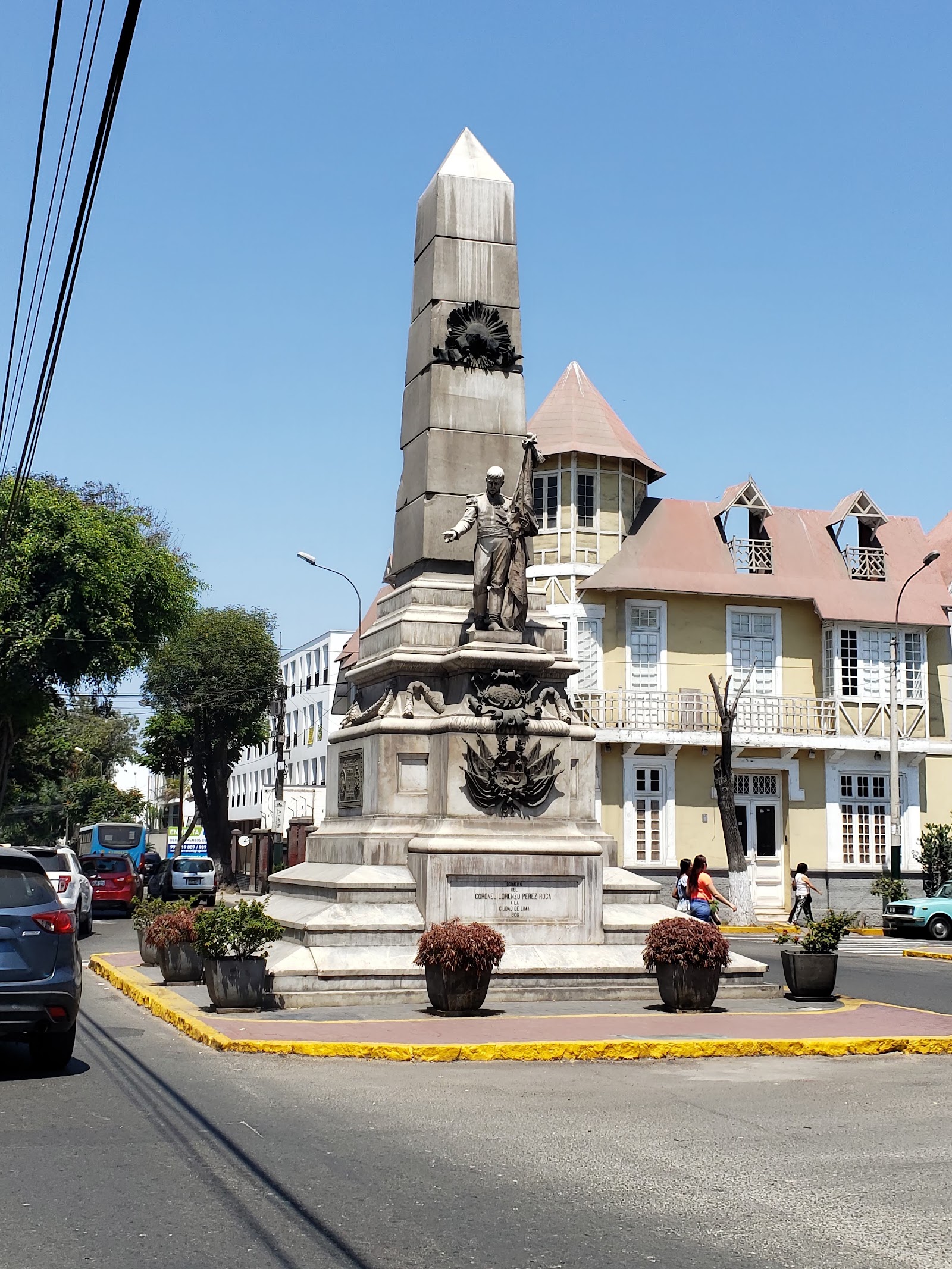
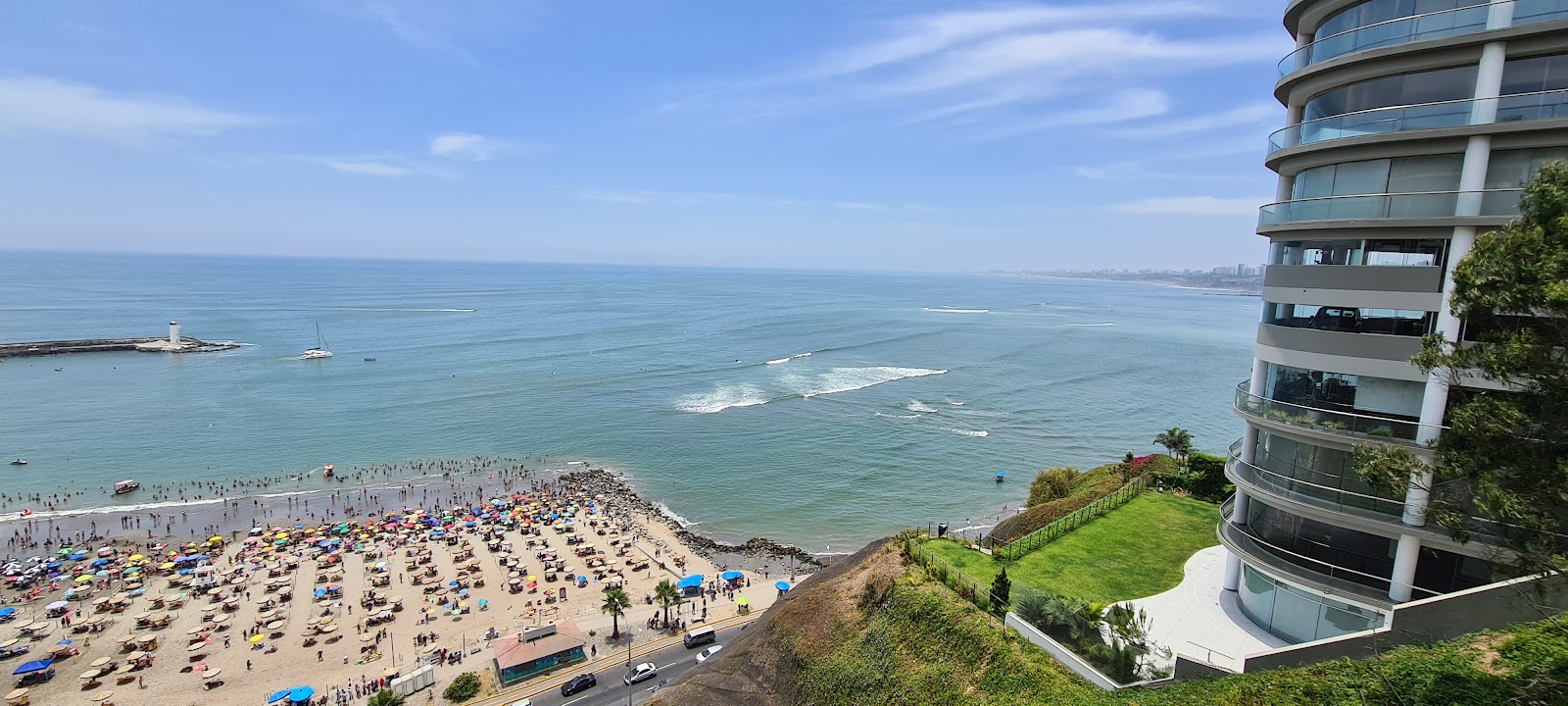
Barranco sits on the edge of Lima's coastal cliffs, and the geography still shapes everything about it. The Bajada de los Baños — a footpath cut into the bluffs in 1870 — drops you past old ranchos-turned-restaurants to a lookout above the Pacific, and the logic of the place becomes clear: this was always somewhere people came to get out of the city, even when it was already the city.
The district was officially founded in 1874, and its Parque Municipal, wooden Puente de los Suspiros, and neoclassical library all date from a concentrated burst of building around the turn of the twentieth century. That layering — resort town, war-scarred neighbourhood, artist quarter — is still visible if you walk slowly.
💛 What travellers fall for
Return visitors tend to anchor their days at the Bajada de los Baños, arriving before lunch when the cliff restaurants are quiet. The Museo Pedro de Osma on Avenida Pedro de Osma rewards the unhurried — the viceregal collection inside an early-20th-century mansion is one of the more quietly absorbing things in Lima. Check the MAC's current exhibition before going; the three halls fill fast on weekends.
The story behind Barranco District
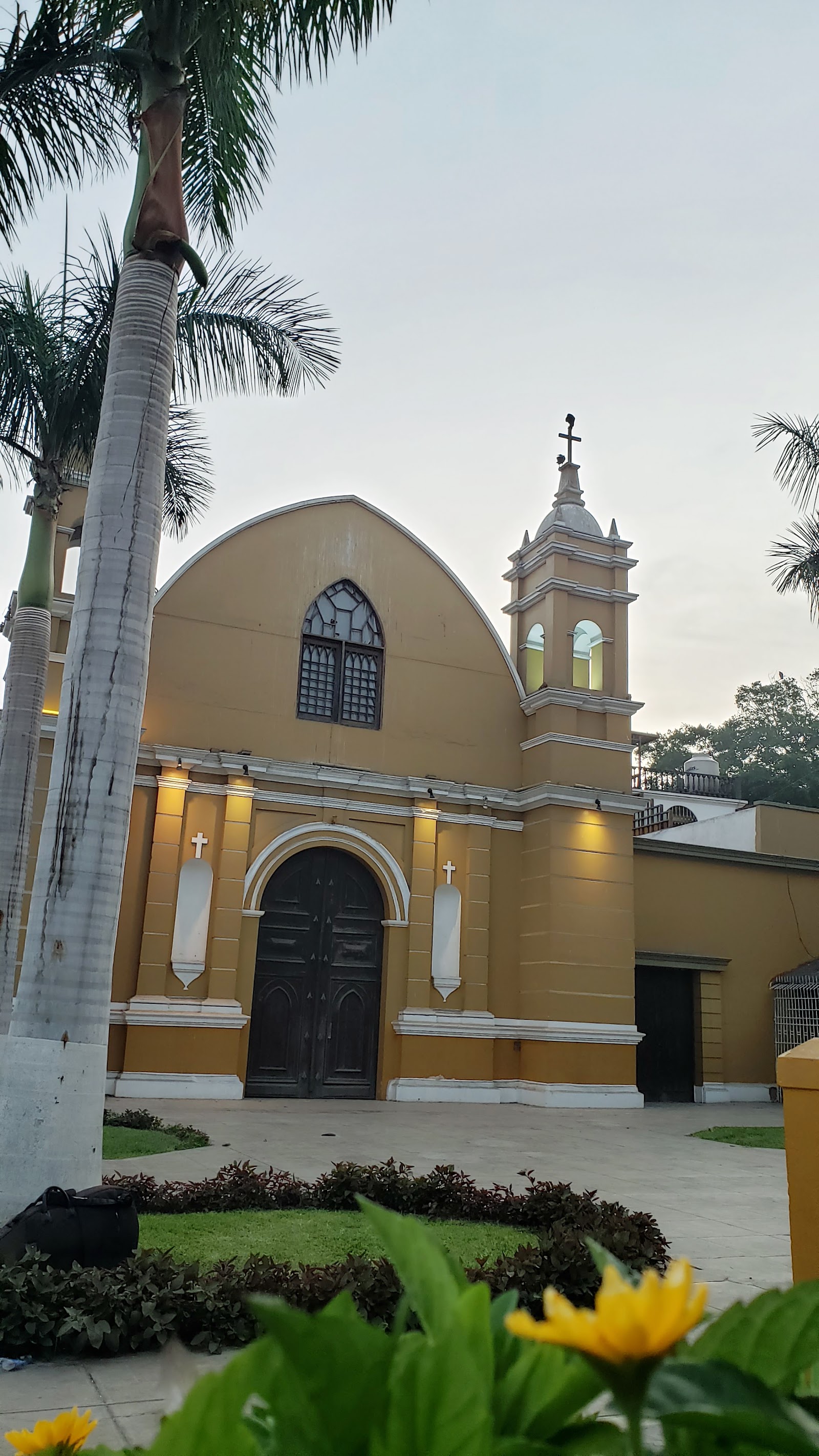
Before Lima's beach suburbs existed, this stretch of coast was agricultural and fishing territory under the Señorío de Sulco, later absorbed into the Inca Empire. A railway ordered by President Ramón Castilla in 1858 opened the area to Lima's upper classes, and by the time Barranco was formally constituted as a district in 1874, it was already a summer retreat. Chilean troops burned much of it during the 1881 War of the Pacific — the adobe Iglesia La Ermita was rebuilt in neo-Gothic style the following year.
Recovery came fast. German engineer Rodolfo Holting installed hydraulic funiculars down the cliffs in 1896 to carry bathers to the shore; the first electric tram in Peru connected Barranco directly to Lima in 1904. The República Aristocrática period (1895–1919) brought running water, sewage, and the French-inflected architecture still standing along the main streets. Singer-songwriter Chabuca Granda, born in 1920, would later immortalise the Puente de los Suspiros in a 1960 waltz, fixing the district's image in the Peruvian imagination.
Good to know
The Metropolitano bus (Estación Balta or Estación Plaza de las Flores) is the easiest connection from central Lima; a rechargeable card costs S4.50. By taxi from Miraflores, allow five to ten minutes. Note that Puente de los Suspiros is closed for maintenance and is not scheduled to reopen until August 2026.
Lima's coast sits under a marine layer for much of the year: May through October brings overcast skies, temperatures around 15–17°C, and little direct sun. December through April is warmer (20–26°C) and occasionally clear — the months when the beaches below the cliffs actually make sense to visit.
Where is Barranco District?
Location
- In Lima
- -12.1412, -77.0221
- Open in Google Maps
More tickets & tours for Barranco District
Book directly at the provider
More of Lima
Discover where to stay, what to do and the best deals for your trip.
Explore Lima →More attractions in Lima
All of Lima →
Background adapted from Wikipedia (CC BY-SA) · map data © OpenStreetMap contributors · ratings & place photos via Google · other photos with per-image credit. Ticket links may earn us a commission at no extra cost to you.