
Lima
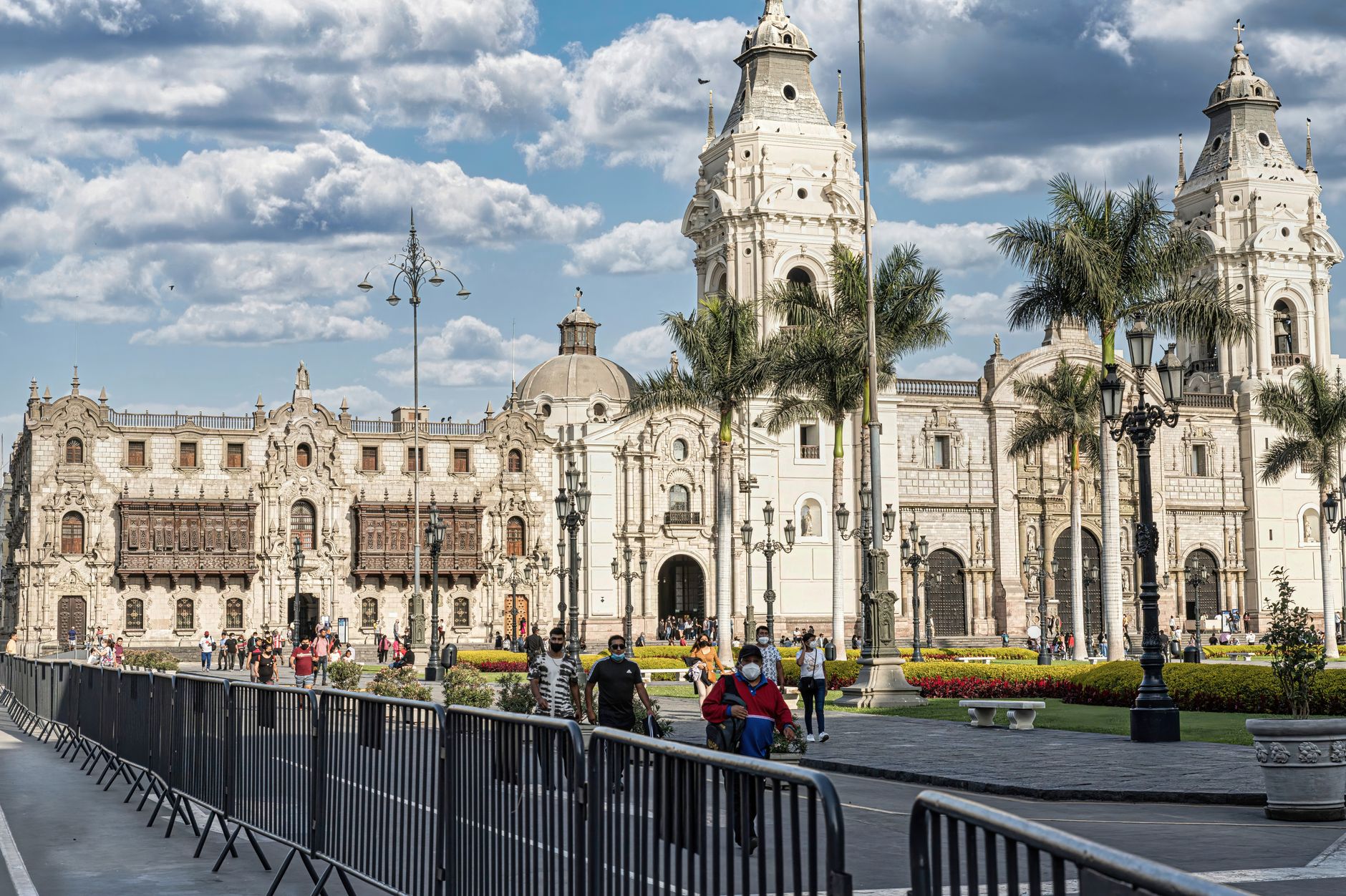
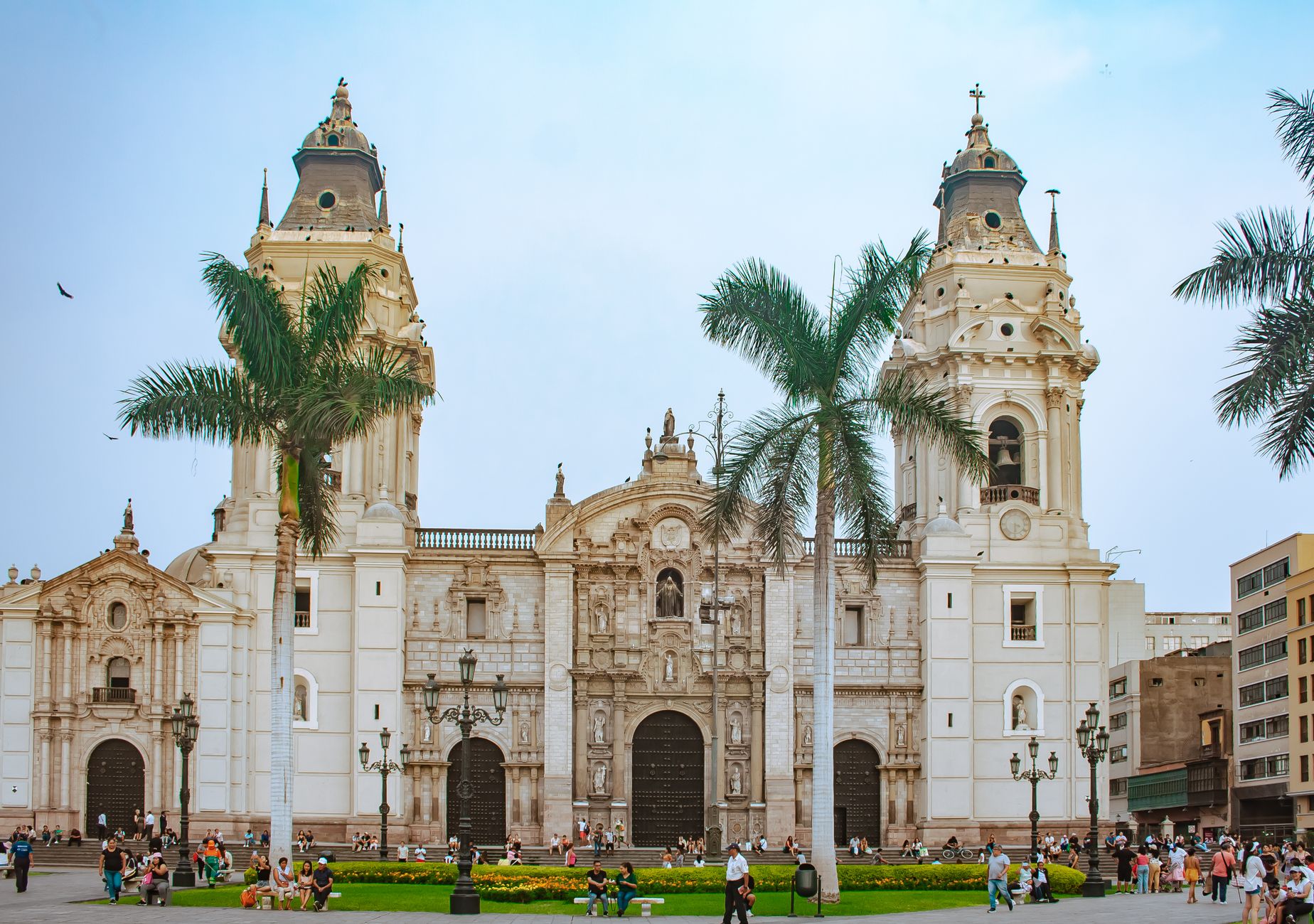
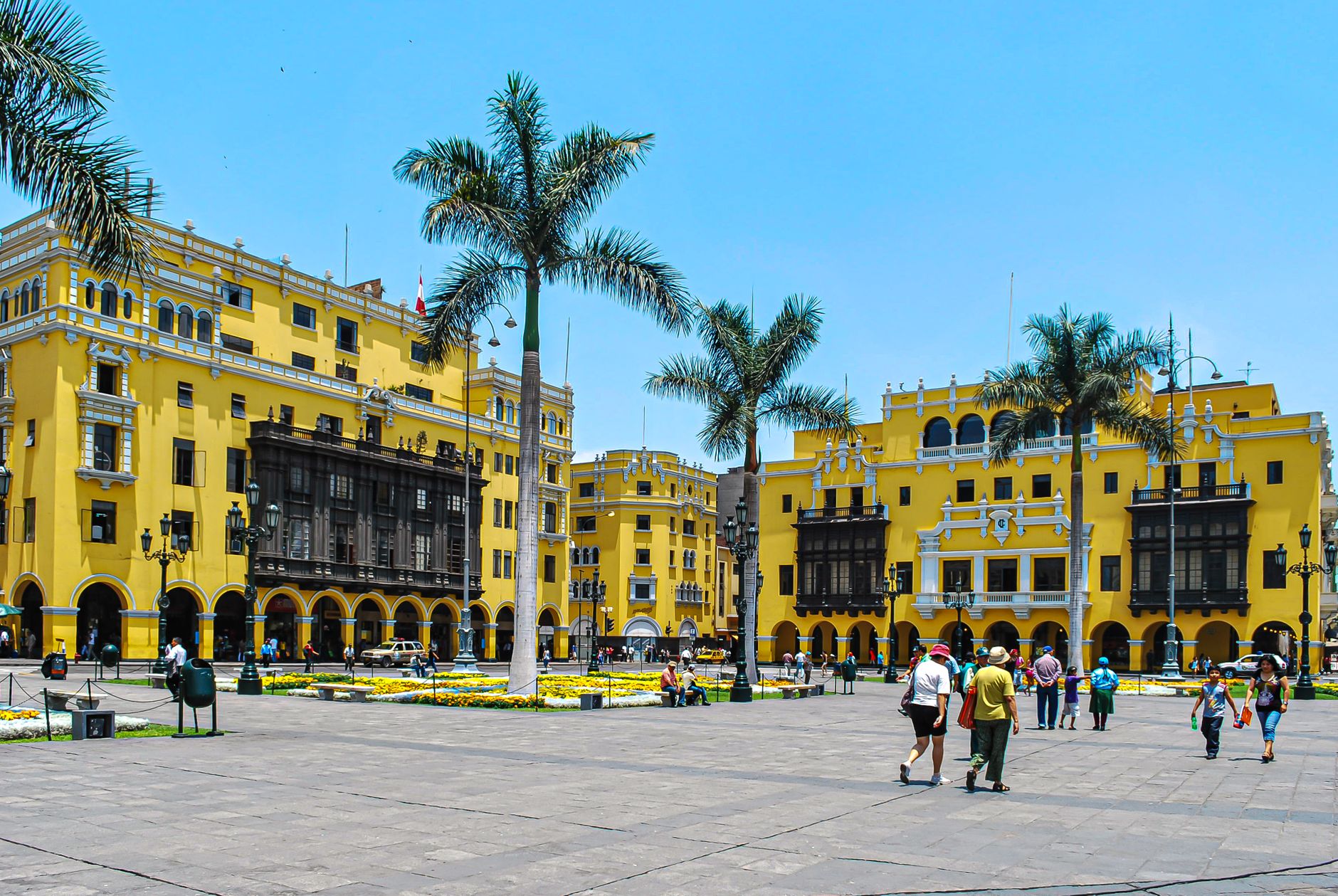
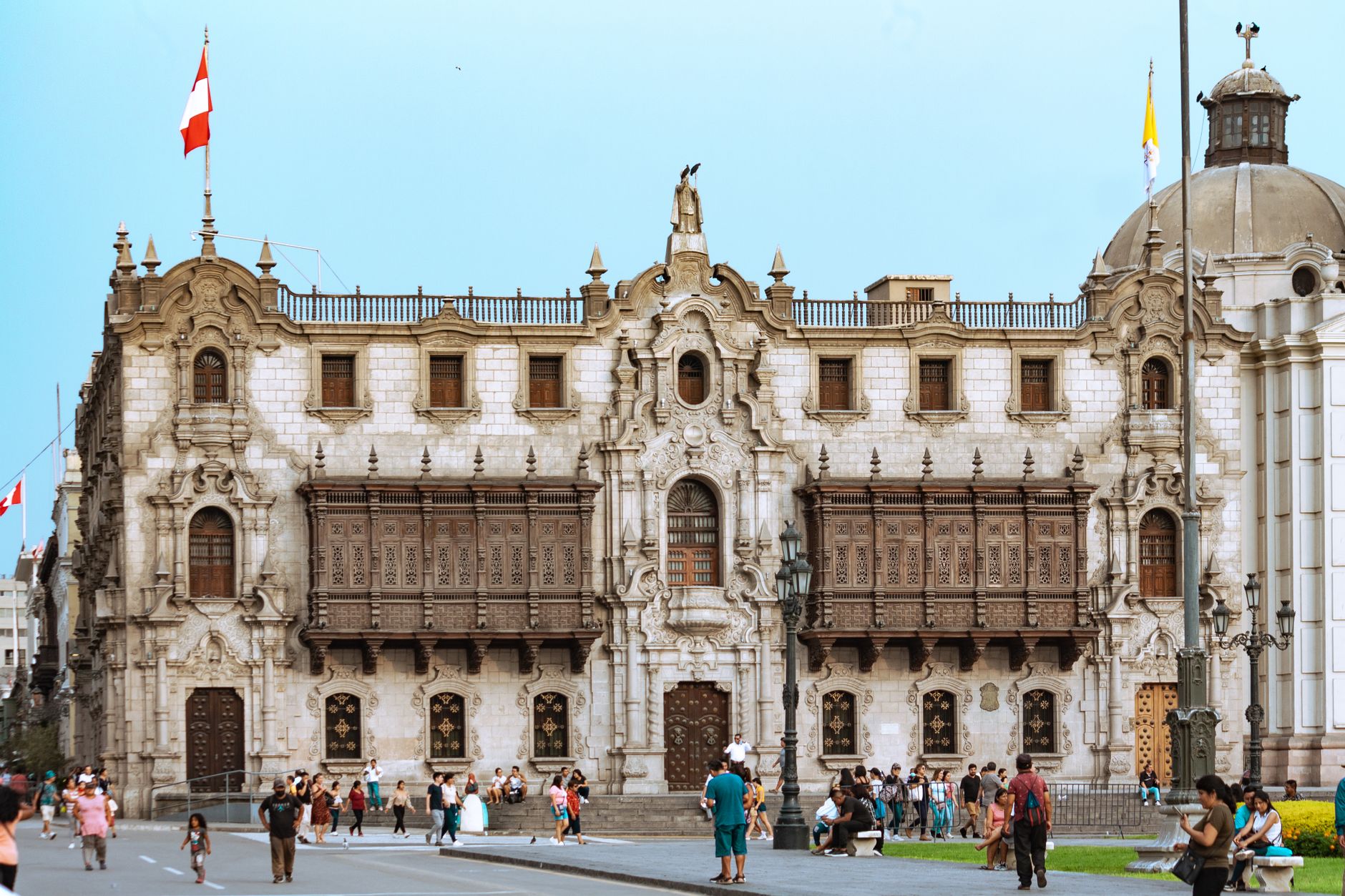
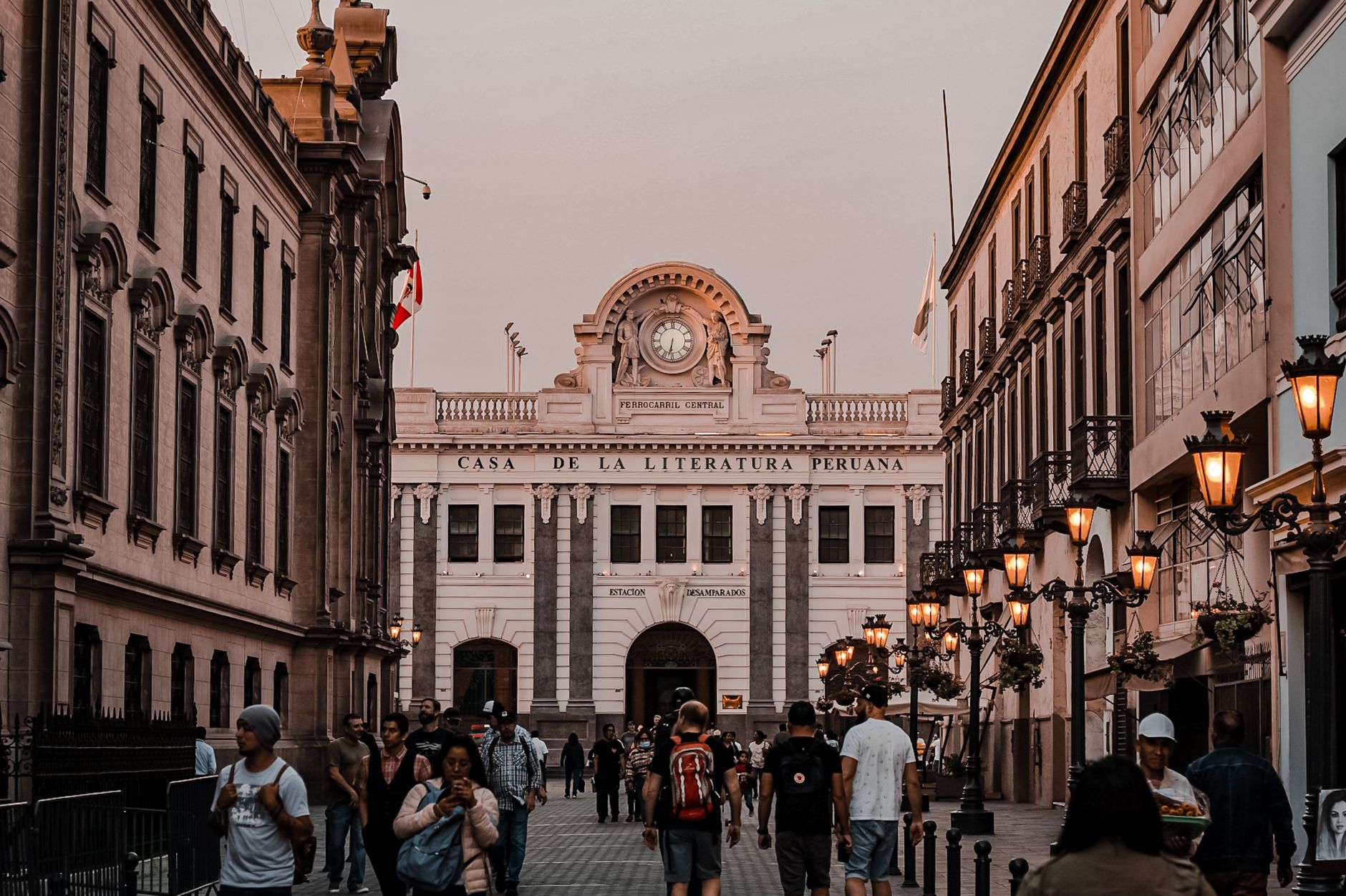
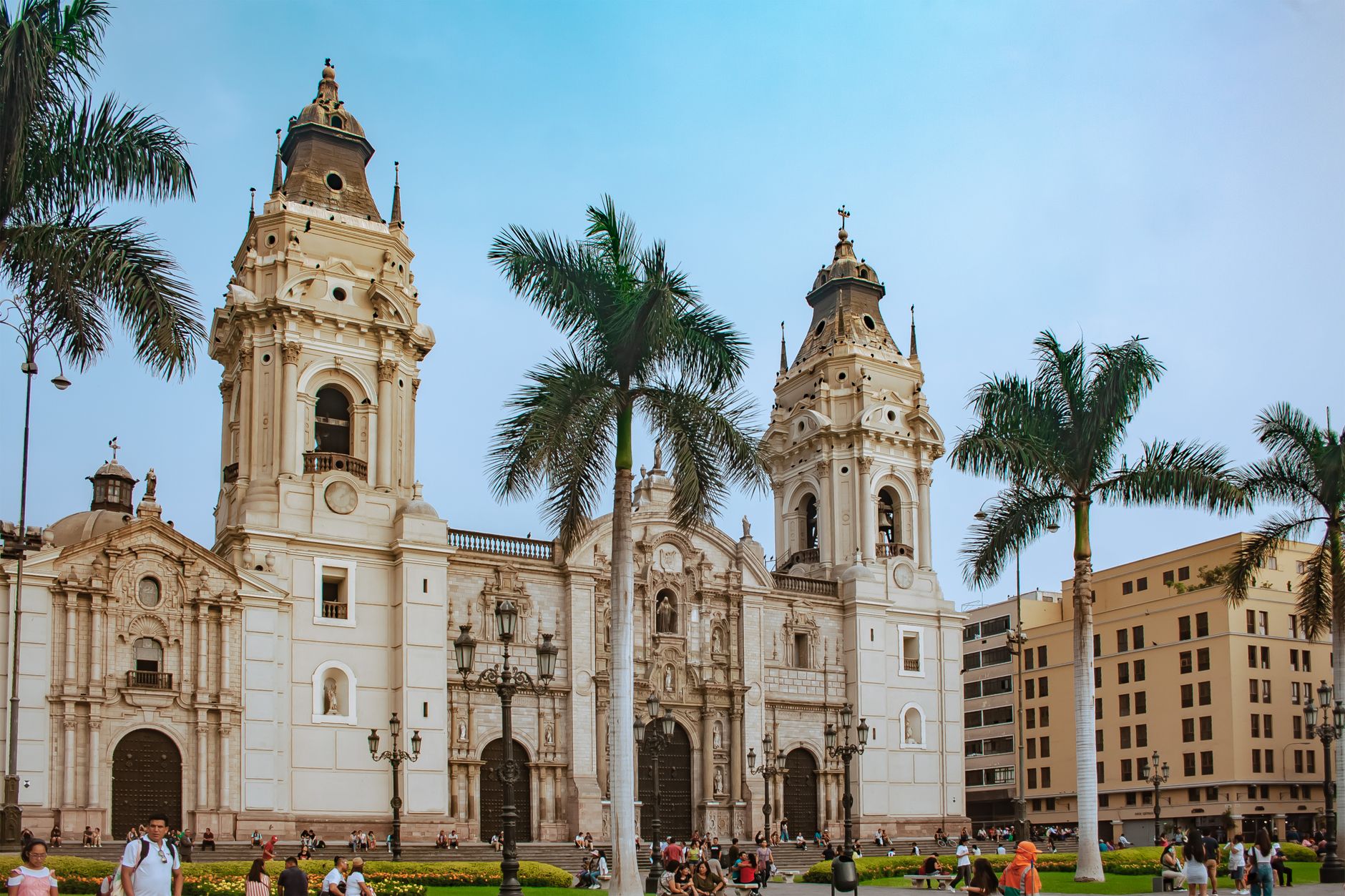
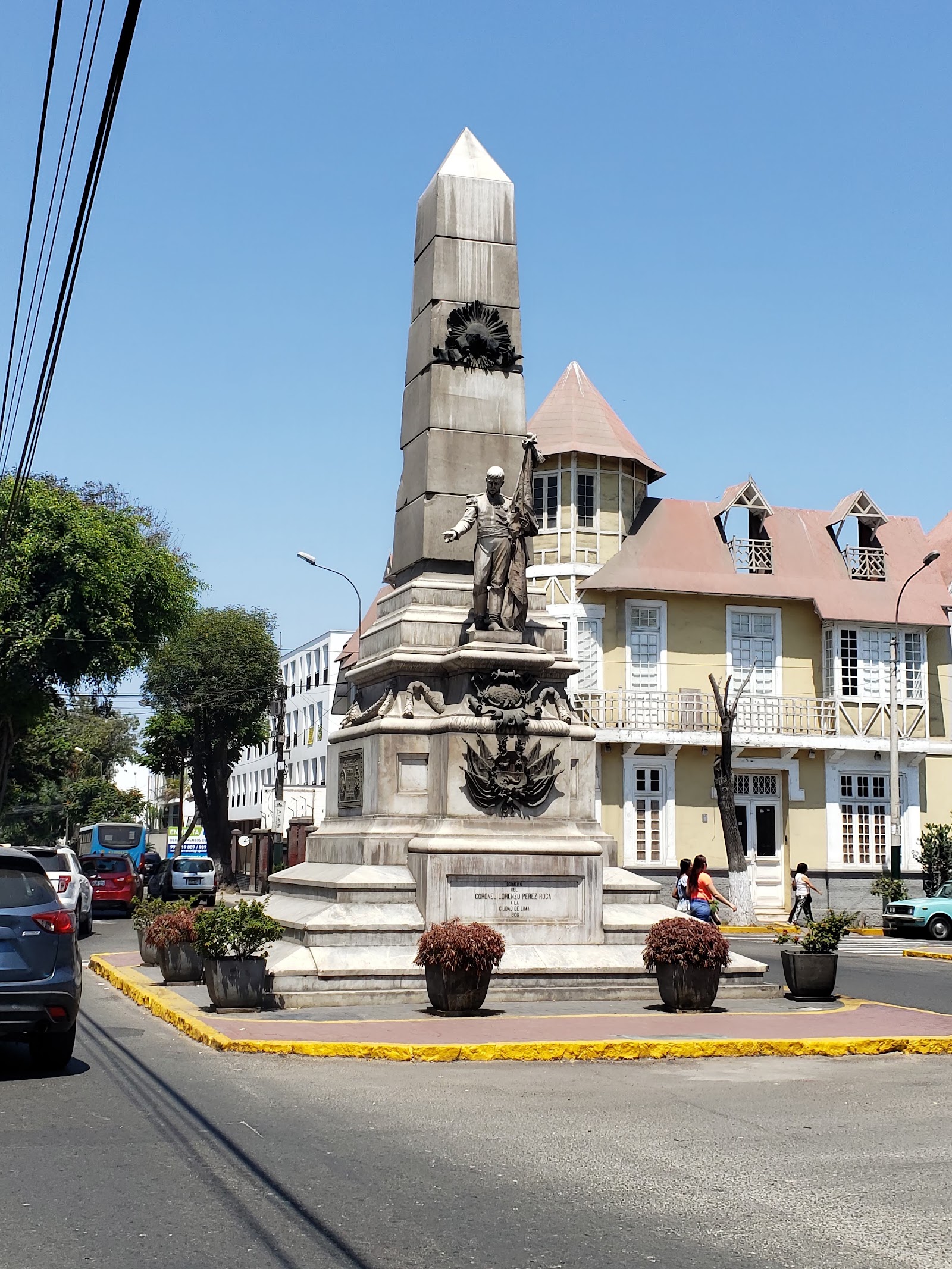
Lima sits on the edge of the Pacific in a coastal desert, and the first thing you notice is the light — grey and diffuse for much of the year, a low marine layer that softens everything. Beneath it, the city holds five centuries in close quarters: a 17th-century fountain at the centre of the Plaza Mayor, a colonial mansion that has stayed in the same family since 1535, an adobe pyramid from 500 AD rising out of a Miraflores neighbourhood.
This is where Peru's administrative, culinary, and intellectual life has concentrated since Francisco Pizarro laid out the grid on the Rímac River valley. Cusco is the place people come to Peru for; Lima is the place that keeps revealing itself the longer you stay.
💛 What travellers fall for
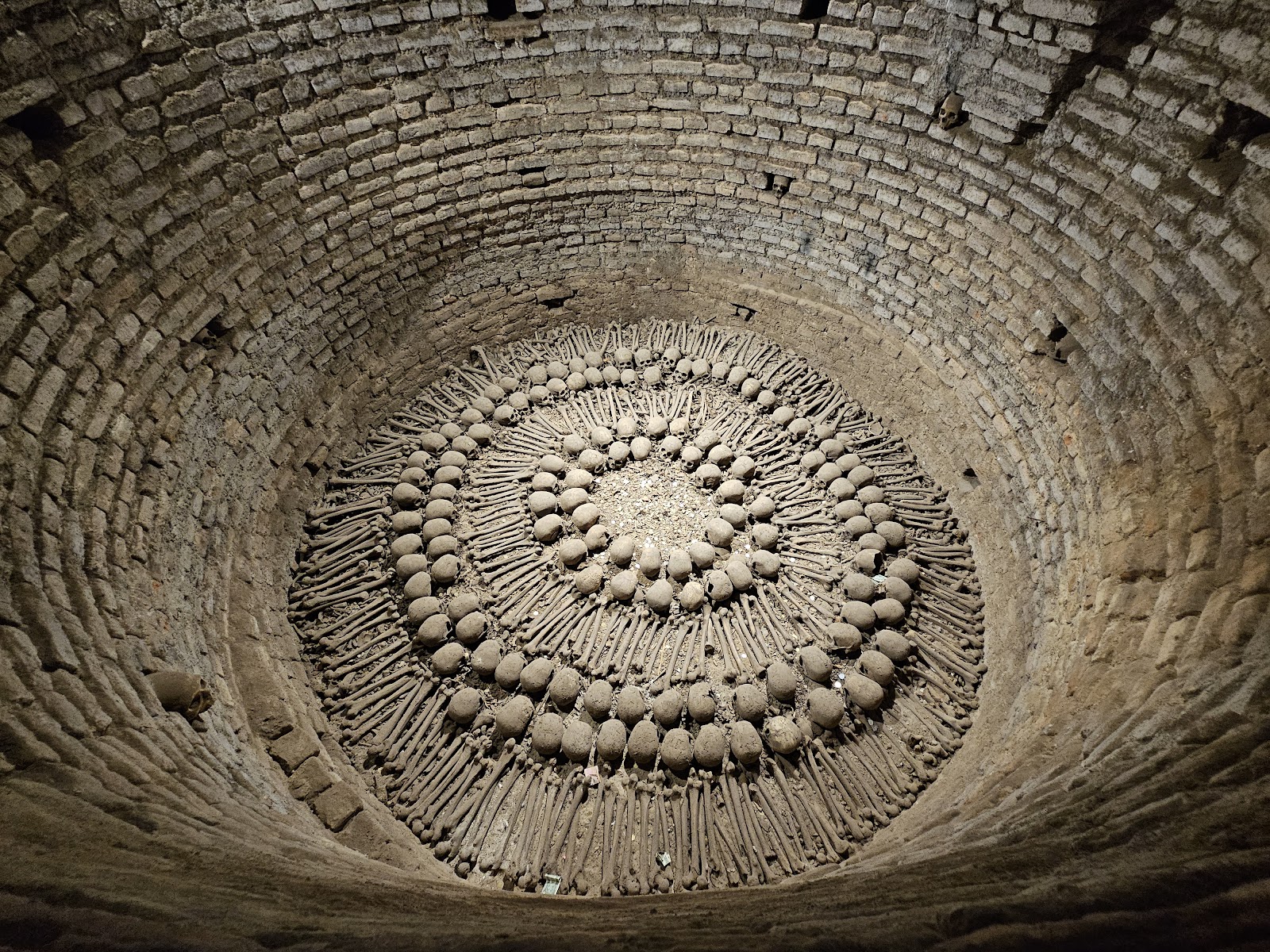
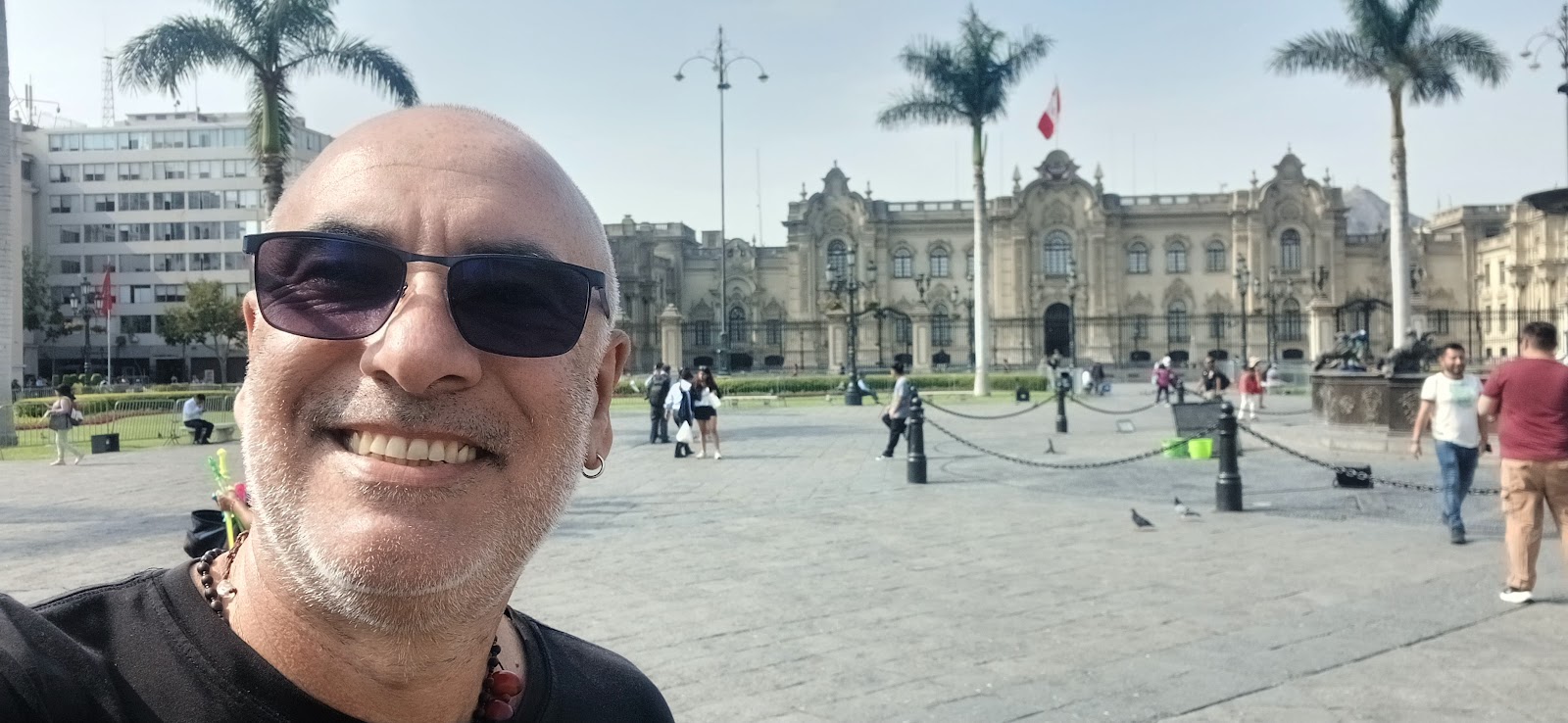
People who return to Lima tend to orbit a few fixed points. The catacombs under the San Francisco Monastery — bones arranged in geometric patterns in circular wells — stay with you in a way that photographs don't quite capture. And the noon changing of the guard in front of the Palacio de Gobierno draws a crowd daily without ever feeling like a performance staged for tourists.
Deals in Lima
Book directly at the provider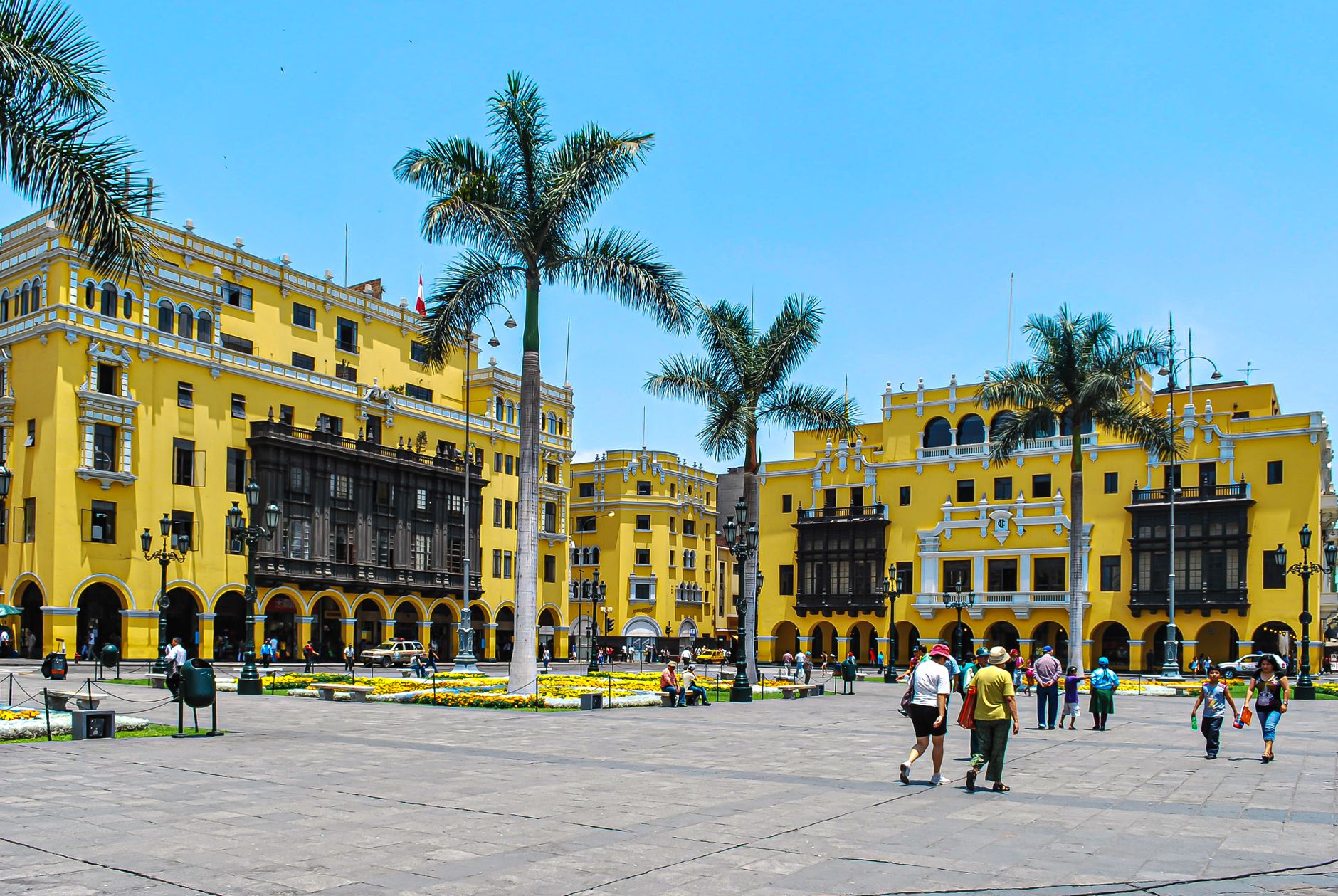

How Lima came to be
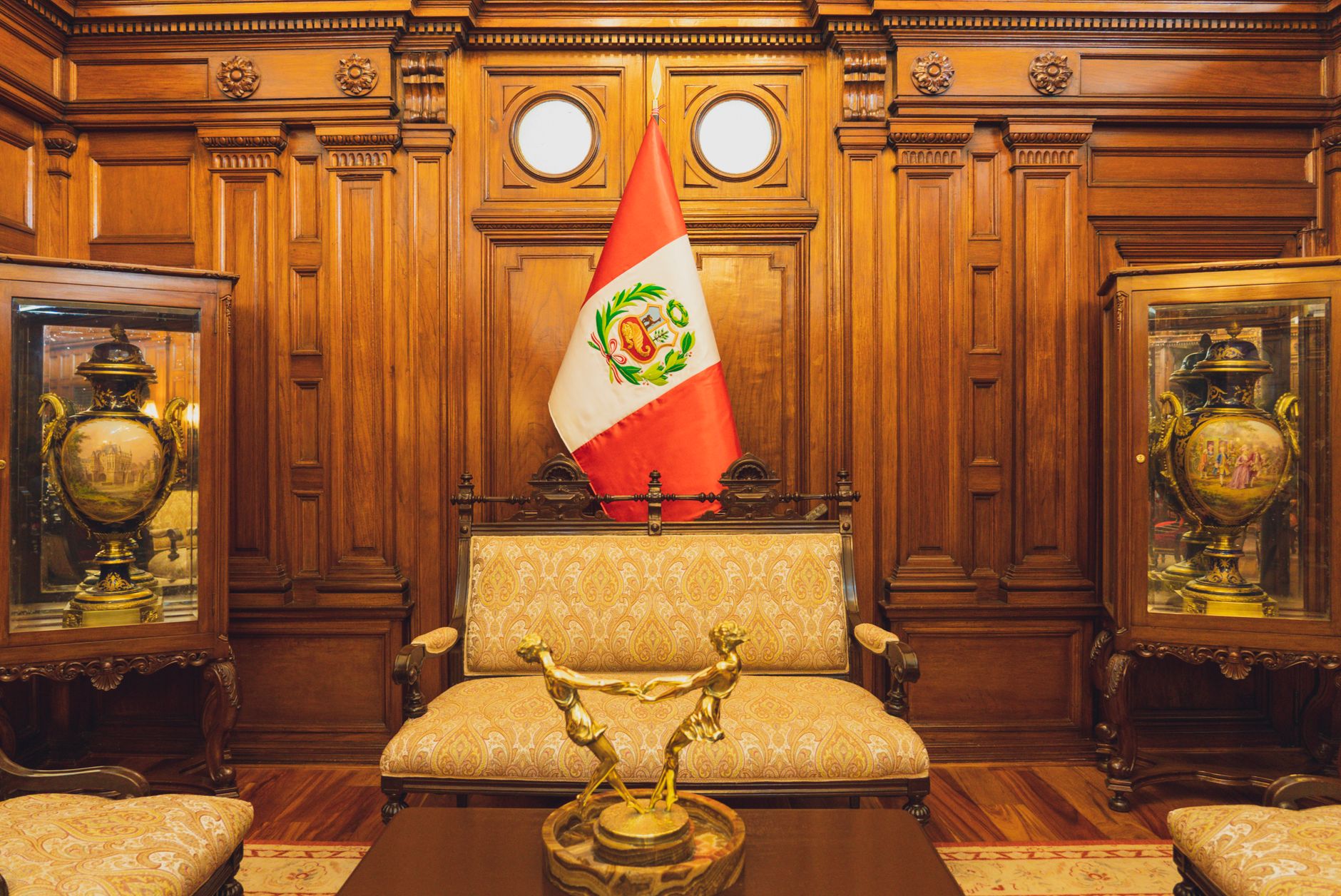
Pizarro founded Lima on January 18, 1535, naming it Ciudad de los Reyes after the feast of the holy kings. Within the same year, his companion Jerónimo de Aliaga began building a mansion that still stands — and is still in family hands. By 1543 Lima was the capital of the Viceroyalty of Peru, the administrative centre through which South America's colonial wealth moved.
The city's story is also one of repeated damage and reinvention. A powerful earthquake in 1746 devastated much of what had been built. During the War of the Pacific, Chilean troops occupied and looted the city between 1879 and 1883. The 1940s brought a different kind of transformation: mass migration from the Andes reshaped Lima's population and culture in ways that still define it today.
Who and what shaped it
People who shaped it
Landmark buildings
See Lima in motion
Plan your visit
On the map
When to go
Lima's coastal desert climate means mild temperatures year-round — roughly 15–20°C in winter (June–October) under persistent grey skies, and warmer, clearer conditions from December through April. The overcast garúa season is the city's low-key default, and the light, though flat, has its own quality.
Right now
↡ Attractions

Background & history adapted from Wikipedia (CC BY-SA) · specs from Wikidata (CC0) · weather from Open-Meteo · map data © OpenStreetMap contributors · photos from Wikimedia Commons / Unsplash with per-image credit. No third-party reviews or social posts reproduced.