
Bangkok, Thailand


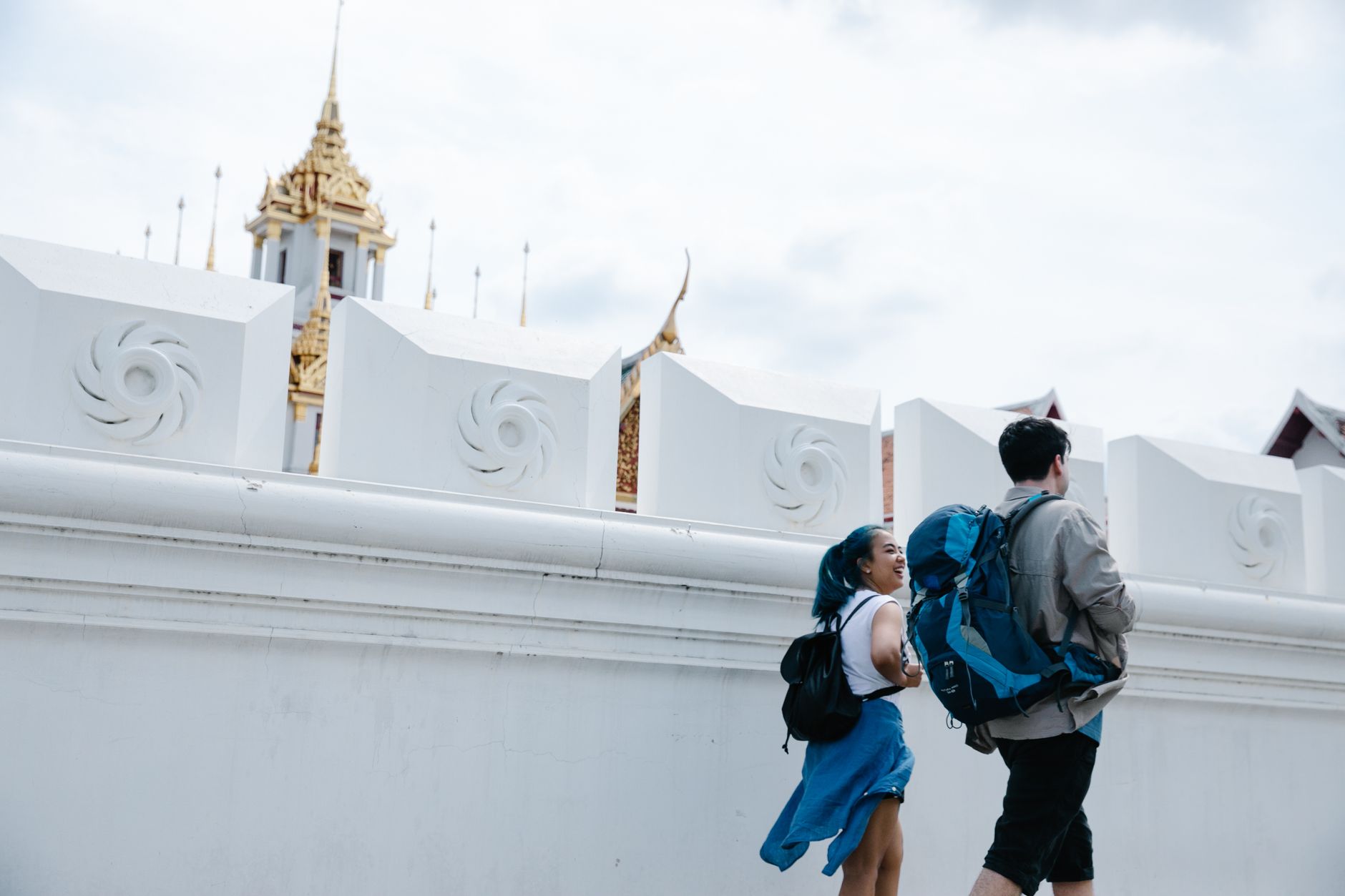
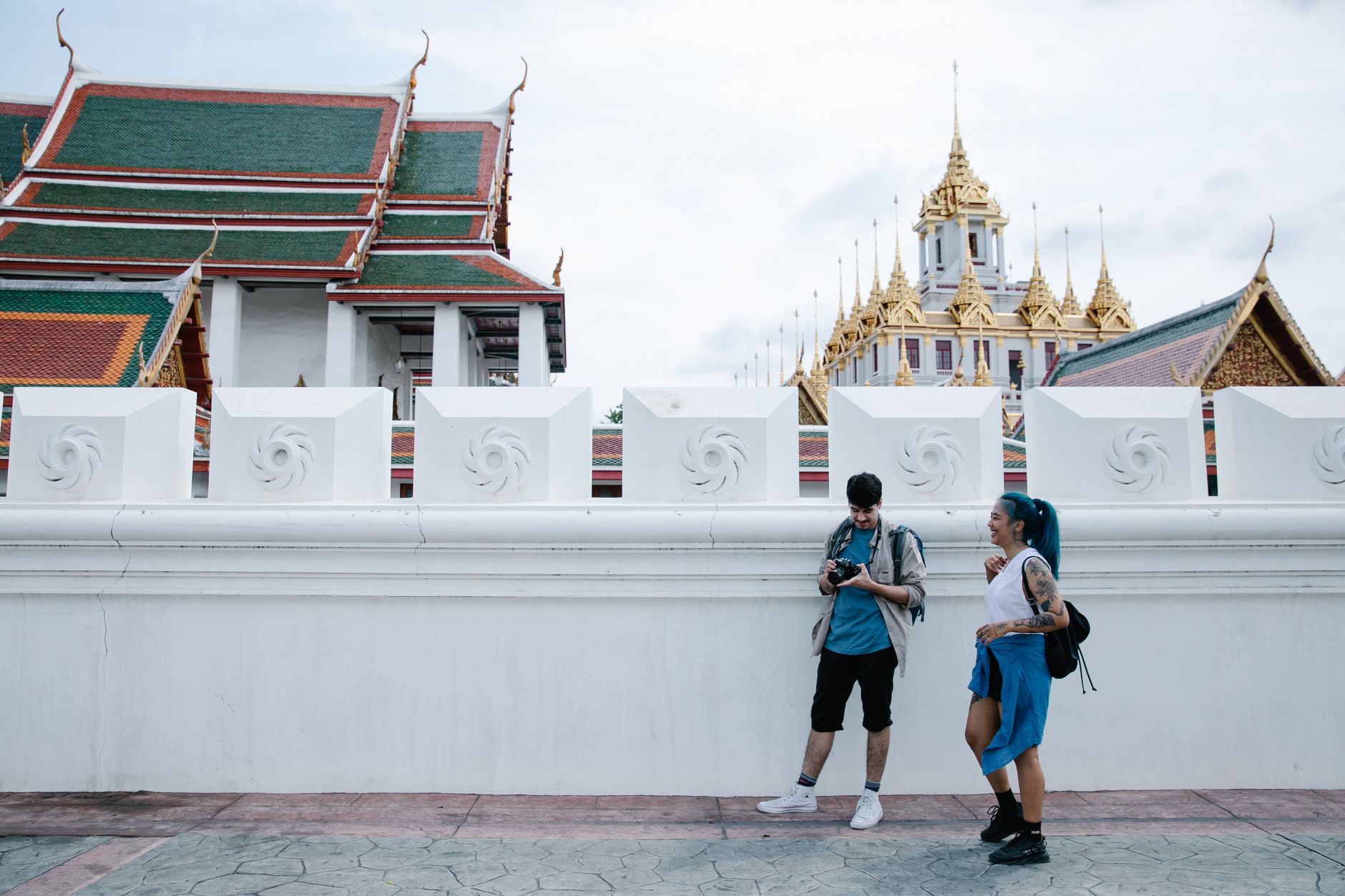
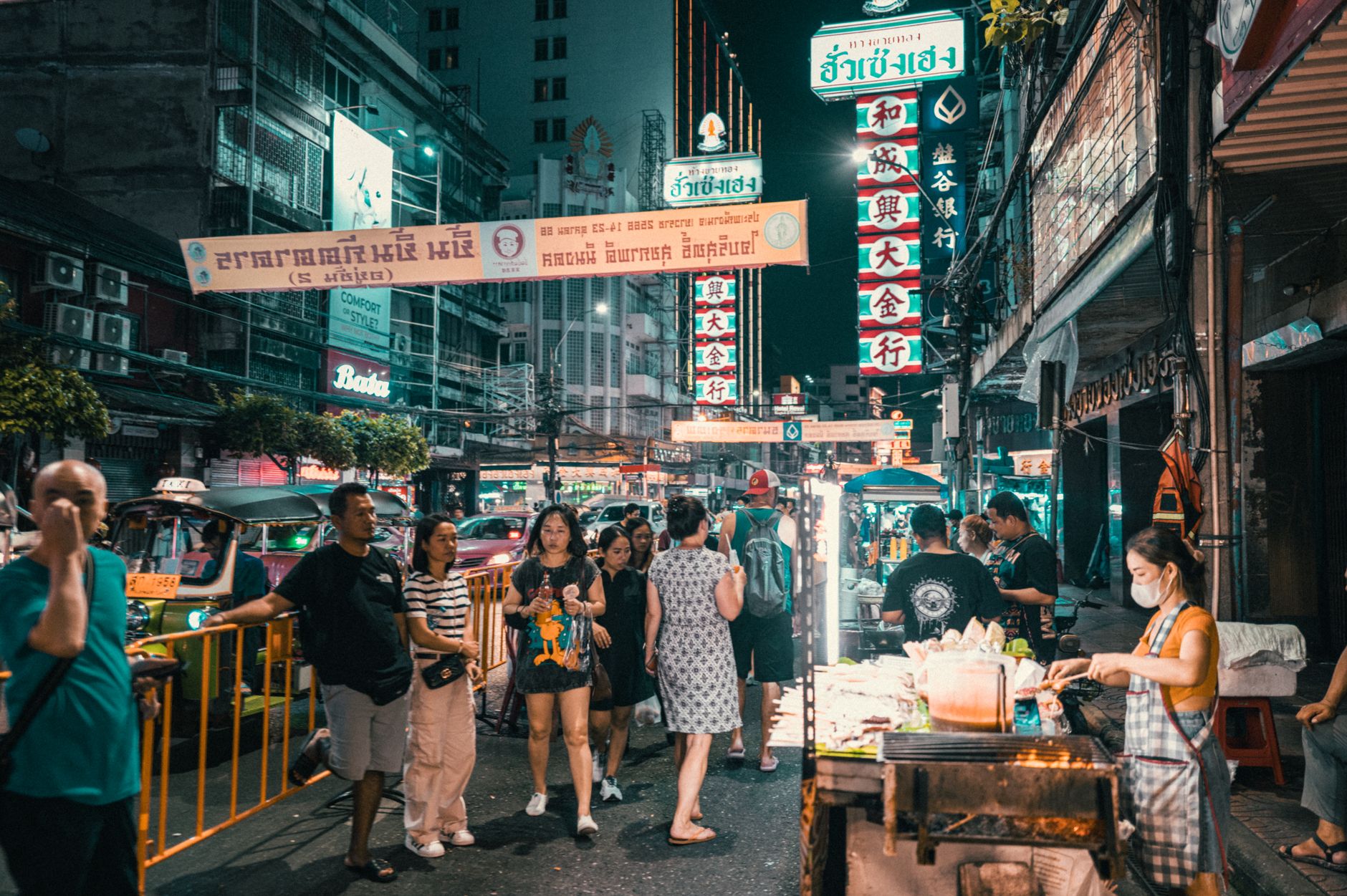
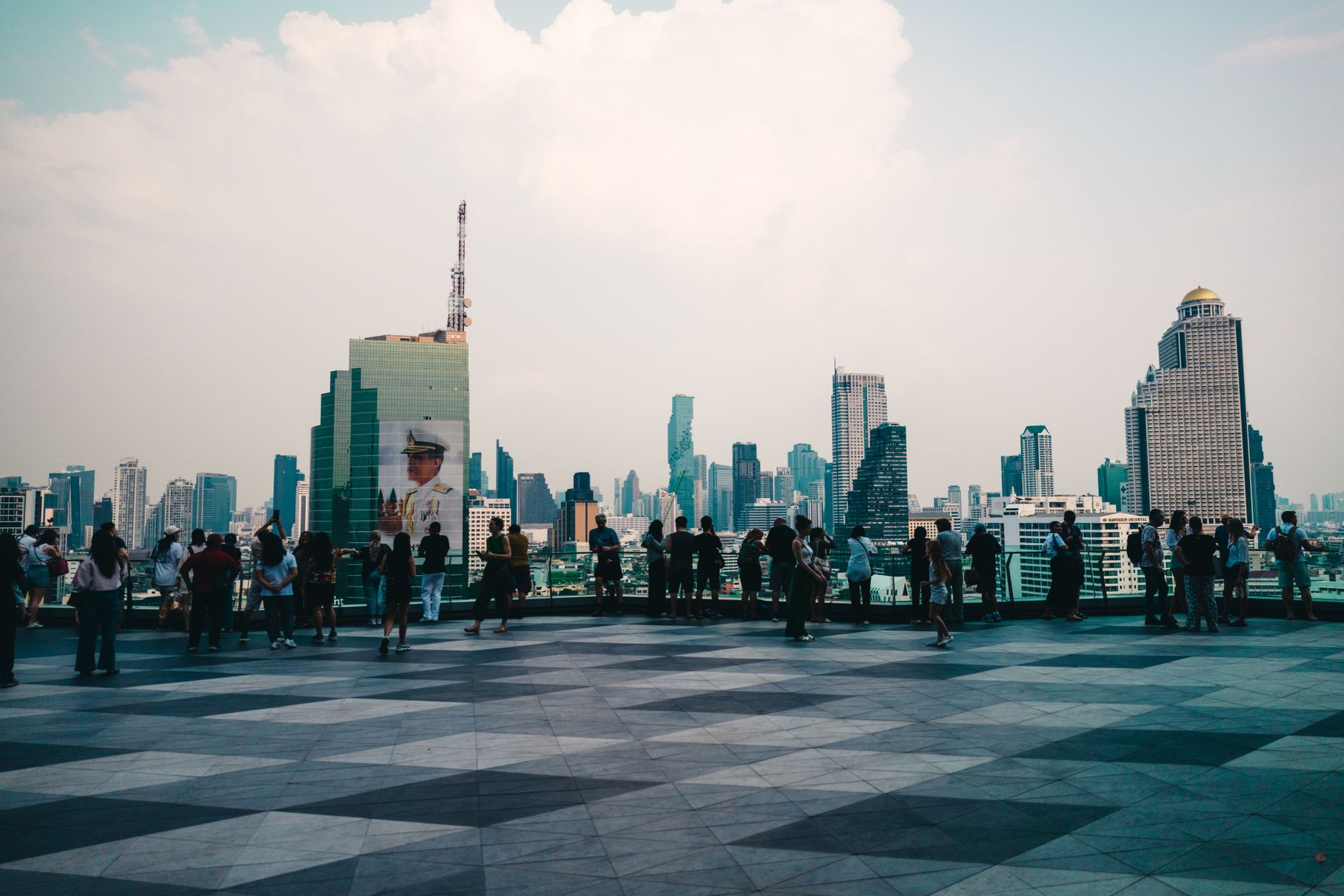
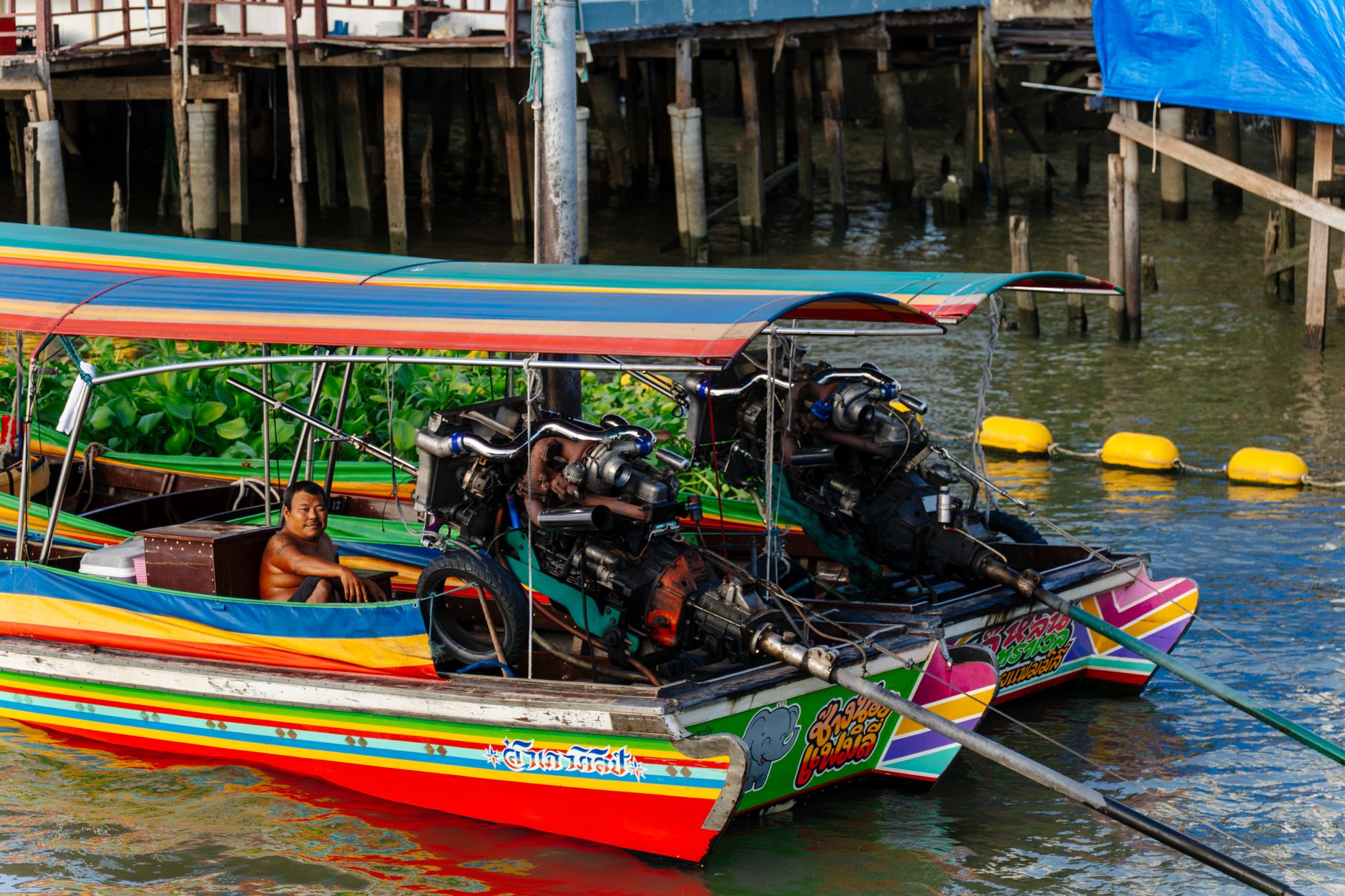
Bangkok's full ceremonial name runs to 169 characters — the longest place name in the world — and the city itself has something of that same refusal to be summarised. The Chao Phraya River still moves through the middle of it all, ferrying commuters and monks past temple spires and glass towers, as it has for centuries.
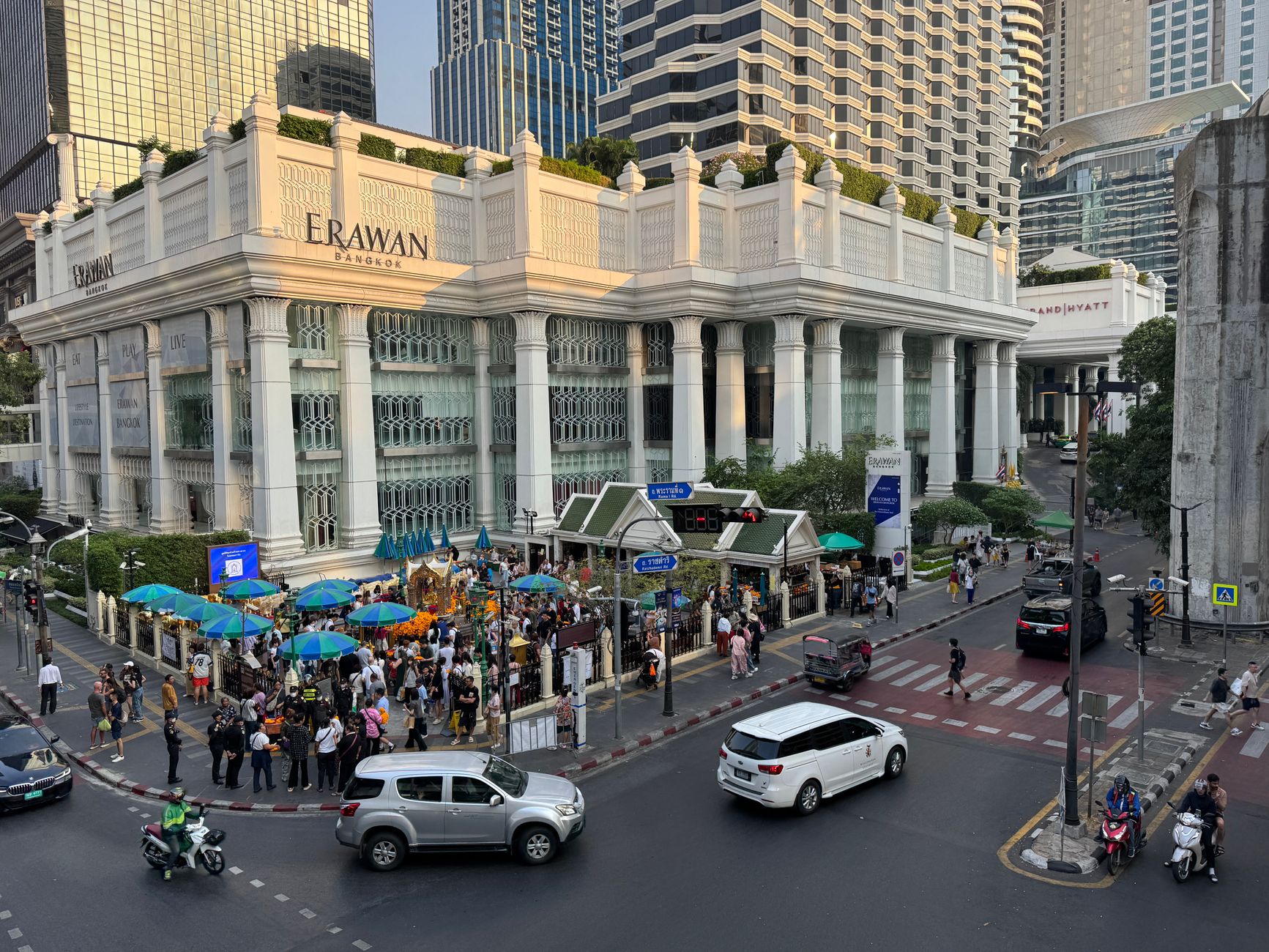
At street level, the city shifts register constantly: a golden chedi above a concrete flyover, a vendor pressing sugarcane juice beside a luxury mall entrance, a tuk-tuk threading traffic that the BTS Skytrain floats above entirely. Bangkok rewards the traveller who learns to use the river.
Popular cities in Bangkok, Thailand
💛 What travellers fall for
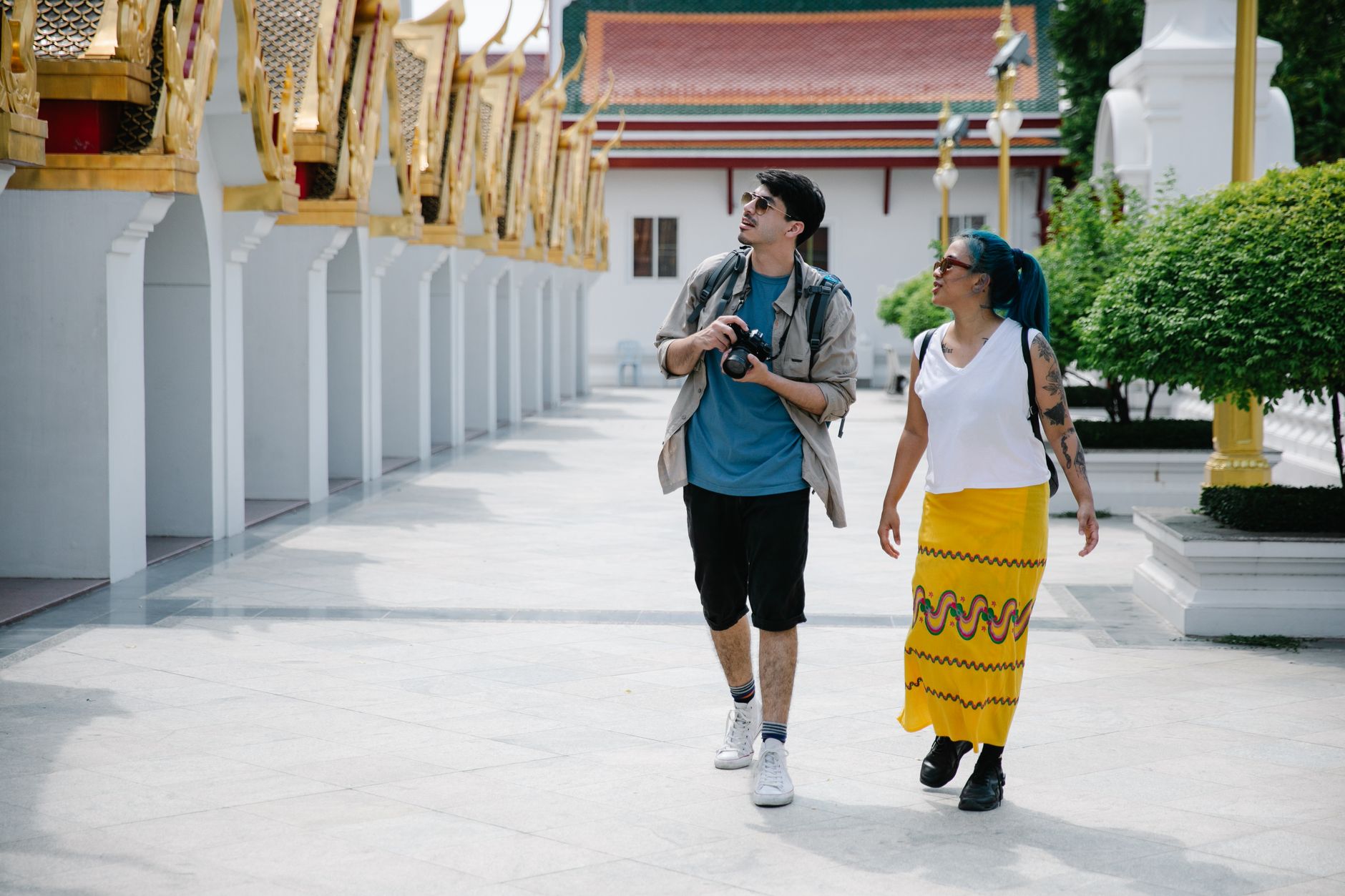
People who know Bangkok well tend to arrive at the Grand Palace by 8:30 AM, when the gates open and the courtyards are still cool. They take the Chao Phraya Express from Saphan Taksin rather than a taxi, get off at Tha Tien pier, and save Wat Pho — the great reclining Buddha, 46 metres of gilded calm — for the same morning.
How Bangkok, Thailand came to be
Bangkok's origins sit at least as far back as the early 15th century, when it was a riverside village under the Ayutthaya kingdom, used as a customs post with forts guarding both banks of the Chao Phraya. The city entered its modern chapter on 21 April 1782, when General Chao Phraya Chakkri — crowned Rama I — moved the capital from Thonburi on the western bank to the eastern shore and erected the city pillar that Thais still regard as the founding moment.
Within that first reign, the Grand Palace and Wat Pho rose on the new capital's ground. Wat Arun, whose central spire was later raised to 82 metres, had already stood on the opposite bank since before 1650. The city that Rama I laid out in 1782 remains, in its bones, the city you walk through today.
Who and what shaped it
People who shaped it
Landmark buildings
See Bangkok, Thailand in motion
Plan your visit
On the map
When to go
Bangkok runs hot and humid for most of the year, with a monsoon season roughly from May to October bringing daily downpours — usually intense but short. The months from November to February are noticeably drier and cooler, making them the most comfortable time to spend long hours outdoors.
Right now
↡ Cities
Background & history adapted from Wikipedia (CC BY-SA) · specs from Wikidata (CC0) · weather from Open-Meteo · map data © OpenStreetMap contributors · photos from Wikimedia Commons / Unsplash with per-image credit. No third-party reviews or social posts reproduced.