


Nice pre-dusk vibes, we showed up pretty early for dinner with zero expectations, just picked this spot since it’s close to Mahaseth. Turned out to be such a pleasant surprise. We’ve always thought Grande Centre Point was more about stays than food, and didn’t expect much from their dining. Clearly we were wrong. There’s a good variety on the menu, and the pan-seared sea bass was a standout, really well done with some thoughtful touches. The sangria was especially refreshing in the April Bangkok heat, and the mocktails were fun too, lots of creative options, even without alcohol. Service was great overall. Big thanks to Khun Sor (or saw) for being super helpful, especially with drink recommendations. Definitely coming back! This time was just a small birthday dinner for my daughter, but next round we’re bringing friends along.
Bangrak
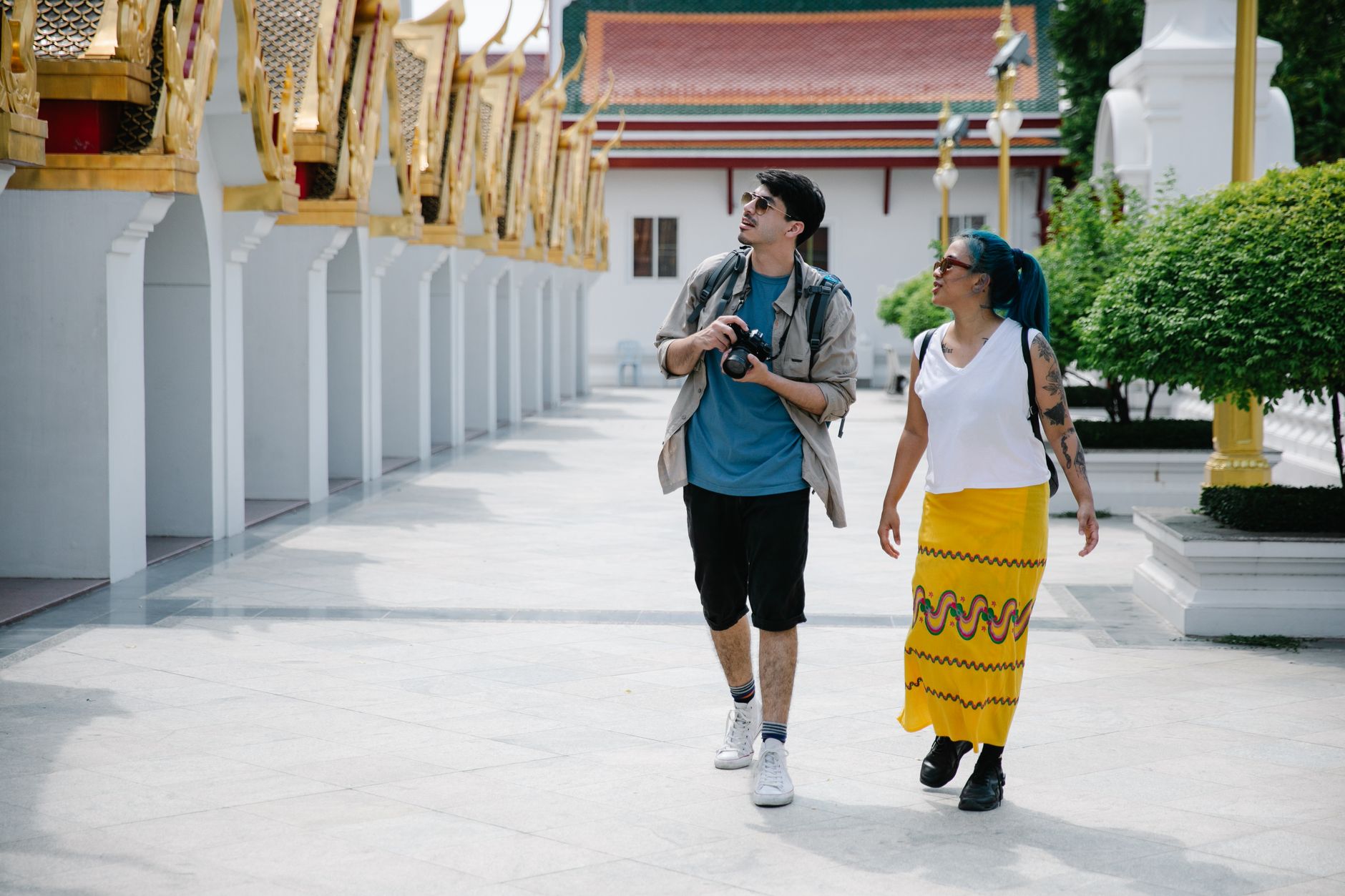
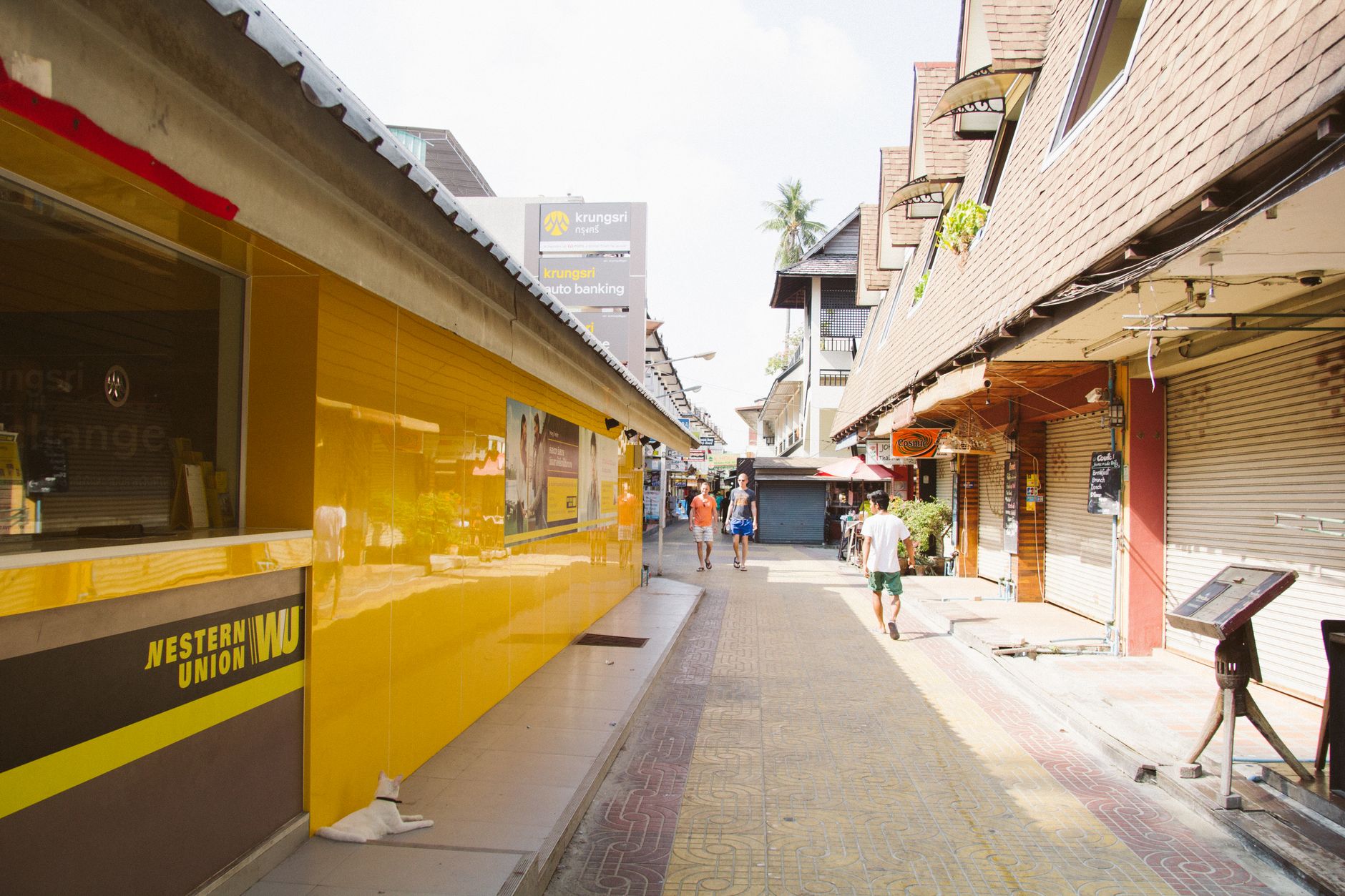
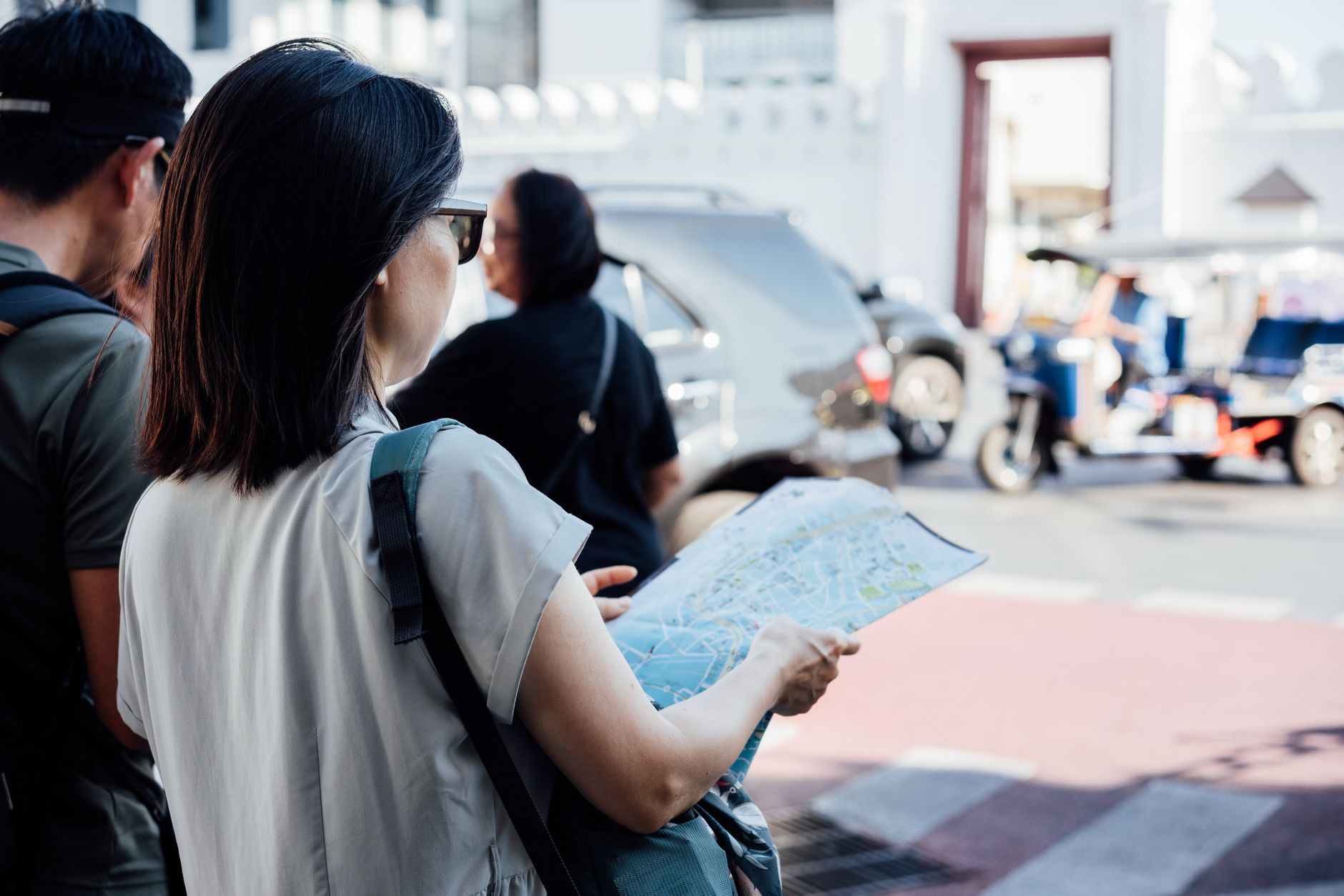
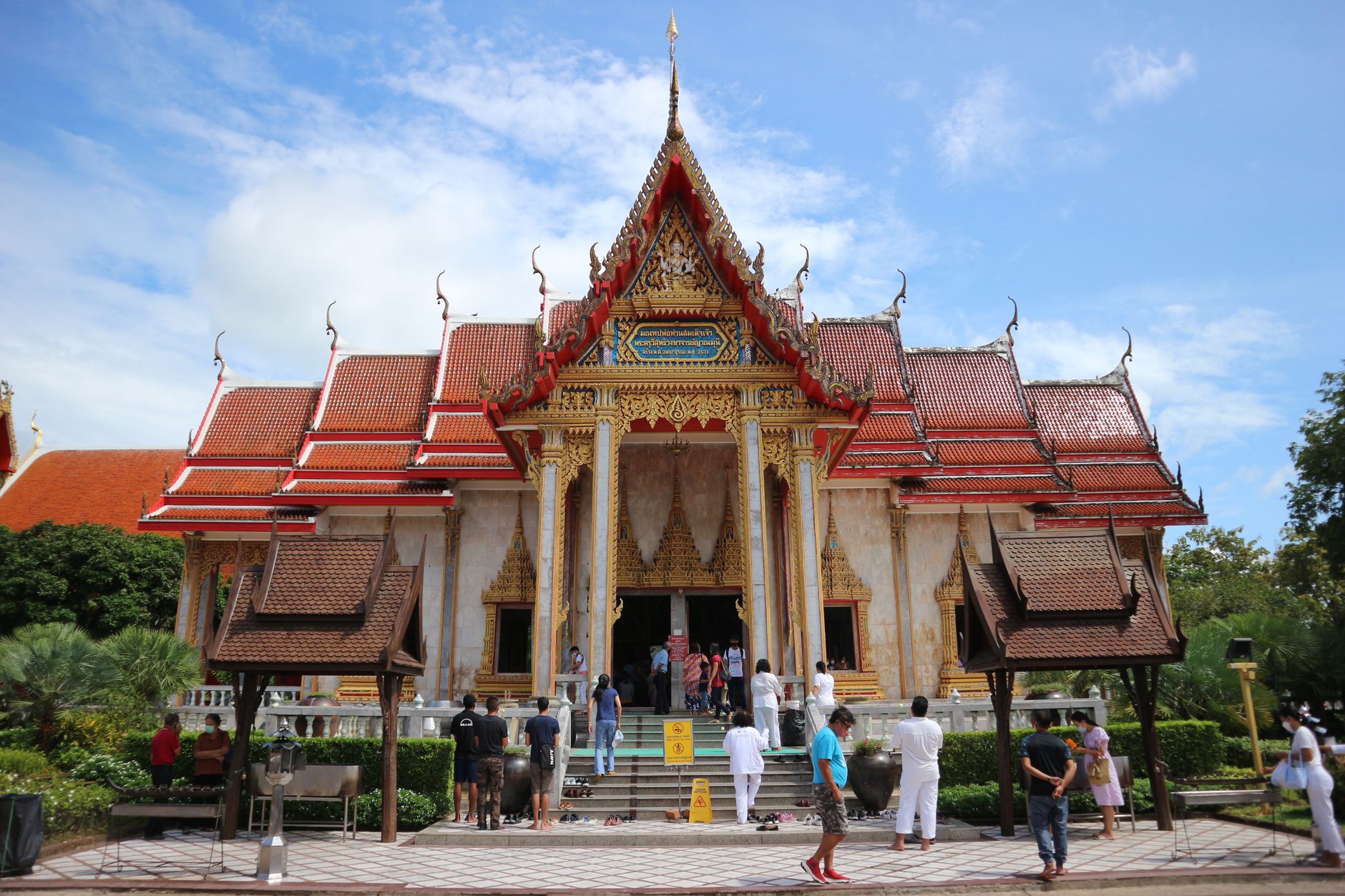
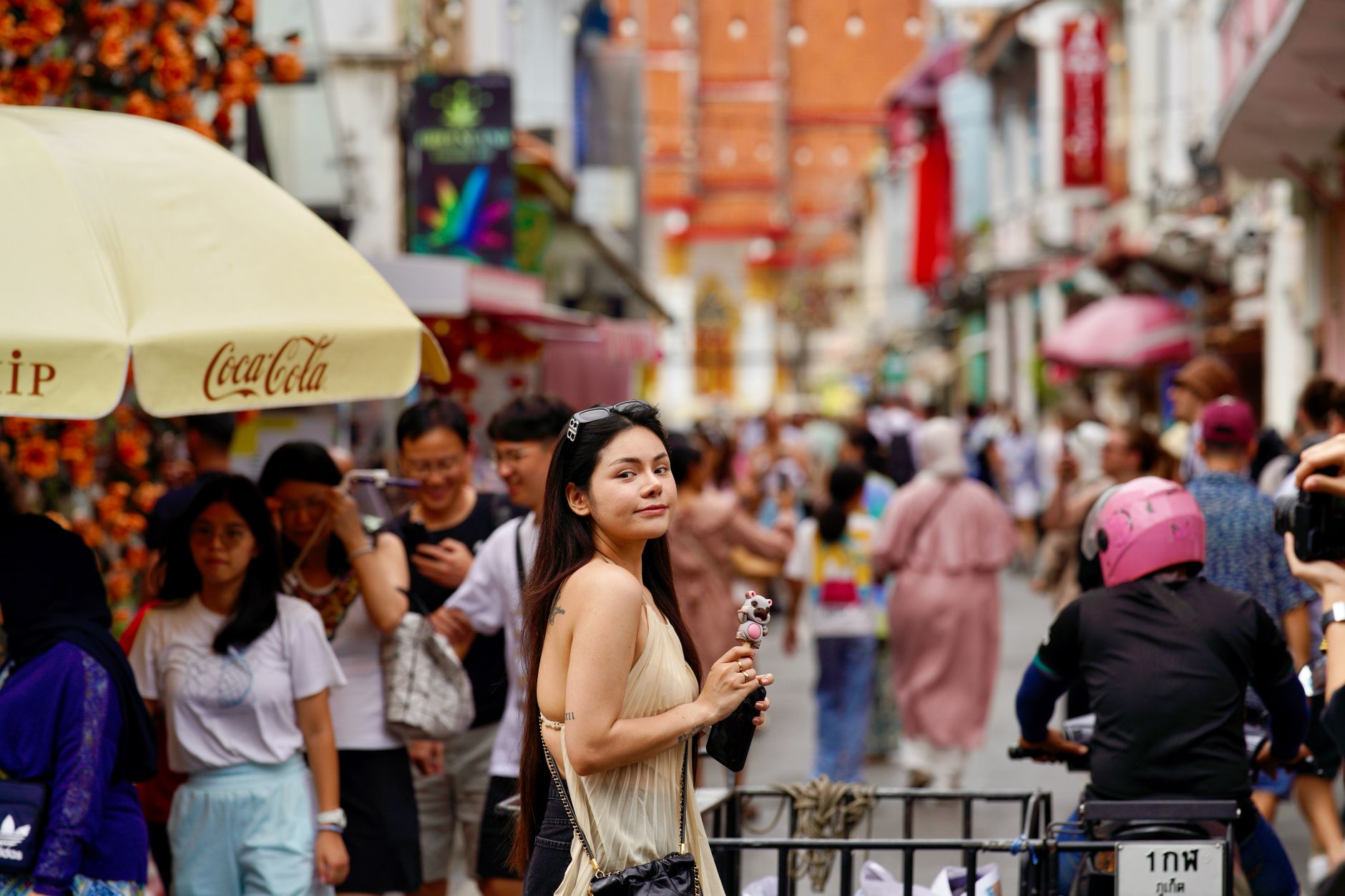
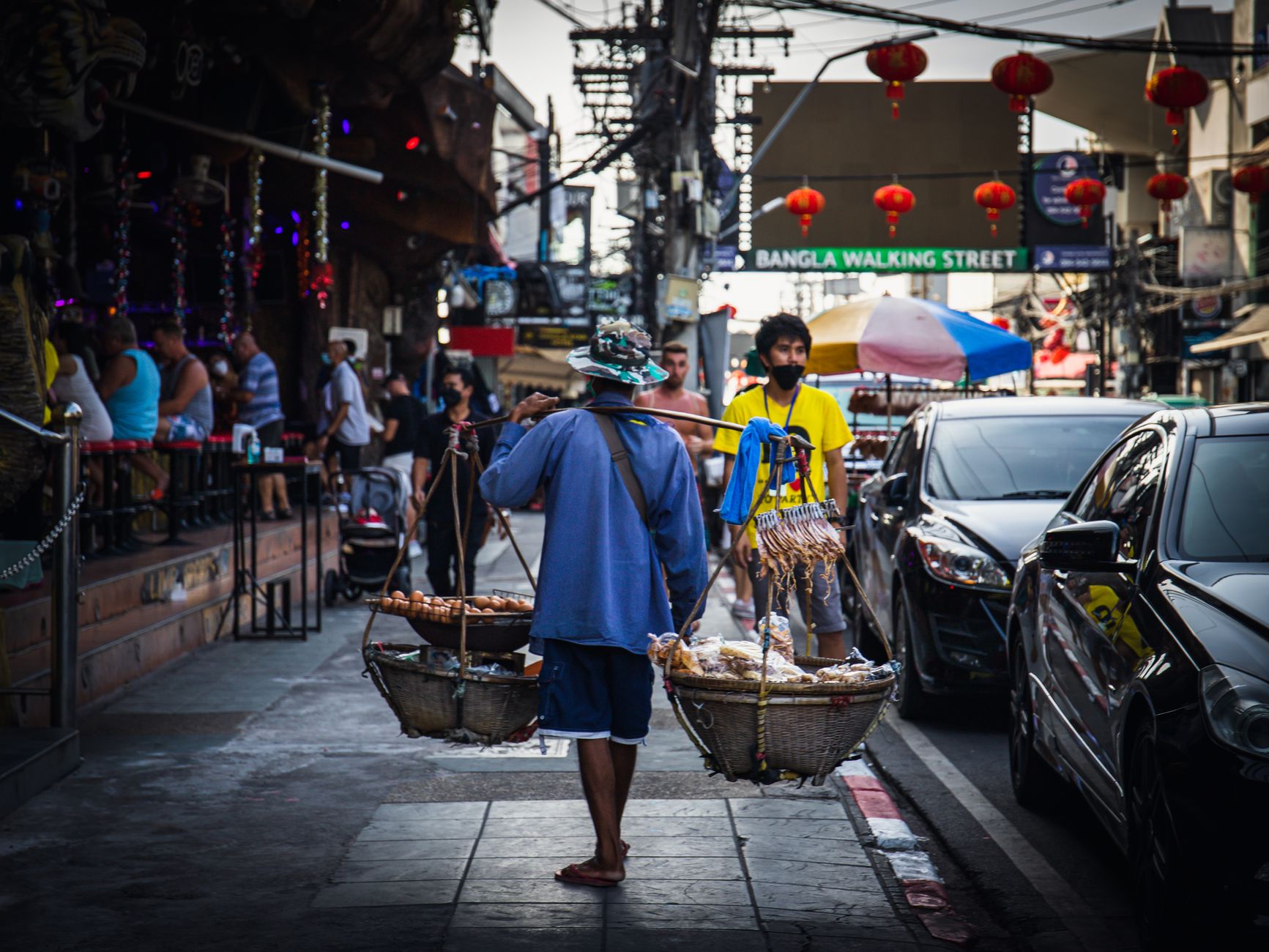
Bangrak is where Bangkok first learned to accommodate strangers. The Europeans who arrived in the mid-nineteenth century asked for a road they could actually walk on, and so Charoen Krung — the city's first paved road — was laid through the district in the 1860s. That founding gesture shaped everything: the Assumption Cathedral, the Haroon Mosque, the Sri Maha Mariamman Temple, and the Neilson Hays Library all rose within a few blocks of each other, each community staking out ground along the same riverside strip.
Today Charoen Krung still holds the district together, running from the Chao Phraya waterfront past the old Customs House and the repurposed General Post Office — now the Thailand Creative and Design Centre — before threading into Silom. The layers haven't been smoothed over so much as accumulated.
💛 What travellers fall for
People who keep coming back tend to anchor themselves at the Neilson Hays Library on a quiet weekday afternoon — it's genuinely calm inside that 1922 neoclassical building, and the courtyard café is the kind of place you stay longer than planned. The Bangkokian Museum, tucked off Charoen Krung near Maha Set Road, rewards the unhurried visitor with a preserved middle-class Bangkok home that most people walk straight past.
Experiences you don't want to miss
Deals in Bangrak
Book directly at the providerHow Bangrak came to be
Bang Rak's shape was decided by a royal boundary. In the middle of the nineteenth century, King Rama IV ruled that Chinese settlement would stop at Talad Noi to the north, and that Europeans could establish themselves in Bang Rak. Those Europeans wanted a road, and Charoen Krung — Bangkok's first paved road — was the result, built in the 1860s to serve a district that quickly filled with residences, diplomatic offices, warehouses, and a harbour. By the turn of the century it was the city's main expatriate neighbourhood and a commercial hub simultaneously.
The district's formal administrative identity arrived in 1908 with its first government proclamation, and its present boundaries were set in 1915. In 1970, the Dusit Thani Hotel opened as Bangkok's first high-rise, triggering the wave of construction that would define Silom and Sathon through the economic boom of the early 1990s.
Who and what shaped it
People who shaped it
Landmark buildings
See Bangrak in motion
Plan your visit
On the map
When to go
Bangkok's dry season, roughly November to February, brings lower humidity and temperatures that make walking Charoen Krung genuinely pleasant. The hot season from March through May is intense at street level; the rainy season that follows brings afternoon downpours but also quieter streets and lower prices.
Right now
What travellers say about Bangrak
I came here with my partner and we really enjoyed it. There was live music playing which made the experience even better. Our dinner was splendid with good portions. Dessert (Panna cotta and Banoffee Pie) was delicious - 10/10. Our waitress Jeesy, was so attentive and polite!
Amazing restaurant! The food was delicious, the atmosphere very elegant, and the staff were Noynha incredibly friendly. Highly recommended!
Jesse was our waitress for the evening and she was extremely attentive, smiley and welcoming. The food was great and really enjoyed the teriyaki sauce with the beef starter - they put a small amount of dill on it which tasted amazing. The venue is beautiful.
Absolutely amazing! The place is beautiful. Located on 30th floor that you will enjoy a beautiful sunset moment. Staff are super friendly, warm welcoming and always with a smile. At first I started with a signature drink ‘Bangrak Kiss’. The make me WOW 🤩 . Then I took a spaghetti with grill bacon and purple sweet potatoes French fries! that it was awesome. All dishes are exceptional! Very tasty and well prepared, As for the price, it's not expensive at all. I am definitely going back!!
Background & history adapted from Wikipedia (CC BY-SA) · specs from Wikidata (CC0) · weather from Open-Meteo · map data © OpenStreetMap contributors · photos from Wikimedia Commons / Unsplash with per-image credit. No third-party reviews or social posts reproduced.