
Bang Na
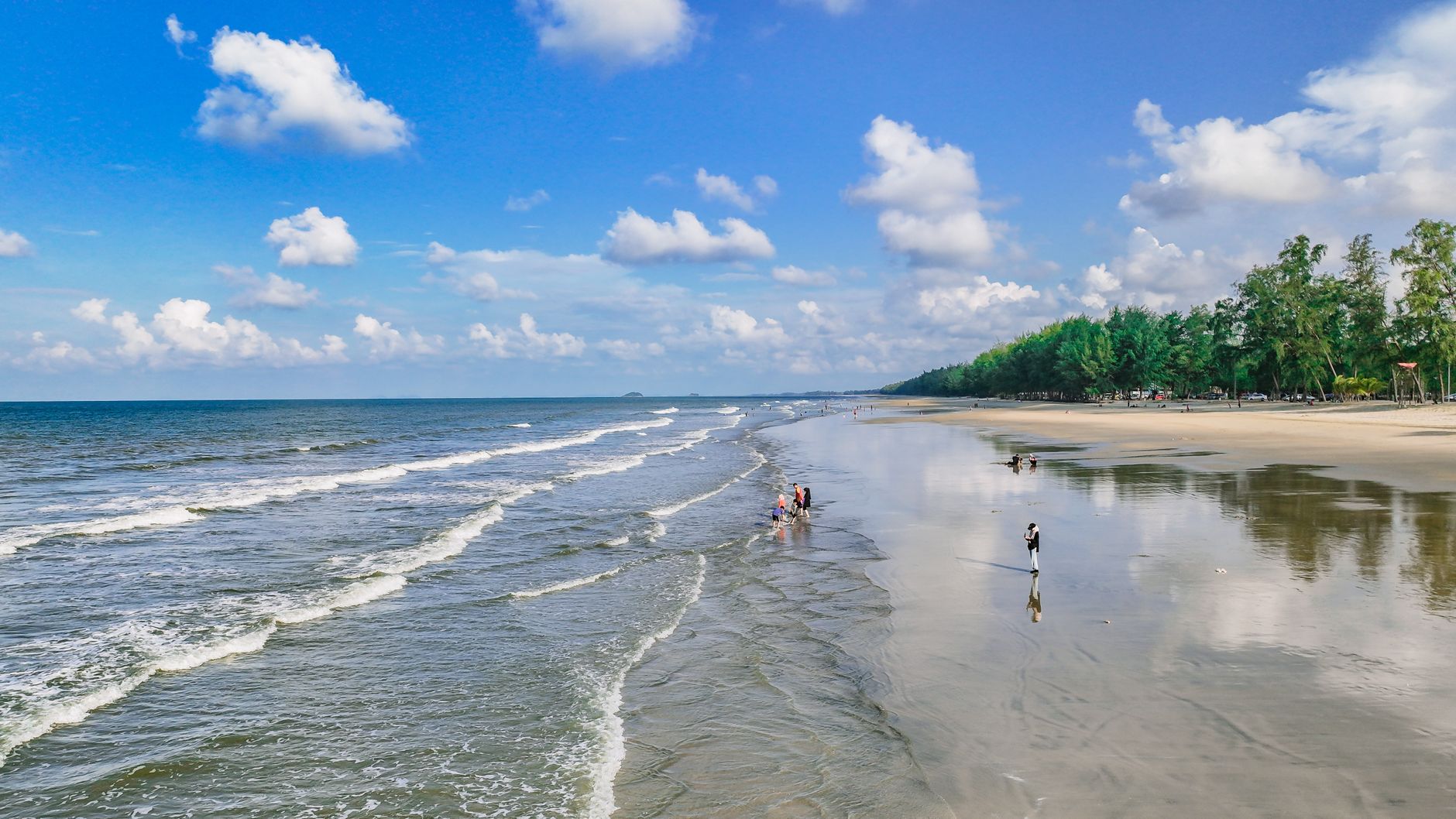
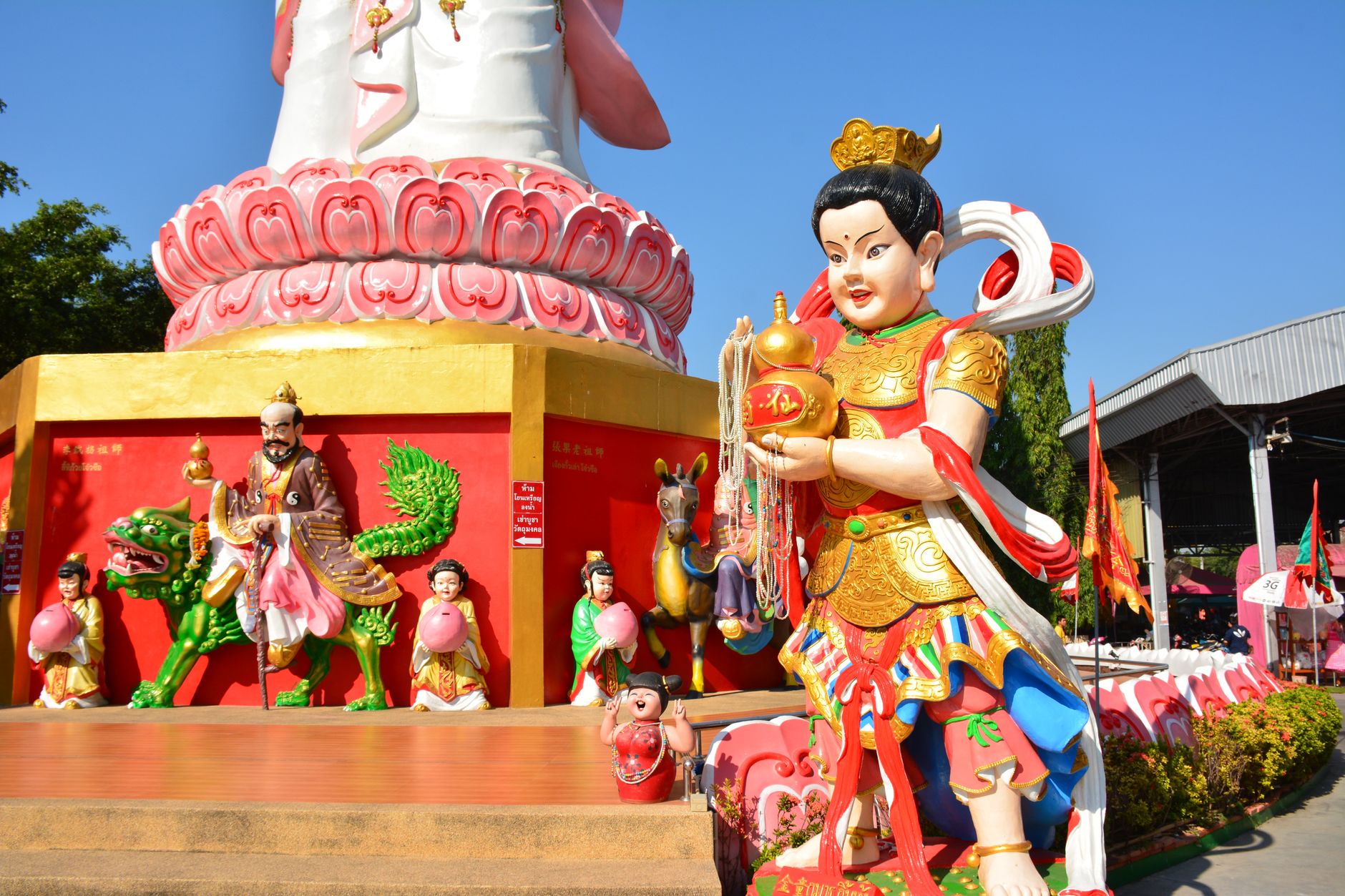
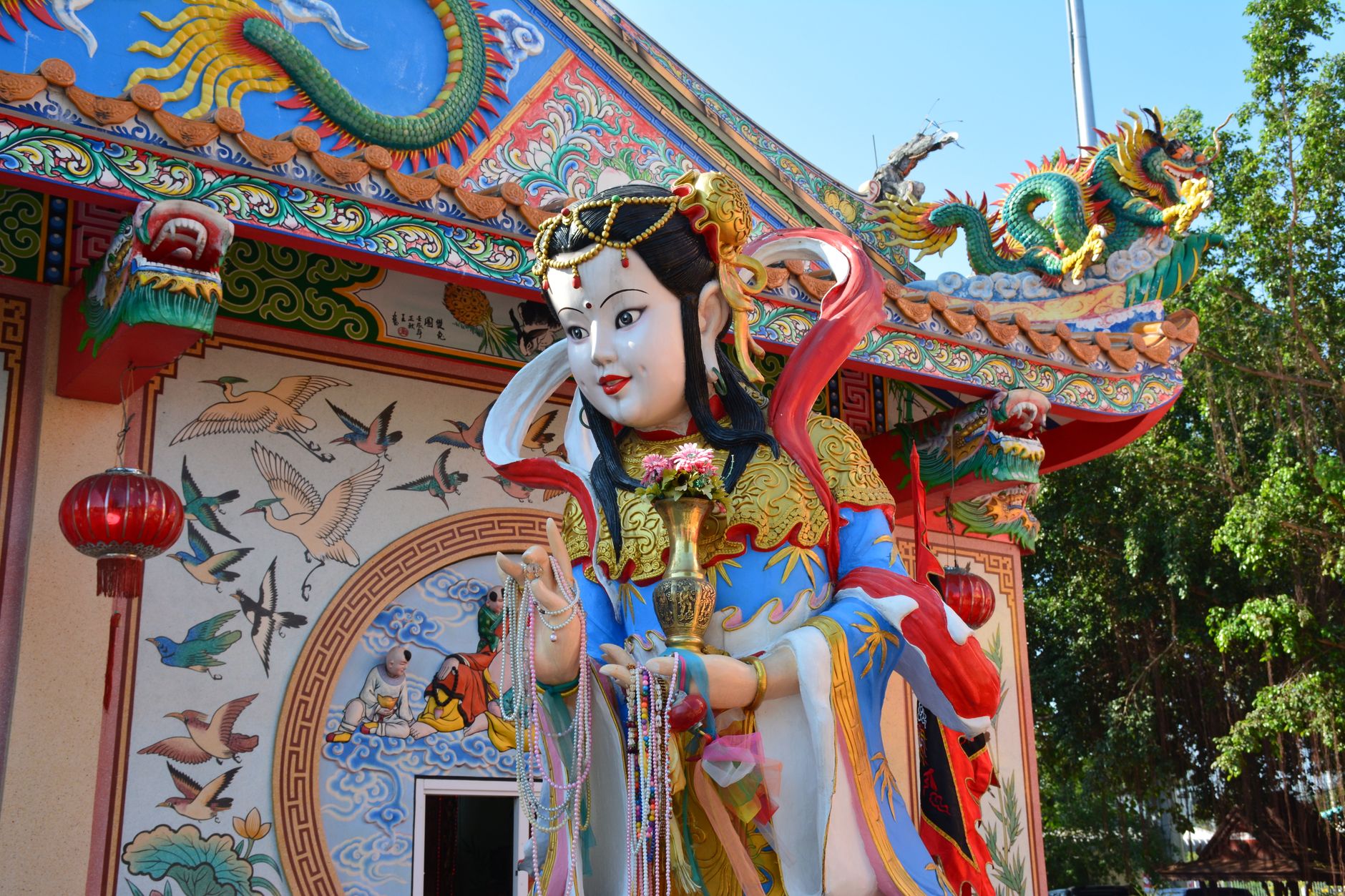
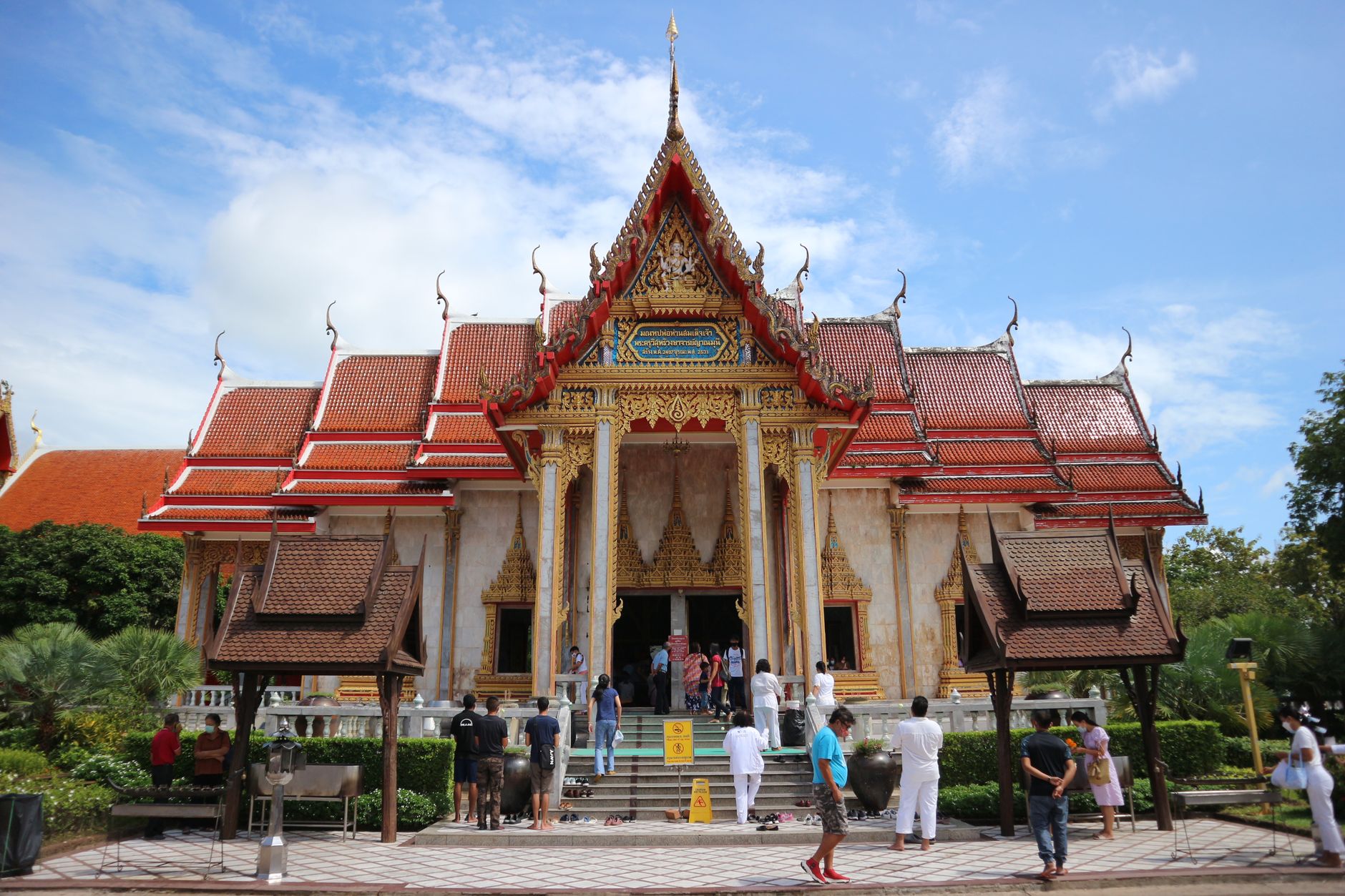
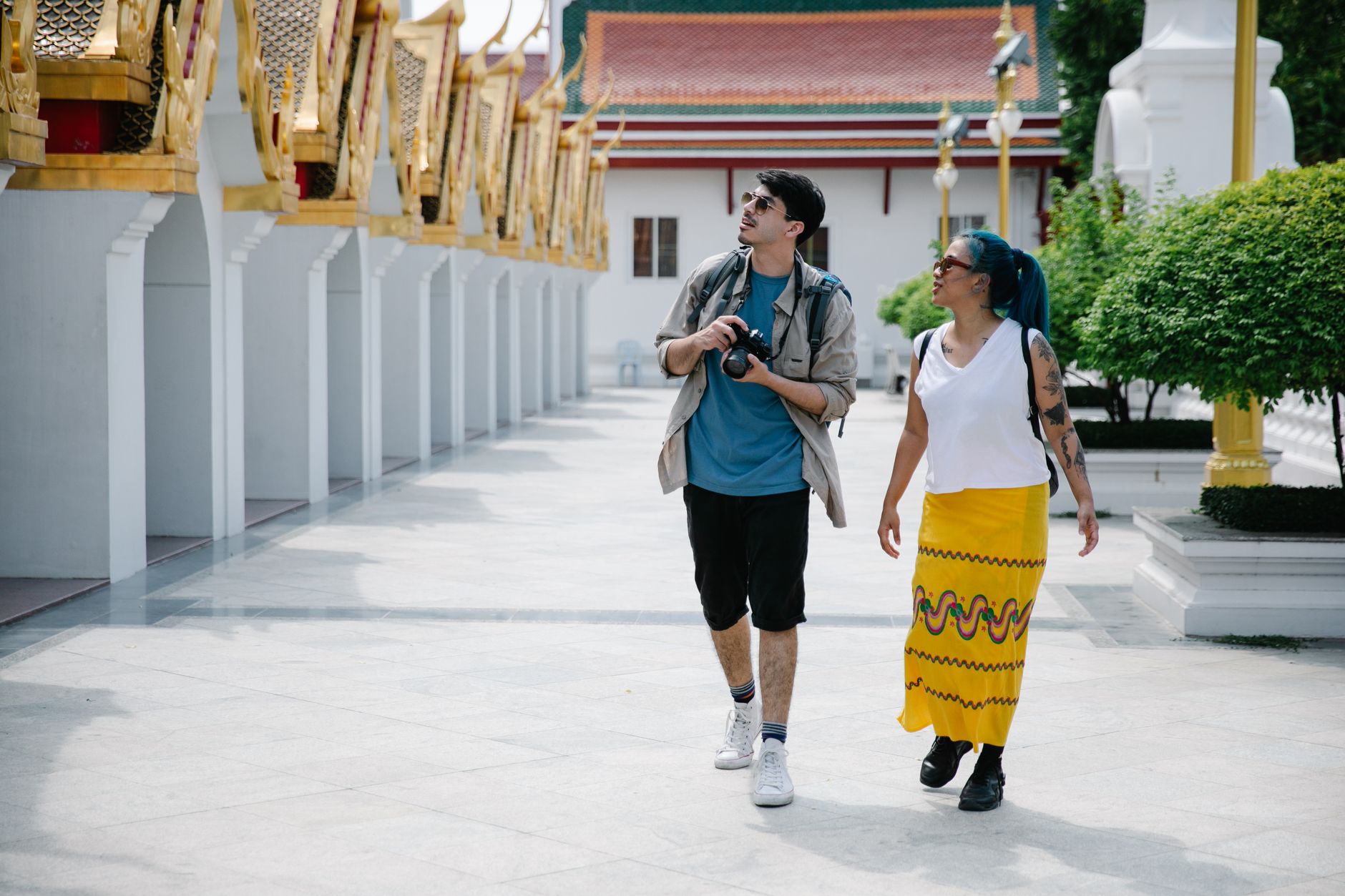

Bang Na sits at the southeastern edge of Bangkok's skytrain map, where the city's rice-farming past collides with one of its most concentrated stretches of large-scale commerce. The name itself means 'a place of rice farms,' and while the paddies are long gone, that agricultural flatness still shapes the district — wide roads, low horizons, and a sense of space that the older inner districts rarely offer.
What draws people out here is specific: a convention centre that can move 100,000 visitors in a day, a former record-holding restaurant where waiters still roller-skate between tables, and a floating market on the far side of the expressway that operates on a different clock entirely.
💛 What travellers fall for
Regulars tend to time Bang Na around BITEC's event calendar — the Bangkok International Motor Show being the obvious anchor — then fold in a Sunday morning at Bang Nam Phueng Floating Market before the heat builds. The skywalk from Bang Na BTS to BITEC is genuinely useful; skip the taxi queue and walk the 500 metres instead.
Experiences you don't want to miss



Deals in Bang Na
Book directly at the provider

How Bang Na came to be
Bang Na spent most of its existence as a sub-district of Phra Khanong, its identity shaped by the canal-side rice economy that gave it its name. Temples like Wat Bang Na Nai, founded in the late 19th century as a modest canal-side community, were the district's anchors for generations.
The 1990s changed the equation fast. Southeastern Bangkok's population swelled, commercial development accelerated along the expressway corridors, and the existing administrative structure buckled under the pressure. On 6 March 1998 — the same year BITEC opened its doors — Bang Na was formally separated from Phra Khanong and recognised as its own district. The timing was not coincidental: the government was drawing new boundaries to match a city that had already redrawn itself.
Who and what shaped it
Landmark buildings
See Bang Na in motion
Plan your visit
On the map
When to go
December to mid-February is the sweet spot — temperatures sit in the high 20s Celsius and the air is drier than at any other point in the year. From May through October the monsoon brings serious rainfall, with September averaging around 244 mm; outdoor plans around the floating market work best in the morning before afternoon downpours arrive.
Right now
Background & history adapted from Wikipedia (CC BY-SA) · specs from Wikidata (CC0) · weather from Open-Meteo · map data © OpenStreetMap contributors · photos from Wikimedia Commons / Unsplash with per-image credit. No third-party reviews or social posts reproduced.