
Baden-Baden
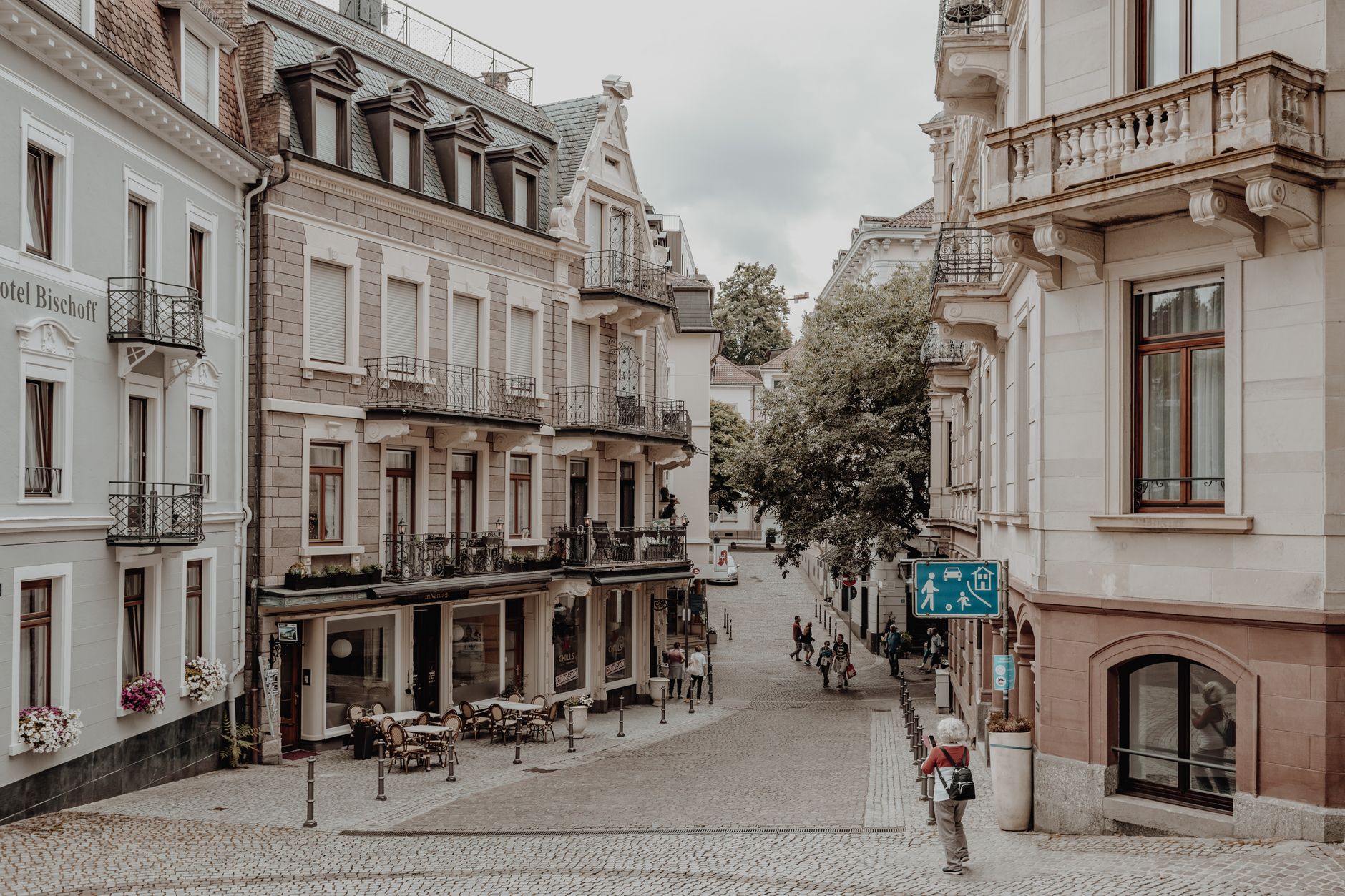
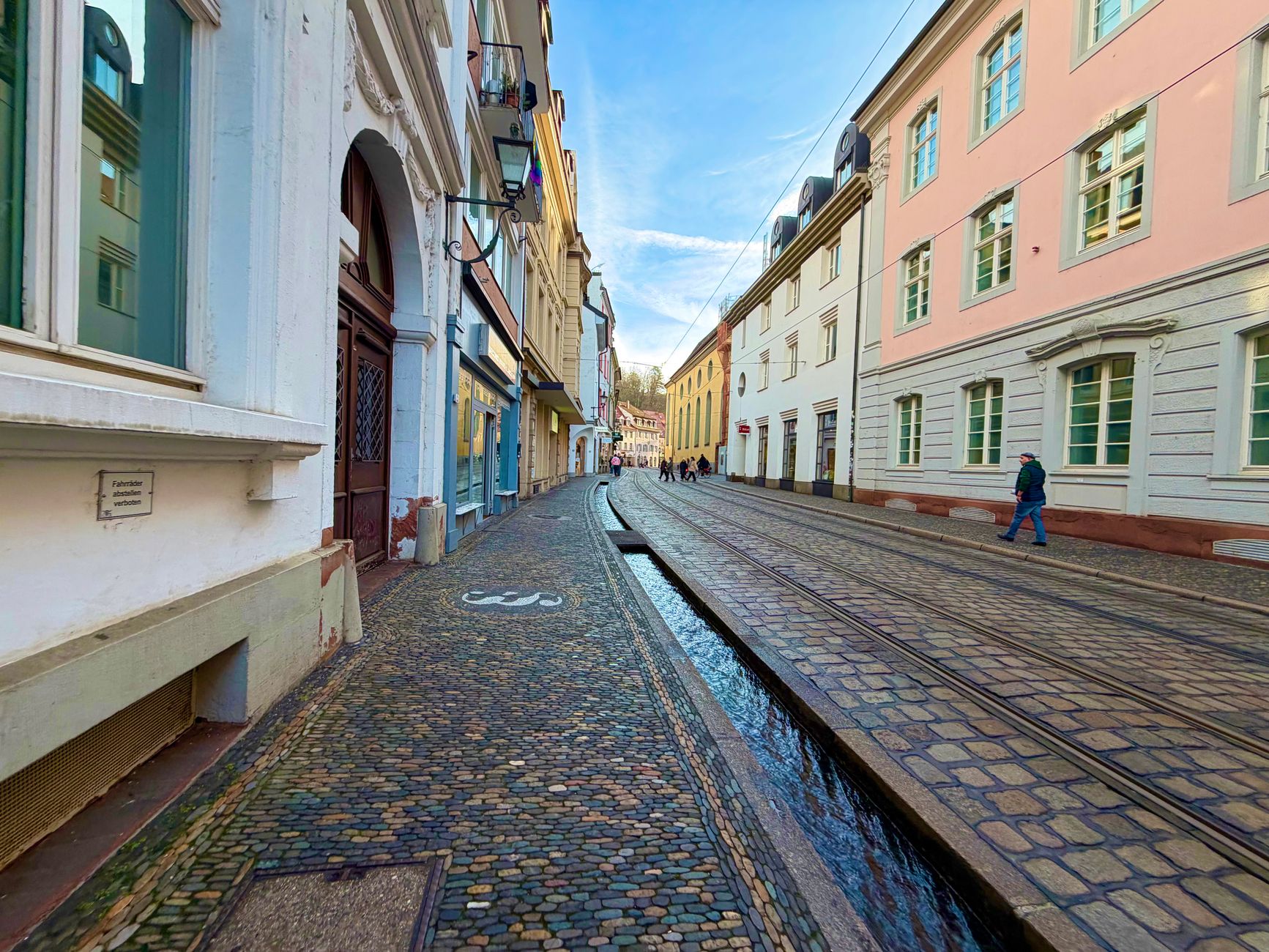
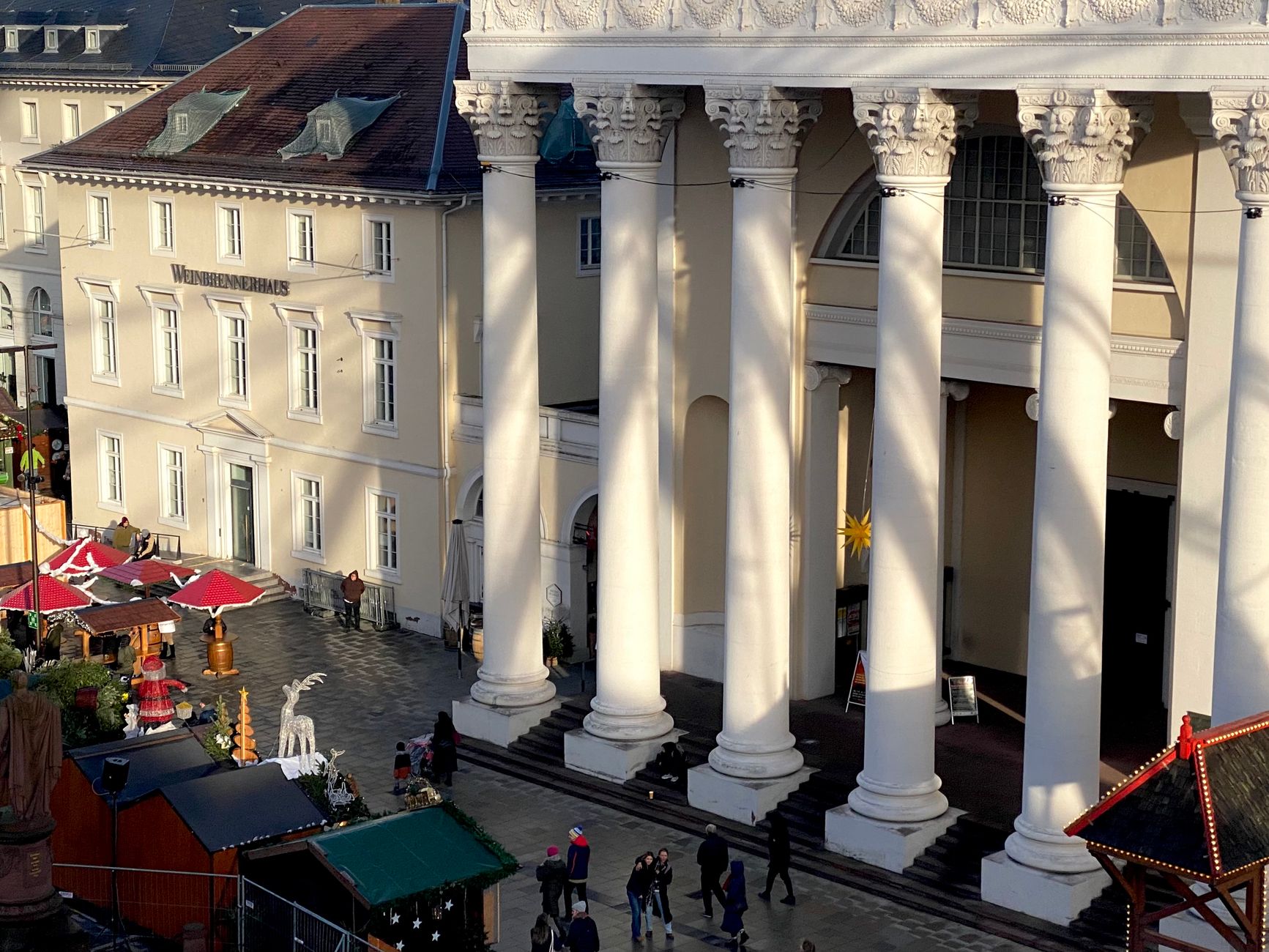
The thermal springs here have been drawing people for roughly two thousand years, and Baden-Baden has never quite lost the habit of being looked at. Walk the Lichtentaler Allee on a summer morning and you pass the Brahms House, the Museum Frieder Burda, the Kurhaus with its elaborately painted ceilings — all within a few unhurried kilometres. The scale is intimate but the ambition is not.
In the 1850s and 60s, under Napoleon III's orbit, this was where European society came to summer, gamble and take the waters. That era left behind the Trinkhalle's 90-metre fresco-lined corridor, the 1861 Theater, the Friedrichsbad bathing temple. The UNESCO designation came in 2021, but the architecture had been making the argument for much longer.
💛 What travellers fall for
People who come back tend to mention the same two things: the Trinkhalle early, before the day crowds arrive — just the Corinthian columns and the light on the frescoes — and the Festspielhaus on a concert night, when the old train-station bones of the building make the whole experience feel slightly improbable in the best way.
Experiences you don't want to miss


Deals in Baden-Baden
Book directly at the provider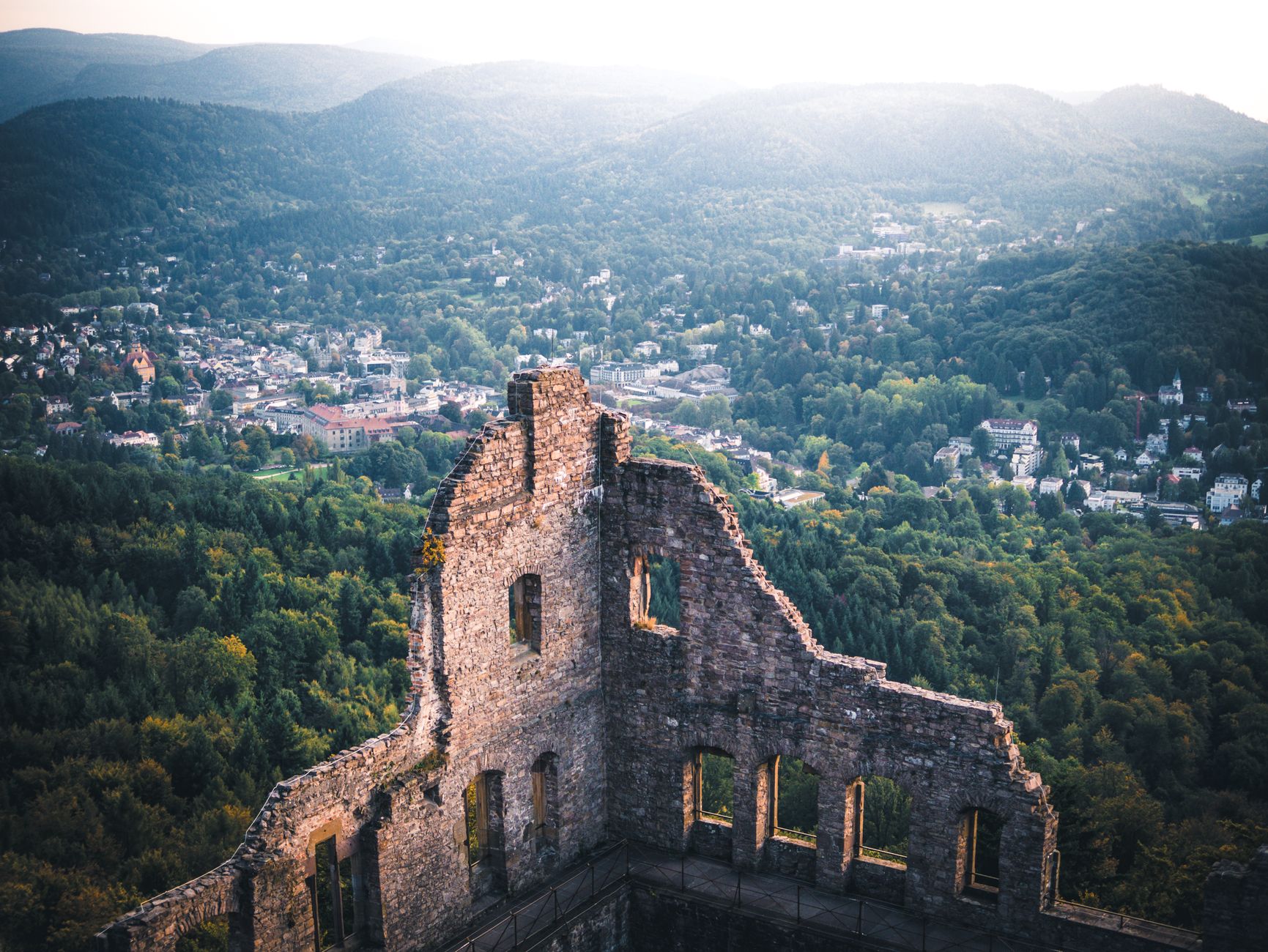


How Baden-Baden came to be
Romans settled here around 80 AD, naming the site Aquae for its thermal springs; the baths were expanded under Emperor Caracalla in the early 3rd century. The margraves arrived in medieval form, establishing their seat at Hohenbaden Castle before moving down to the Neues Schloss in 1479. The city was burned to the ground in 1689 during the Nine Years' War and had to rebuild itself from rubble.
The 19th century remade it again, this time as a stage. By the 1850s and 60s Baden-Baden was effectively the summer capital of European high society — Dostoevsky lost badly at the casino (the experience fed directly into The Gambler), Brahms spent nine summers in Lichtental composing the German Requiem and his early symphonies. The Greek Chapel on the Michaelsberg, built in 1863 as a tomb for a Moldavian prince's teenage son, stands as a quieter monument to that gilded, grief-marked era.
Who and what shaped it
People who shaped it
Landmark buildings
See Baden-Baden in motion
Plan your visit
On the map
When to go
Summer runs warm and genuinely sunny — July averages over eight hours of daylight and highs around 25°C, with cool enough nights to sleep well. Annual rainfall is substantial, so a layer and a compact umbrella earn their place in any season.
Right now
Background & history adapted from Wikipedia (CC BY-SA) · specs from Wikidata (CC0) · weather from Open-Meteo · map data © OpenStreetMap contributors · photos from Wikimedia Commons / Unsplash with per-image credit. No third-party reviews or social posts reproduced.