
Auxerre
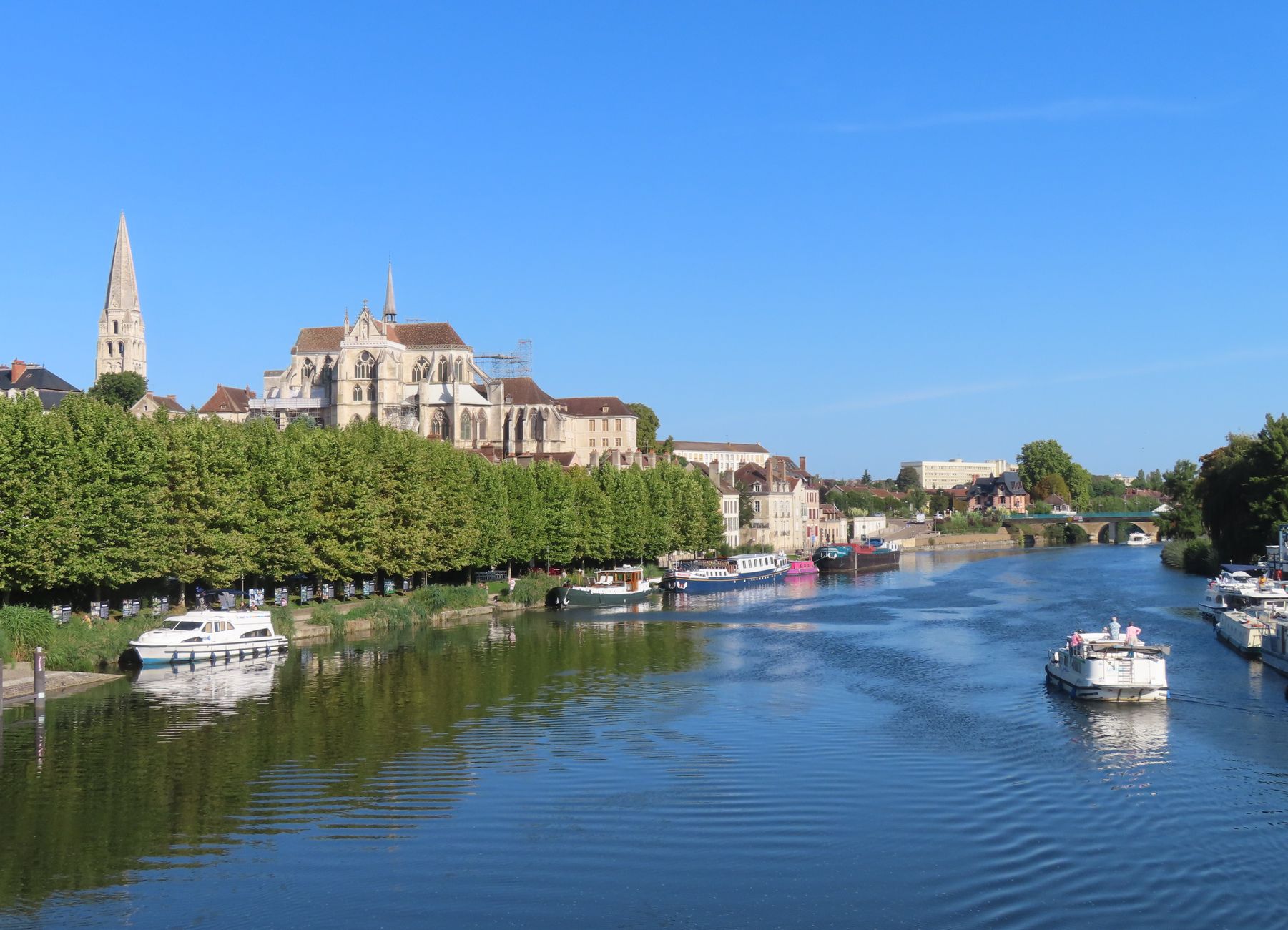


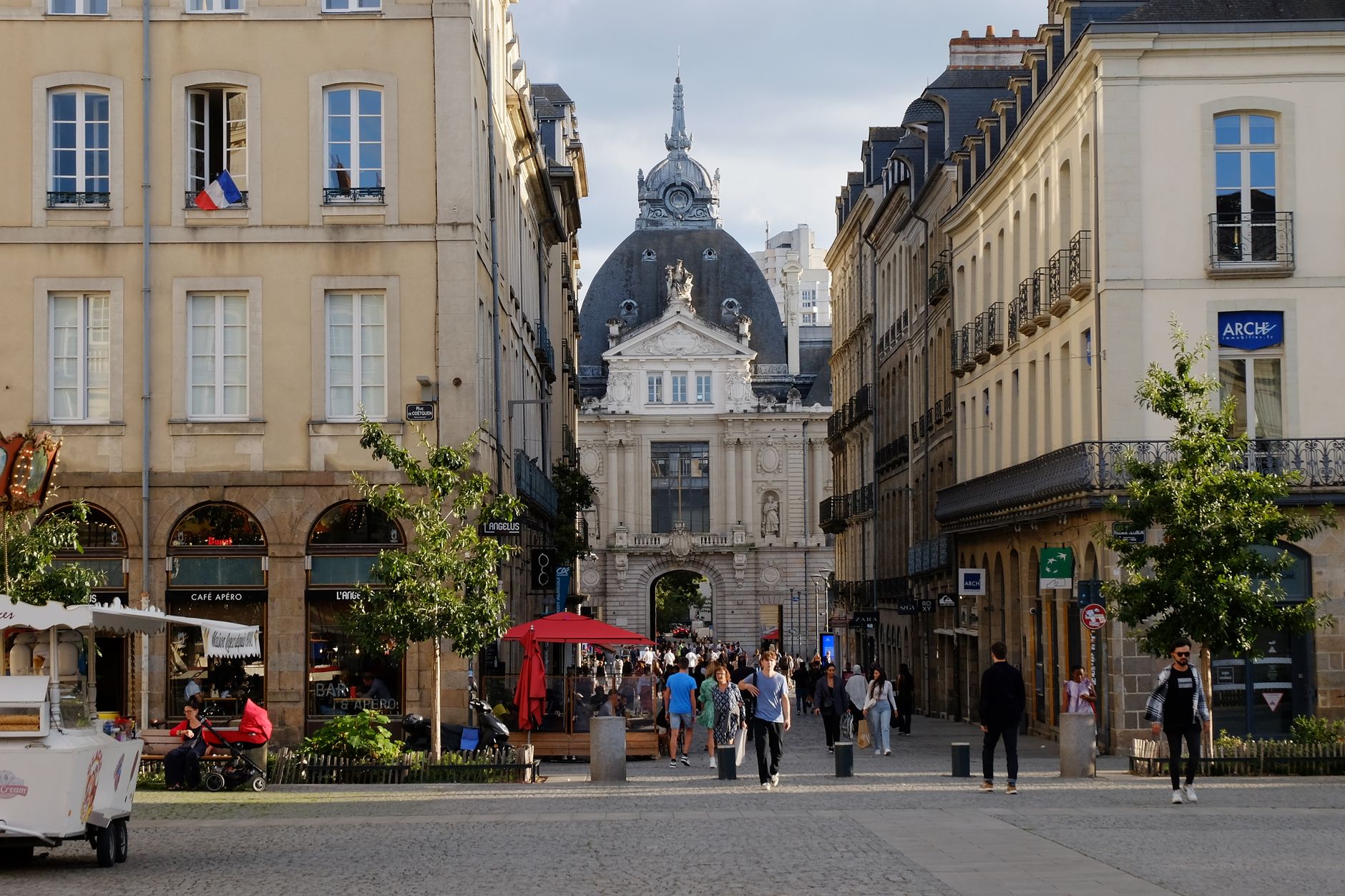
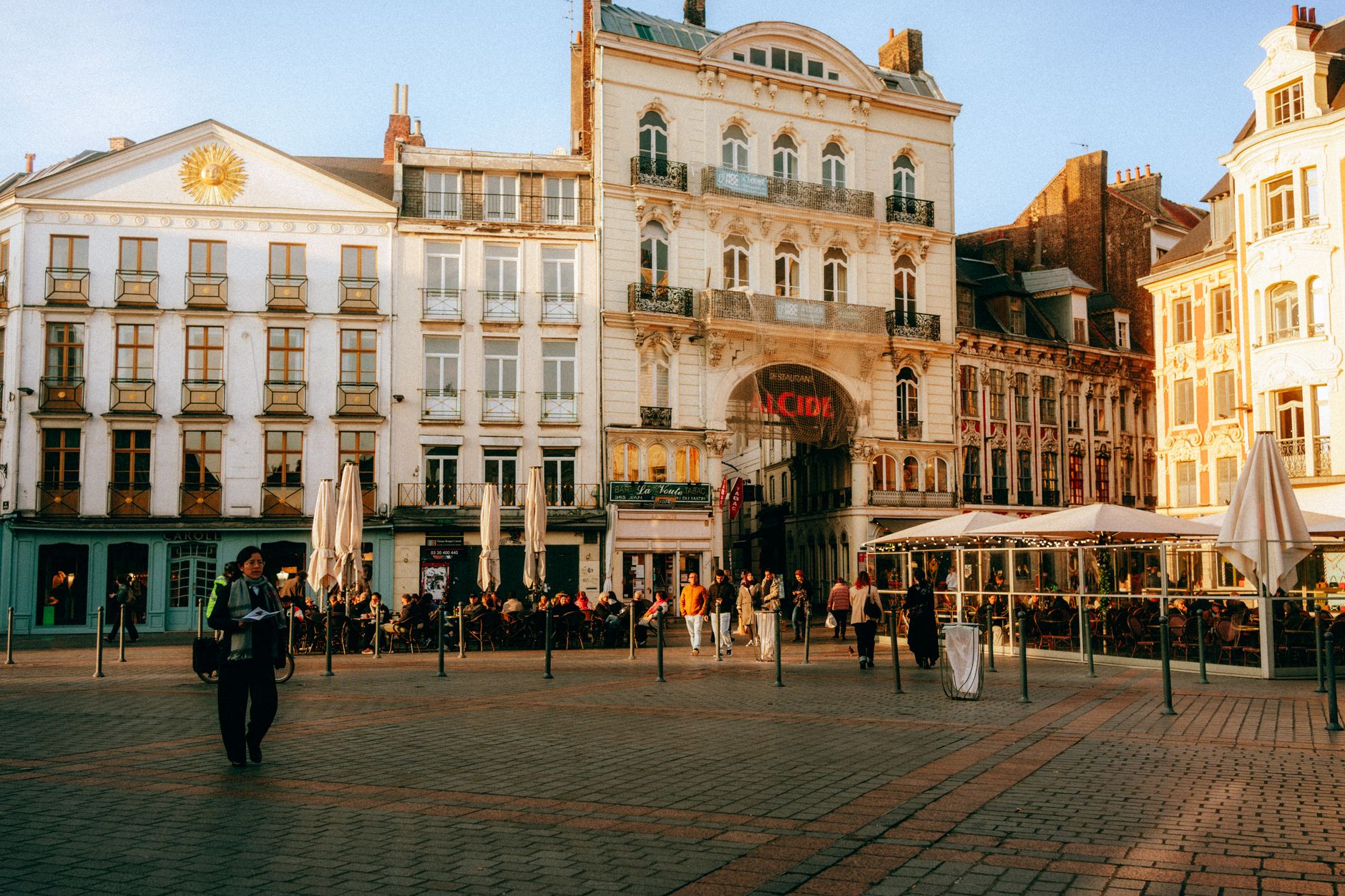
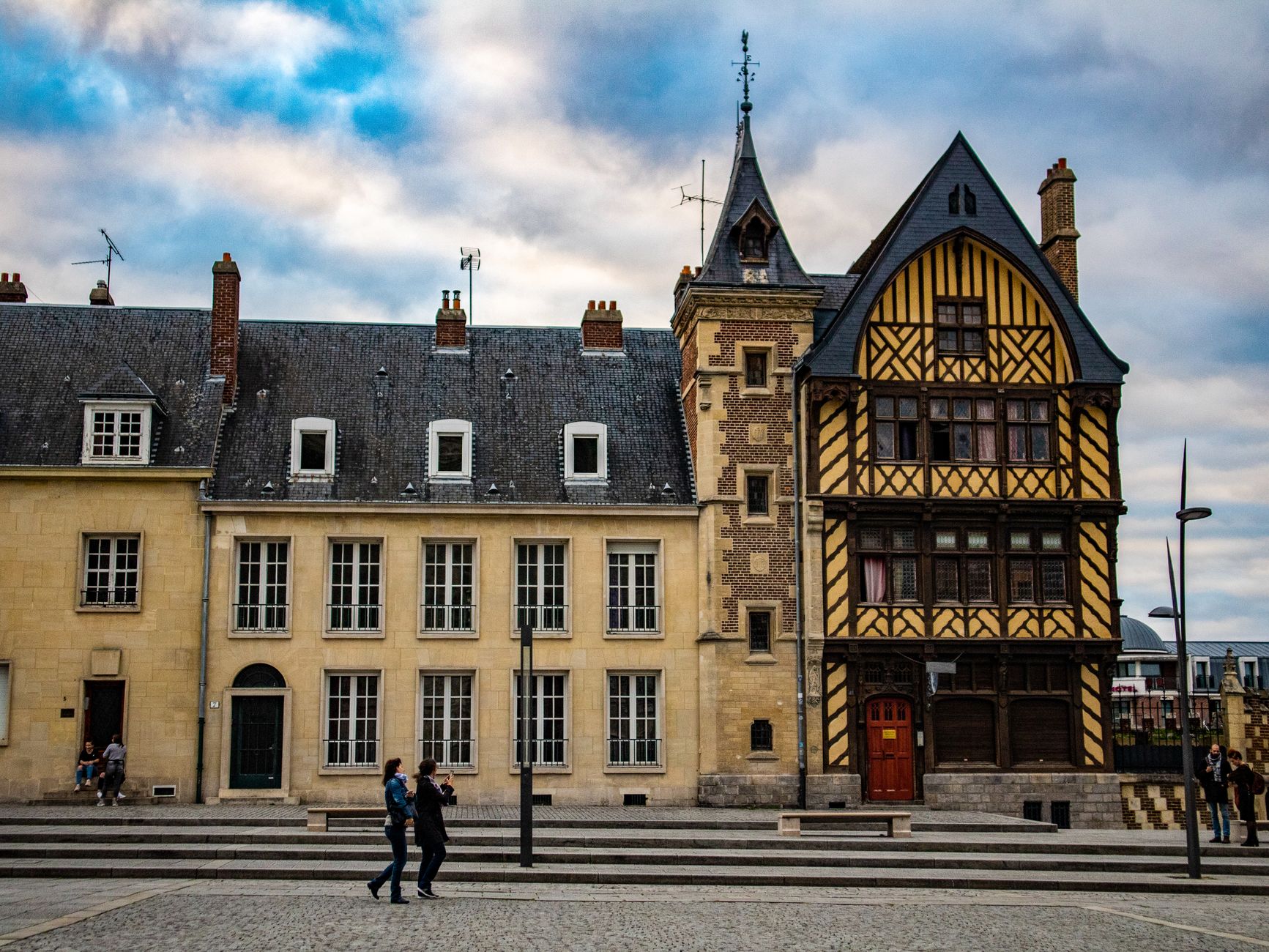
The Clock Tower on Auxerre's old high street has been ticking since 1483 — built on the base of a Gallo-Roman castrum tower, its face still turns above the same roofline it always has. The town sits on a bend of the Yonne River about 150 kilometres southeast of Paris, close enough for a long weekend but far enough to feel genuinely Burgundian: pale-stone churches, a cathedral whose crypt holds the oldest surviving murals in France, and Tuesday and Friday markets at Place de l'Arquebuse where the city does its actual shopping.
Auxerre is compact in the way that rewards walking slowly. The hill climbs from the river to the cathedral, and nearly everything worth your time is on or between those two points.
💛 What travellers fall for
People who come back tend to mention the Abbey of Saint-Germain more than the cathedral — specifically the 9th-century crypts, where Carolingian frescoes survive in conditions that feel almost improbable. Go early, before tour groups arrive, and ask about the tomb of Saint Germain himself. The son et lumière at the cathedral on summer Wednesday-to-Saturday evenings is worth timing a visit around.
Experiences you don't want to miss


Deals in Auxerre
Book directly at the provider
How Auxerre came to be
The Romans organised this bend of the Yonne as Autissiodorum in the late 3rd century, and by that same century it had become a bishop's seat — a role that shaped everything that followed. The bishop who mattered most was Germanus (c. 378–448), who led missions to Britain and whose tomb became the anchor of the Abbey of Saint-Germain, founded by Queen Clotilde in the 5th century. By the 9th century that abbey housed one of the most significant schools of the Carolingian Renaissance.
The cathedral took shape between the 13th and 16th centuries, built over an 11th-century Romanesque predecessor. Protestant forces seized the city in 1567 and damaged both the cathedral and other Catholic buildings, though repairs were largely complete by 1576. Louis XI had absorbed Auxerre into France some decades earlier; the town hall dates to 1452. Railways arrived in the 19th century, pushing development onto the right bank of the Yonne.
Who and what shaped it
People who shaped it
Landmark buildings
See Auxerre in motion
Plan your visit
On the map
When to go
Summer is the most comfortable season — July and August sit around 24–25°C, with warm evenings suited to the outdoor son et lumière shows. Spring arrives gradually, with May feeling genuinely mild. Winter can turn sharp, with frost and occasional snow when cold air moves in from the east.
Right now
Background & history adapted from Wikipedia (CC BY-SA) · specs from Wikidata (CC0) · weather from Open-Meteo · map data © OpenStreetMap contributors · photos from Wikimedia Commons / Unsplash with per-image credit. No third-party reviews or social posts reproduced.