
Auray

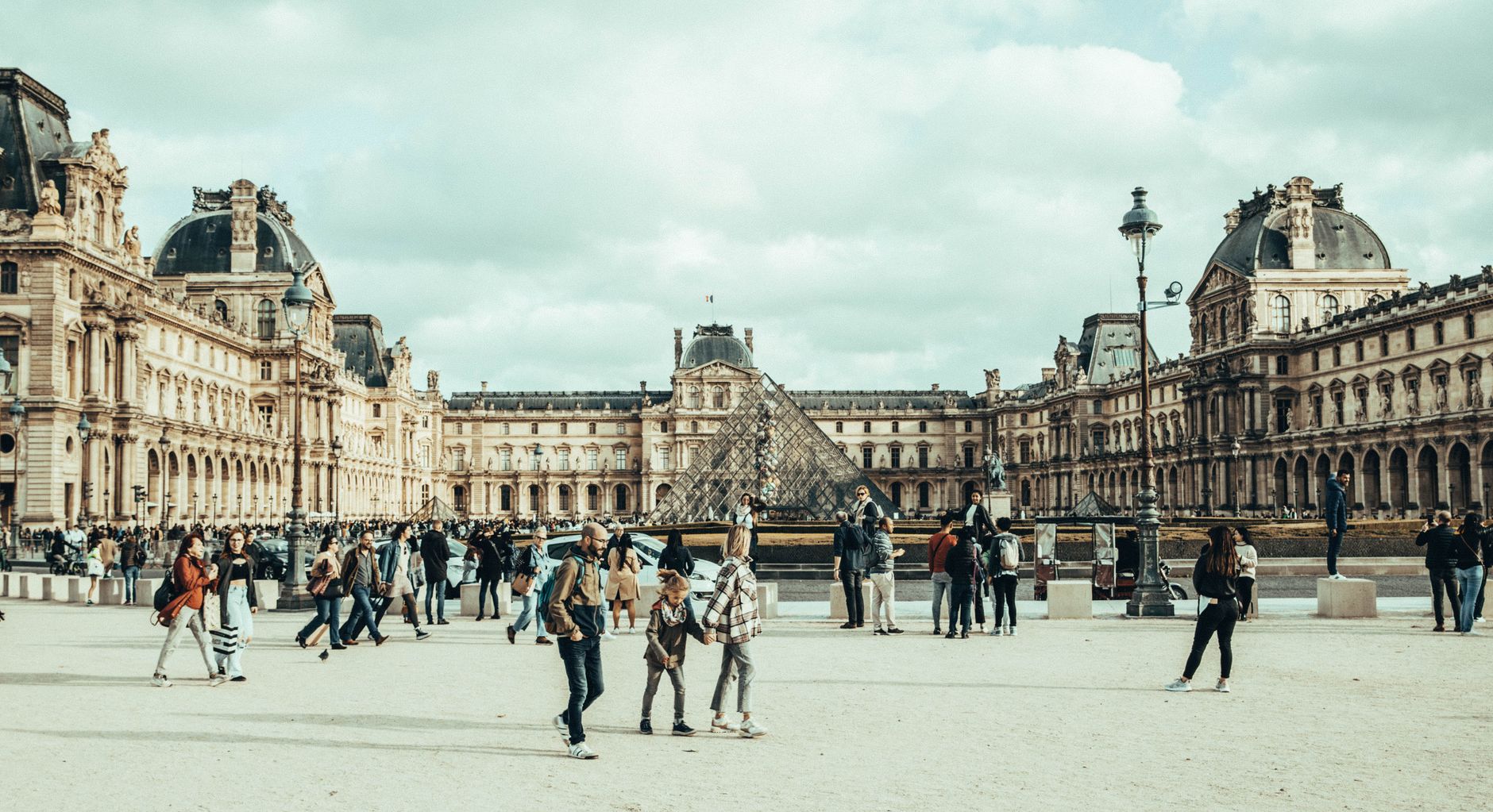
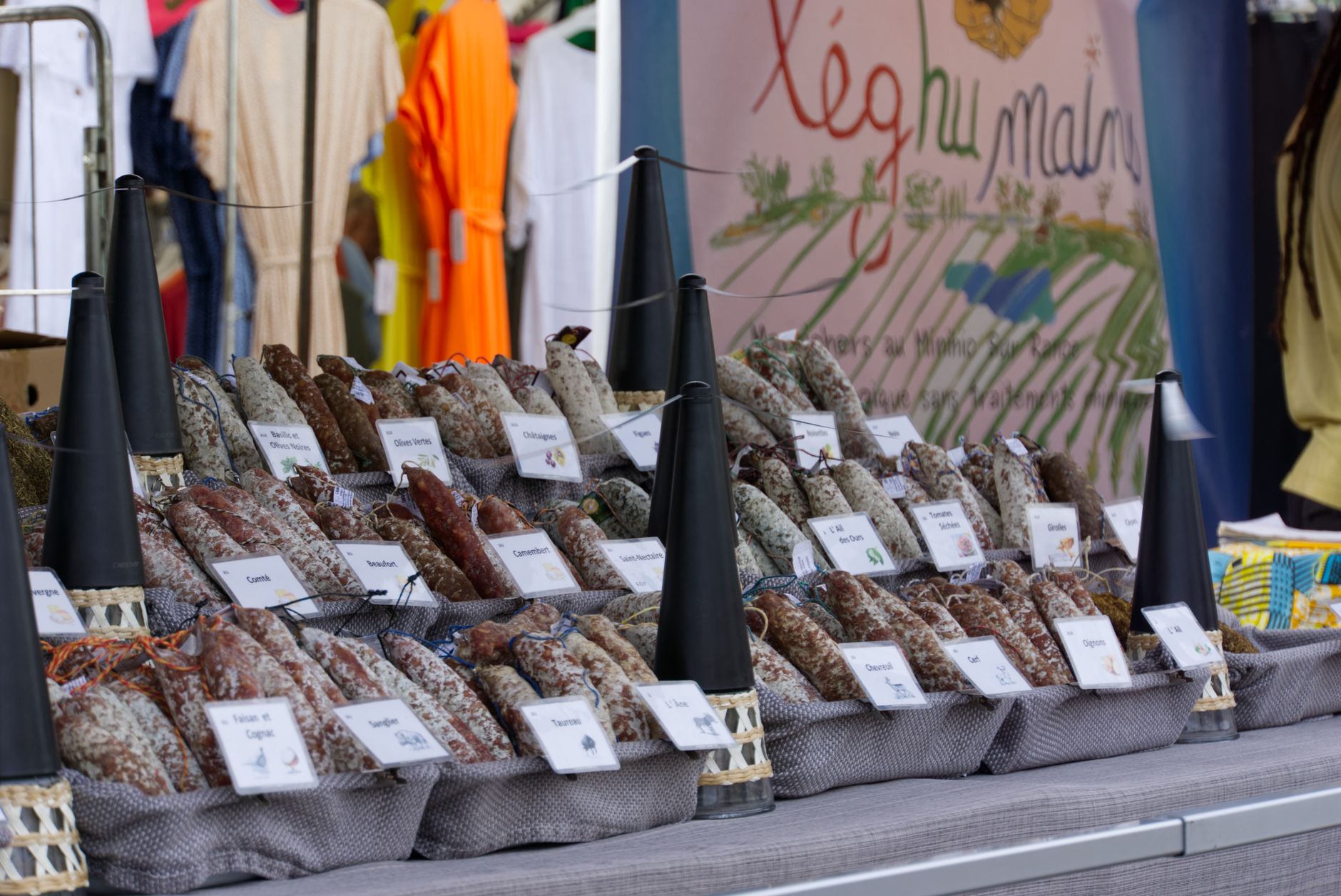
Auray splits itself in two without apology. Up on the hill, the upper town goes about its civic life around an 18th-century town hall and a Monday market in Place de la République that draws half of Morbihan for its seafood, cheese and sourdough. Down below, the quarter of Saint-Goustan bends around an estuary, its half-timbered houses leaning over cobblestones that Benjamin Franklin walked in 1776, freshly arrived from America and not yet famous enough to cause a scene.
The Saint-Goustan bridge connecting the two has been standing in some form since the 13th century, rebuilt in 1464, settled into its current shape in 1752. That layered quality — medieval stonework, revolutionary-era martyrdom, a basilica drawing pilgrims from across France — is what makes Auray worth more than a glance between trains.
💛 What travellers fall for
People who come back tend to time it around the Monday market, arriving early before the seafood stalls thin out. The Chazelles Fountain on the Martin dock — built in 1821 to water both townspeople and passing boats — makes a quiet landmark for orienting yourself along the quay before the day crowds in.
Experiences you don't want to miss



Deals in Auray
Book directly at the provider

How Auray came to be
The town's recorded life begins in the 11th century, and for a while its position on the estuary made it count. During the 16th and 17th centuries the wine and grain trade pushed it to the third most important port in Brittany — a rank that tends to surprise people who picture it as a quiet backwater.
The ground outside its walls has seen sharper moments. In 1364, the Battle of Auray ended the War of the Breton Succession: Jean de Montfort and his English allies defeated Charles de Blois, with Bertrand du Guesclin and Olivier de Clisson both present on opposing sides. Four centuries later, in 1795, 952 Chouan royalists were executed on the Champ des Martyrs nearby — among them Georges Cadoudal's comrades, though Cadoudal himself escaped, only to be guillotined in Paris in 1804.
Who and what shaped it
People who shaped it
Landmark buildings
See Auray in motion
Plan your visit
On the map
When to go
Brittany's Atlantic position keeps Auray mild and damp year-round — winters are rarely harsh but rarely dry, and summers are warm without being hot, with enough cloud to keep the light interesting. July and August bring the most reliable sun and the most visitors; spring and early autumn offer quieter streets and the same green landscape.
Right now
Background & history adapted from Wikipedia (CC BY-SA) · specs from Wikidata (CC0) · weather from Open-Meteo · map data © OpenStreetMap contributors · photos from Wikimedia Commons / Unsplash with per-image credit. No third-party reviews or social posts reproduced.