
Arcachon
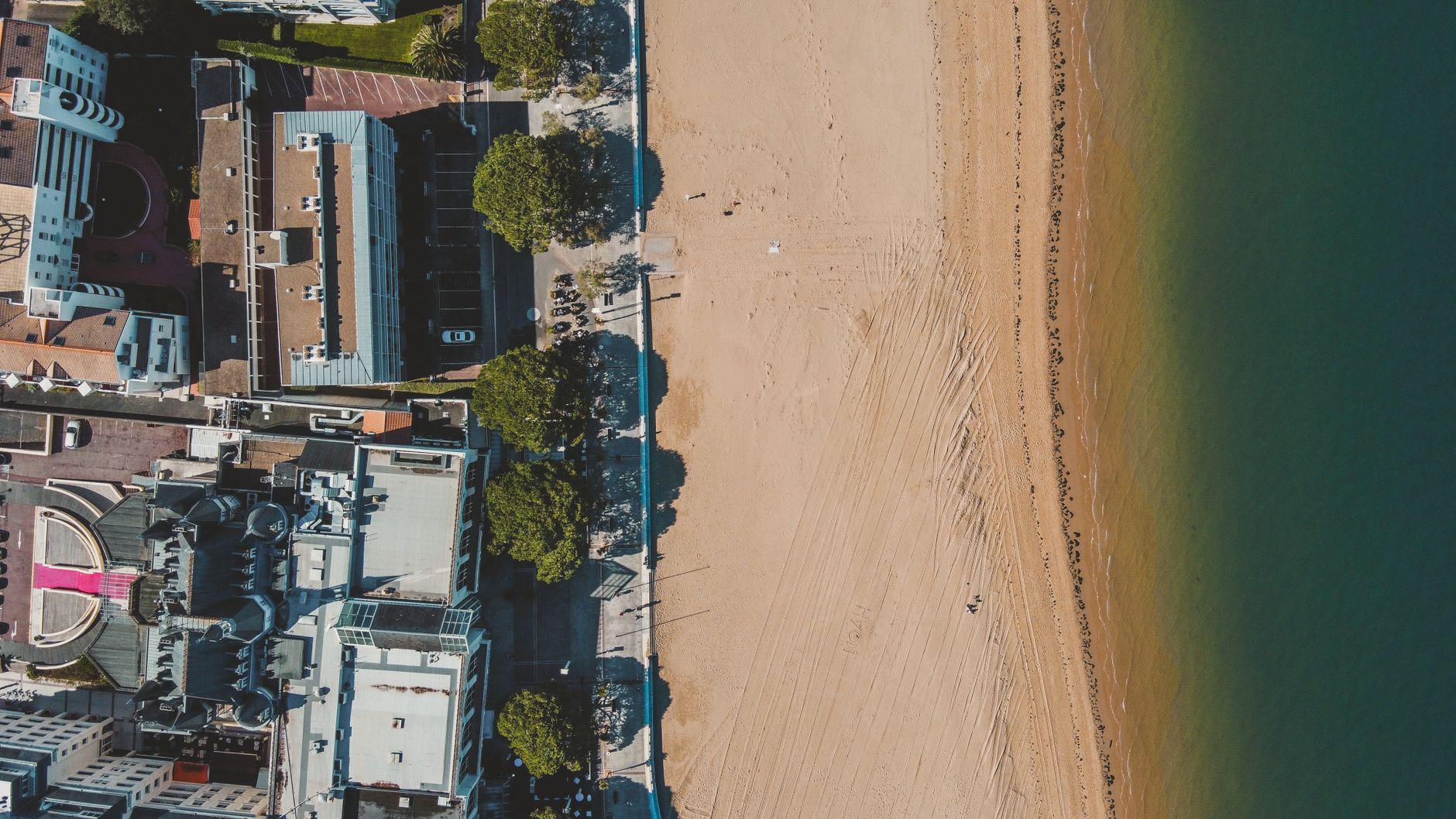
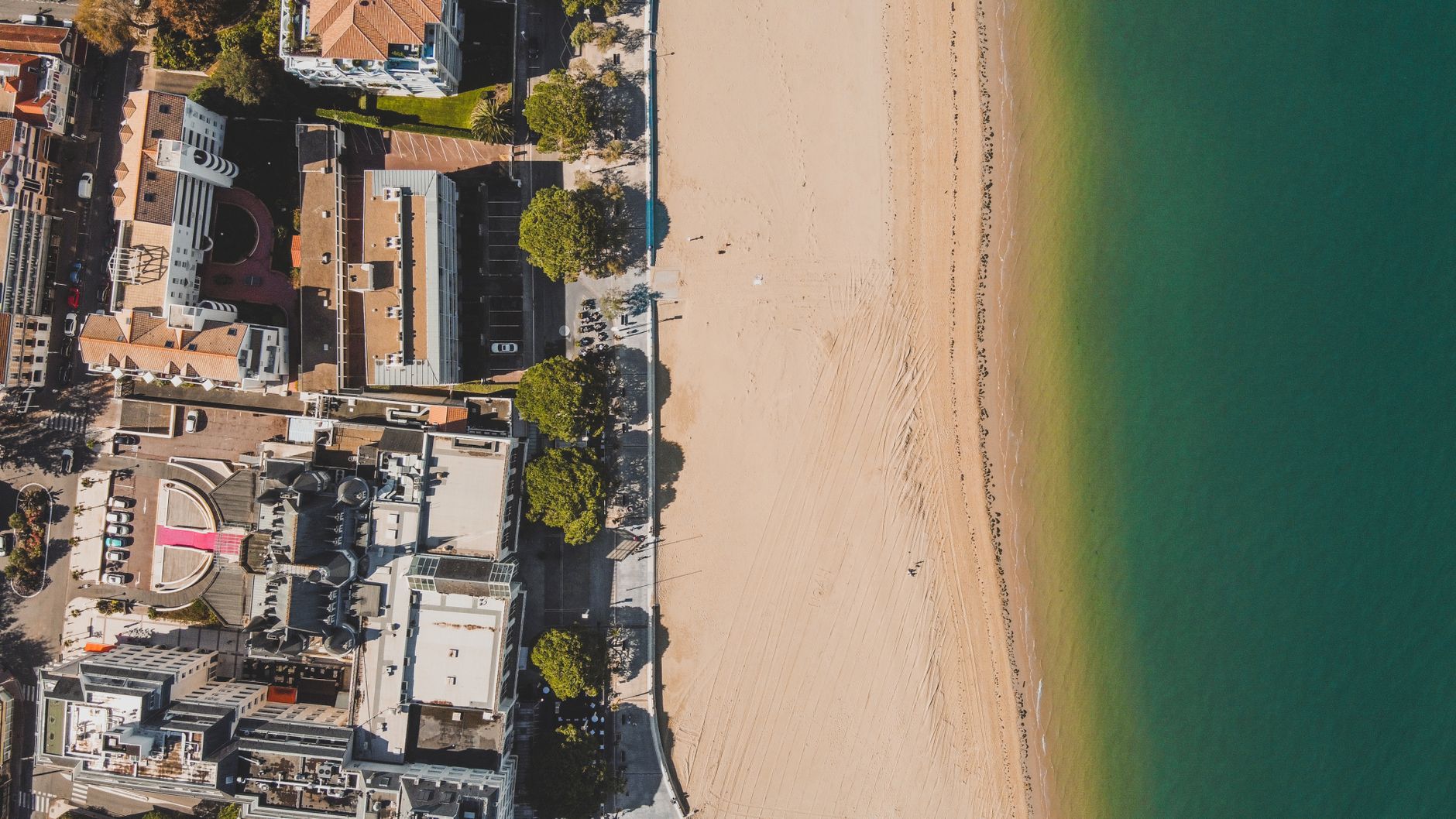
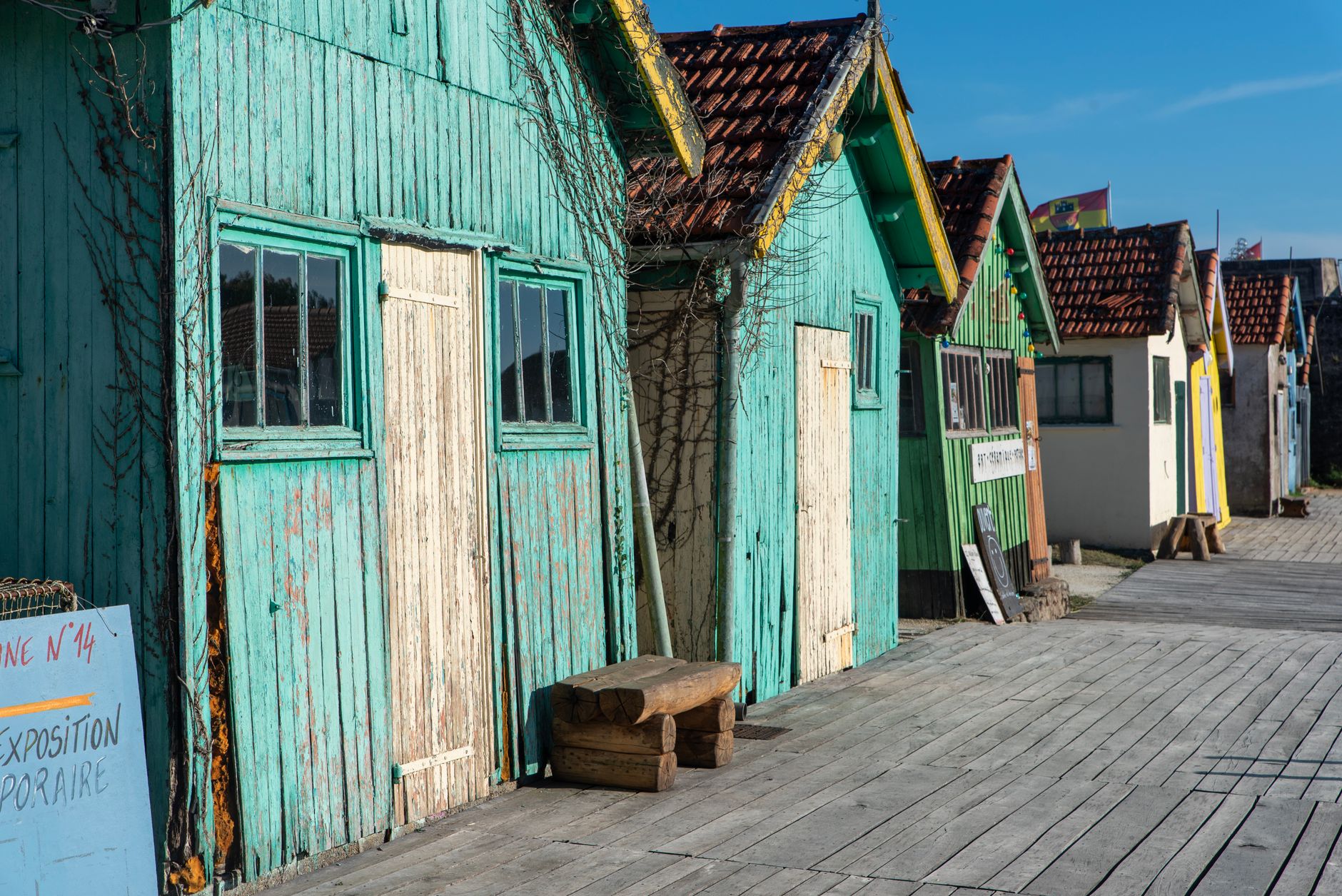
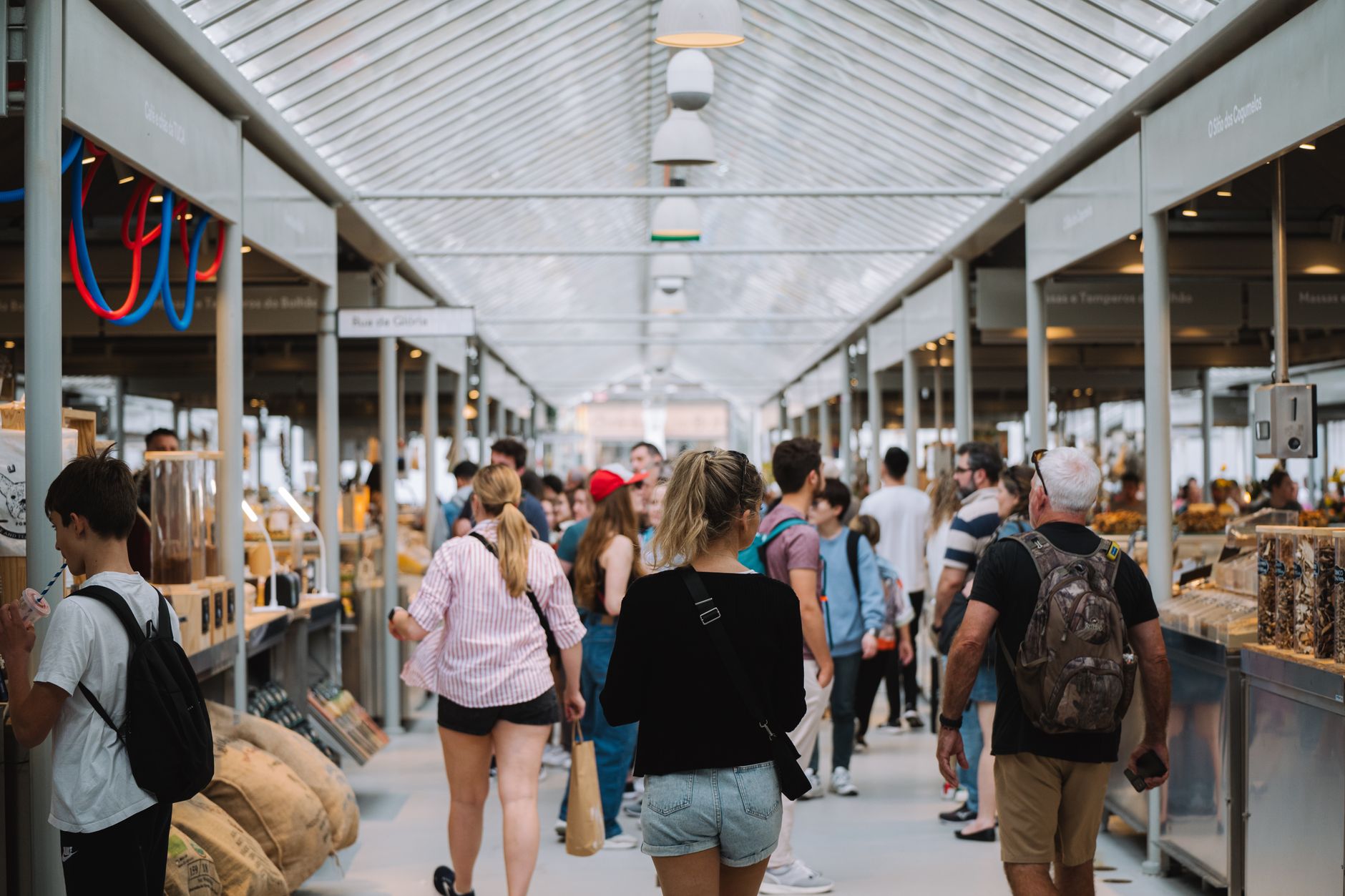
Arcachon is a town built on a single idea: that sea air and pine-scented shade could cure what ailed you. Walk up into the Ville d'Hiver and that logic still holds — ten hectares of extravagant 19th-century villas in Swiss chalet, Moorish, neo-Gothic and neo-Palladian styles sit under canopies of pine on wide, quiet streets, each one a small argument for convalescence as an art form.
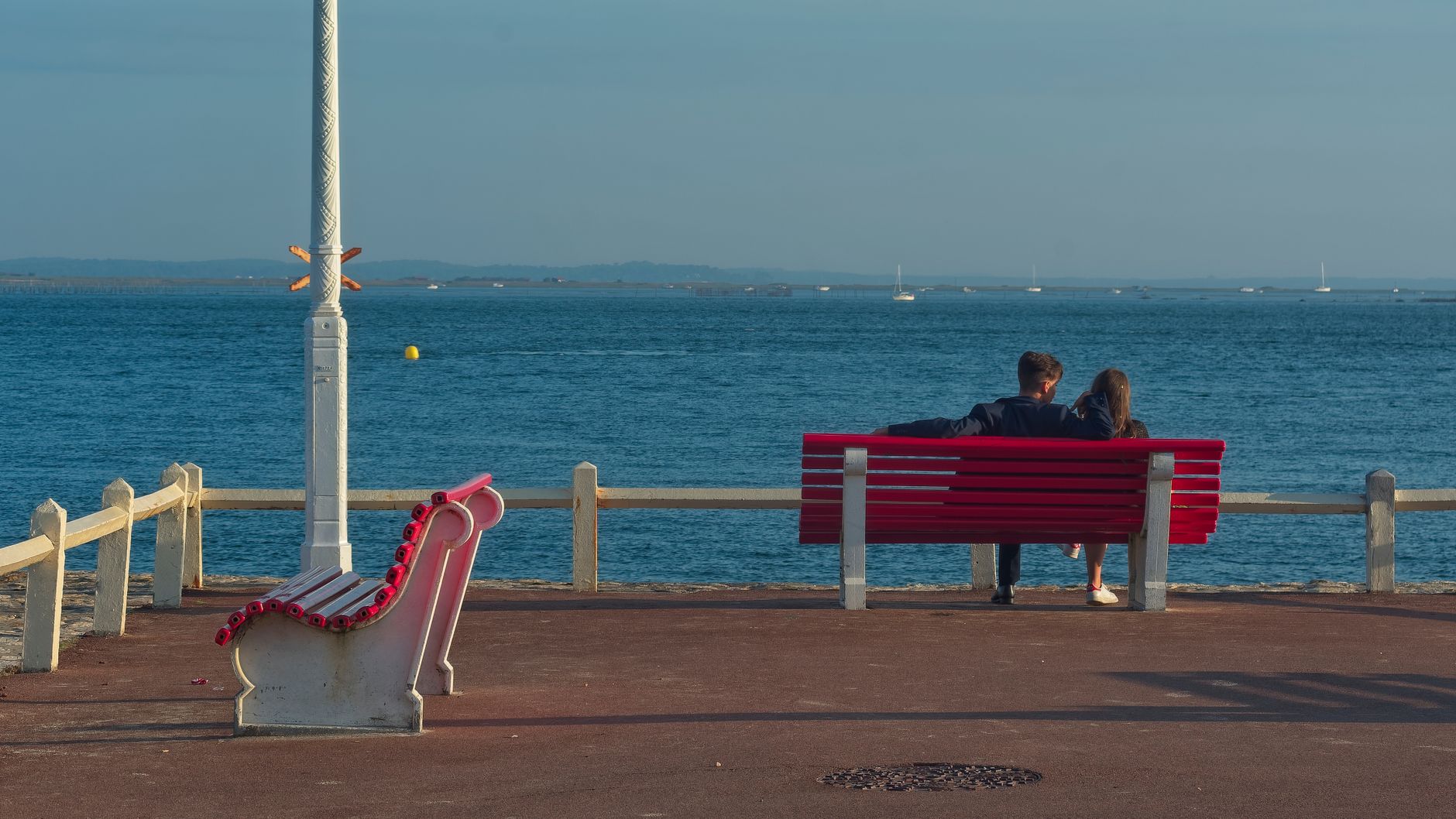
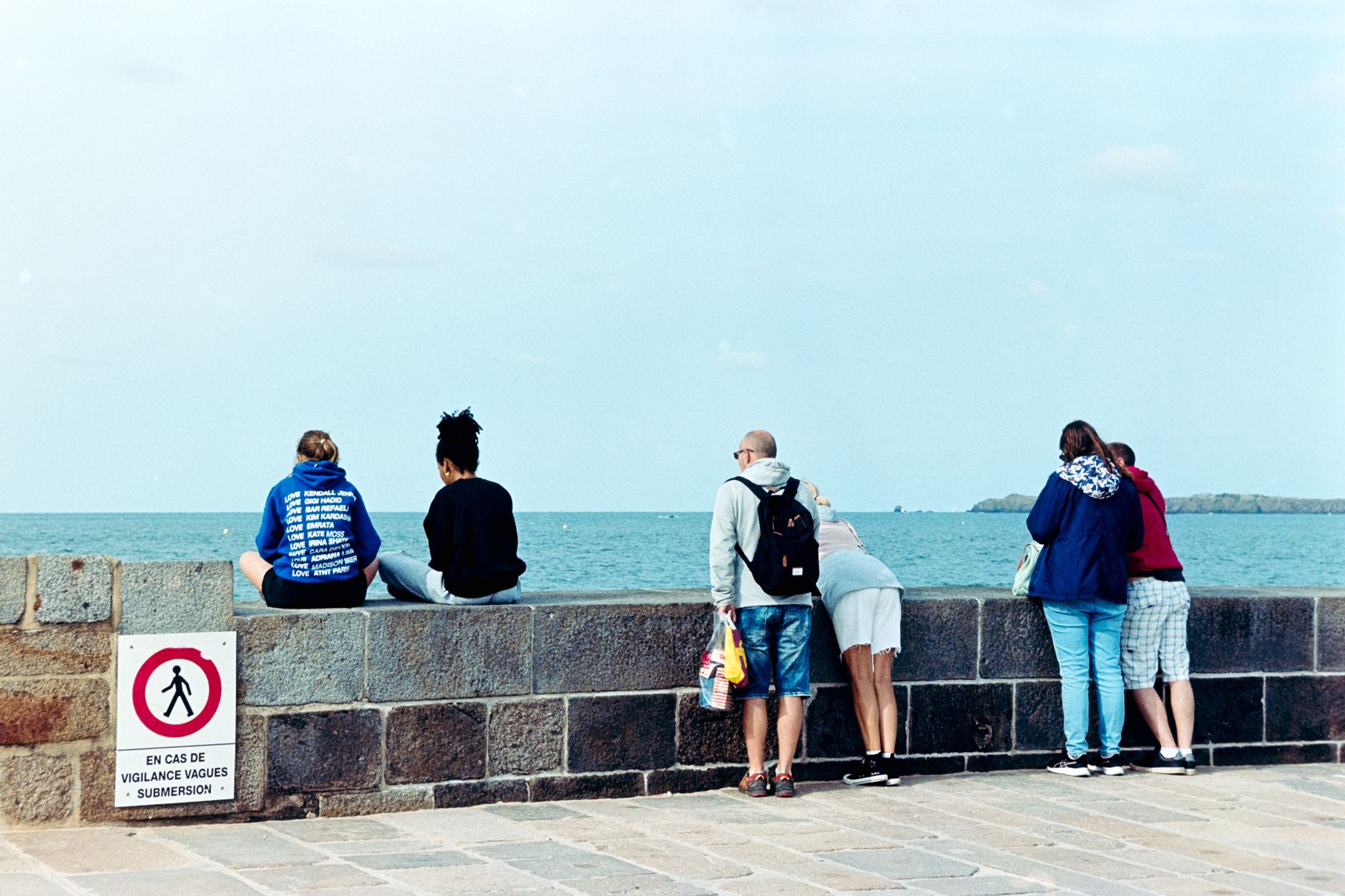
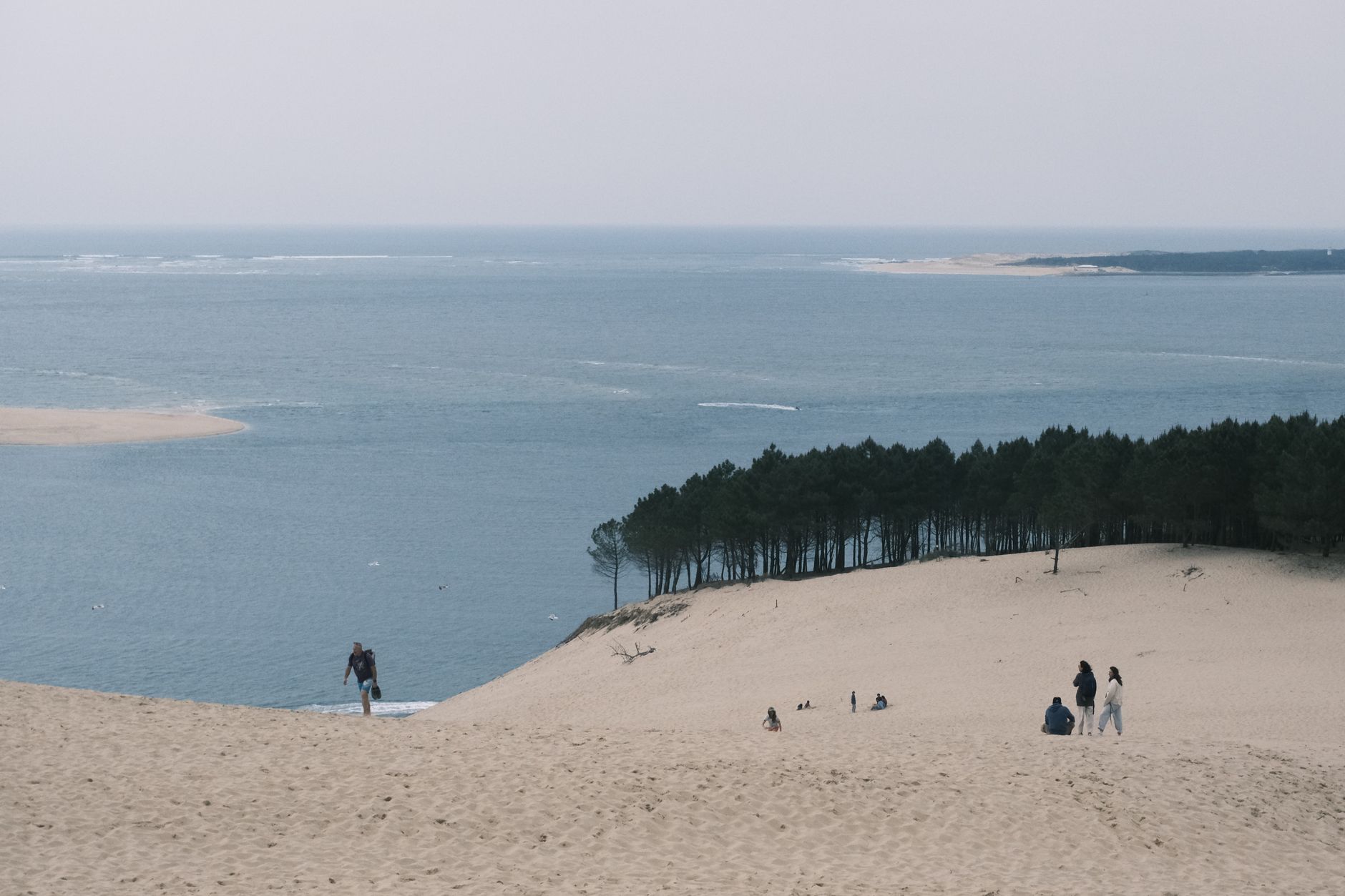
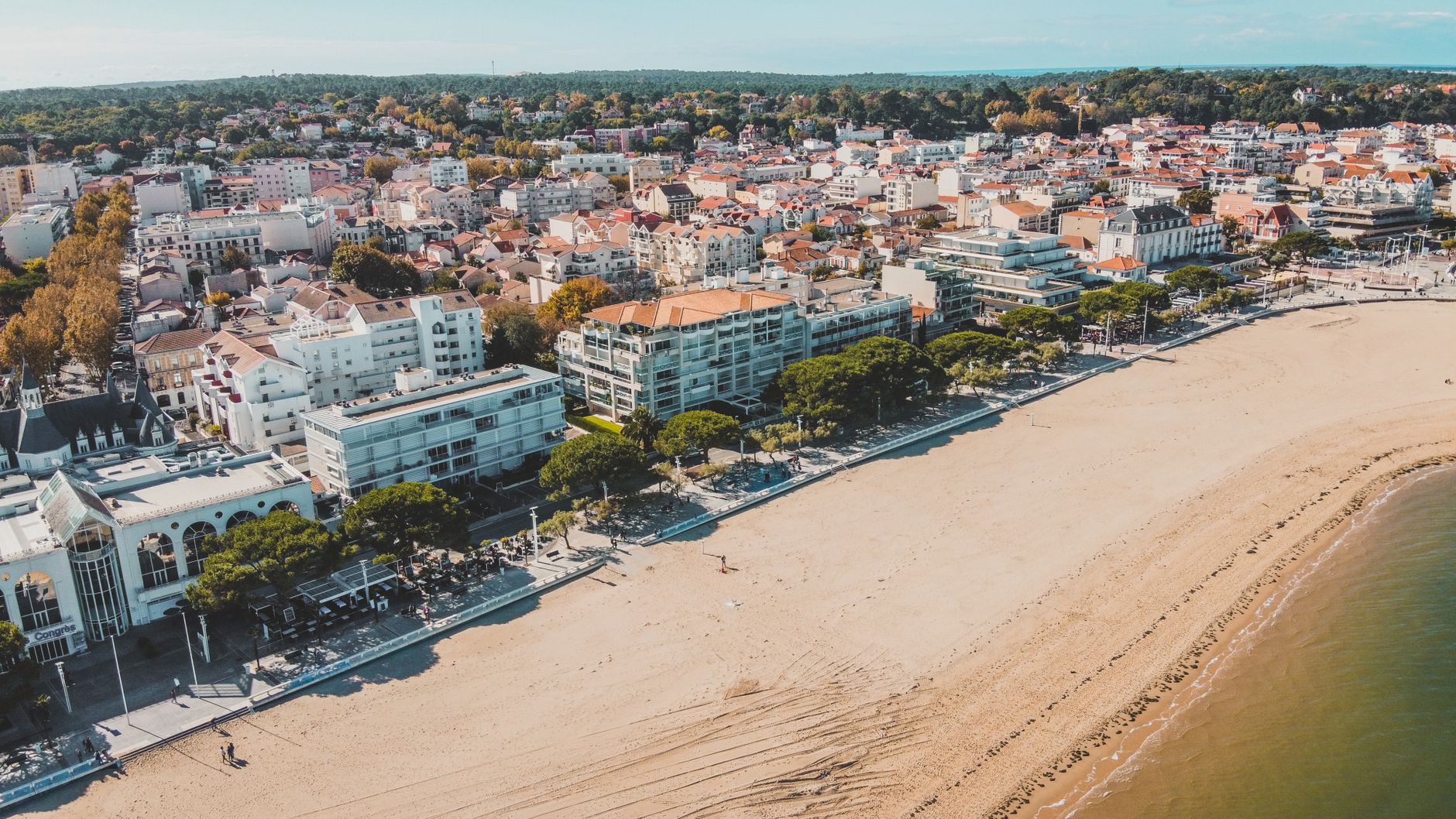
Down at the waterfront, the scale shifts entirely. The Arcachon Basin opens wide, oyster beds visible at low tide, and to the south the Dune du Pilat rises 107 metres above the Atlantic entrance — nearly three kilometres long, moving five metres inland every year, swallowing whatever stands in its path.
💛 What travellers fall for
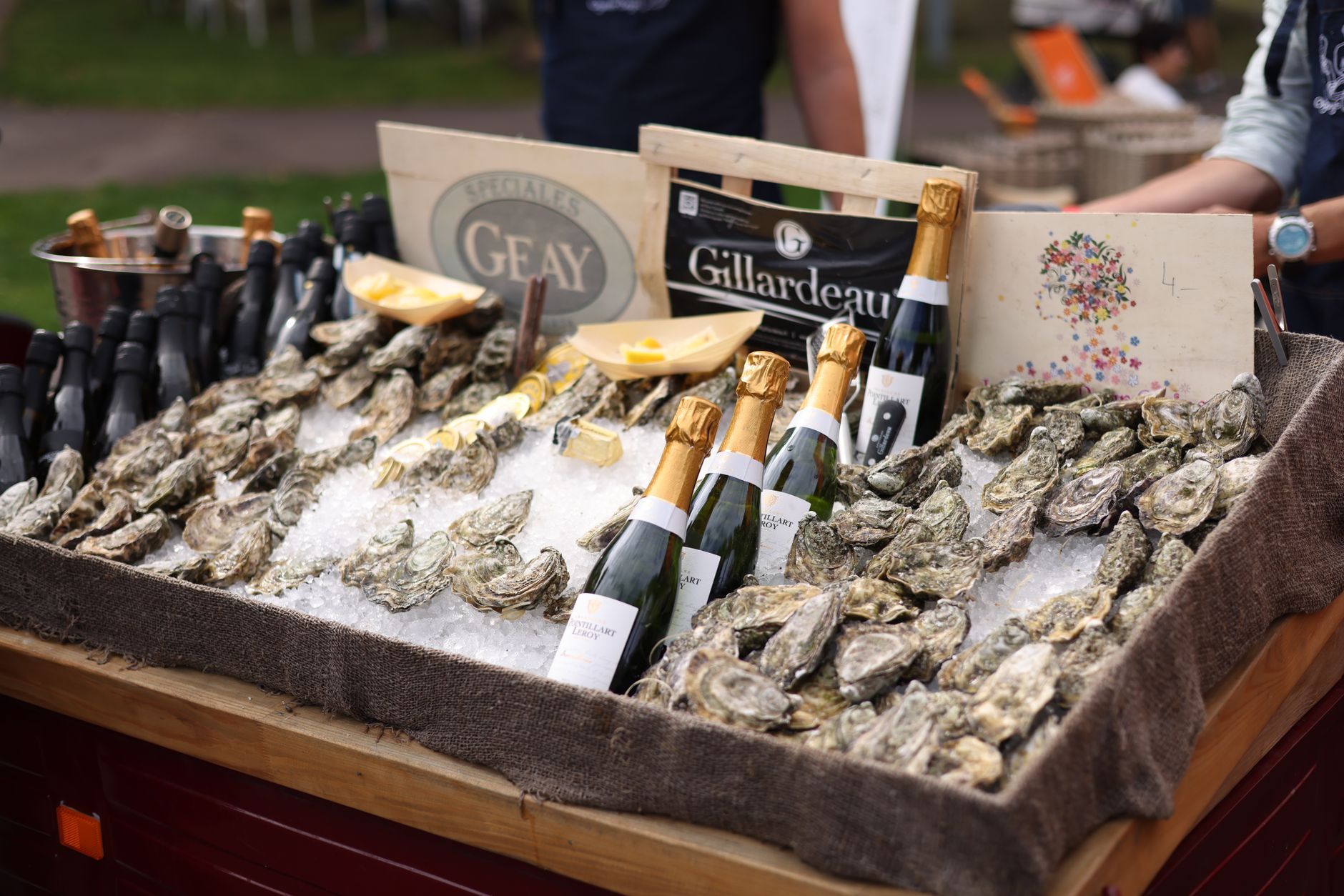
People who come back tend to do two things: climb the Dune du Pilat early, before the crowds arrive from Bordeaux, and then eat oysters somewhere along the basin with a glass of Entre-Deux-Mers. The belvedere at the Observatoire Sainte-Cécile, built in 1863, gives you the whole panorama for free and almost nobody is there.
Experiences you don't want to miss



Deals in Arcachon
Book directly at the provider

How Arcachon came to be
Before 1857, Arcachon was pine forest and a scattering of fishermen's huts — fewer than 400 people, no roads, no fixed address. On 2 May that year, Napoleon III signed it into existence as a municipality, and the railway from Bordeaux arrived almost simultaneously. The real architects of the town, though, were the Pereire brothers, Emile and Isaac, wealthy bankers and shareholders in the Midi railway company. They bought land, built villas, a casino and a sanatorium, and divided the new resort into four districts named for the seasons.
The Winter Town — Ville d'Hiver — became a playground for European royalty and the seriously wealthy: Alphonse XII of Spain, Empress Elisabeth of Austria, the Prince of Wales. Alexandre Dumas lived here for a time; Toulouse-Lautrec kept a house on the seafront. After the First World War the Winter Town fell out of fashion, and from the 1970s onward development pushed hard along the coast. The villas survived.
Who and what shaped it
People who shaped it
Landmark buildings
See Arcachon in motion
Plan your visit
On the map
When to go
Summers are warm and reliably sunny, with Atlantic breezes keeping temperatures from becoming oppressive. Winters are mild by French standards but the resort empties out considerably — the pine-shaded streets of the Ville d'Hiver have a particular stillness then that some visitors find more interesting than the summer crowds.
Right now
Background & history adapted from Wikipedia (CC BY-SA) · specs from Wikidata (CC0) · weather from Open-Meteo · map data © OpenStreetMap contributors · photos from Wikimedia Commons / Unsplash with per-image credit. No third-party reviews or social posts reproduced.