
Salines de Bilma (Kalala Salt Pans)
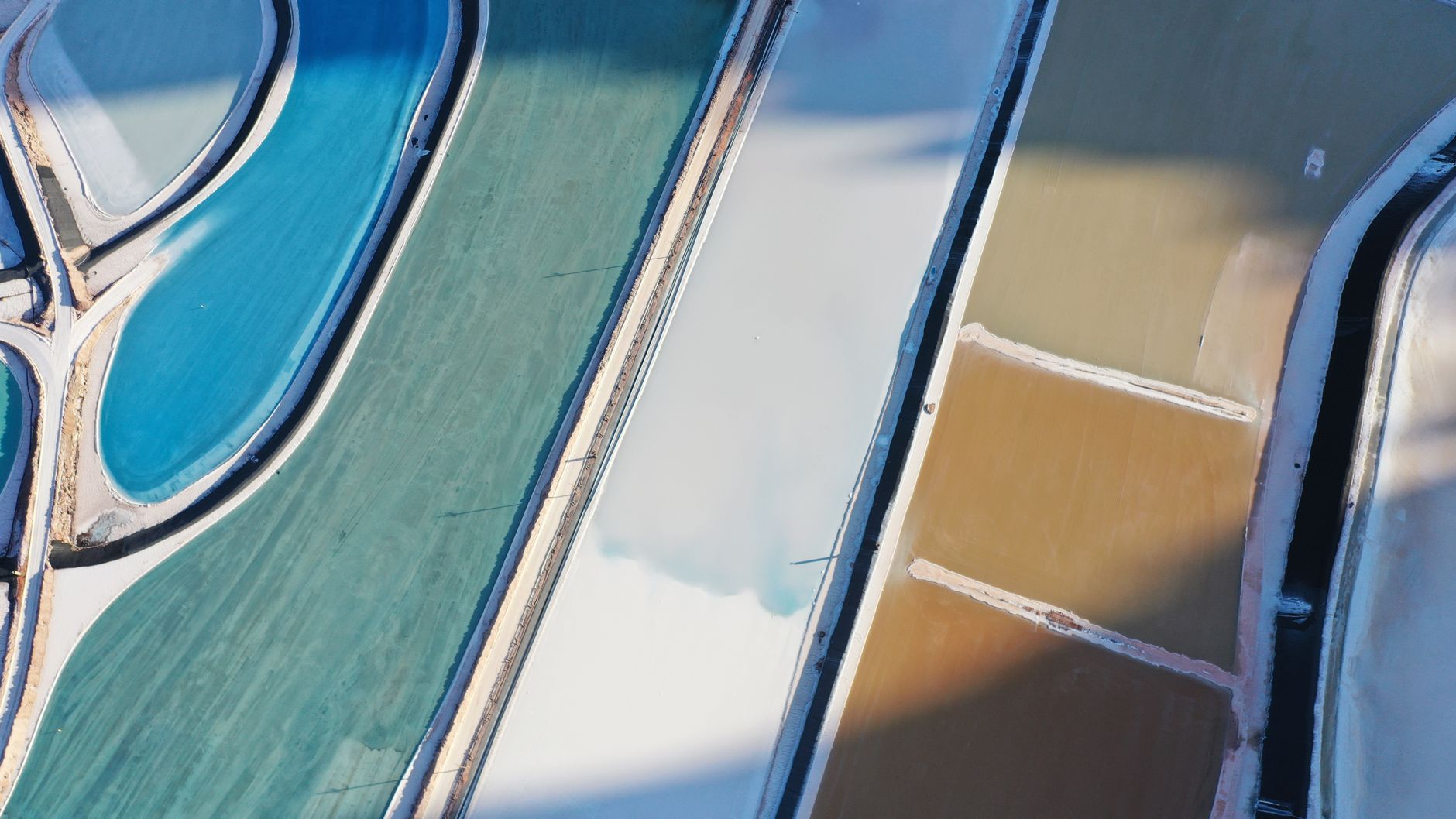
Spread across the desert floor northwest of town, the Kalala salt pans are Bilma's most arresting sight — a blinding white mosaic of brine pools and crystalline slabs that has supplied West Africa with salt for over a thousand years. Watching workers harvest, mould and stack the iconic oblong salt loaves by hand is one of the most viscerally real experiences the Sahara offers.

A living relic of trans-Saharan trade
The salt pans of Kalala were once an essential stop for traders leading swaying camel caravans across the Ténéré. Centuries on, the method is virtually unchanged: pits are dug by hand, filled with saline water, and the crystallised salt is disturbed to the bottom, then scooped, hammered and pressed into moulds cut from palm-tree trunks.
The finished loaves are dried in the open desert air and then loaded onto camels or trucks bound for Agadez and markets as far away as Nigeria. Walking the pans gives you a tactile, olfactory sense of why this remote oasis mattered so profoundly to Saharan civilisation.
What to look for on the ground
Arrive early — the salt-cutting yards on the edge of town are most active in the cool morning hours, and the low-angle light turns the white crust into something almost luminescent. Look for the black-and-ochre pits where workers use crowbars to lever up salt slabs, a scene unchanged from the accounts of 19th-century explorers.
The Bilma Kanuri people mould their salt into two distinct shapes: flat basin-sized discs for livestock and tighter cones for domestic use. Ask a local guide to show you the difference — it is a small detail that opens up a whole conversation about regional trade networks still alive today.
More of Bilma
Discover where to stay, what to do and the best deals for your trip.
Explore Bilma →


