
Temple of Montu, Armant
Long before Karnak eclipsed it, the Temple of Montu made Armant — ancient Hermonthis — one of Upper Egypt's most sacred addresses. Walking its sun-bleached enclosure walls today, you feel the weight of a civilisation that crowned pharaohs and worshipped a falcon-headed god of war for over two millennia.

City of Montu
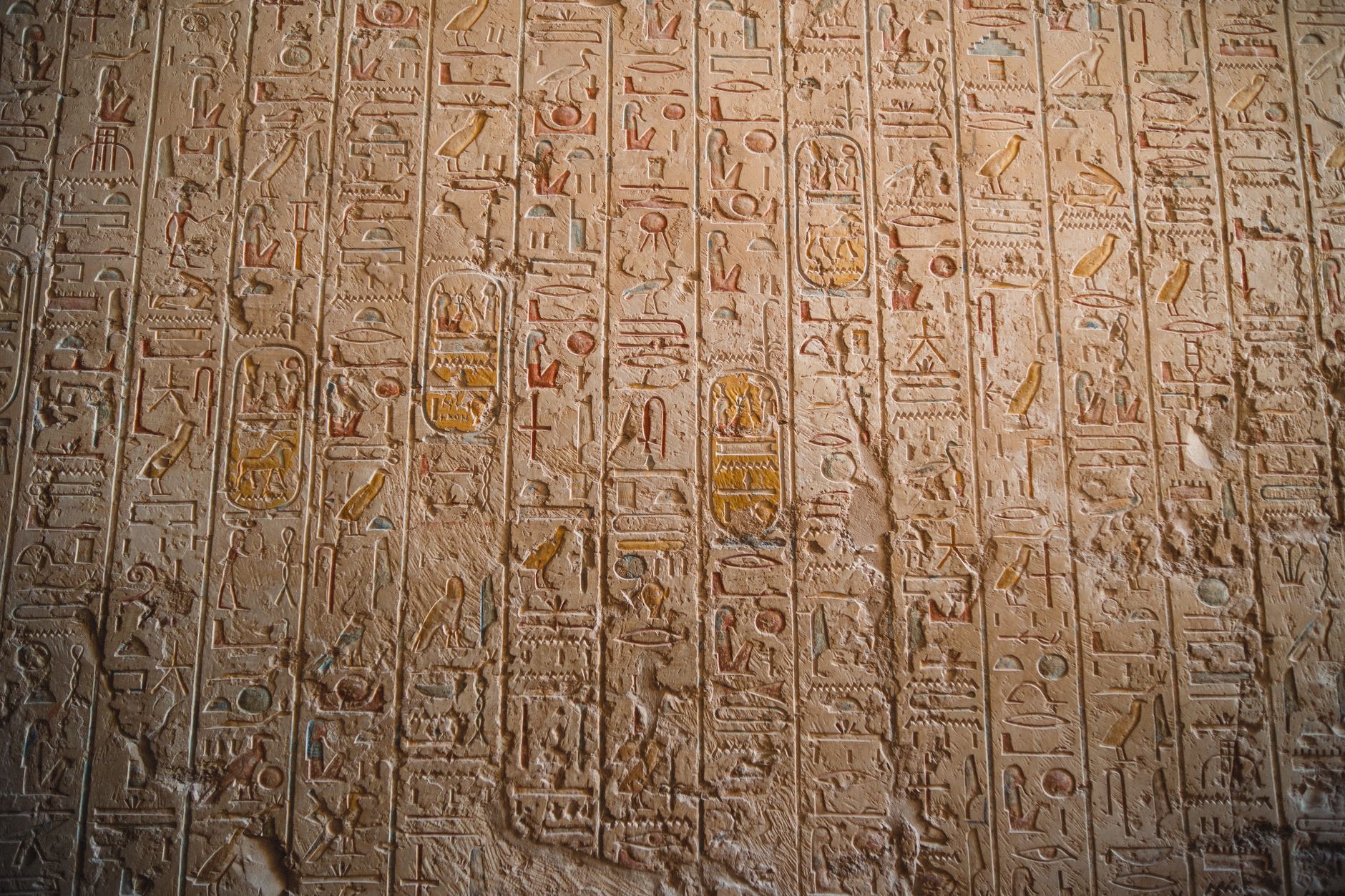
Armant's ancient Egyptian name, Iunu-Montu, literally means 'City of Montu,' and the temple complex that grew here from the Eleventh Dynasty onward was, at its height, as architecturally ambitious as the great precincts of Thebes itself. Construction began under Mentuhotep II and was continuously expanded by rulers from Nectanebo I through the Ptolemies, each dynasty layering new pylons, sanctuaries and sacred lakes onto the site.
Cleopatra VII and Ptolemy XV Caesarion added a birth house and a sacred lake, though that wing was later demolished — its stones cannibalised to build a 19th-century sugar refinery, one of Egyptology's more melancholy footnotes. What survives is still evocative: carved sandstone blocks, a standing enclosure, and the quiet authority of a place that once rivalled Karnak in religious importance.
The Buchis Bull Connection
Montu was not worshipped only in human form here. The sacred Buchis bull — believed to be a physical manifestation of both the sun god Re and Osiris — was kept, venerated and, upon death, mummified and buried in the Bucheum, a great underground vault on the desert edge north of town. The earliest recorded bull burial dates to Nectanebo II, and the complex remained active until the mid-4th century AD, a span of over 600 years of unbroken ritual.
Unlike the tourist-dense Valley of the Kings, the Temple of Montu site receives only a trickle of visitors, meaning you can stand among the ruins in near-total silence — just the call of a hoopoe and the distant clatter of a caleche on the road outside.

Temple of Montu, Armant on video
More of Armant
Discover where to stay, what to do and the best deals for your trip.
Explore Armant →


