
Ten Katemarkt
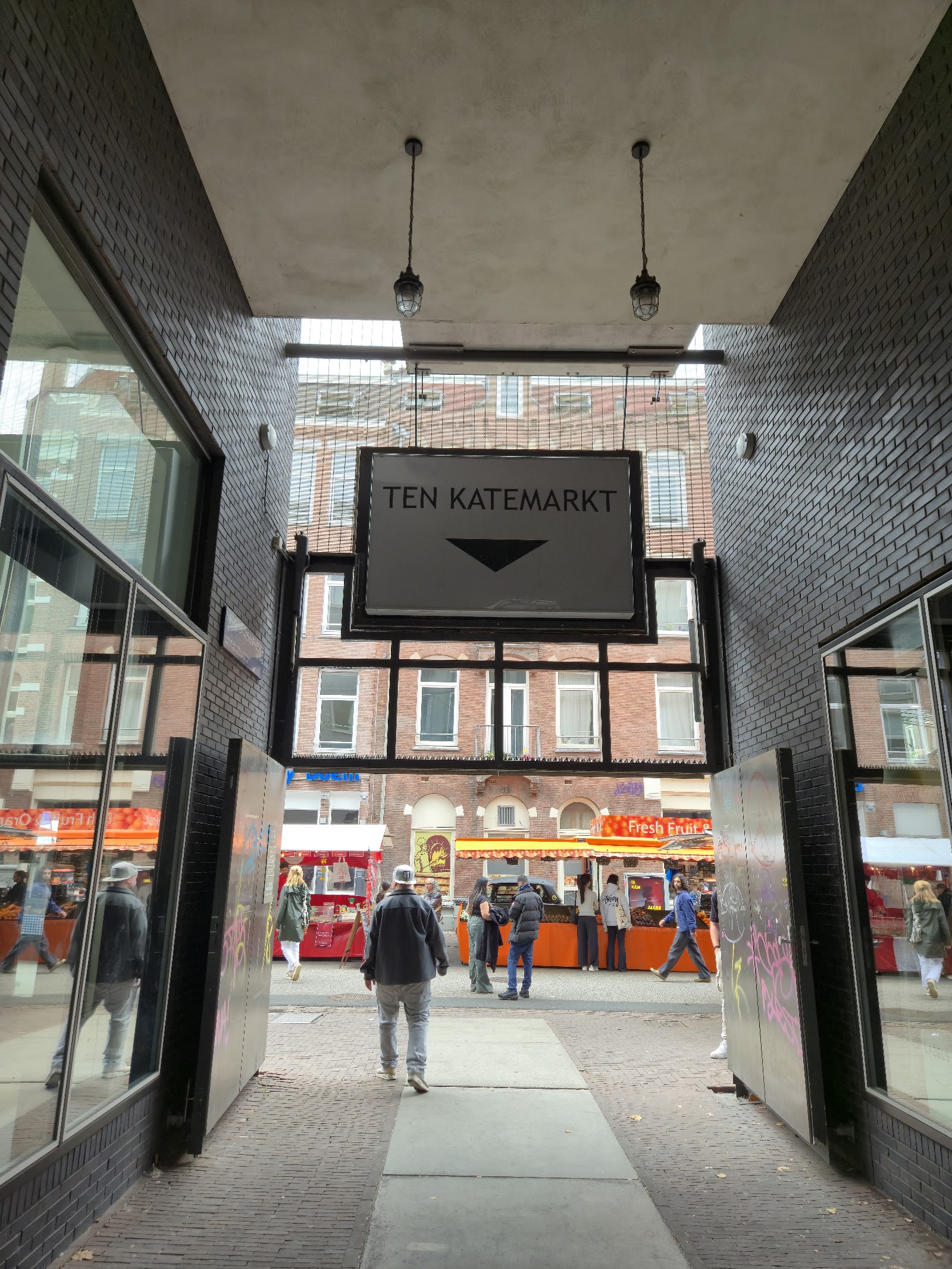
Ten Katemarkt runs six mornings a week along a pedestrianised stretch of Ten Katestraat in Oud-West, and it looks nothing like the markets on tourist maps. Around 130 stalls sell fabrics, clothing, and food — Turkish bread, Indonesian satay, dumplings, hummus, Brazilian snacks — at prices that undercut most of the city's better-known alternatives.
The street became part of Amsterdam only in 1896, absorbed from the neighbouring municipality of Nieuwer-Amstel as the city pushed west. The market followed in 1912, and it has been feeding the neighbourhood ever since. De Hallen sits immediately adjacent, which means a single morning can move easily between open-air stalls and indoor food at Foodhallen next door.
💛 What travellers fall for
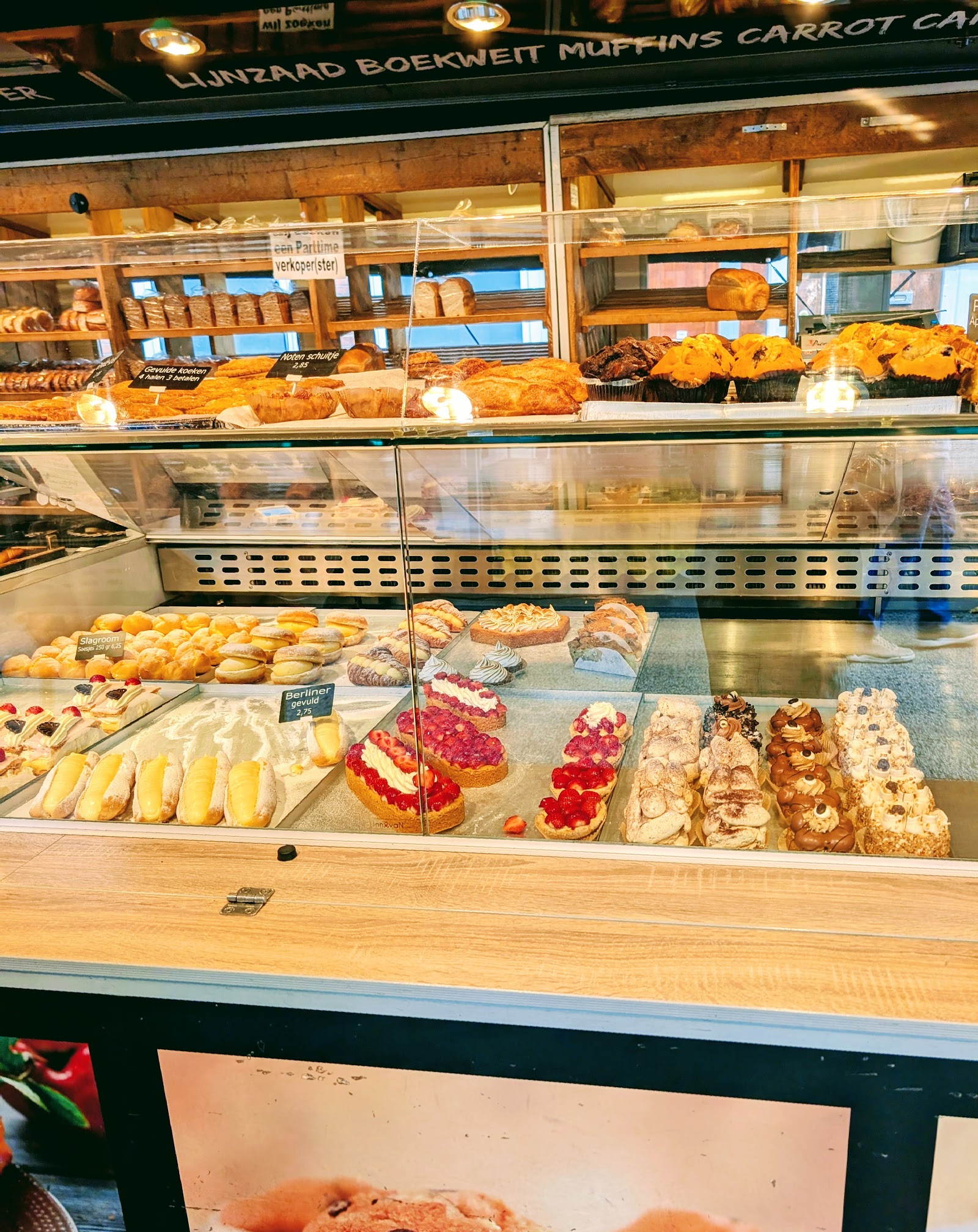
People who come back tend to arrive before noon, when the bread stalls are freshest and the street is still moving at a pace you can think in. Bring cash — many vendors don't take cards — and build in a few extra minutes near the fabric end of the market, which rewards slower attention.
The story behind Ten Katemarkt
The street was named on 30 October 1890, by a city council decision, after Jan Jakob Lodewijk ten Kate — a Dutch preacher and poet of the nineteenth century. At that point the land still belonged to Nieuwer-Amstel; Amsterdam annexed the territory six years later as part of a planned expansion westward.
The market itself opened in 1912, serving what was then a working-class residential district growing up around the new tram lines. It marked its centenary in 2012 without much fanfare, which is perhaps fitting for a market that has never particularly courted outside attention.
Good to know
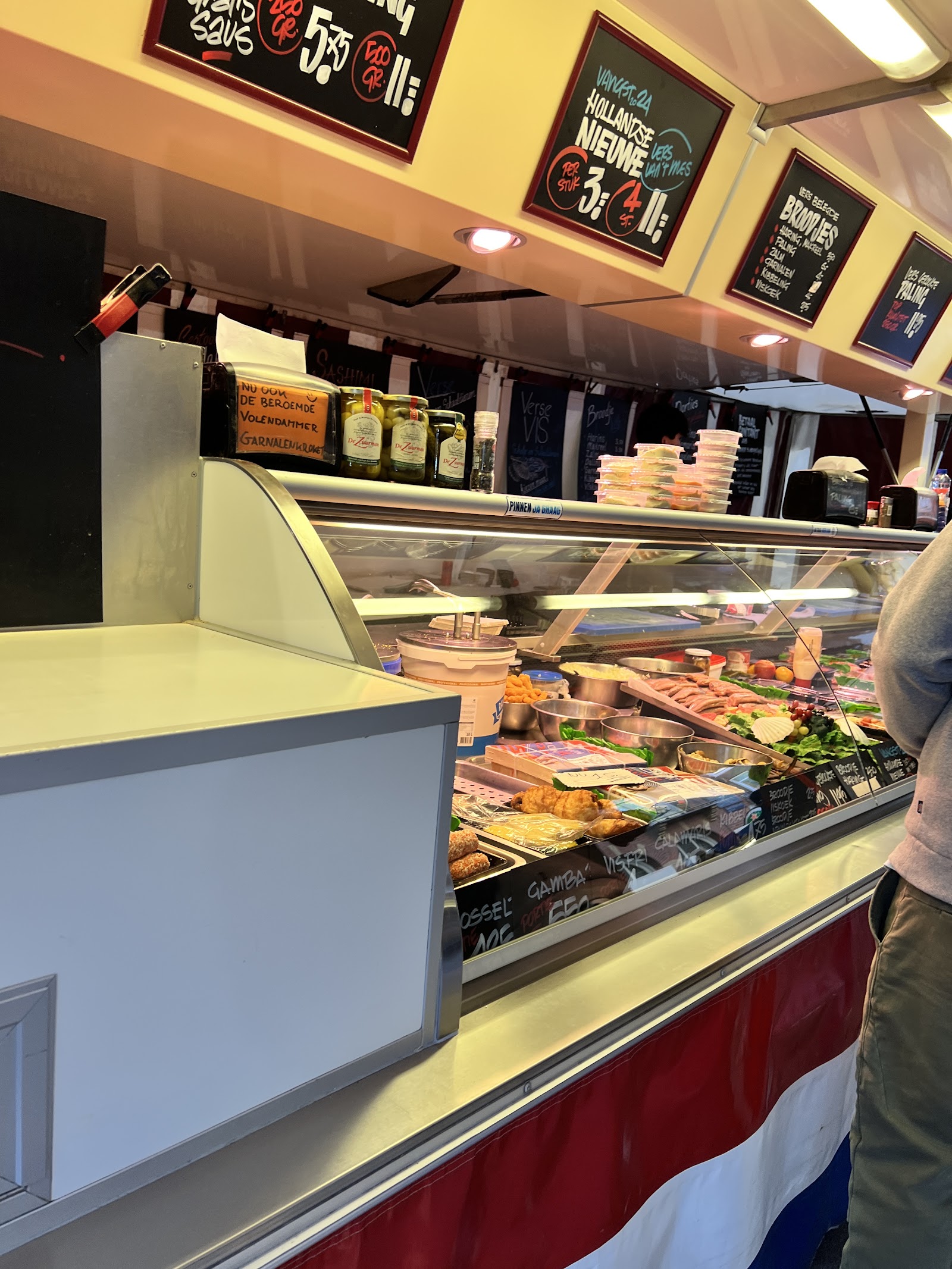
Trams 7 and 17 stop directly at Ten Katestraat. Hours are Monday–Saturday, 09:00–17:00; no entry fee. The whole market takes around 30 minutes at a reasonable pace. Cash is strongly preferred by most vendors.
Spring — particularly mid-May onward — is the most reliable time to visit: mild temperatures and the driest weather of the year. Summer days hover around 18–25°C, though the wind can catch you off guard. Autumn brings the most rain, and winter mornings average around 3–4°C, so layers matter if you're planning to browse slowly.
Where is Ten Katemarkt?
More tickets & tours for Ten Katemarkt
Book directly at the provider
What travellers say about Ten Katemarkt
Ten Kate Market is a fantastic local market with a great selection of food. It's a bustling hub in Amsterdam Oud-West that offers more than just your typical groceries. The market has a diverse range of international food stalls, from Turkish gözleme and Lebanese falafel to Taiwanese savory pancakes. You'll find plenty of delicious options for a quick lunch or a snack, alongside stalls selling fresh produce, cheeses, and freshly roasted nuts. It's a lively and friendly place, perfect for grabbing a tasty bite while experiencing a truly local Amsterdam vibe.
Ten Kate Markt is a lively and authentic local market offering a wide variety of fresh produce, street food, flowers, and everyday goods. It’s a great place to experience the neighborhood vibe away from the typical tourist spots. Friendly vendors and diverse stalls make it perfect for a casual stroll and discovering Dutch culture.
The first store is flower shop and both ladies are very rude and not friendly if you are foreigner, they also try to cheat me with price of bouquet telling completely different price rather than the one on price tag. One of them even told that i have to speak dutch even though i tried , not helpful i had to run away
I love this street market near my apartment. We are lucky to have it here. Great prices and nice vibe on the street. Busy on Saturday. Closed Sunday and some are open on Monday. Lekker food places.
Small market. Unfortunately extremely expensive, every stand the products are overpriced. But the ambiance is nice and Its a nice neighbourhood. Just go there for the experience. Just don’t buy hummus at this market, you might get really sick.. bought on several different stands hummus, several times and got sick 3 times or had to throw it away because it was gone bad. This happened at least 5 times. So if you don’t plan on buying hummus the experience on this market should be fine.
More of Oud-West
Discover where to stay, what to do and the best deals for your trip.
Explore Oud-West →More attractions in Oud-West
All of Oud-West →



Background adapted from Wikipedia (CC BY-SA) · map data © OpenStreetMap contributors · ratings & place photos via Google · other photos with per-image credit. Ticket links may earn us a commission at no extra cost to you.