
Tamarindo
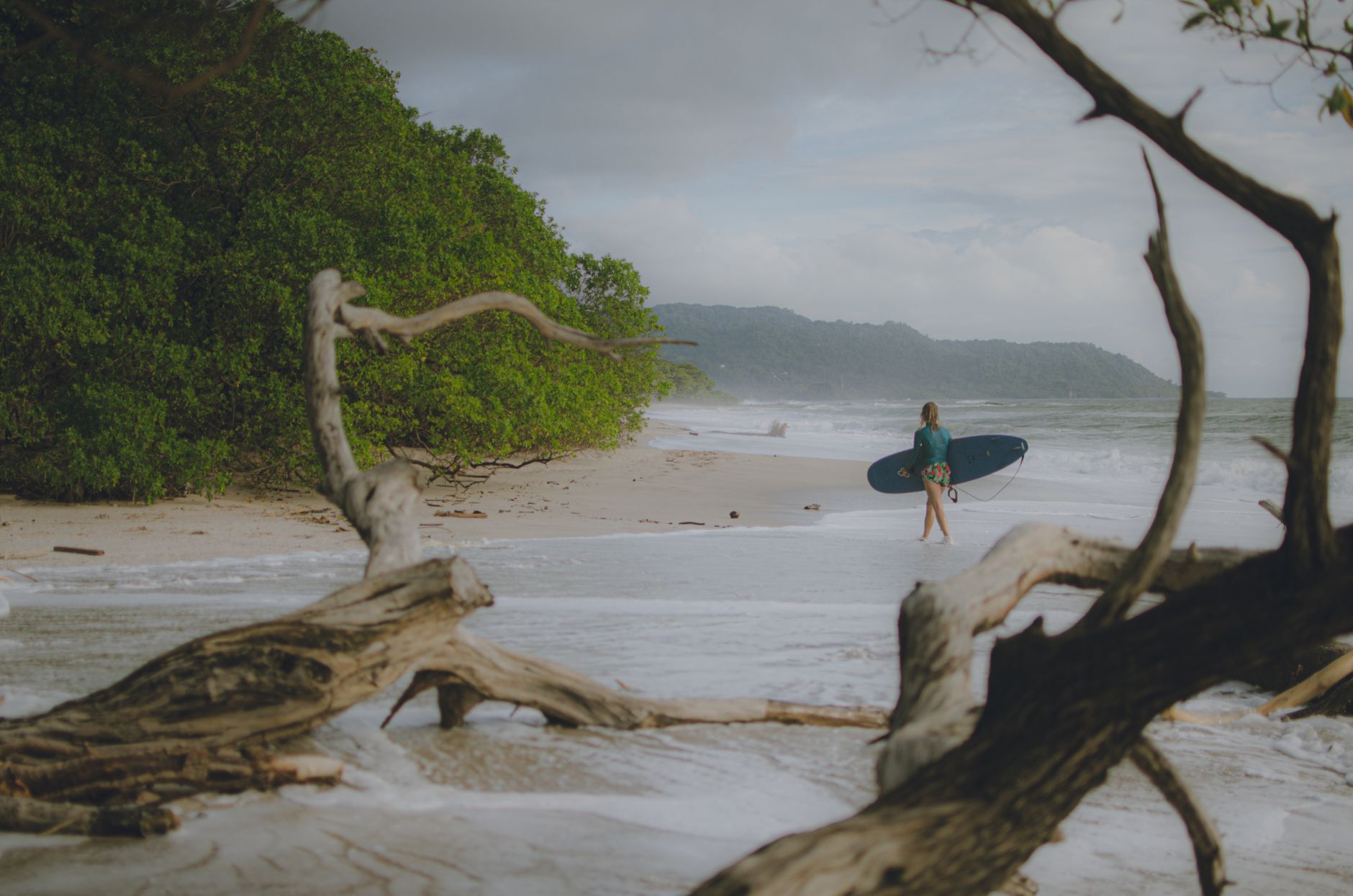
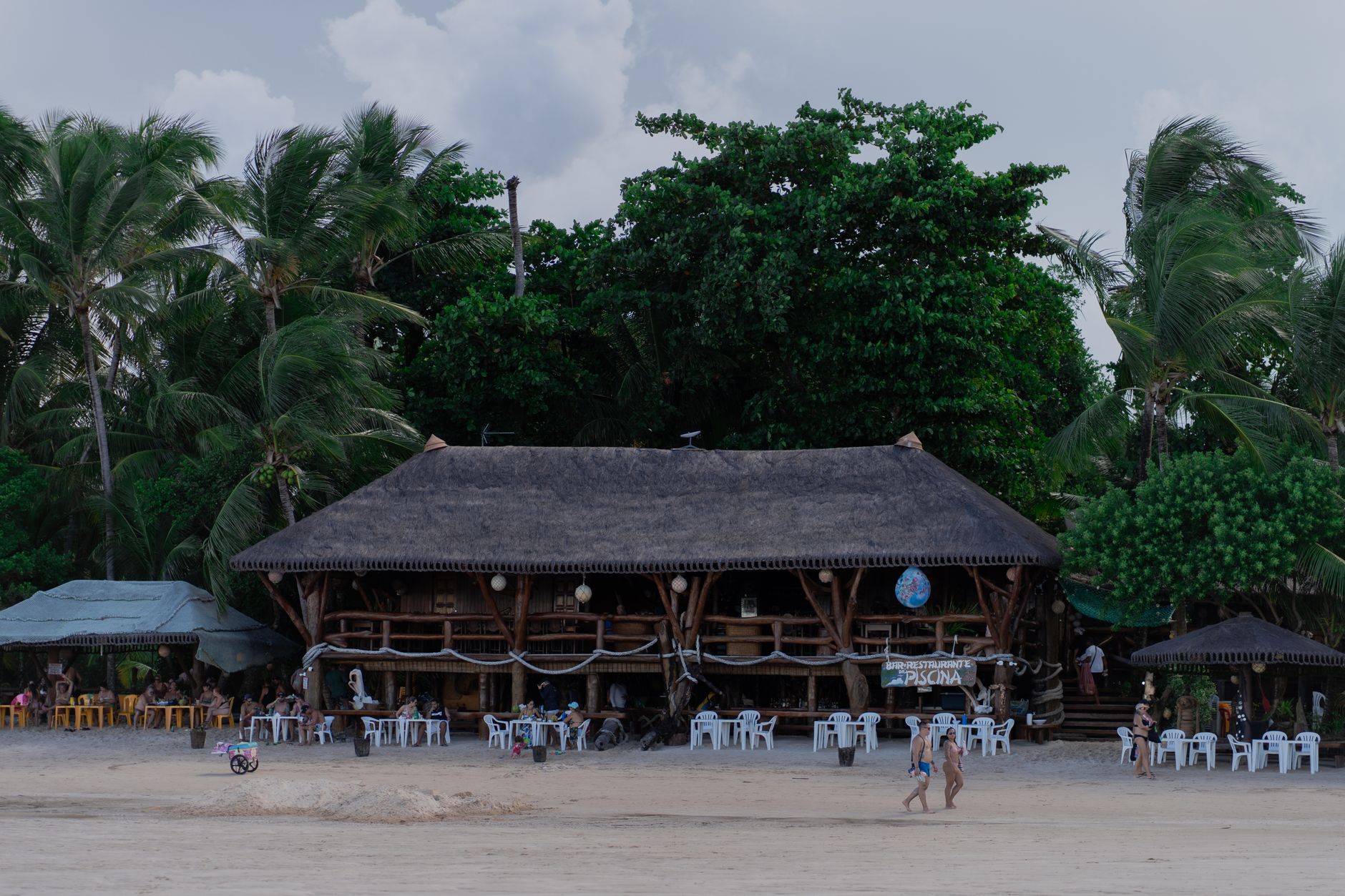
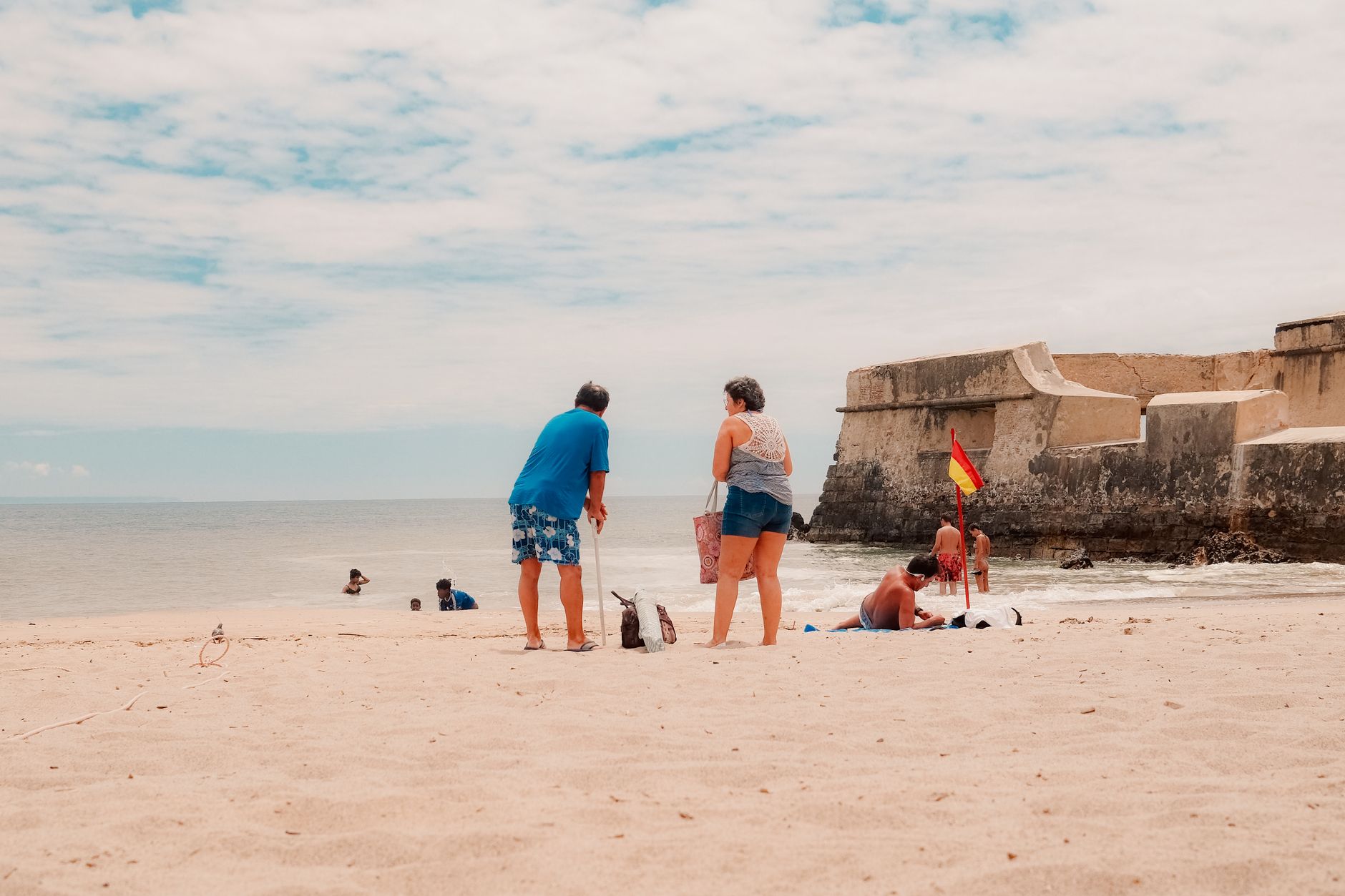
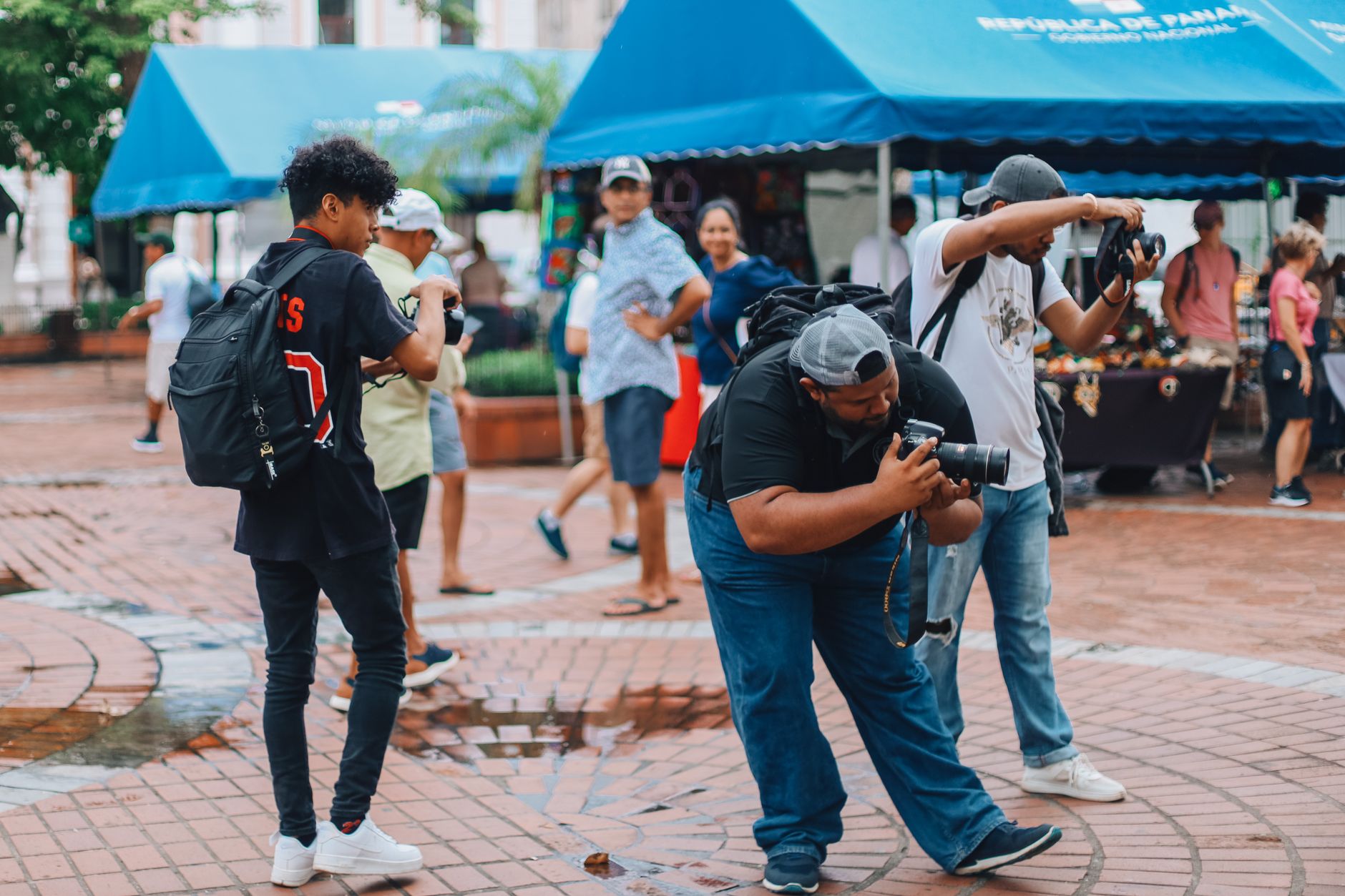
Tamarindo runs for about a mile along a stretch of light tan Pacific sand, and if you arrive at low tide, you'll find surfers already reading the break before breakfast. The town grew up around the wave — and around the estuary at its northern end, where the Matapalo river meets the sea and leatherback turtles still come ashore to nest in the dark.
These days it draws surfers, digital nomads, and a sizable expat community, mostly North American and European, who've turned what was a fishing village into something closer to a small beach town with good coffee, a craft brewery, and a night market that runs most evenings on the main strip.
💛 What travellers fall for
People who keep coming back tend to rent a car for at least a few days — not for Tamarindo itself, which is walkable, but for the beaches just beyond it. They also mention Robert August's place: the surf school, the microbrewery, the board-shaping room. It's a real operation, not a tourist prop, and it's been here since 1990.
How Tamarindo came to be
Until the early 1980s, Tamarindo was a fishing village — families working the estuary for red snapper and bass, little else. The shift began in 1973, when Luis Medaglia and brothers Danilo and Fabio Alfaro built the Hotel Tamarindo Diria to receive the first trickle of international visitors reaching Costa Rica's Pacific coast. A decade later, Texas businessman Russell Wenrich bought land and started developing beachside cabanas.
The moment that fixed Tamarindo on the surf world's map came in 1994, when Wenrich persuaded Costa Rica's tourism agency to subsidize filming there for The Endless Summer II, the sequel to the 1966 documentary whose star, Robert August, had already moved to town. Tamarindo was formally incorporated as a town on November 27, 1995. August eventually relocated his entire business from Huntington Beach to here, and the town has been building around that gravitational pull ever since.
Who and what shaped it
People who shaped it
Landmark buildings
See Tamarindo in motion
Plan your visit
On the map
When to go
The dry season, roughly December through April, brings reliable sunshine and the surf swells that made the town's reputation. The wet season from May to November brings afternoon rains and a greener, quieter version of the place — rates drop and the crowds thin considerably.
Right now
Background & history adapted from Wikipedia (CC BY-SA) · specs from Wikidata (CC0) · weather from Open-Meteo · map data © OpenStreetMap contributors · photos from Wikimedia Commons / Unsplash with per-image credit. No third-party reviews or social posts reproduced.