
San Juan
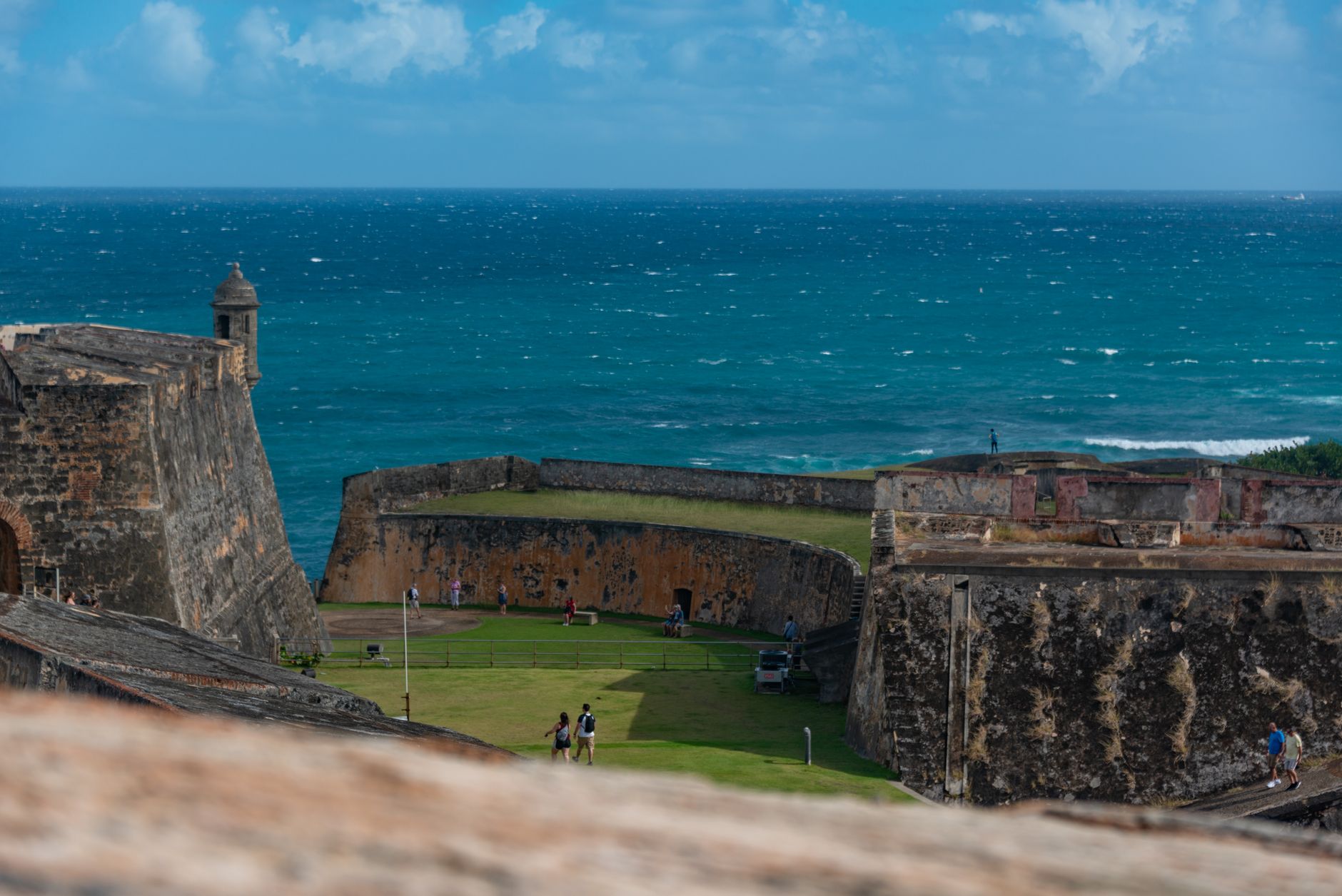
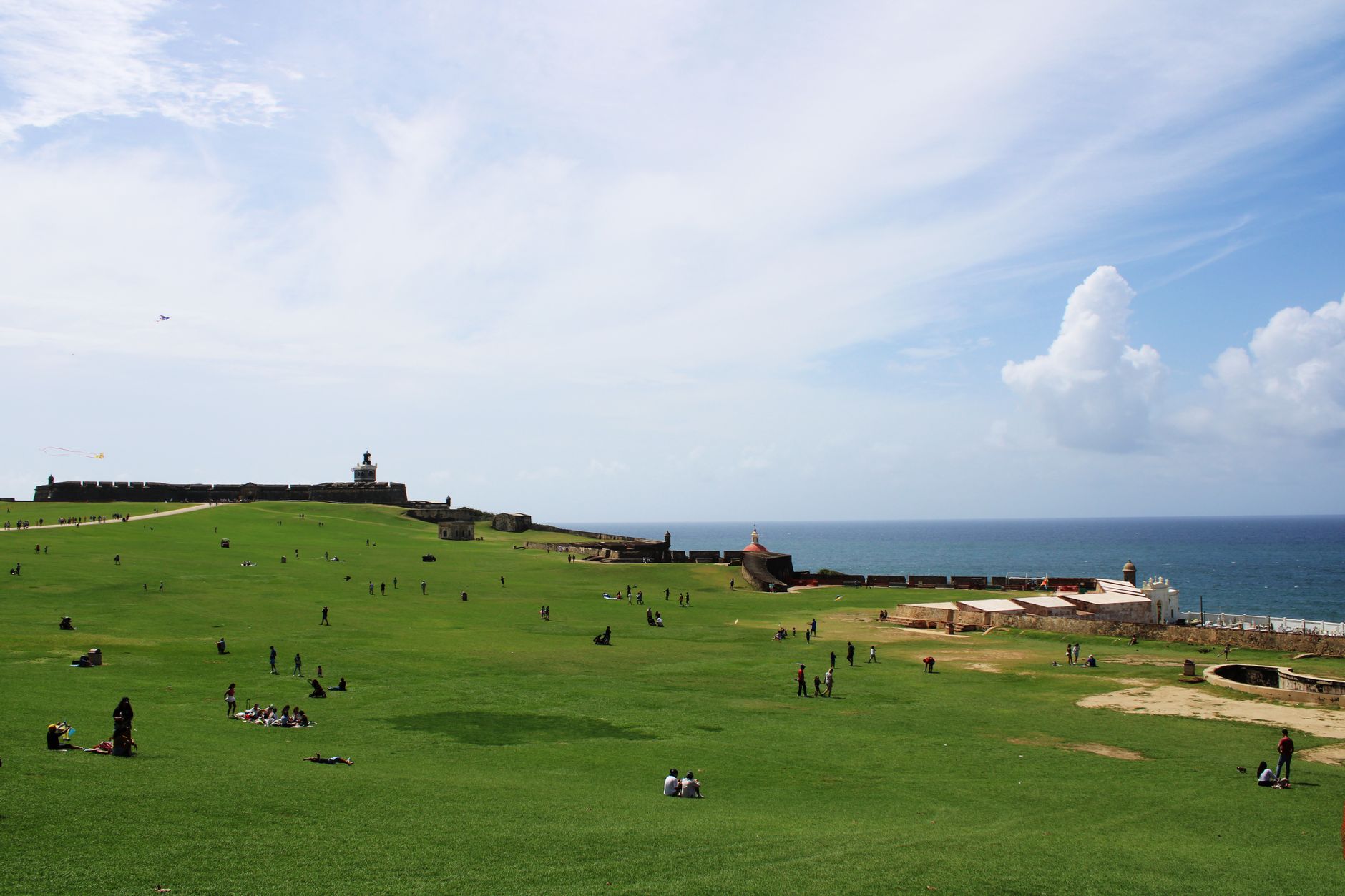
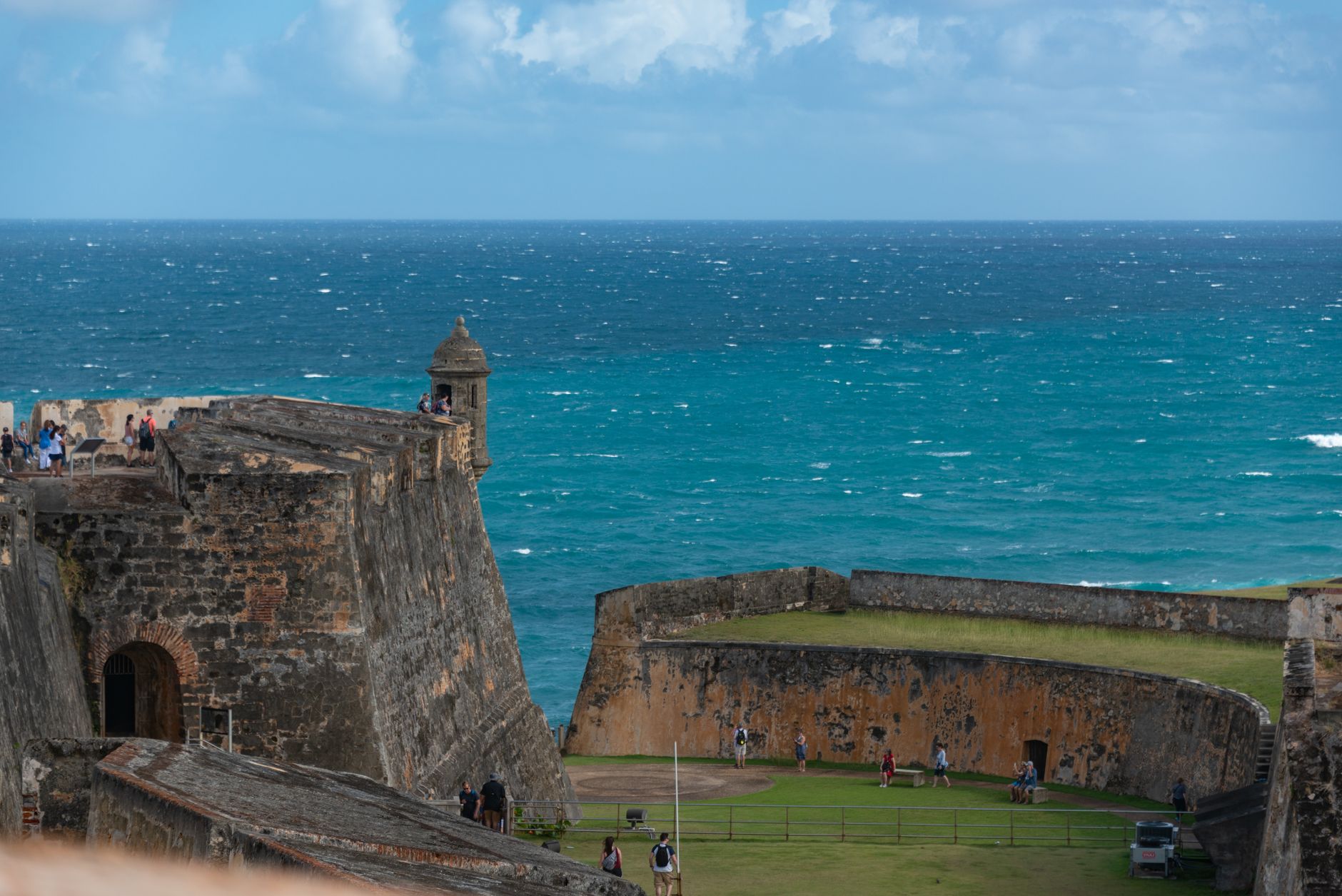
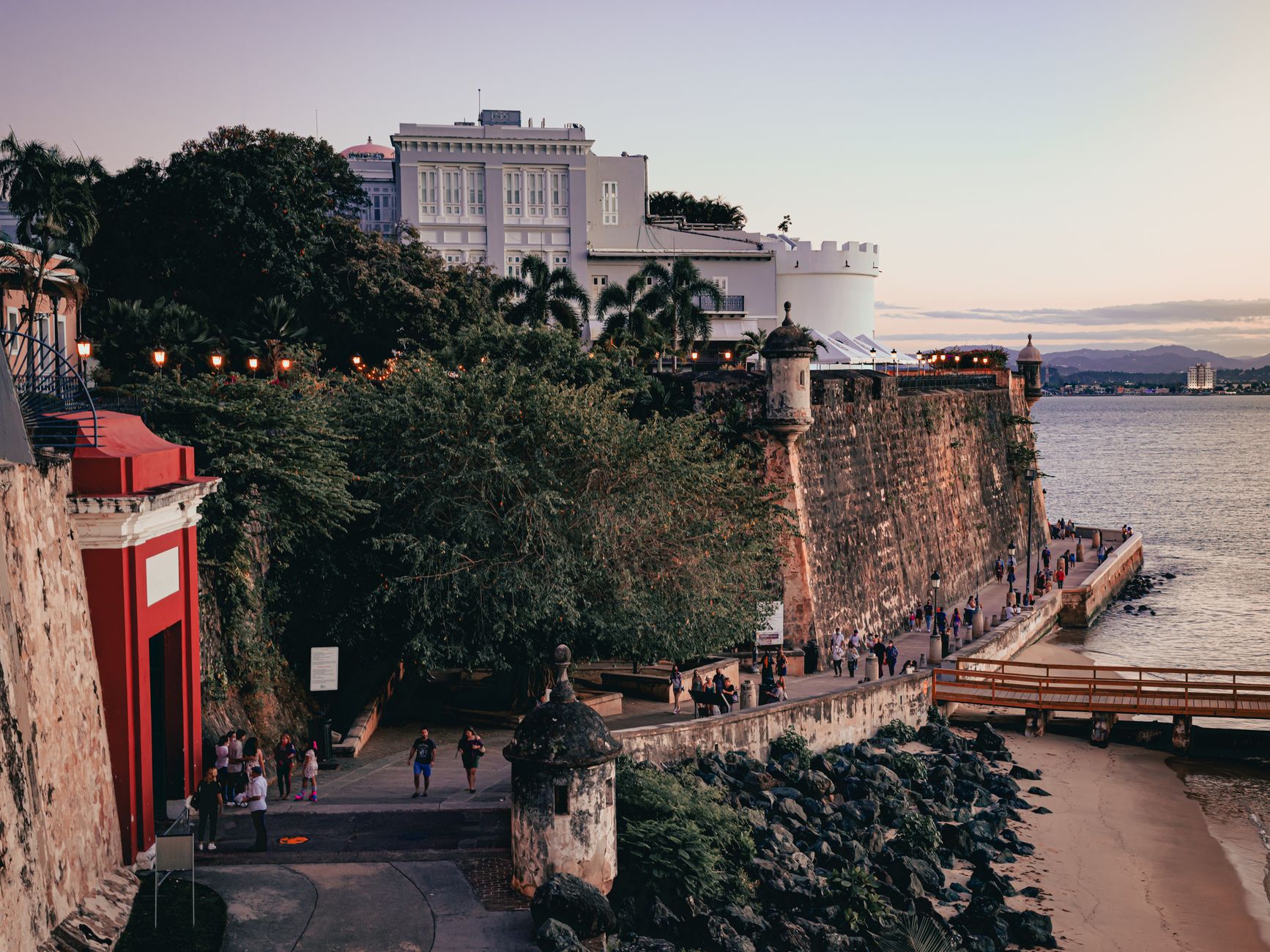
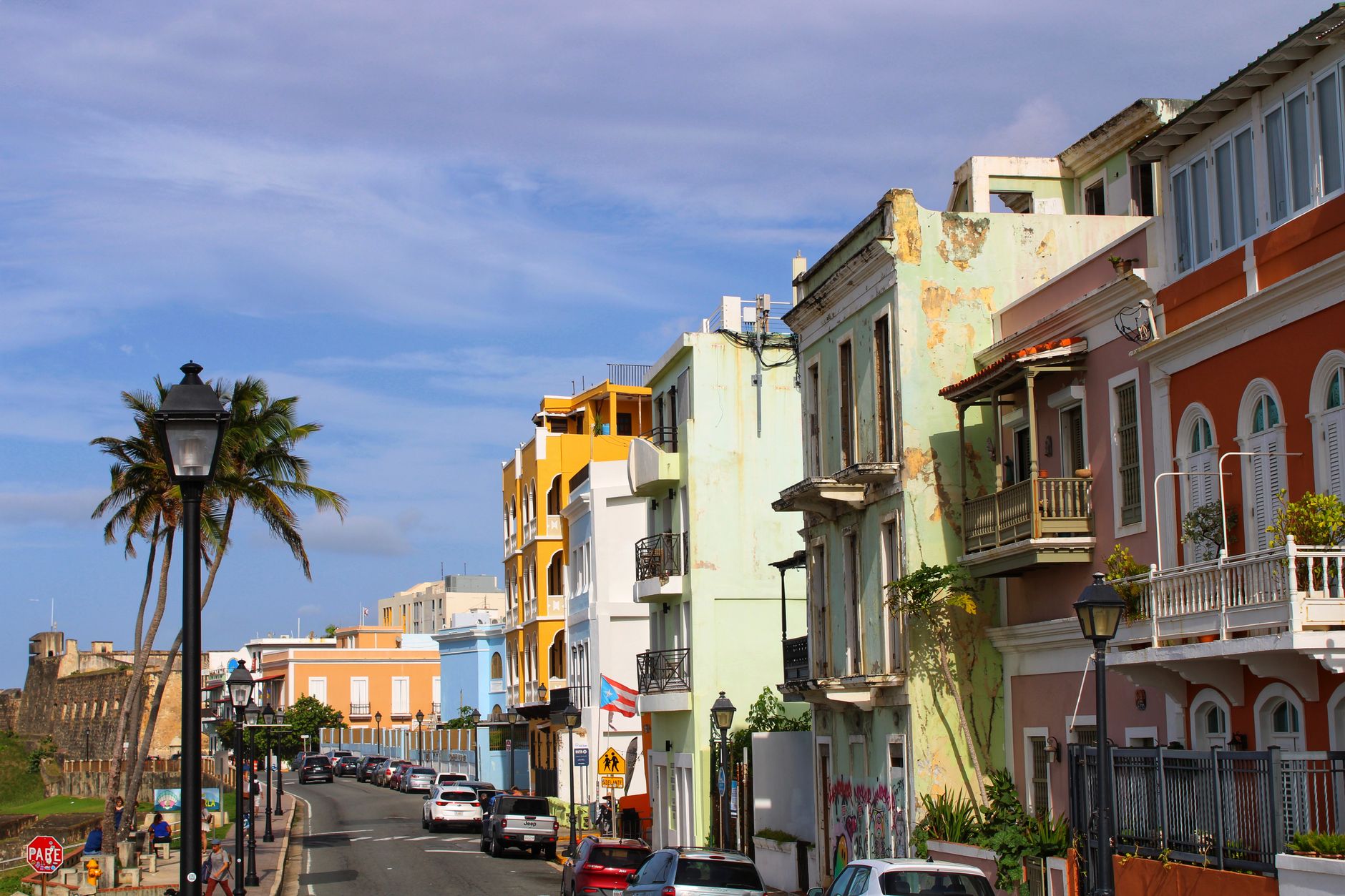
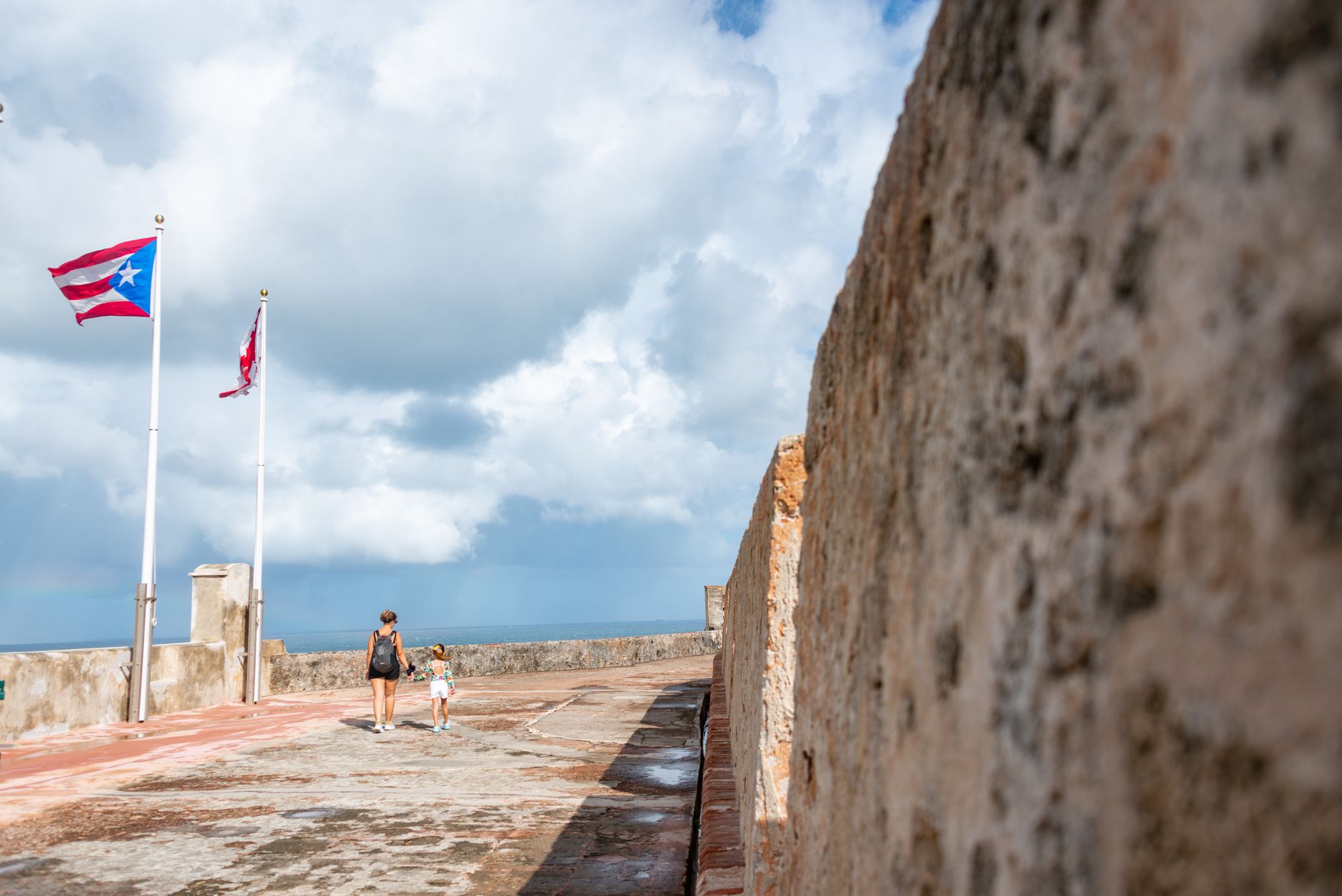
San Juan announces itself through stone. The old city sits on a small islet at the mouth of the bay, its streets paved with adoquines — blue-grey cobblestones, made from iron-furnace slag, that glow faintly after rain. The fortifications at either end of the peninsula are not ruins but intact Spanish military architecture, and walking the grass-covered ramparts of El Morro with the Atlantic below you is one of the more disorienting experiences the Caribbean offers.
Beyond the walls, the city spreads into Condado, Santurce, Isla Verde and further — each neighborhood its own register. Old San Juan is the anchor, and the fact sheet for everything that came after.
How San Juan came to be
Juan Ponce de León founded the island's first Spanish settlement, Caparra, in 1508, then moved it in 1521 to the rocky islet that commands the harbor — a position chosen for exactly the reasons you can see from the walls today. That same year construction began on what is now the oldest church on U.S. soil, the Cathedral of San Juan Bautista. The diocese had already been established in 1511, the second oldest in the Americas.
The fortifications followed: El Morro from 1539, Castillo San Cristóbal and the southern walls through the 17th century, with bastions added through the 1780s. For nearly four centuries the system held. In May 1898, San Cristóbal exchanged fire with a U.S. fleet; by December, Puerto Rico had passed to the United States under the Treaty of Paris. The UNESCO World Heritage designation came in 1983. Old San Juan turned 500 in 2022.
Who and what shaped it
People who shaped it
Landmark buildings
See San Juan in motion
Plan your visit
On the map
When to go
Puerto Rico sits in the tropics, so San Juan is warm year-round — roughly 24–30°C. The drier, cooler months from December through April are the most comfortable for walking the cobblestones; the Atlantic hurricane season runs June through November, with August and September carrying the highest risk of disruption.
Right now
Background & history adapted from Wikipedia (CC BY-SA) · specs from Wikidata (CC0) · weather from Open-Meteo · map data © OpenStreetMap contributors · photos from Wikimedia Commons / Unsplash with per-image credit. No third-party reviews or social posts reproduced.