
San José
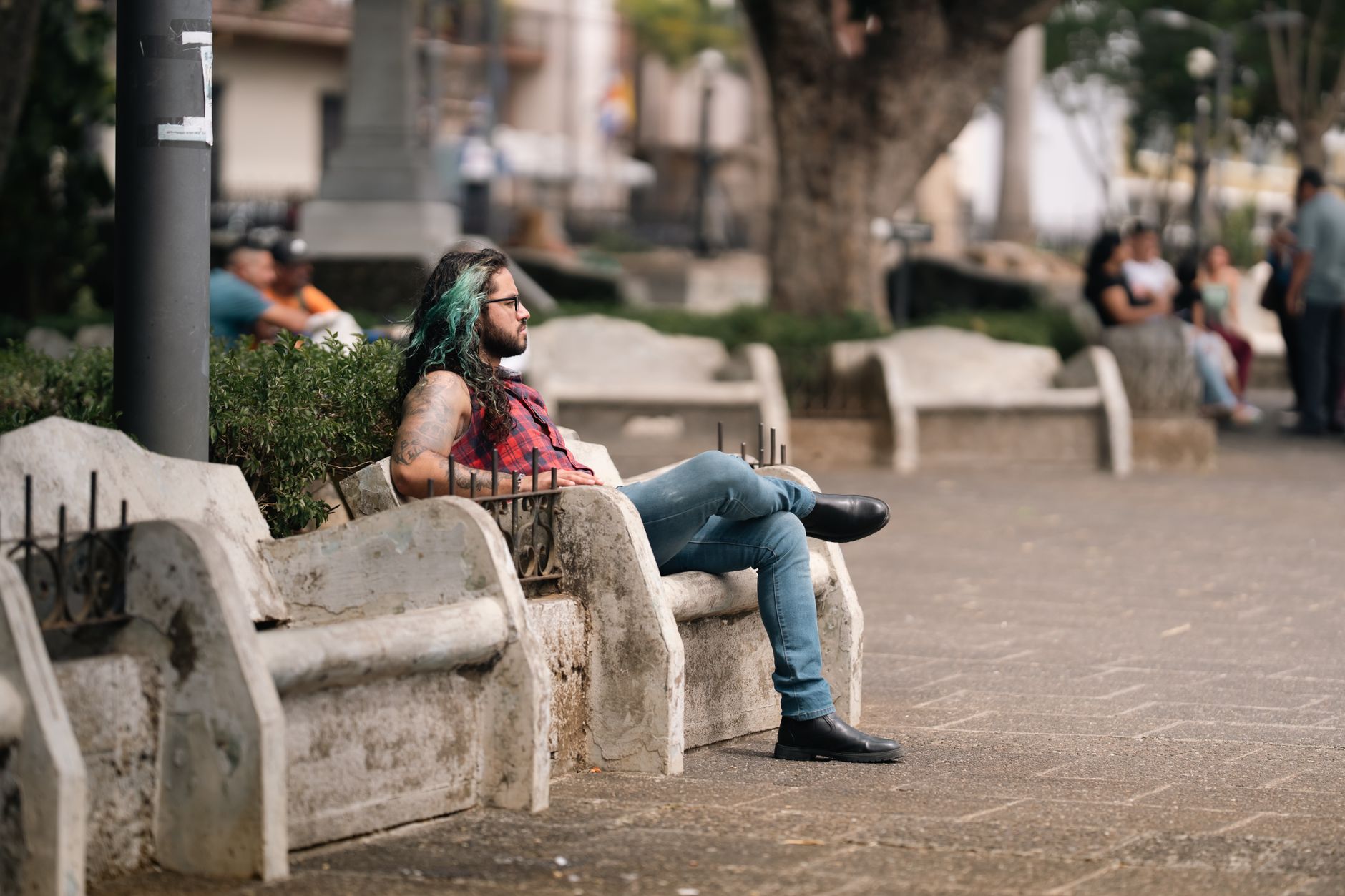
San José sits in a broad mountain valley at roughly 1,100 metres, which keeps it cooler than the coast and gives the city its particular quality of light — sharp mornings, clouds building by afternoon. Most visitors treat it as a layover before heading to the volcanoes or the Pacific, but the centre rewards a slower look: the Teatro Nacional's gilded ceiling, a pre-Columbian jade collection that fills an entire floor, and Barrio Amón's early-20th-century mansions running along streets that still feel like a neighbourhood.
The city is Costa Rica's administrative and cultural core, and its plazas and markets reflect that — less a postcard capital than a working one, where buses depart for every corner of the country and the coffee has been serious business since the 1800s.
💛 What travellers fall for
People who keep coming back tend to anchor in Barrio Amón, which puts the Teatro Nacional and the Gold Museum within walking distance and the better cafés just around the corner. Bus fares are still paid in colones — carry small coins or bills of 1,000 or 2,000 colones, because drivers don't always have change for larger notes.
How San José came to be
San José was founded in 1736 under the name Villa Nueva de la Boca del Monte, and for decades it was a minor settlement compared to older colonial towns. The Tobacco Factory, installed in 1782, drew population and money, and by 1823 the city had become Costa Rica's capital. In 1884 it became one of the first cities in the world — and the first in Latin America — to light its streets with electricity.
The late 19th century brought a coffee-driven building boom. A French entrepreneur known as Monsieur Amon laid out the neighbourhood that still carries his name. The Teatro Nacional opened in 1897, its Italian furnishings shipped across the Atlantic. Around the same time, the Edificio Metálico arrived prefabricated from Belgium, assembled piece by piece on a downtown corner — a city quite literally building itself from imported parts.
Who and what shaped it
People who shaped it
Landmark buildings
See San José in motion
Plan your visit
On the map
When to go
The dry season runs December through April, with January and February almost entirely rain-free and reliably sunny. From May to November expect lush green surroundings and afternoon thunderstorms that usually clear by evening; September and October are the wettest months.
Background & history adapted from Wikipedia (CC BY-SA) · specs from Wikidata (CC0) · weather from Open-Meteo · map data © OpenStreetMap contributors · photos from Wikimedia Commons / Unsplash with per-image credit. No third-party reviews or social posts reproduced.