
Rincón de la Vieja National Park
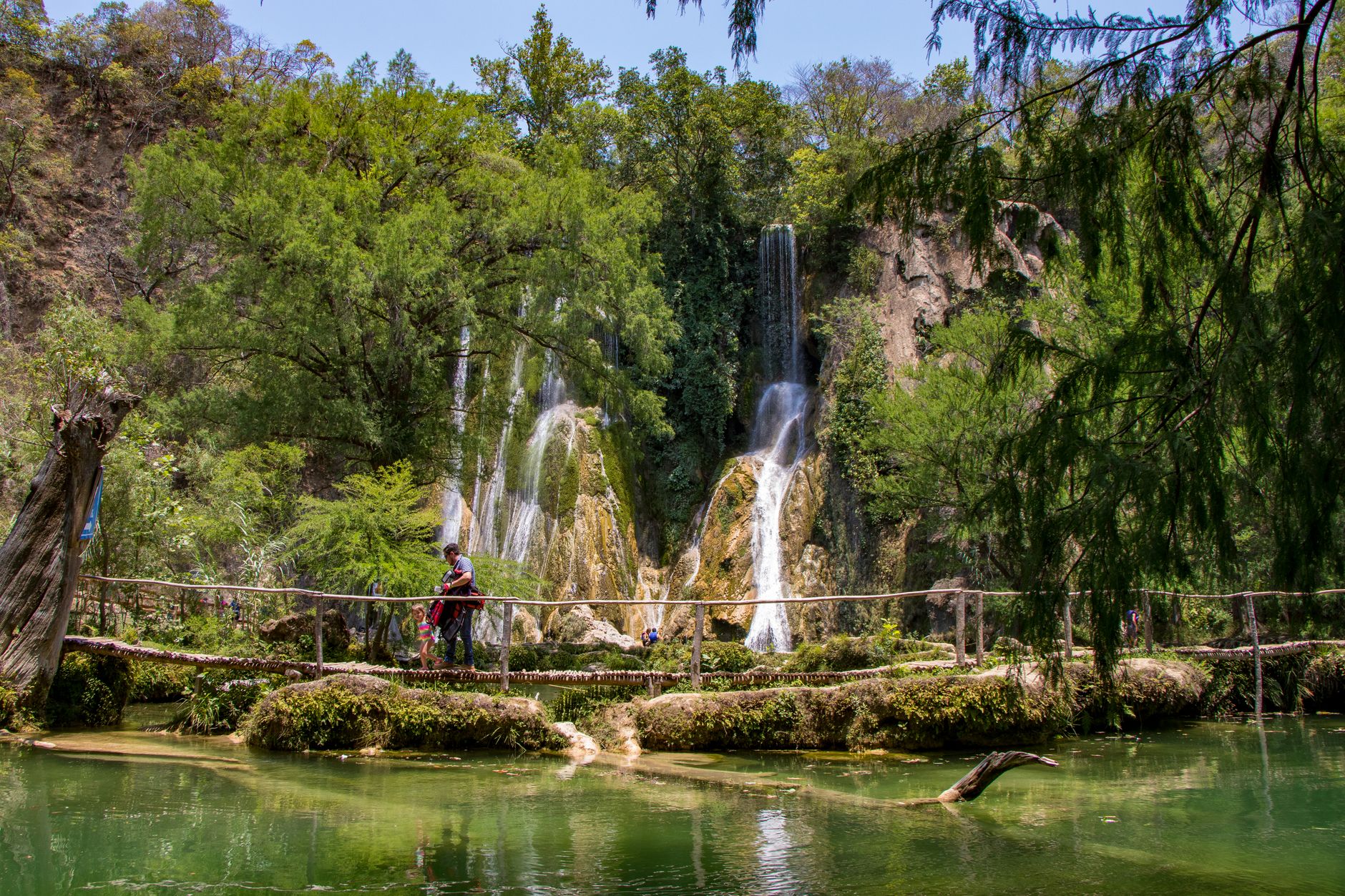
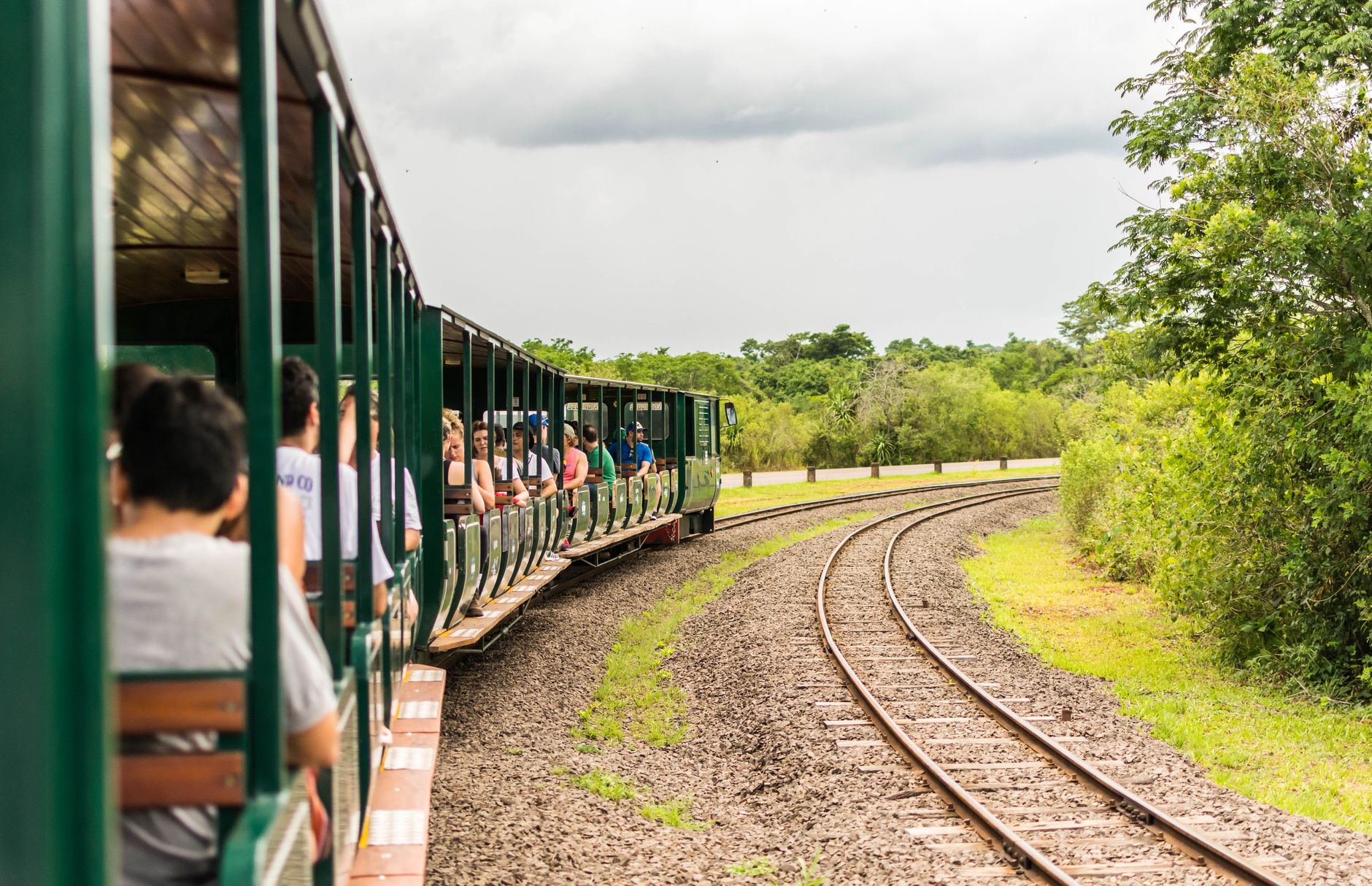
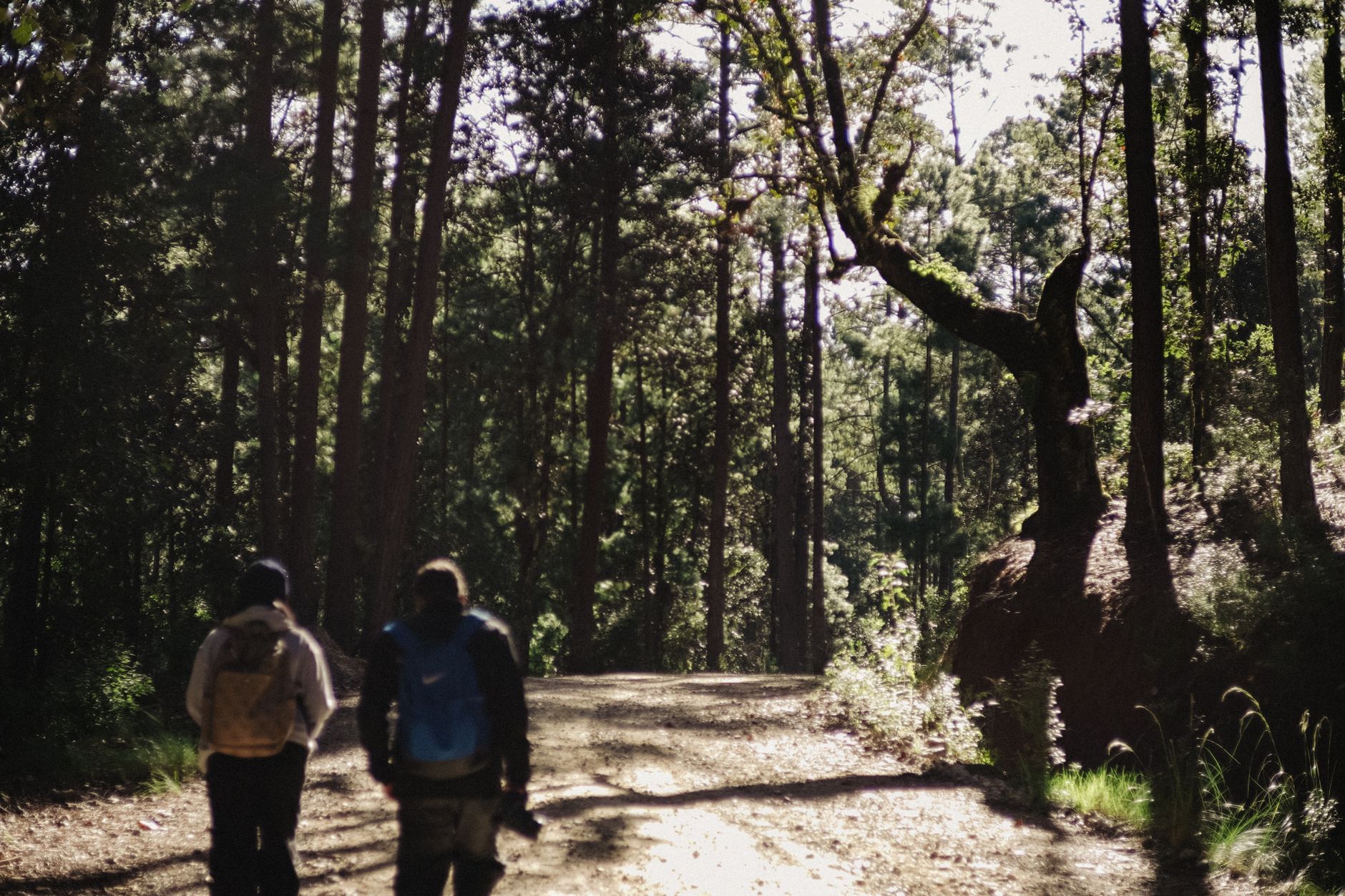
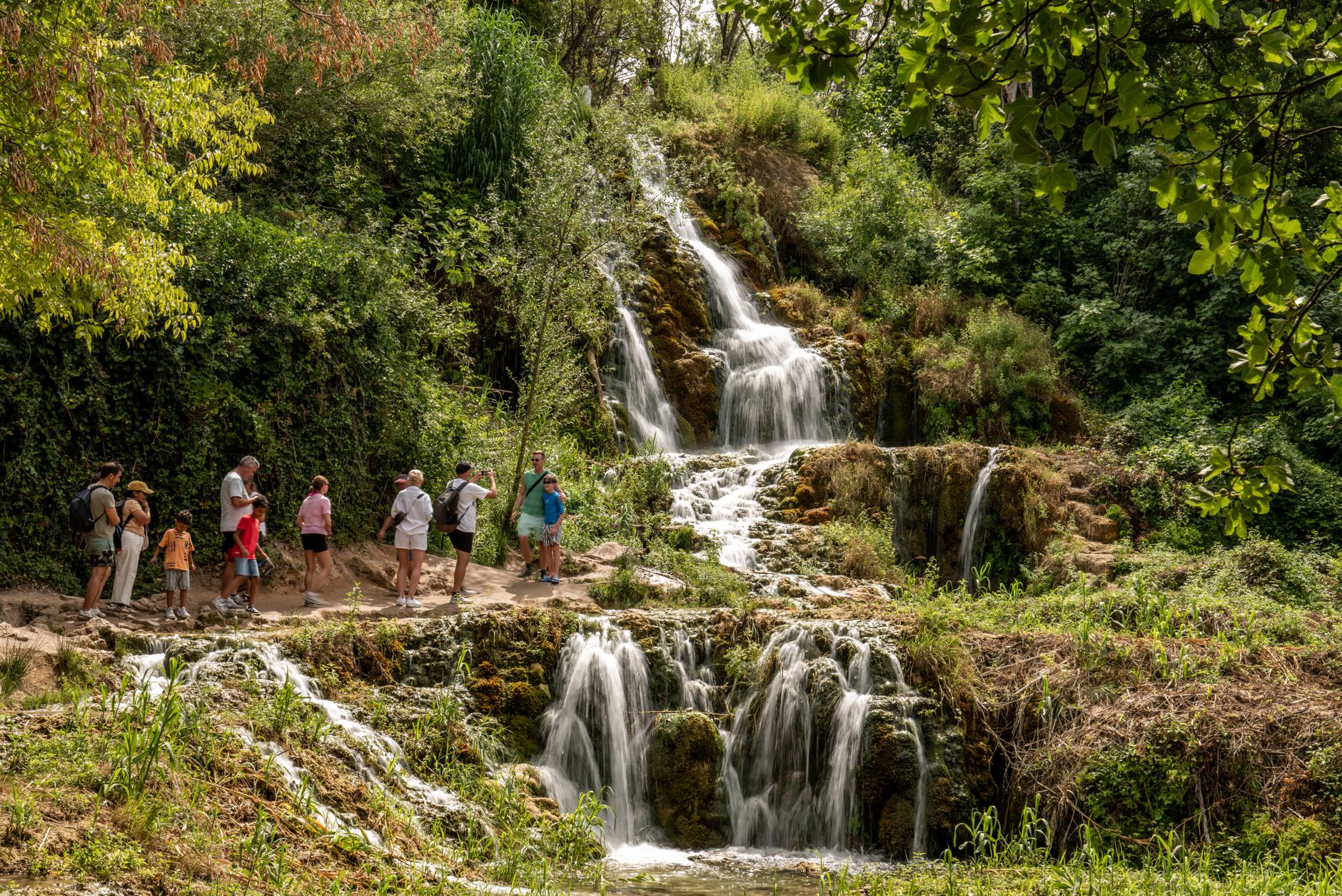
The name translates roughly as 'Corner of the Old Woman,' and the park lives up to something ancient and unsettled. Walk the Las Pailas loop and the ground itself seems barely contained — mud pots blorp and hiss, sulfur-tinged steam rises from fumaroles, and a small geyser sends a column of water skyward without warning. This is active geology you can stand a few feet from.
Rincón de la Vieja covers 14,300 hectares of the Guanacaste highlands, taking in two volcanoes and a cluster of nine craters. Ranching culture runs through the surrounding land — many of the lodges sit on former haciendas, and it is not unusual to share a dirt road with a rider on horseback.
How Rincón de la Vieja National Park came to be
Costa Rica established Rincón de la Vieja as its eighth national park on October 23, 1973, under Law No. 5398. The protected area was drawn to preserve both the volcanic landscape and the dry tropical forest ecosystems of the Pacific slope.
The name itself reaches back further. Local legend ties it to Princess Curubanda of the pre-Columbian Curubandé people, said to have known how to use the volcanic mud and thermal springs for healing — knowledge that, in one form or another, visitors are still seeking when they soak in the mineral pools along Río Negro.
Who and what shaped it
Landmark buildings
See Rincón de la Vieja National Park in motion
Plan your visit
On the map
When to go
The dry season, December through April, brings clear skies and reliable trail conditions; January through March is peak season with correspondingly higher prices. The rainy season runs May through November, with the heaviest rains in September and October, though a brief dry spell — the Veranillo de San Juan — typically arrives in late July or August; waterfalls run fuller and the geothermal steam reads more dramatically against the mist.
Right now
Background & history adapted from Wikipedia (CC BY-SA) · specs from Wikidata (CC0) · weather from Open-Meteo · map data © OpenStreetMap contributors · photos from Wikimedia Commons / Unsplash with per-image credit. No third-party reviews or social posts reproduced.