
Rincon
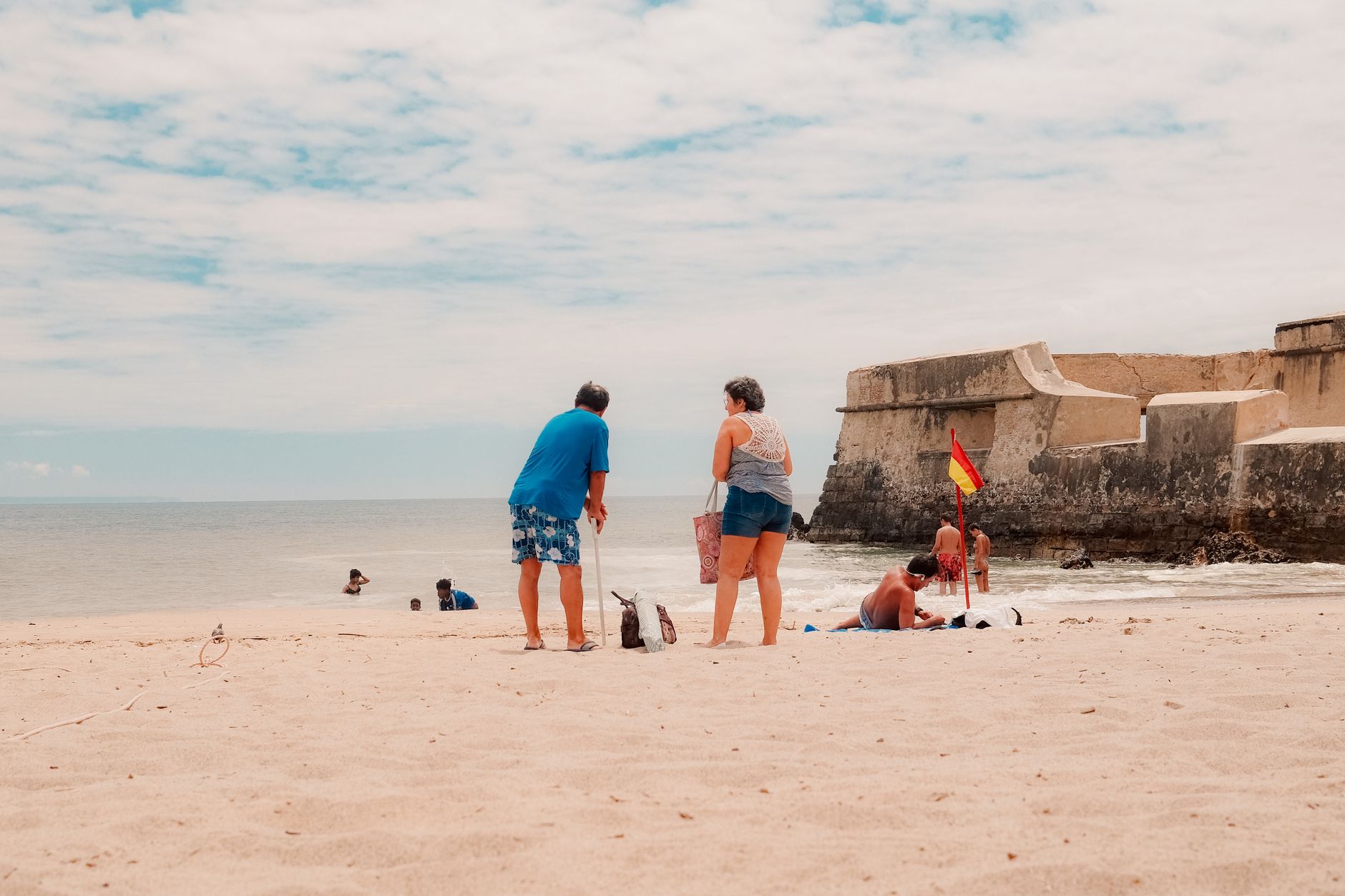
On Puerto Rico's west coast, where the Atlantic meets the Caribbean, Rincón is the island's surf capital — a place where the road ends at limestone cliffs, the lighthouse still turns, and the dome of a long-decommissioned nuclear reactor gives one of its best beaches its name. Fifty-three beaches stretch across the municipality, from the reef-sheltered Tres Palmas to the town beach a short walk from the plaza.
This is not a resort corridor. The restaurants, surf shops, and bars are spread across hillsides and coastal roads, and a rental car is the honest way to move between them. Downtown is compact enough to walk, but the rest of Rincón rewards the kind of loose itinerary that follows a swell report or a whale sighting.
💛 What travellers fall for
Regulars tend to time a visit around the Thursday Art Walk — the Plaza de Recreo fills with food, local art, and live music, and it's one of the easier ways to get your bearings in town. For whale watching, the observation deck at Punta Higuero Lighthouse is the spot; humpbacks pass through in winter and the cliff views hold up even when they don't.
How Rincon came to be
Rincón was formally established in 1771, separating from the neighboring municipality of Aguada to become Puerto Rico's 68th municipality. Its early economy ran on fishing, cattle, coconuts, and sugar cane. In 1892 the Punta Higuero Lighthouse was completed on the cliffs above the Mona Passage; the 1918 earthquake and tsunami that struck the west coast damaged it, and it was later rebuilt. A quieter footnote: Rincón recorded Puerto Rico's first civil marriage in 1894.
The 20th century brought stranger chapters. Between 1960 and 1968, a nuclear reactor — known as BONUS — operated here, the only one ever built on the island. It ran at full power for less than three years before being shut down due to technical difficulties, decontaminated, and left behind a concrete dome that now names the surf break beside it. In 1968, the World Surfing Championship came to Domes and María's Beaches, and Rincón's international reputation as a surf destination was set.
Who and what shaped it
People who shaped it
Landmark buildings
See Rincon in motion
Plan your visit
On the map
When to go
Temperatures hover around 29°C through most of the year, making any month workable. Winter — roughly November through March — brings the north swells that draw surfers and, from the lighthouse cliffs, migrating humpback whales.
Right now
Background & history adapted from Wikipedia (CC BY-SA) · specs from Wikidata (CC0) · weather from Open-Meteo · map data © OpenStreetMap contributors · photos from Wikimedia Commons / Unsplash with per-image credit. No third-party reviews or social posts reproduced.