
Puerto Viejo de Talamanca
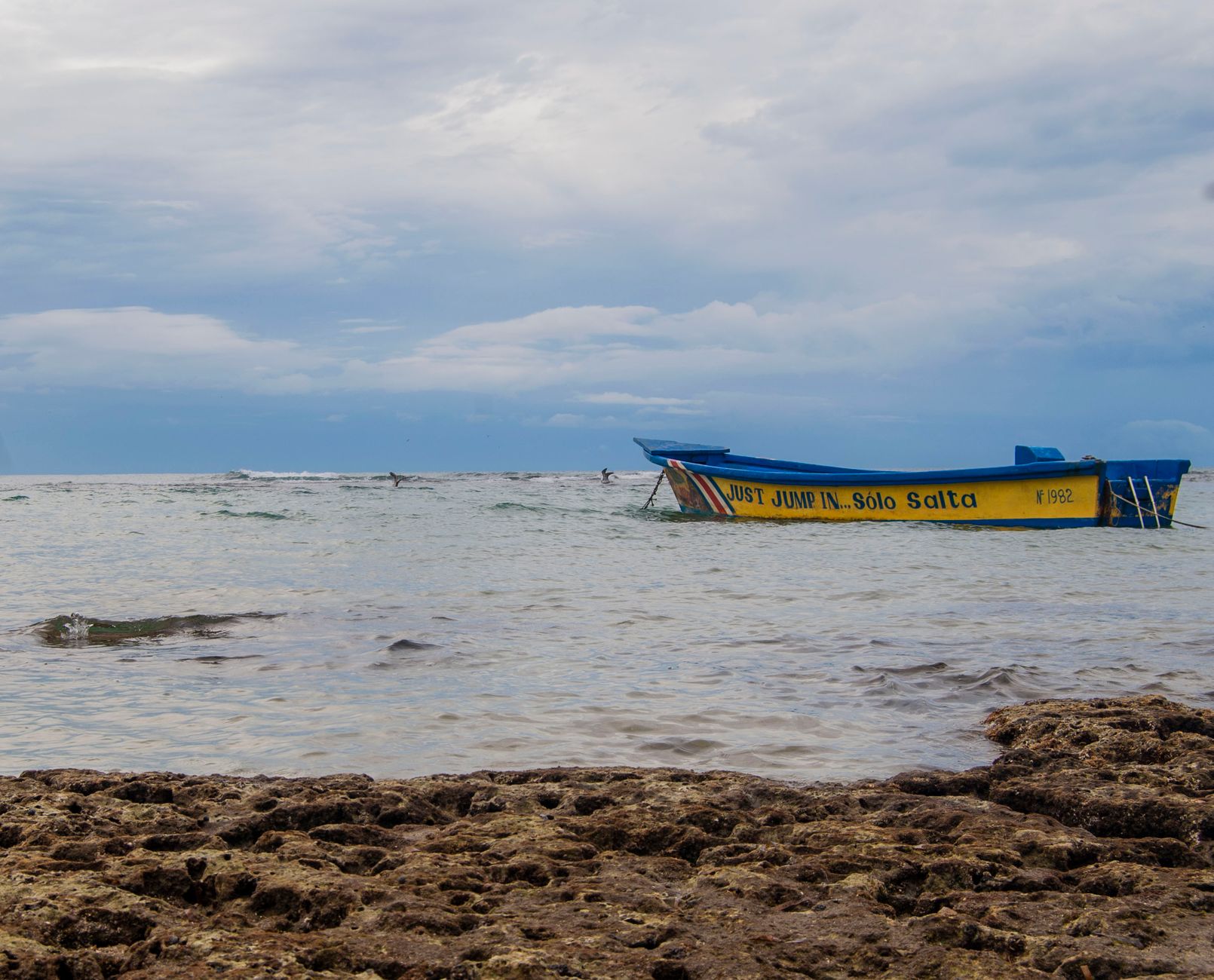


The first thing you notice in Puerto Viejo de Talamanca is the language — or rather, the languages. Patois, English, and Spanish tumble over each other in the same sentence, on the same street corner, and the town's whole character follows from that layering. This is the Caribbean coast, not the Pacific, and it shows: the pace is different, the food is different, the music is different.
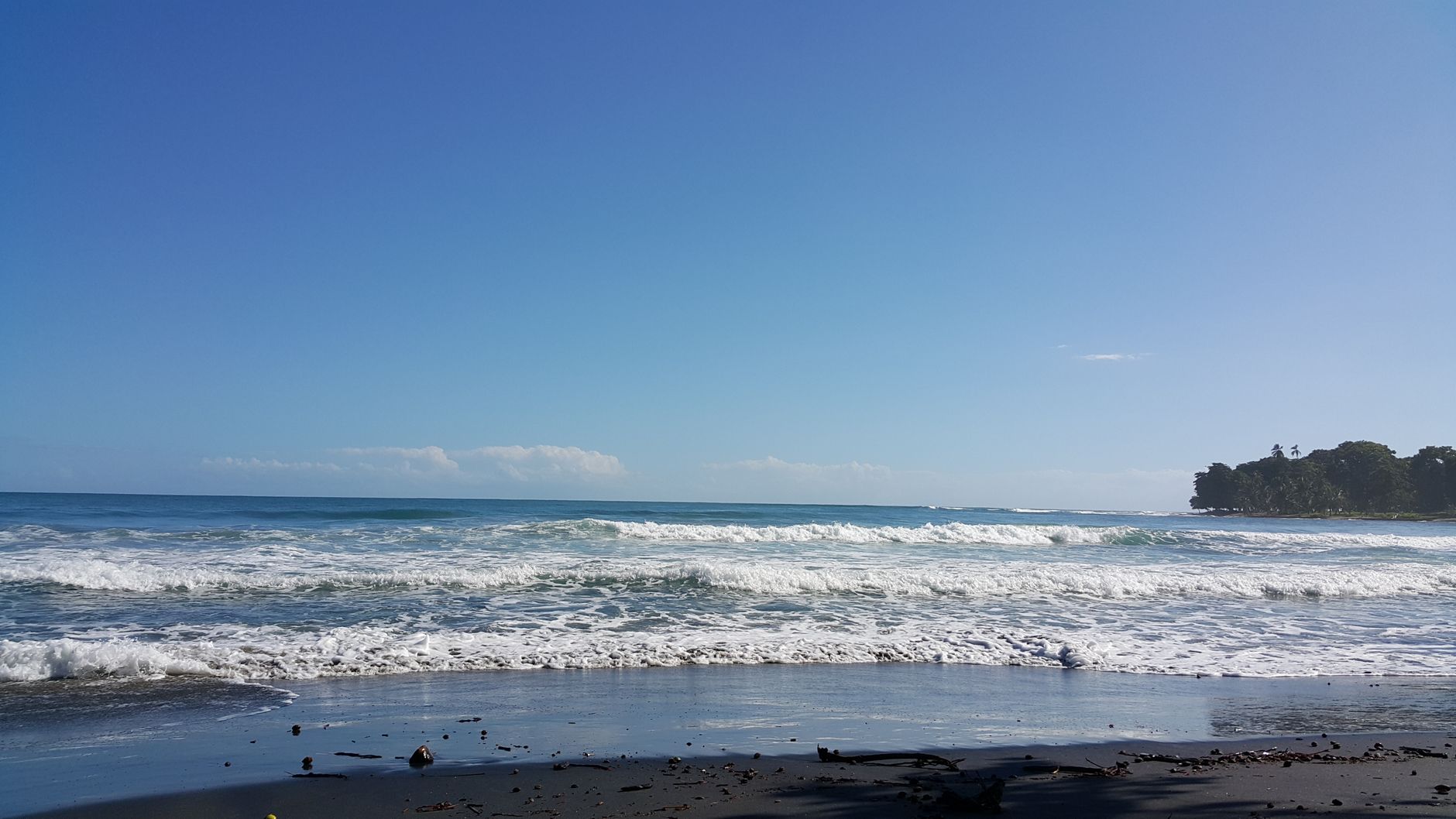
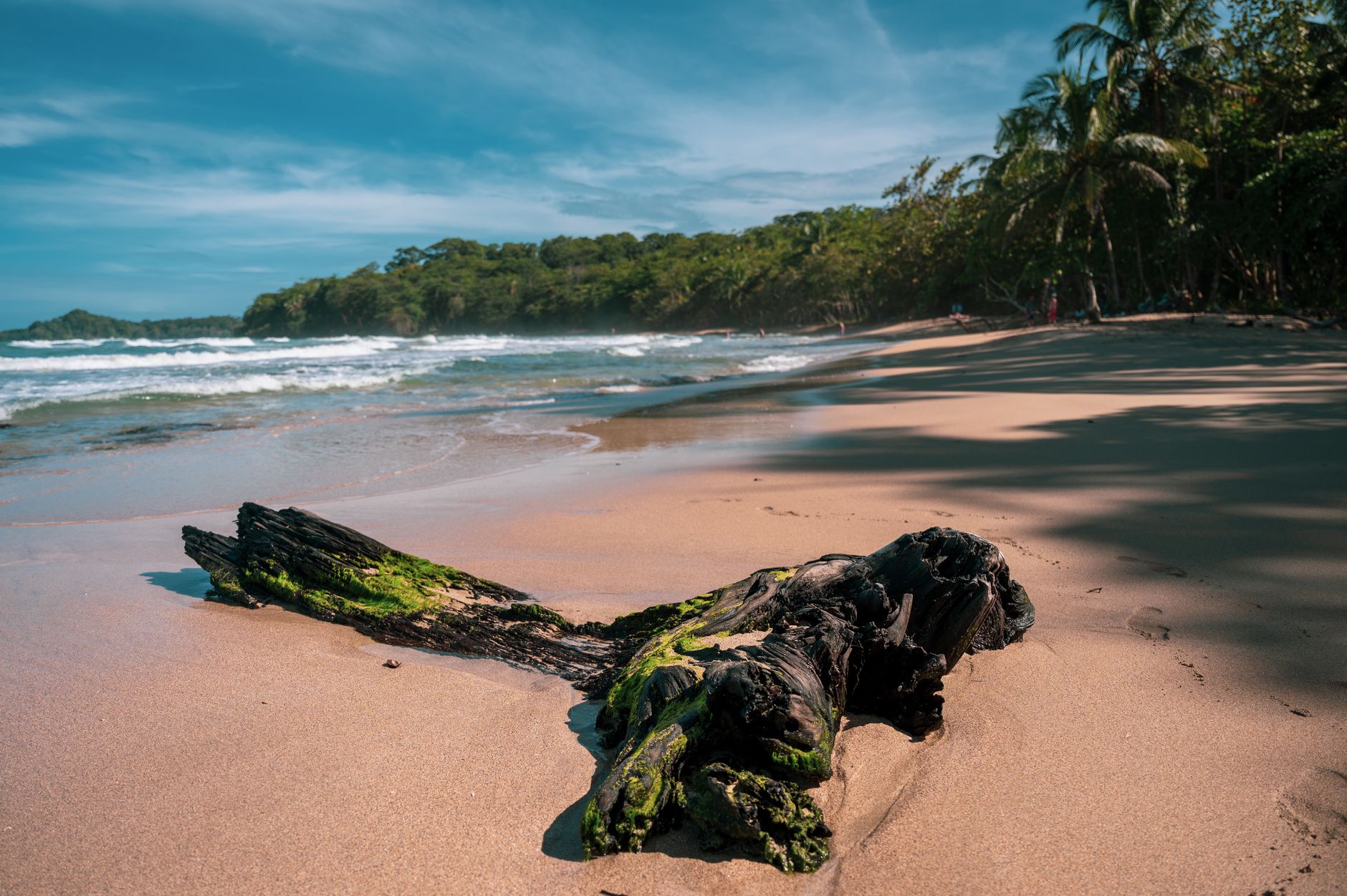
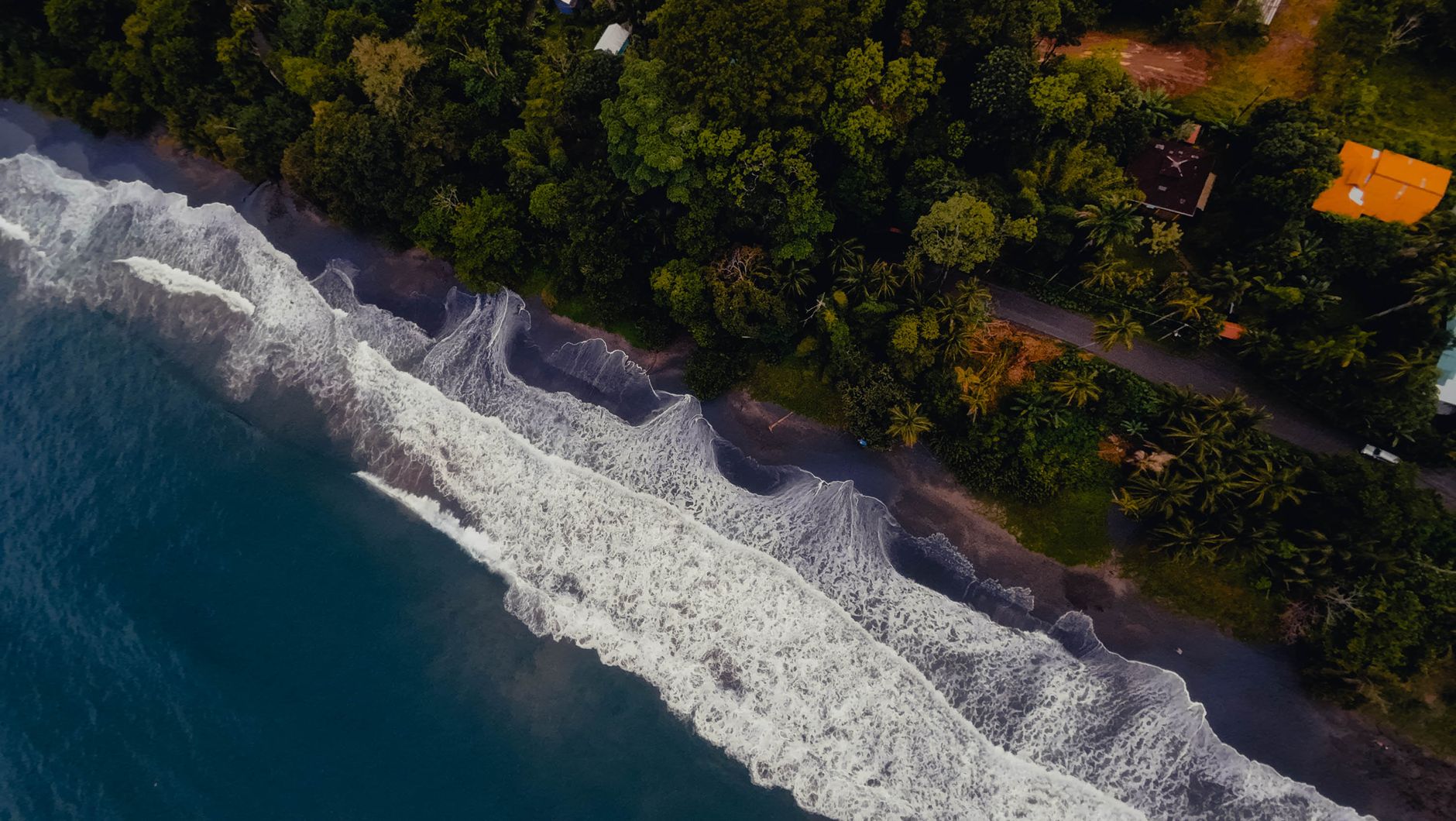
The main drag is flat and easy, lined with small cafés, and most people get around by bicycle. Beyond town, the road south toward Manzanillo passes some of Costa Rica's finest beaches — black sand, ivory sand, coral reef — and stays flat enough that the ride itself is the thing.
💛 What travellers fall for
People who come back tend to stake out a rhythm: mornings at Playa Punta Uva before the sun gets high, afternoons watching surfers work Salsa Brava from a safe distance on the sand, evenings when calypso drifts out of somewhere you can't quite locate. Leave valuables locked up, not just tucked in a bag on the beach.
How Puerto Viejo de Talamanca came to be
The Bribri and Cabecar peoples lived in the Talamanca interior long before anyone else arrived, settling along the rivers that cut through the rainforest. The coast began to change in 1828, when William Smith established a camp near the site to work marine resources. The larger transformation came through the mid-1800s, as Afro-Caribbean people — most of them Jamaican, many arriving via Panama — settled along the shore and built a community rooted in fishing, farming, cricket, and calypso.
The town was known in English as Old Harbour until the Costa Rican government replaced English place names with Spanish or Indigenous ones. For most of its history it remained cut off from the rest of the country, reachable only by narrow-gauge train or canoe, until a road finally connected it to Limón in 1979.
Who and what shaped it
Landmark buildings
See Puerto Viejo de Talamanca in motion
Plan your visit
On the map
When to go
Temperatures barely shift across the year — days run 29–32°C, nights stay in the low 20s — but rainfall varies considerably, with July averaging 19 rainy days and March dropping to around nine. The sea hovers between 27 and 29°C year-round, so the water is never a deterrent.
Right now
Background & history adapted from Wikipedia (CC BY-SA) · specs from Wikidata (CC0) · weather from Open-Meteo · map data © OpenStreetMap contributors · photos from Wikimedia Commons / Unsplash with per-image credit. No third-party reviews or social posts reproduced.