
Palmeraie Village
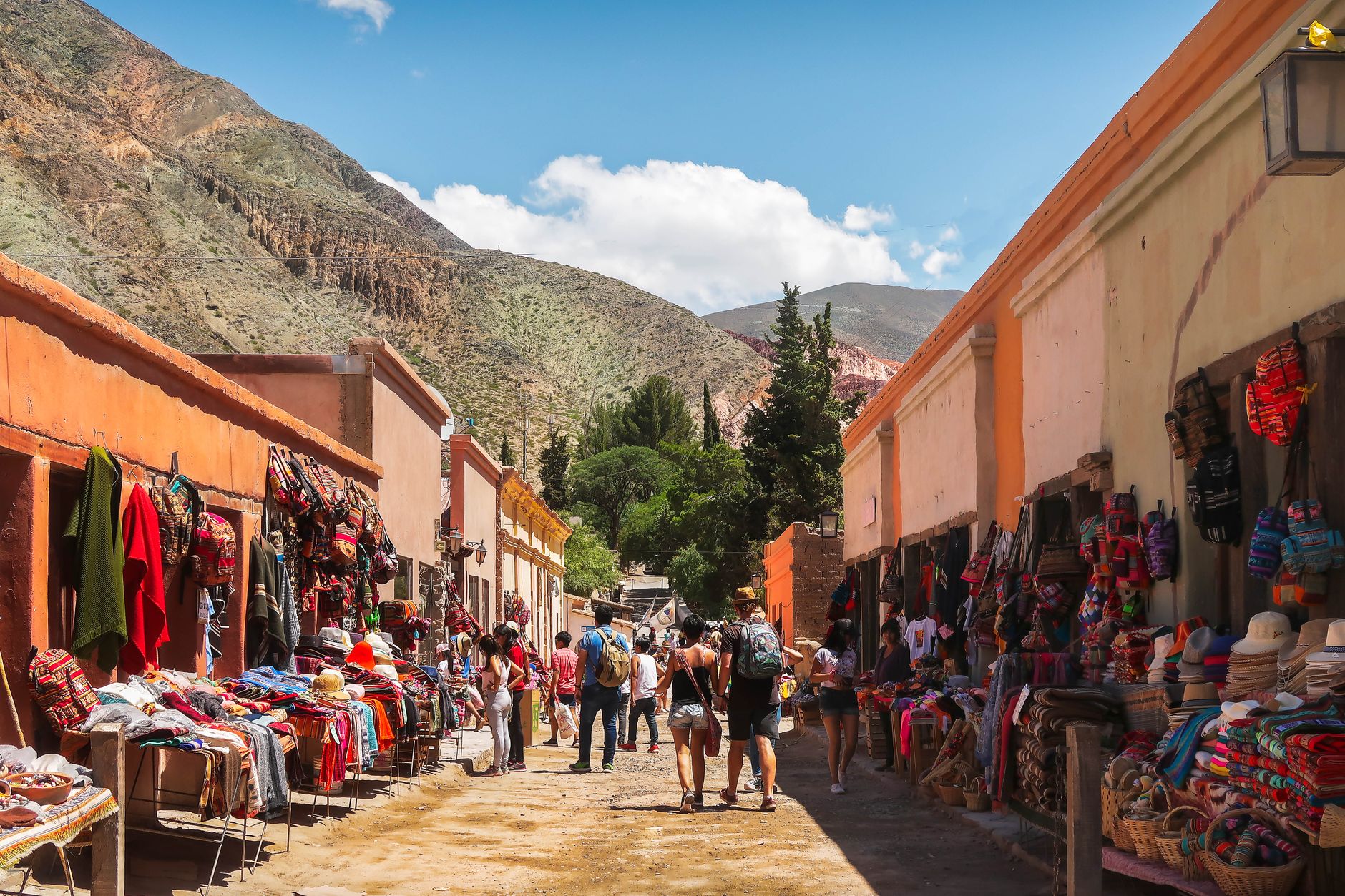
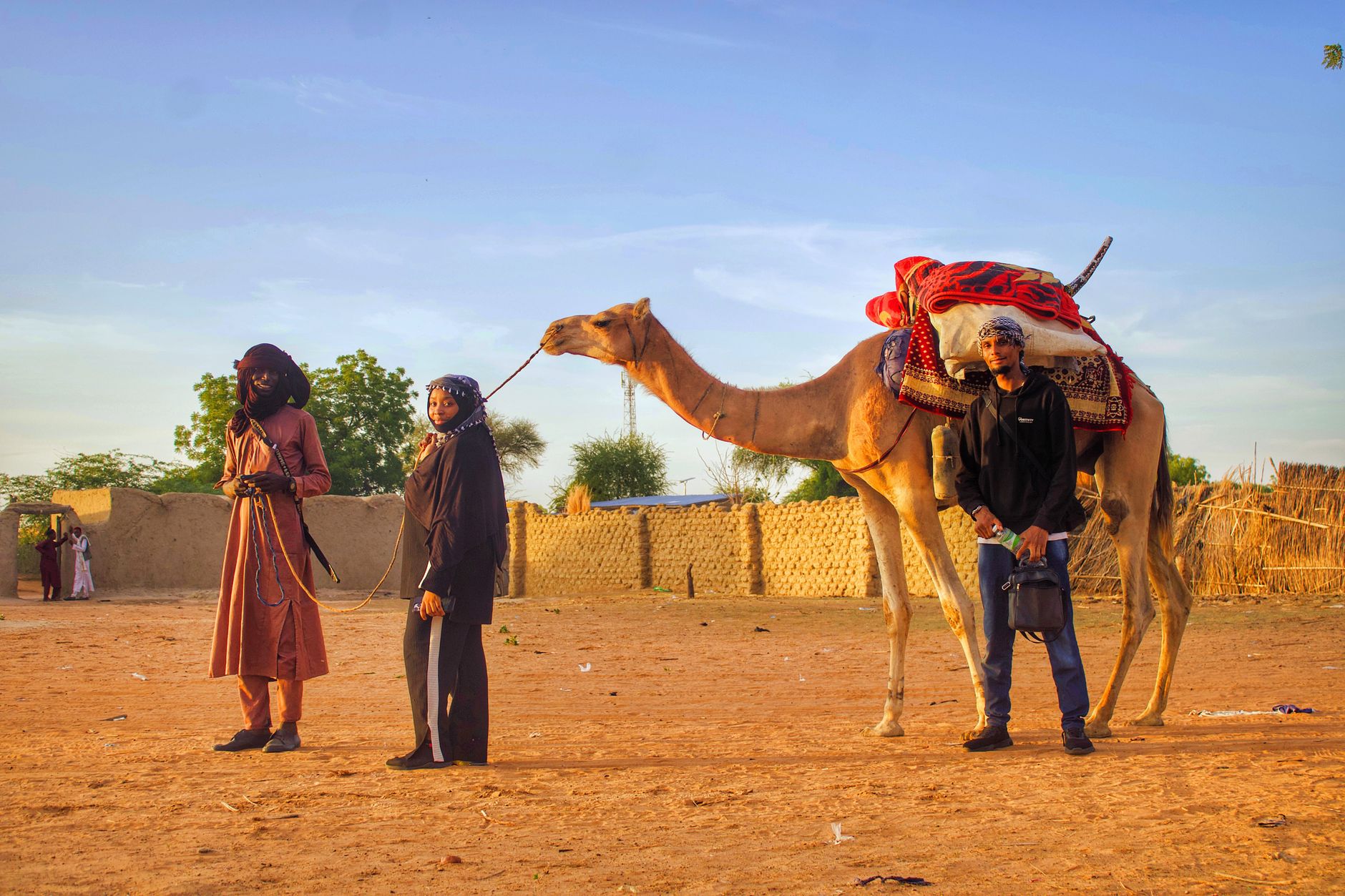
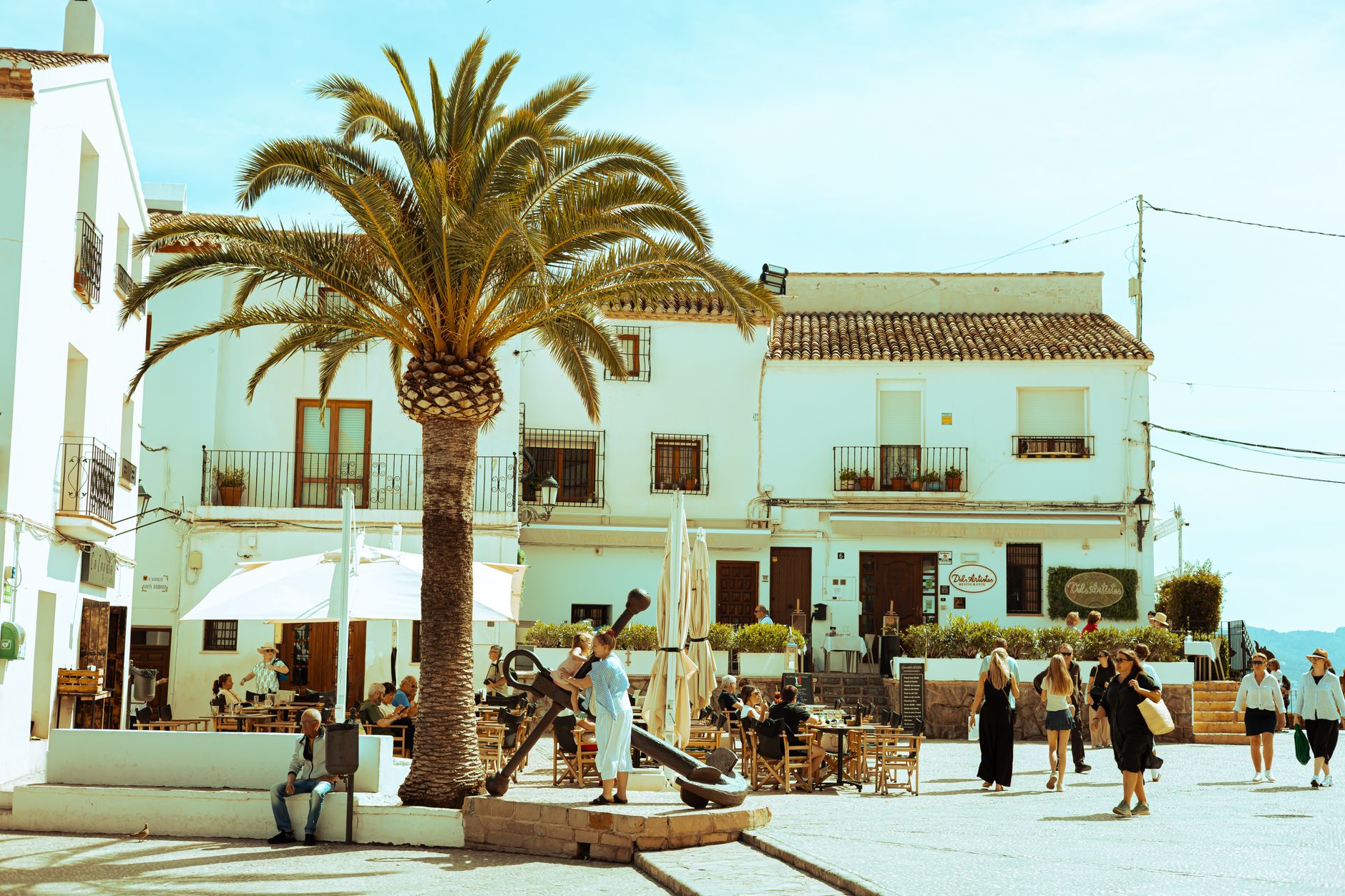
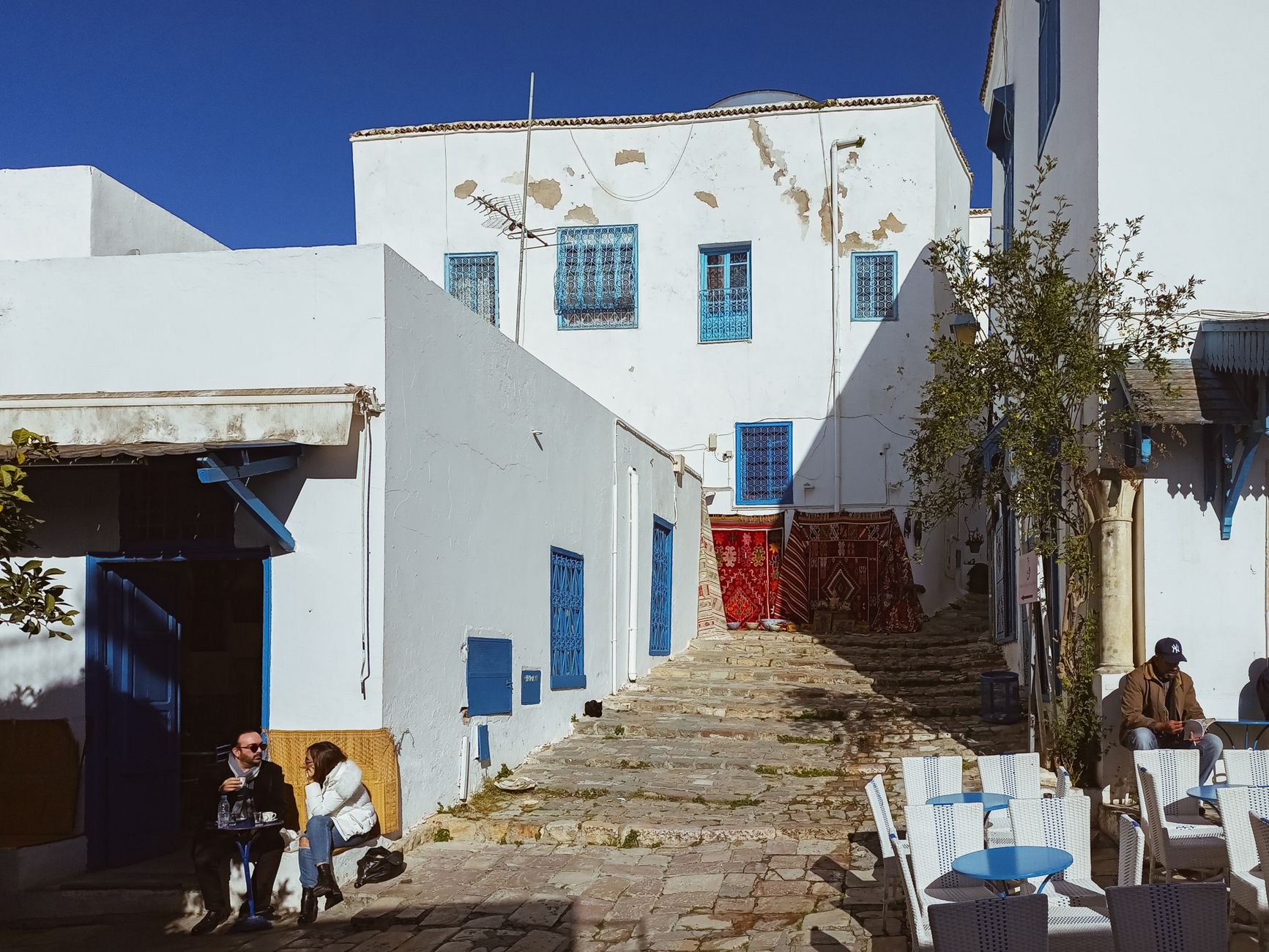
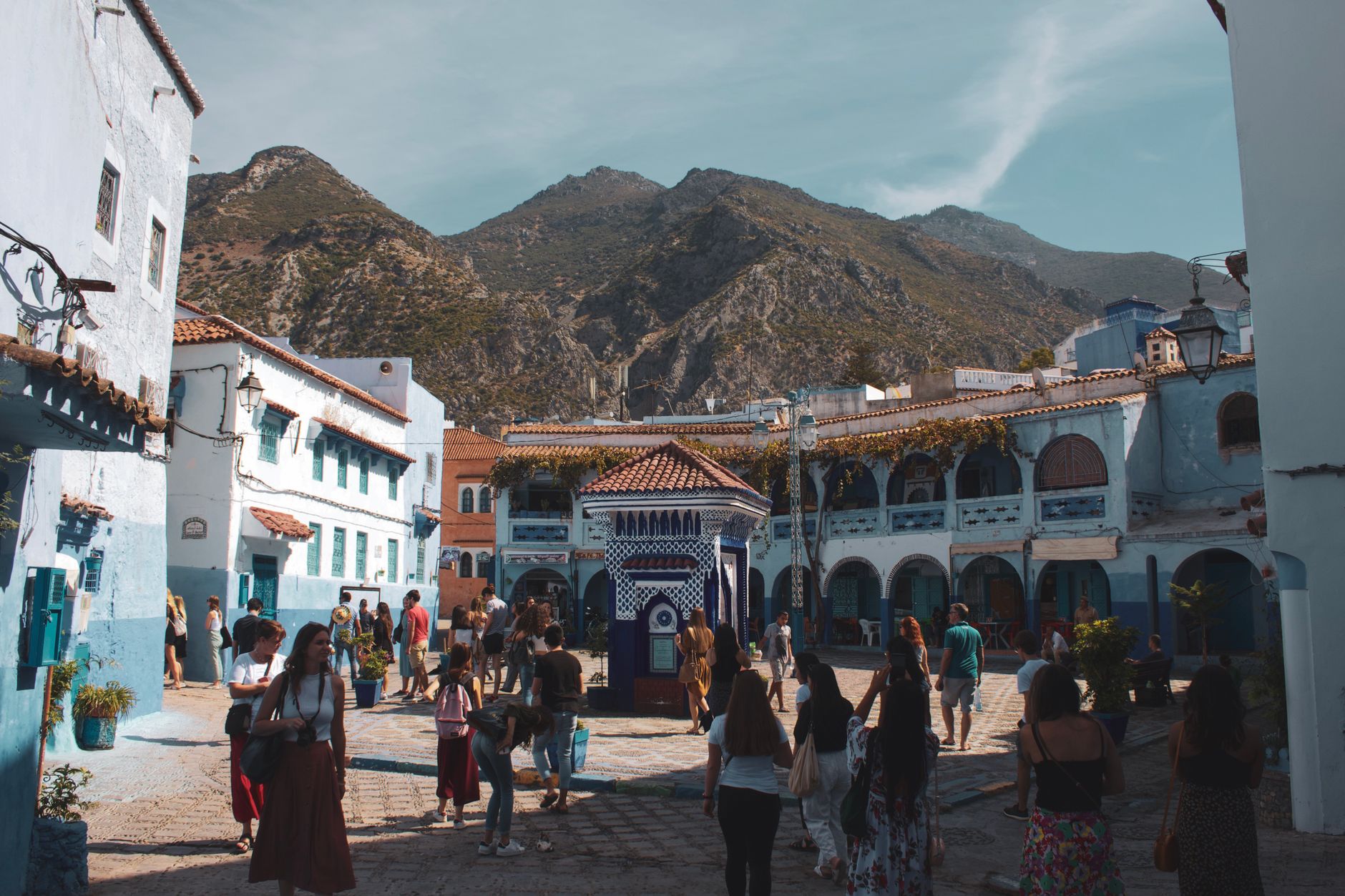
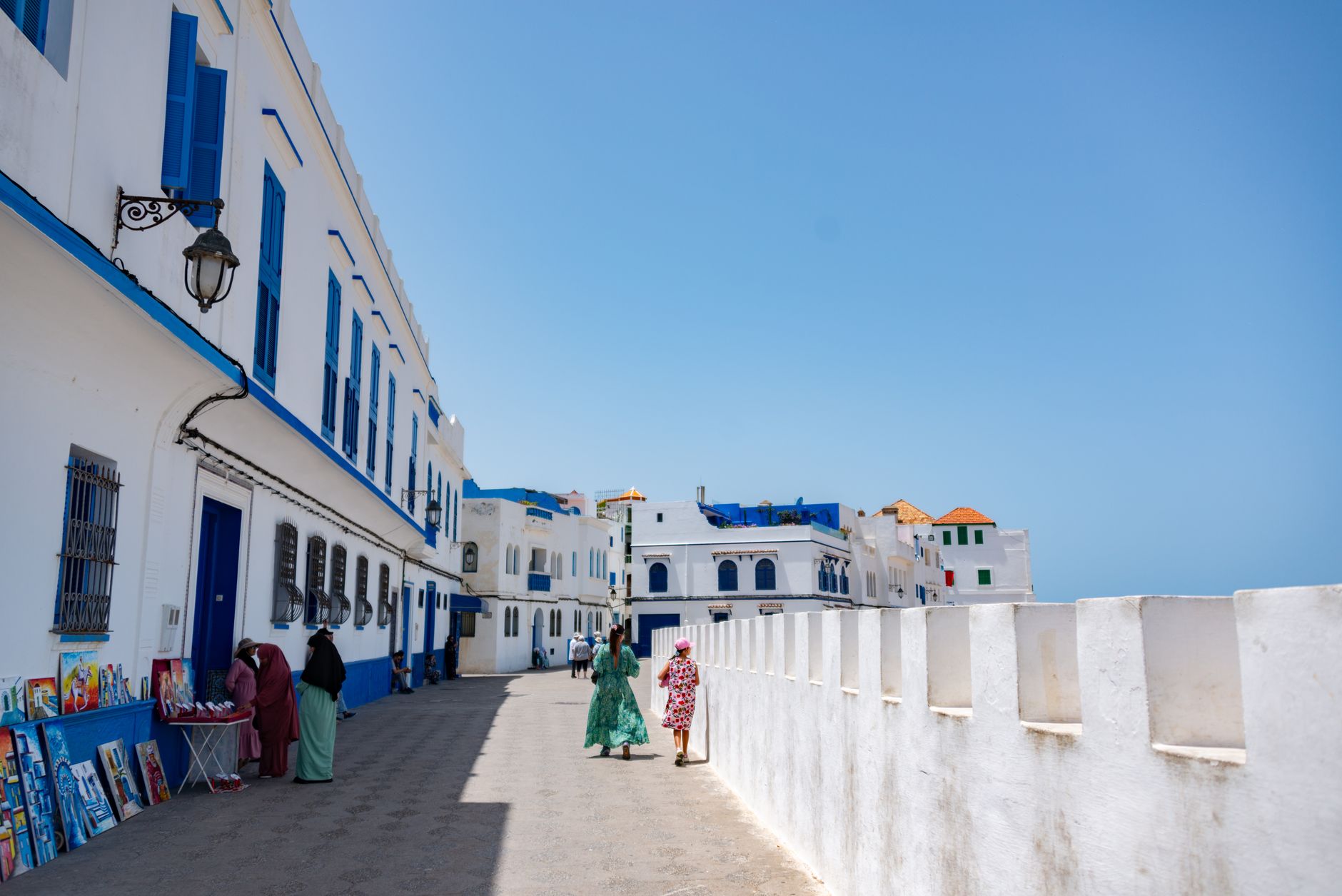
The palms here don't line a road for effect — they spread across 13,000 hectares in loose groves, with irrigation channels threading between plots of cultivated land that families have worked for generations. Palmeraie Village sits within this landscape as an apart-hotel and loose gathering of leisure facilities, a base from which the wider palm grove becomes navigable rather than overwhelming.
What draws people out from the medina isn't a single landmark but a quality of light and pace. Late afternoon, when the sun drops behind the tree line and the heat relents, the silhouettes of palms against an orange sky are something the city's souks can't offer.
💛 What travellers fall for
People who come back tend to book the hot air balloon for sunrise rather than the camel ride at midday — the heat makes the difference. They also learn quickly that the Palmeraie has no obvious centre: agree on a meeting point with your driver before you set off, or you'll spend twenty minutes on the phone at a crossroads.
How Palmeraie Village came to be
The Palmeraie's origins are tied directly to the founding of Marrakech itself. Around 1070, the Almoravid sultan Youssef ben Tachfine established his camp on the plain of Haouz and planted what would become more than 100,000 date palms across the site. The water to sustain them came from a khettara network — a system of underground channels engineered to tap aquifers and distribute flow across the groves without evaporation losses.
For centuries the palms remained the dominant structure of the landscape. The 20th century brought planning regulations that prevented buildings from rising above palm-tree height, a rule that shaped the low-profile architecture still visible in older parts of the area. That regulation has since loosened: resort hotels and leisure complexes now occupy land that was grove, and the Palmeraie has lost roughly a third of its surface in the past two decades.
Who and what shaped it
People who shaped it
Landmark buildings
Plan your visit
On the map
When to go
March to May and September to November are the most comfortable months — warm enough to be outside all day without planning around the heat. July and August regularly exceed 40°C; if you're here then, the balloon flights at sunrise and early-evening rides are the only sensible options. Winter days are mild and sunny, but temperatures drop sharply after dark.
Right now
Background & history adapted from Wikipedia (CC BY-SA) · specs from Wikidata (CC0) · weather from Open-Meteo · map data © OpenStreetMap contributors · photos from Wikimedia Commons / Unsplash with per-image credit. No third-party reviews or social posts reproduced.