
Palmeraie Camel Trekking Area
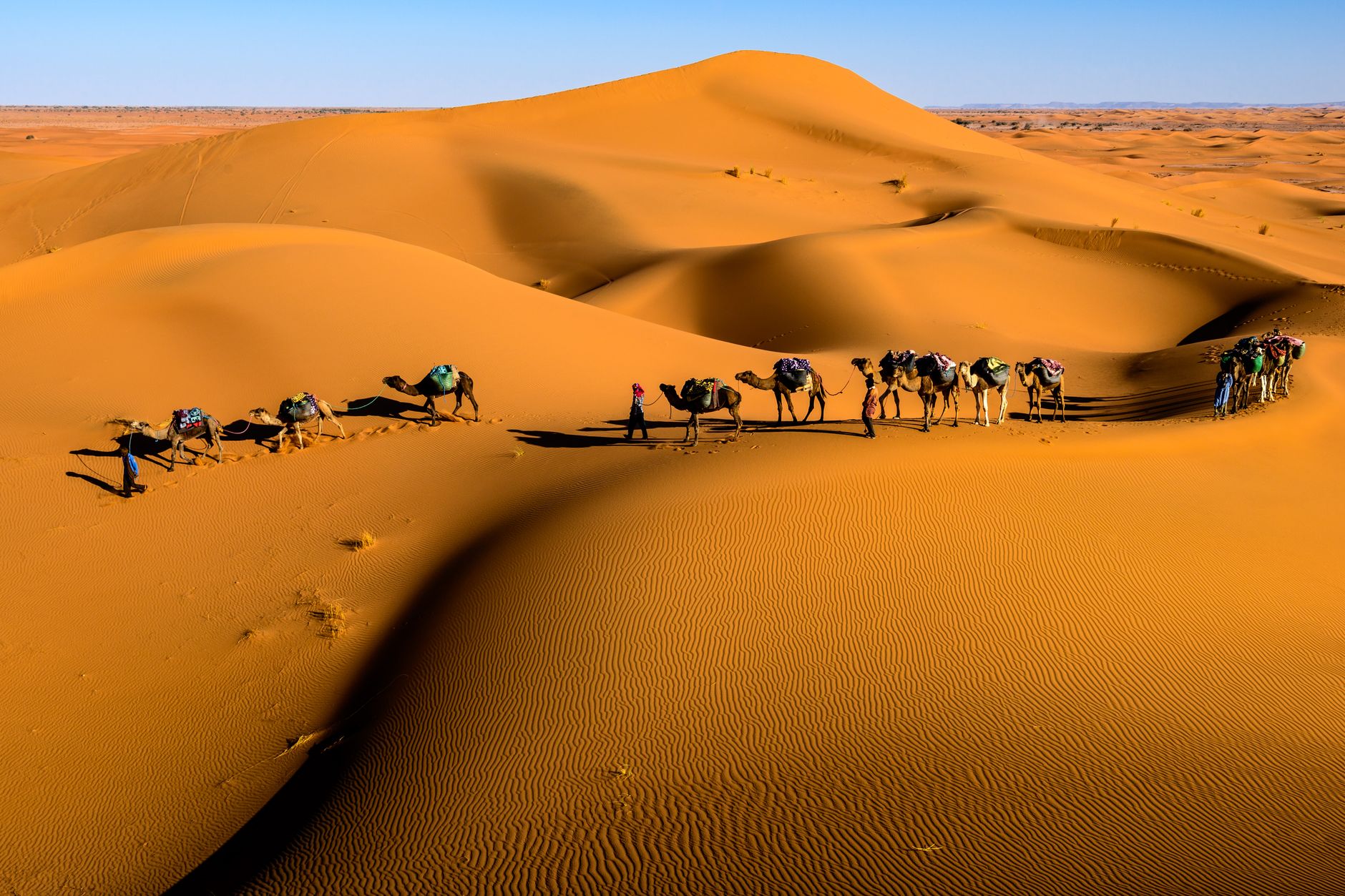
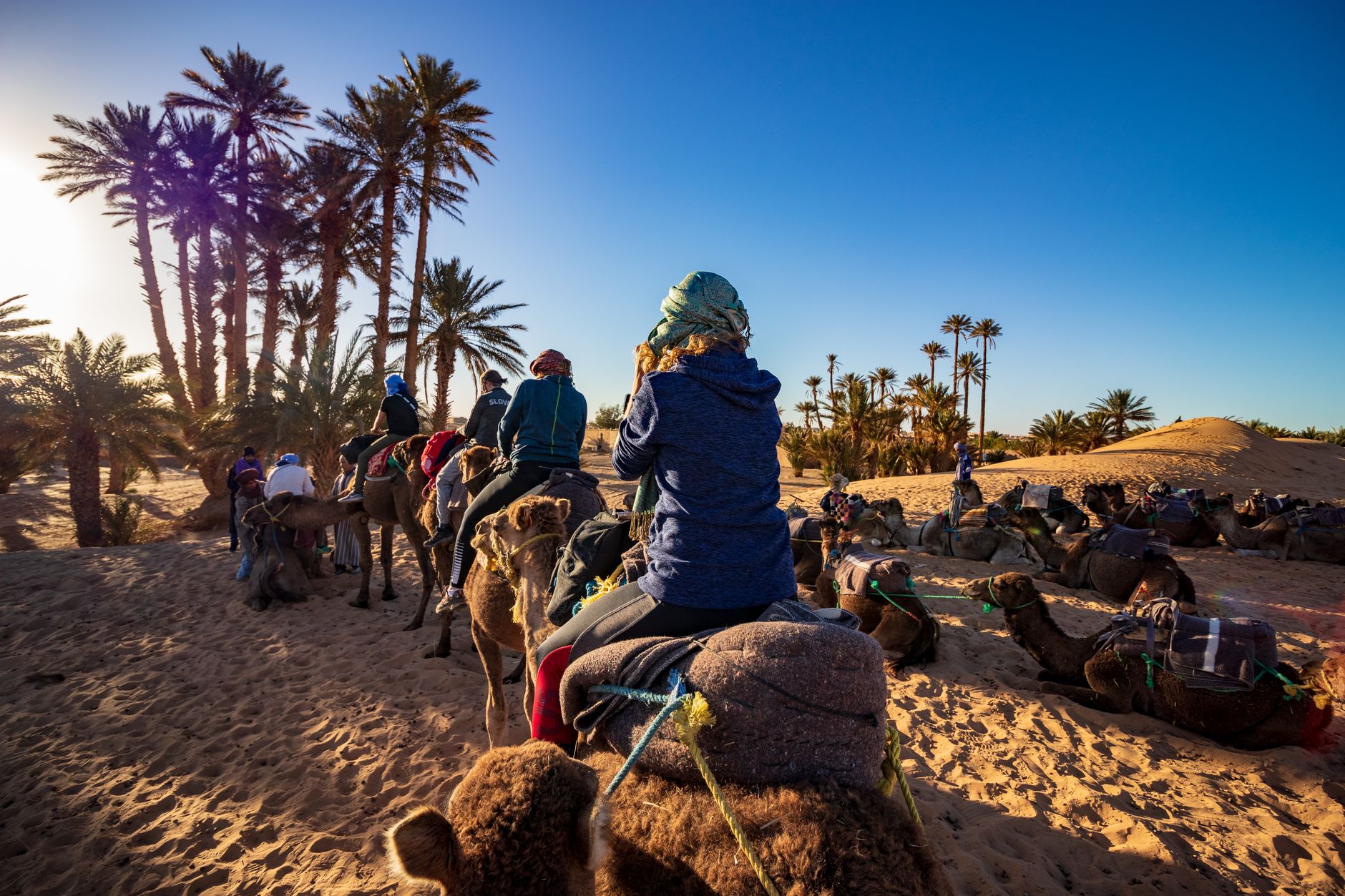

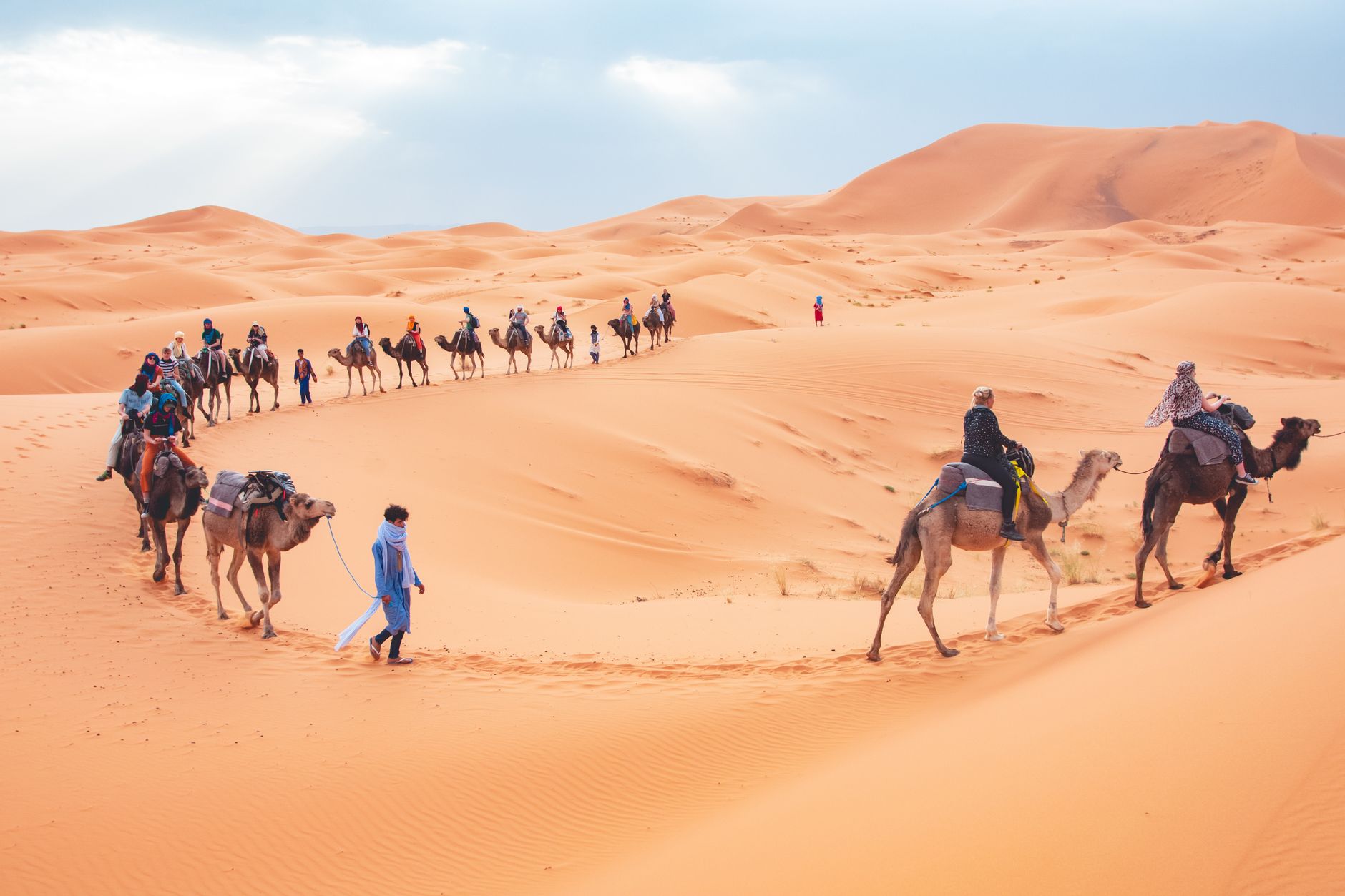
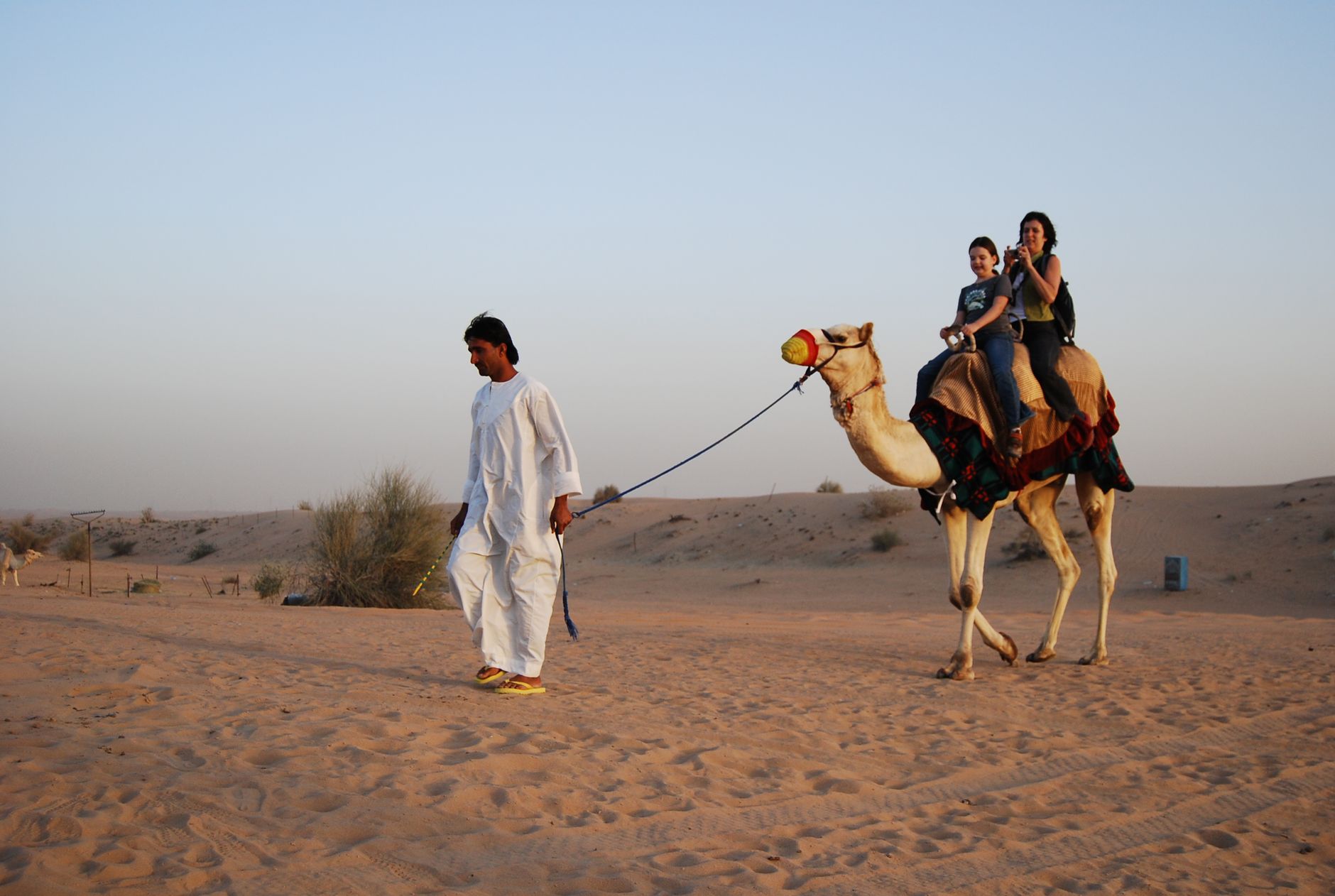
The dromedary walks at roughly six kilometres an hour — slow enough that you notice the way light breaks through the palm canopy, the small vegetable plots tucked between ancient trunks, a Berber farmstead set back from the trail. This is the pace at which the Palmeraie makes sense. Spreading across what was once 13,000 hectares to the northeast of Marrakech's medina, the grove is a working oasis, not a theme park, and a camel ride is the oldest way to read it.
Most excursions run one to two hours, threading quiet dirt tracks past traditional settlements before pausing for mint tea in an open nomadic area. The experience is brief and symbolic rather than epic — but the scale of the palms, and the silence between them, earns its place.
💛 What travellers fall for
People who've done this more than once tend to book the morning slot, before the heat builds and the quad bikes start up nearby. They also mention asking the guide to take the longer trails through the working farms rather than the standard loop — the landscape changes noticeably, and the tea stop feels less staged.
How Palmeraie Camel Trekking Area came to be
When the Almoravid sultan Youssef ben Tachfine founded Marrakech around 1070, the Palmeraie was planted at the same moment — more than 100,000 date palms set into the ground above a network of khettara, underground irrigation channels that drew on deep aquifers to keep the oasis alive. One story holds that the grove began by accident: date stones dropped from soldiers' saddlebags took root in the soil. Whether or not that's true, the khettara system that sustained them predates the city's current water infrastructure by eight centuries.
The oasis that resulted has shrunk by roughly 30 percent over the last two decades as villas, golf courses and resort developments have pressed in from every side. What remains is still a cultivated, inhabited landscape — not desert in any geological sense, but a place where farming and ancient hydraulic engineering have coexisted for nearly a thousand years.
Who and what shaped it
People who shaped it
Landmark buildings
Plan your visit
On the map
When to go
Spring (March to May) and autumn (September to November) are the most comfortable windows — warm days, cool evenings, and light that suits the grove's dappled interior. Summer temperatures regularly exceed 40°C; if you're visiting then, go before 10am or after 4pm.
Right now
Background & history adapted from Wikipedia (CC BY-SA) · specs from Wikidata (CC0) · weather from Open-Meteo · map data © OpenStreetMap contributors · photos from Wikimedia Commons / Unsplash with per-image credit. No third-party reviews or social posts reproduced.