
Olive Grove
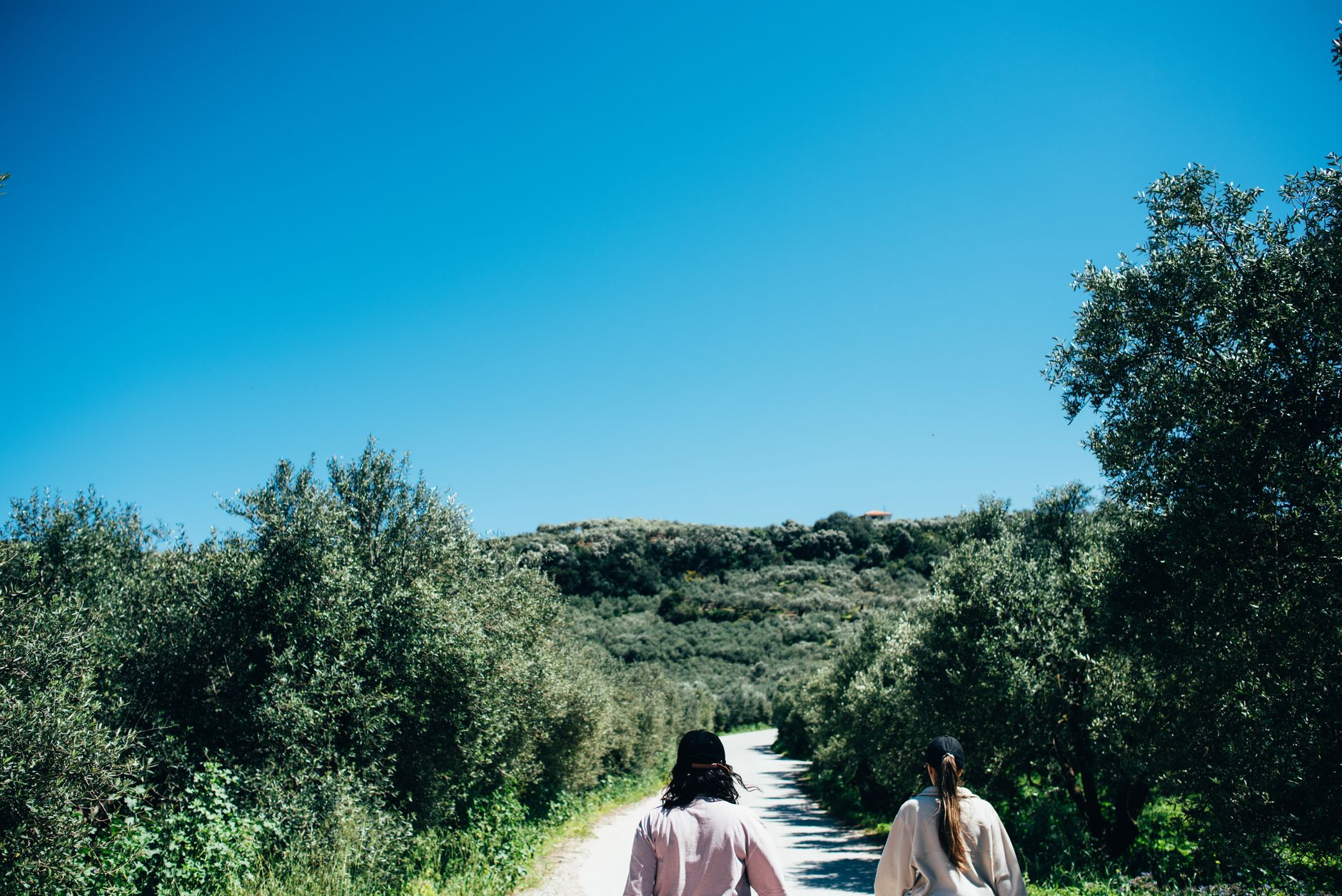
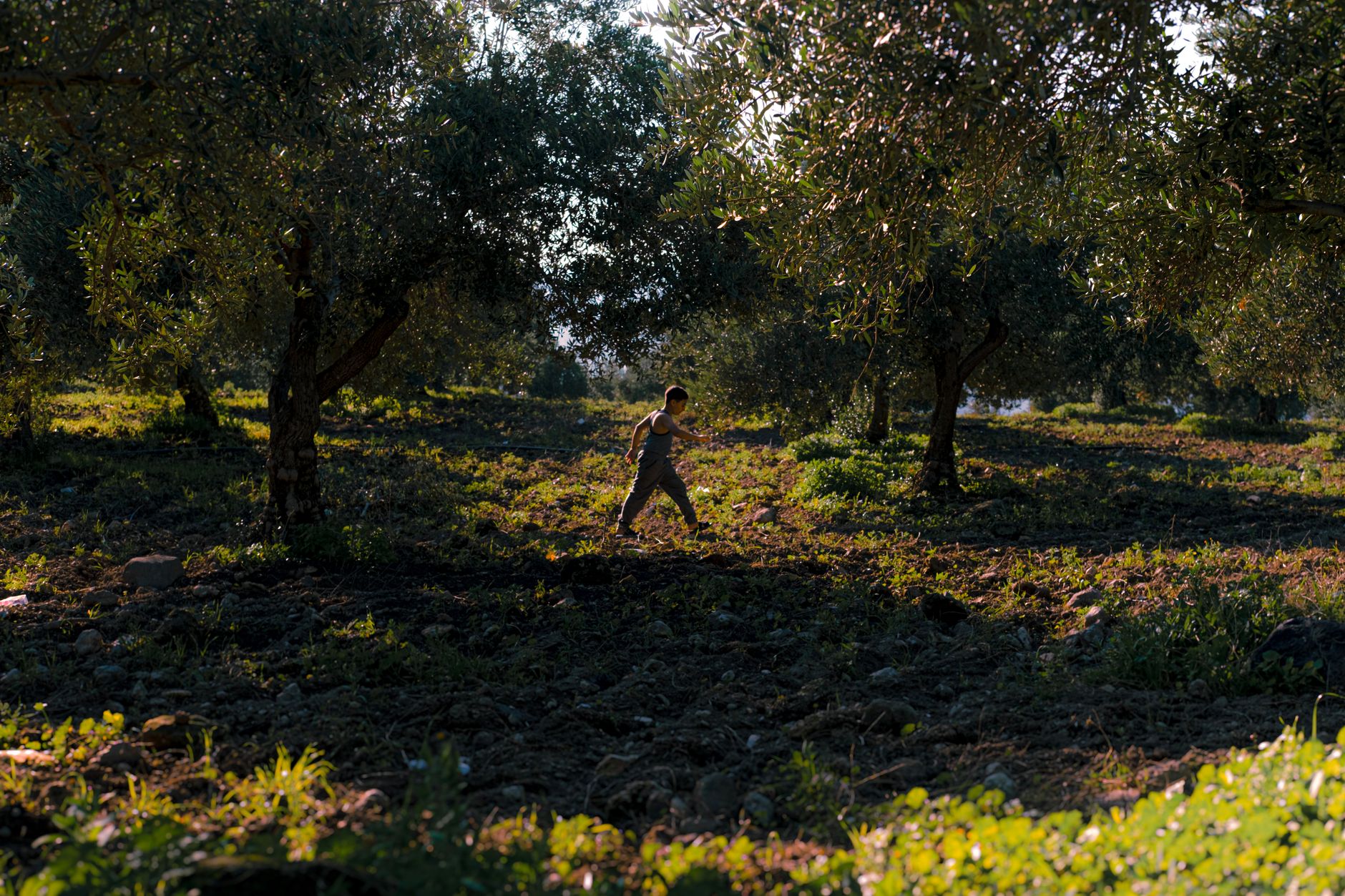
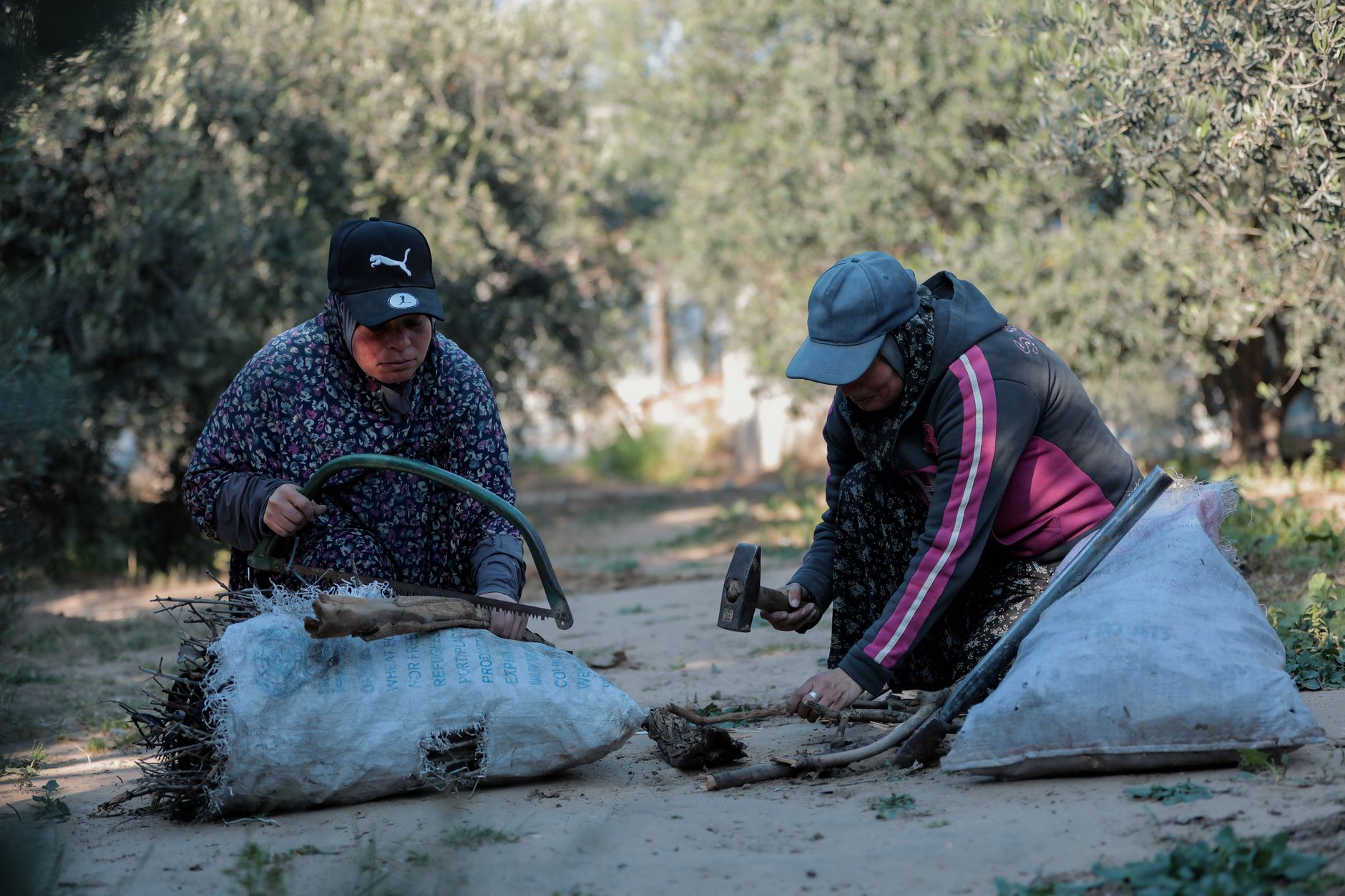
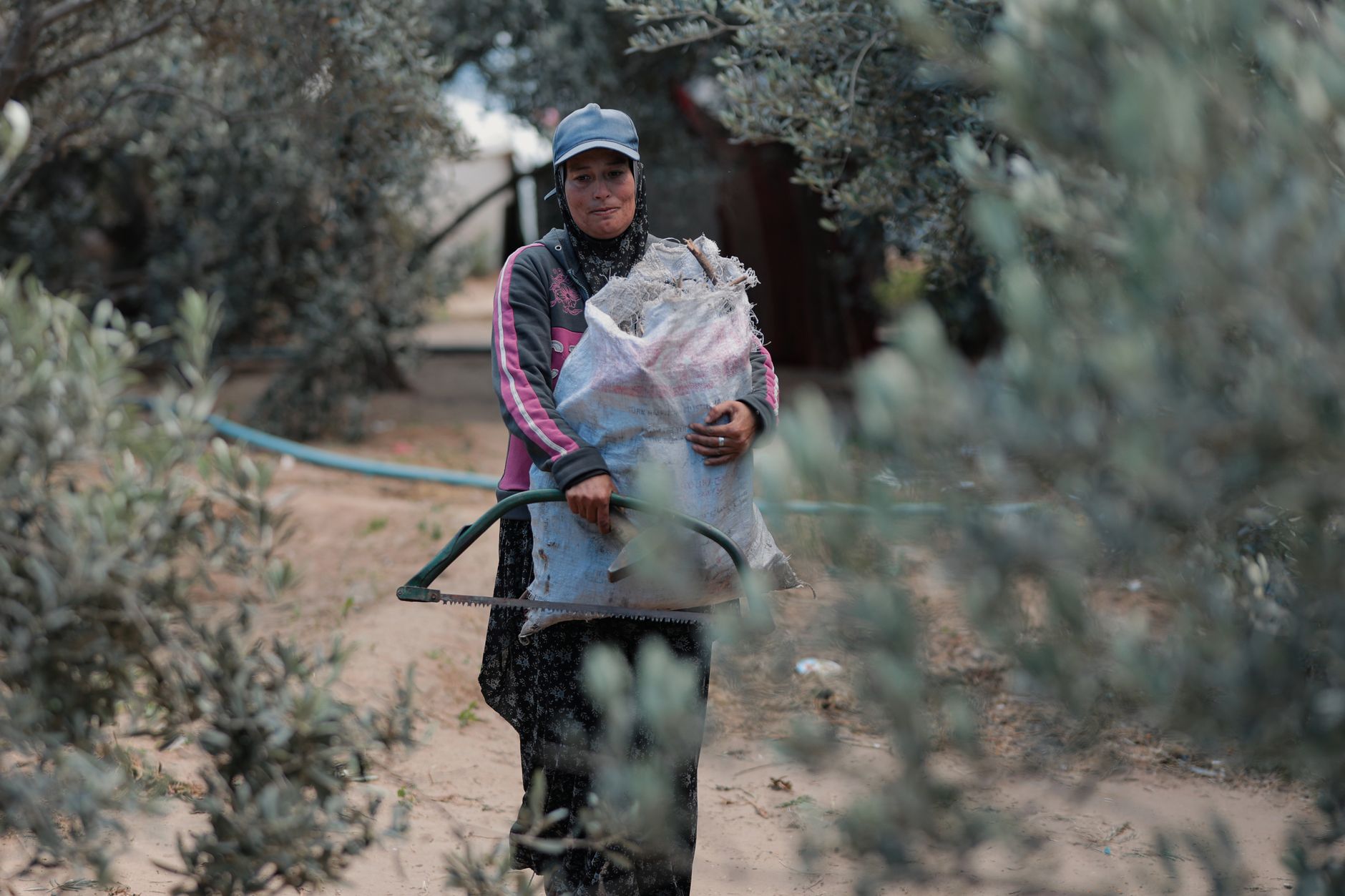
Step off Avenue de la Menara and into the grove and the city falls away almost immediately. The canopy is low and the trunks are old and twisted, and the light that gets through arrives in pieces. Temperature drops. The sound shifts from traffic to birdsong.
More than a hundred hectares of olive trees stretch out in a precise 10-metre grid — roughly forty distinct varieties, planted with the same agricultural intention they've had since the 12th century. The grove still produces olives commercially. That continuity is the point.
💛 What travellers fall for
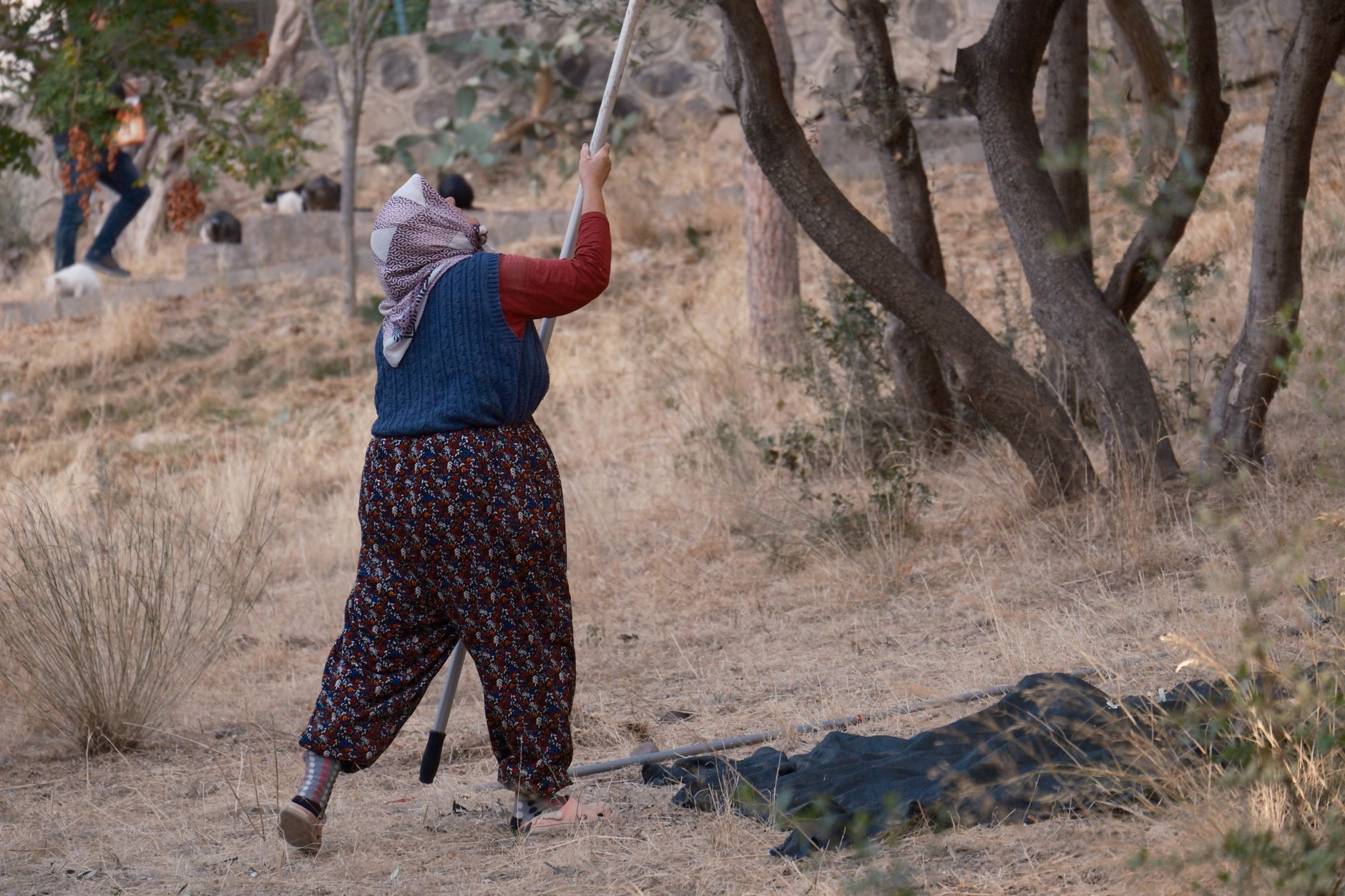
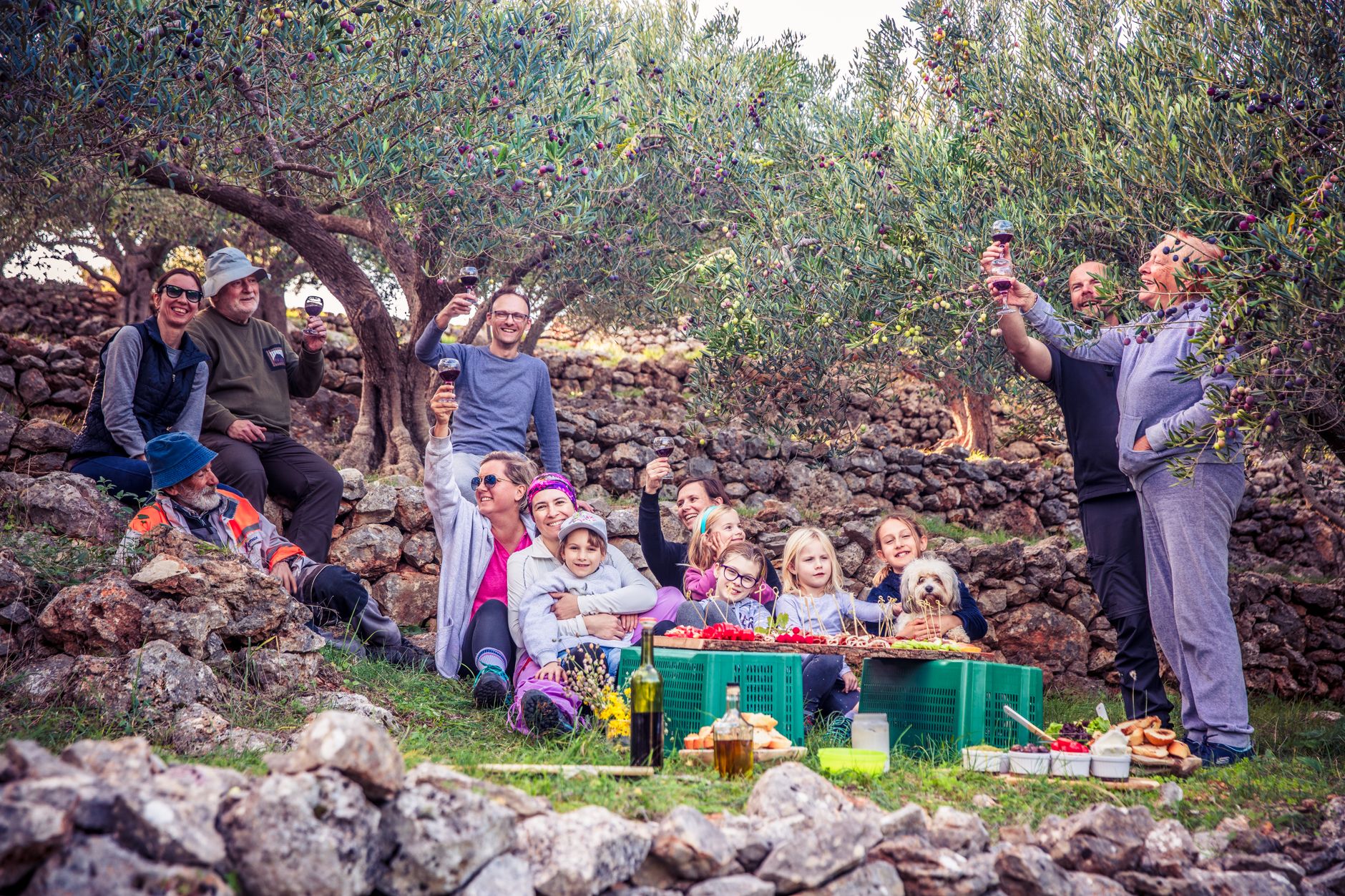
People who come back tend to time it for late October, when the harvest brings workers in with ladders and palm-fibre baskets — the whole grove suddenly has a different rhythm. On any other day, early morning is quieter than the afternoon, and the light through the canopy is better before the heat flattens everything.
How Olive Grove came to be
Abd al-Mu'min, ruler of the Almohad Caliphate, had the enclosure planted around 1157, returning from Salé and commissioning what the chronicler al-Baydhaq describes as a huge enclosed orchard with a large basin — water stored for drinking and irrigation both. The engineer credited with the design was Hajj al-Ya'ish, from Malaga in Al-Andalus, who also worked on the Kutubiyya Mosque's mechanical fixtures under the same patron.
The Saadians restored the gardens in the 16th century and added the first pleasure pavilion above the reservoir. The Almohad irrigation logic — underground channels drawing water from the Atlas Mountains via a khettara system — has kept the grove alive across eight centuries and three dynasties.
Who and what shaped it
People who shaped it
Landmark buildings
Plan your visit
On the map
When to go
Spring (March–May) and autumn (September–November) offer the most comfortable walking temperatures; in winter, snow on the Atlas peaks can be visible above the canopy on clear days. Midsummer afternoons are genuinely hot, and the shade here helps, but early morning or late afternoon is the practical choice year-round.
Right now
Background & history adapted from Wikipedia (CC BY-SA) · specs from Wikidata (CC0) · weather from Open-Meteo · map data © OpenStreetMap contributors · photos from Wikimedia Commons / Unsplash with per-image credit. No third-party reviews or social posts reproduced.