
Old San Juan
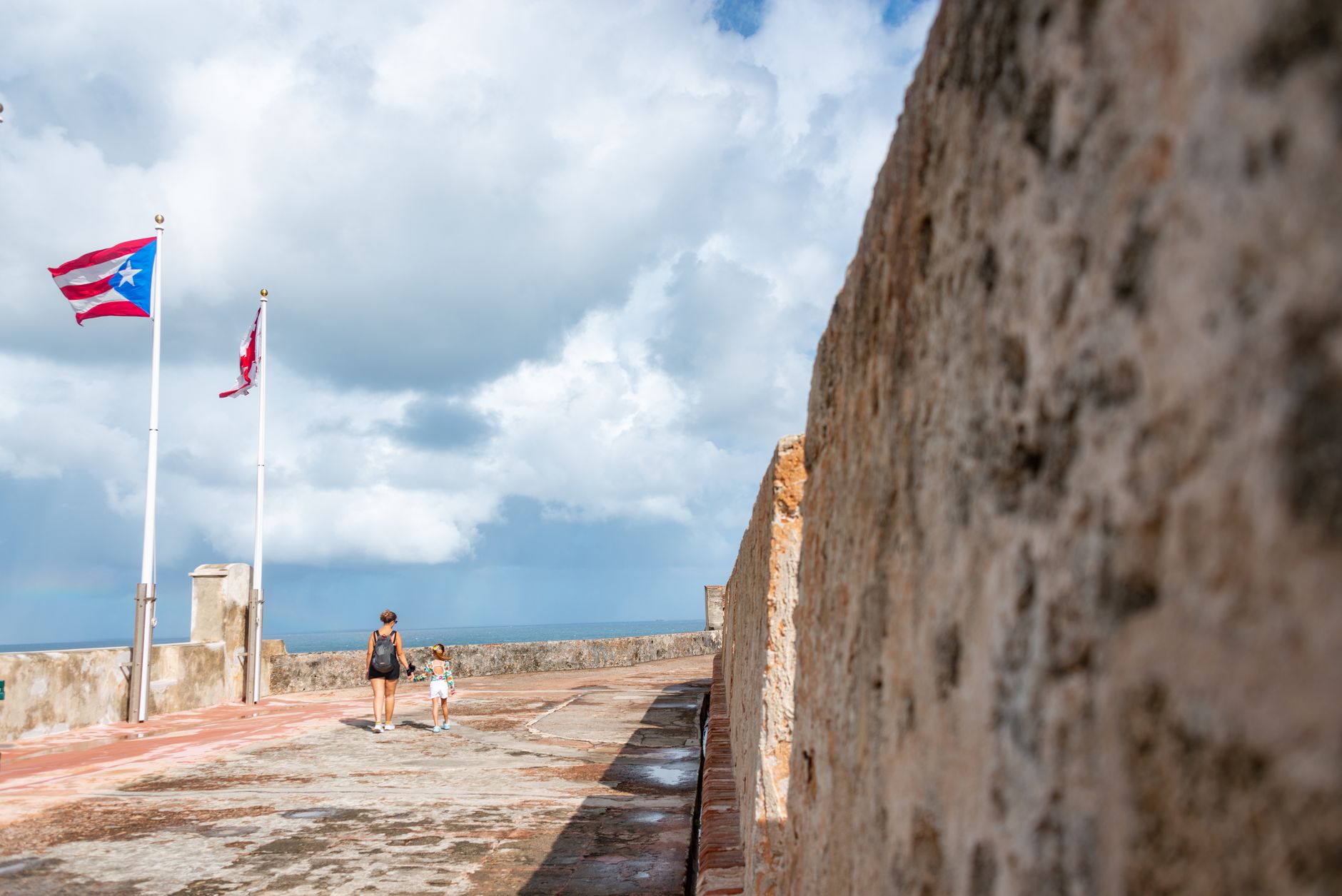
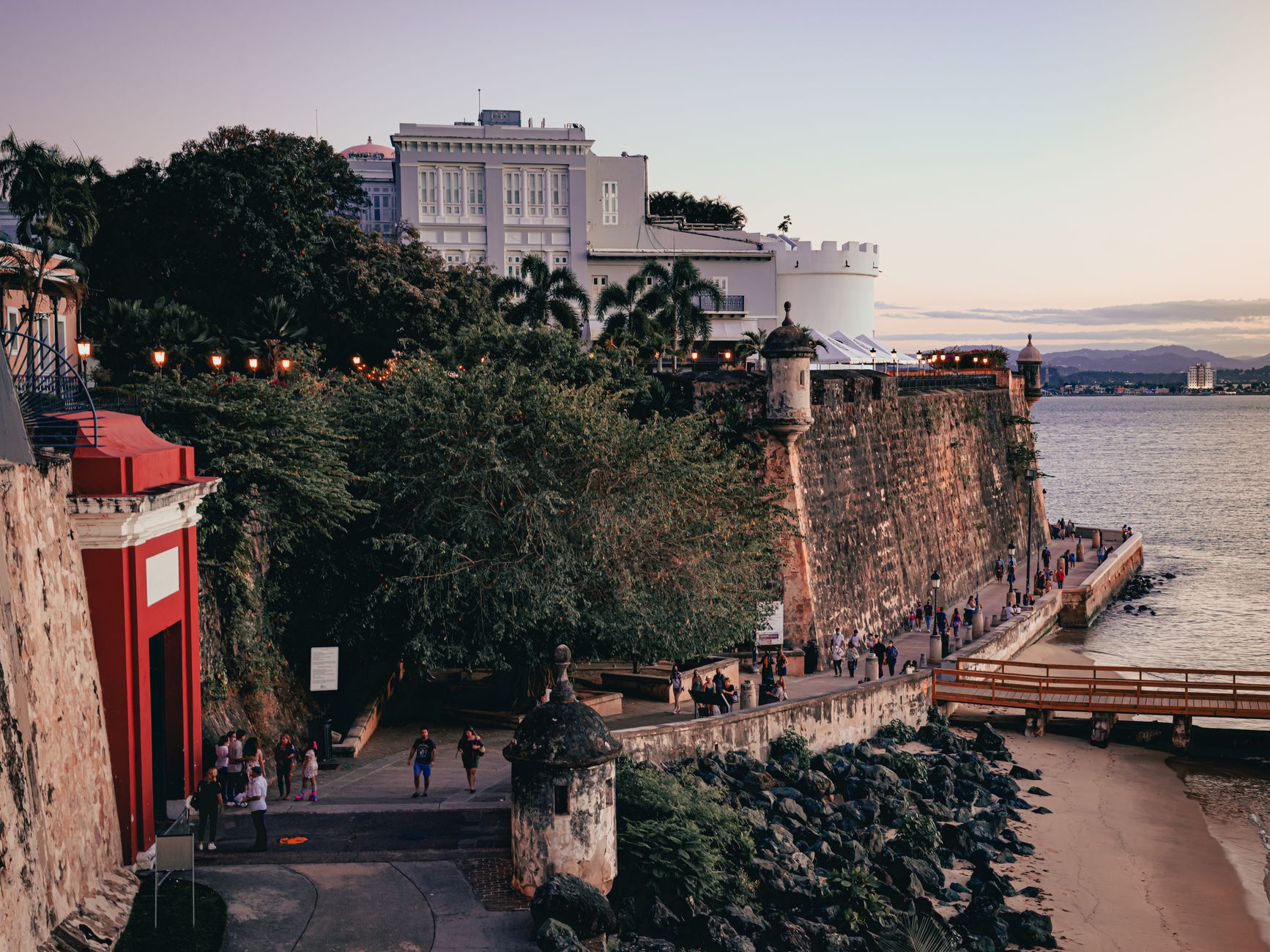
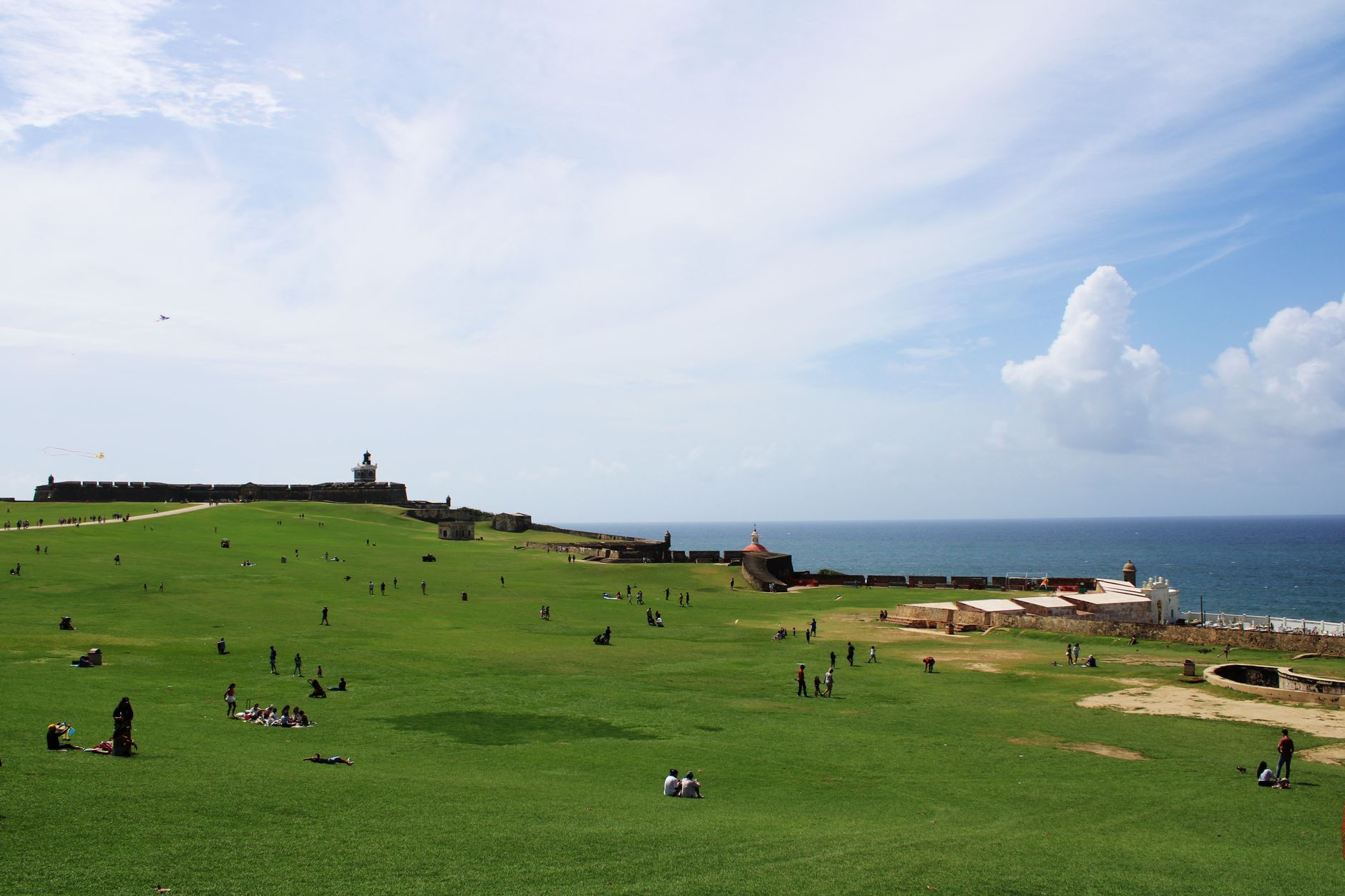
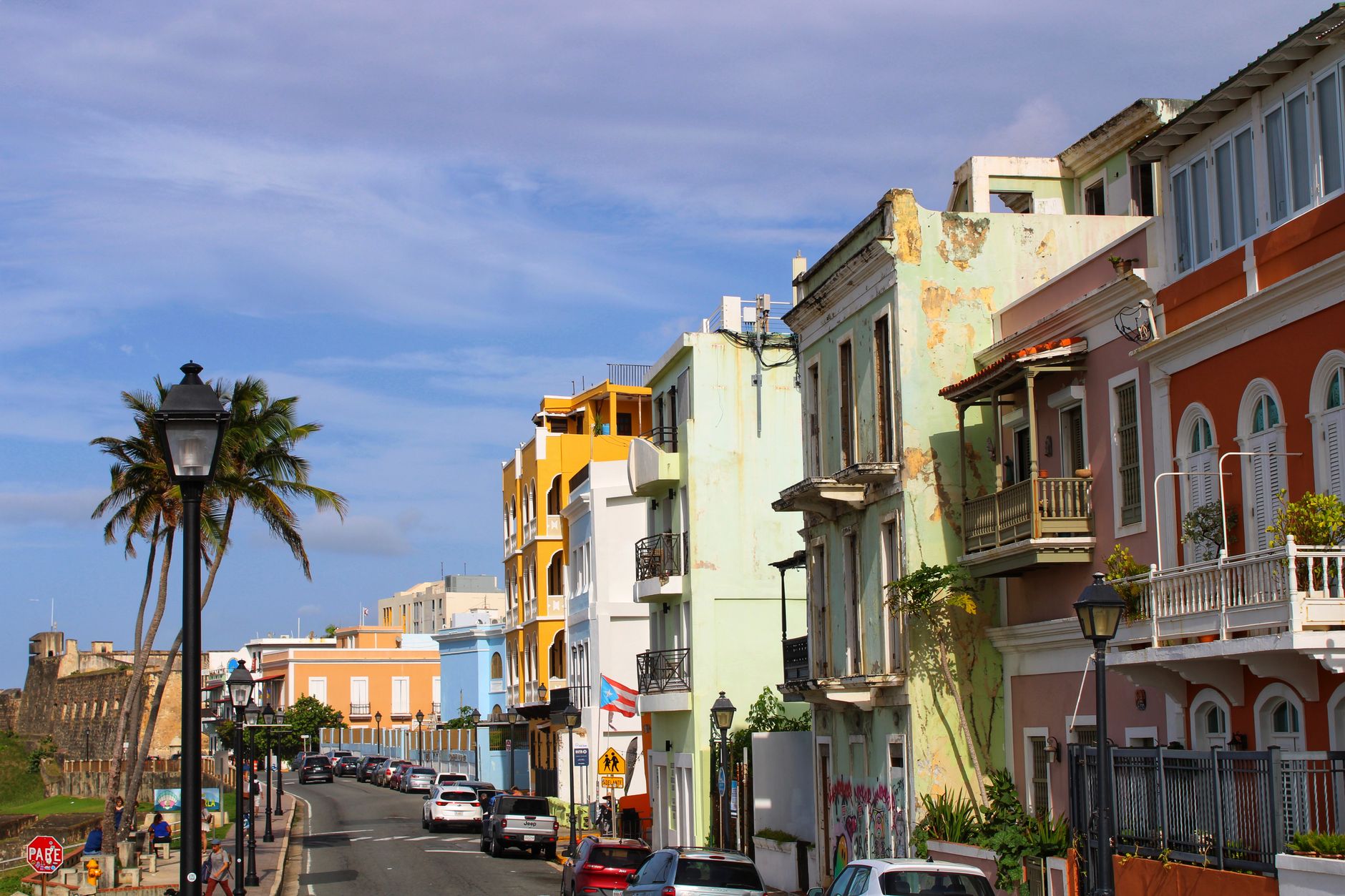
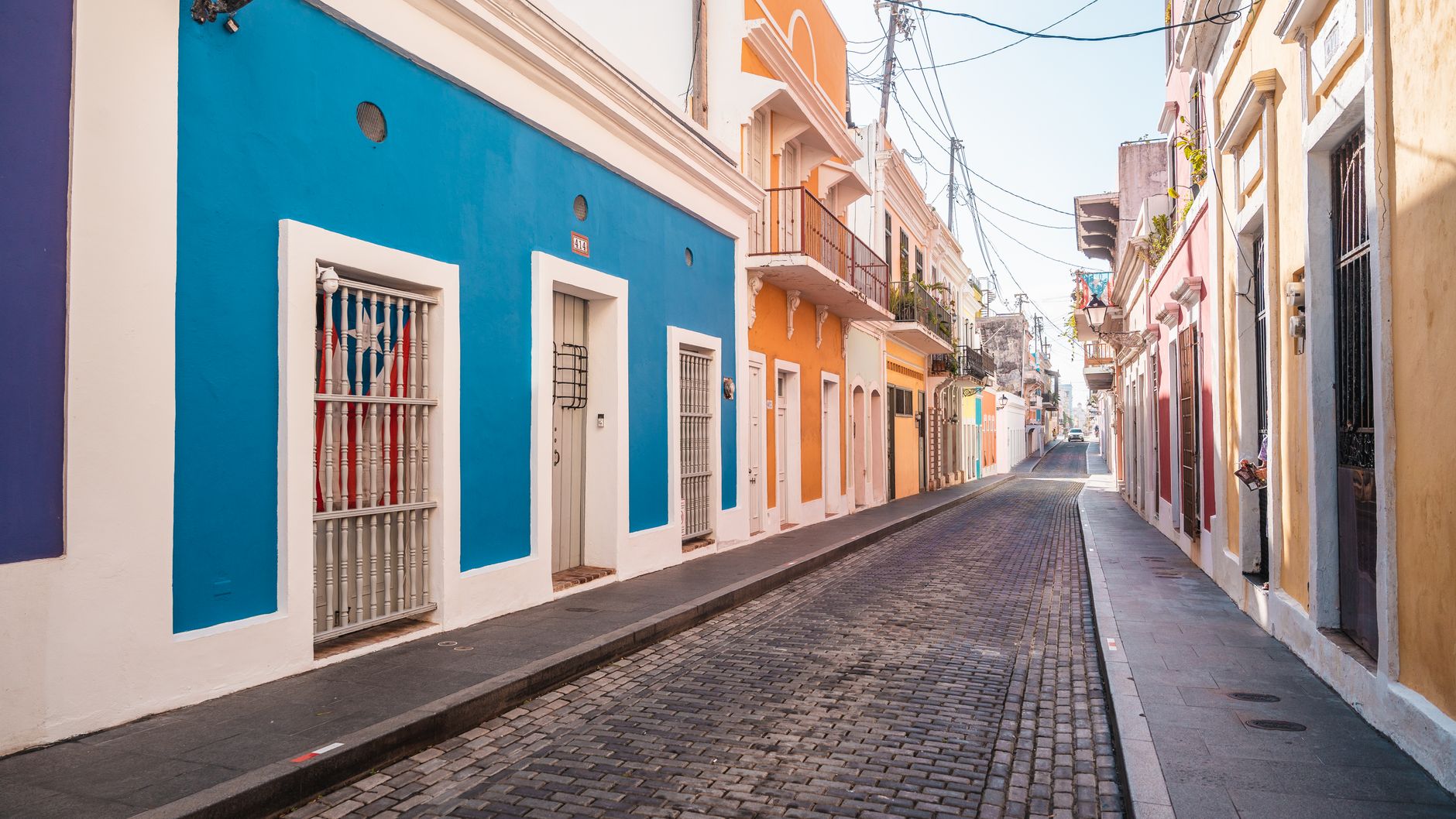
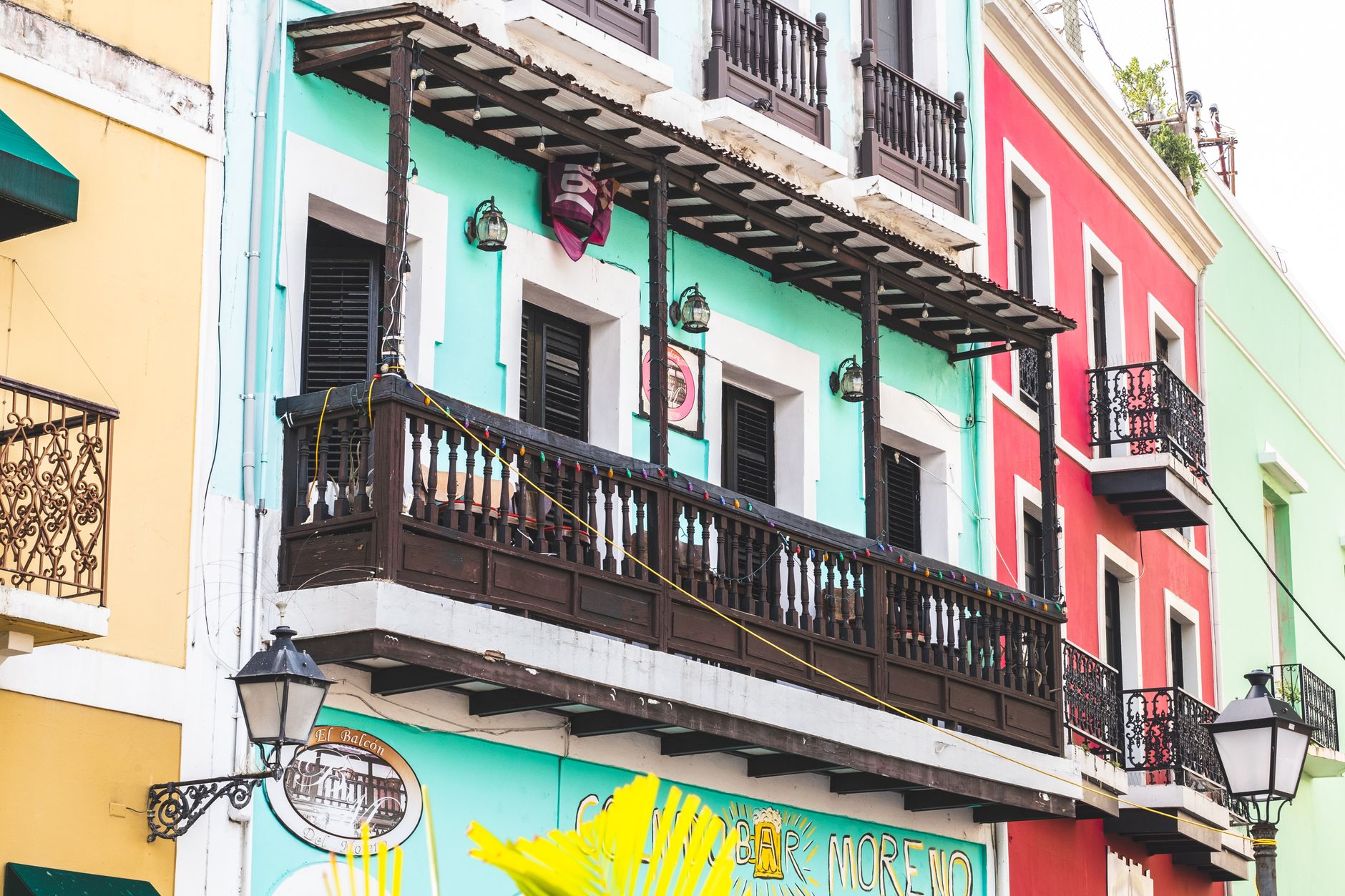
Old San Juan sits on a small islet — seven square blocks of cobblestone streets, Spanish colonial walls, and pastel facades that have been standing since 1521. The streets are narrow enough that you can touch both walls at once in places, and the blue-grey adoquín stones underfoot are made from iron slag ballast brought over on Spanish ships.
The whole district is walkable in a couple of hours, though most people linger longer than they planned. Two massive fortresses anchor either end of the peninsula, a cathedral holds the remains of the man who founded the colony, and a free trolley loops through when your feet need a rest.
💛 What travellers fall for
People who keep coming back tend to catch the Cataño ferry from Pier 2 — two dollars each way, twelve minutes on the water — just for the view of El Morro from the bay. Late afternoon, when the light hits the fortress walls, is when that crossing earns its place in the itinerary.
How Old San Juan came to be
Juan Ponce de León established the original Spanish settlement at Caparra in 1508, moving it to higher ground by 1521, when the colony received its formal name and its first streets — Calle del Cristo, Plaza de Armas — were laid out. That same year, Casa Blanca was built as Ponce de León's residence; it remains the oldest continuously occupied residence in the Western Hemisphere. The Catedral de San Juan, begun in 1521, is the second oldest church in the Americas and holds Ponce de León's tomb.
The Spanish spent the following century fortifying the peninsula against Dutch and English raids. El Morro, commissioned by King Charles I in 1539, rises 43 metres from the Atlantic on walls up to 7.6 metres thick. San Cristóbal, begun in 1634 and completed over a century later, became the largest Spanish fortification in the New World. The historic district was designated a UNESCO World Heritage Site in 1983.
Who and what shaped it
People who shaped it
Landmark buildings
See Old San Juan in motion
Plan your visit
On the map
When to go
Temperatures stay between 72°F and 89°F year-round, with August the warmest month and February the coolest. Fall is the wettest season — November in particular — so if you want dry days for walking the walls, winter or early spring is the safer bet.
Right now
Background & history adapted from Wikipedia (CC BY-SA) · specs from Wikidata (CC0) · weather from Open-Meteo · map data © OpenStreetMap contributors · photos from Wikimedia Commons / Unsplash with per-image credit. No third-party reviews or social posts reproduced.