
Menara Basin (Reflecting Pool)
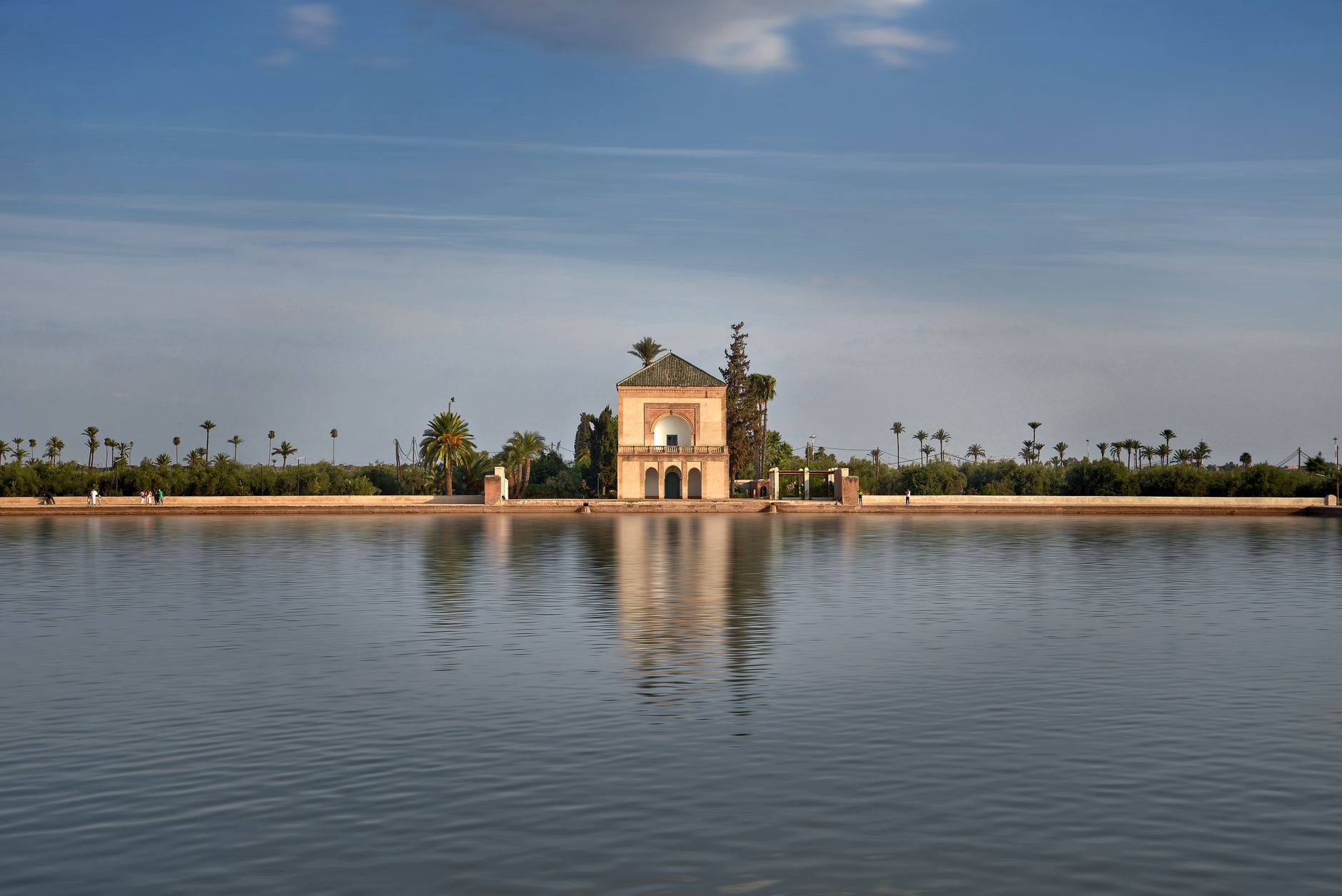
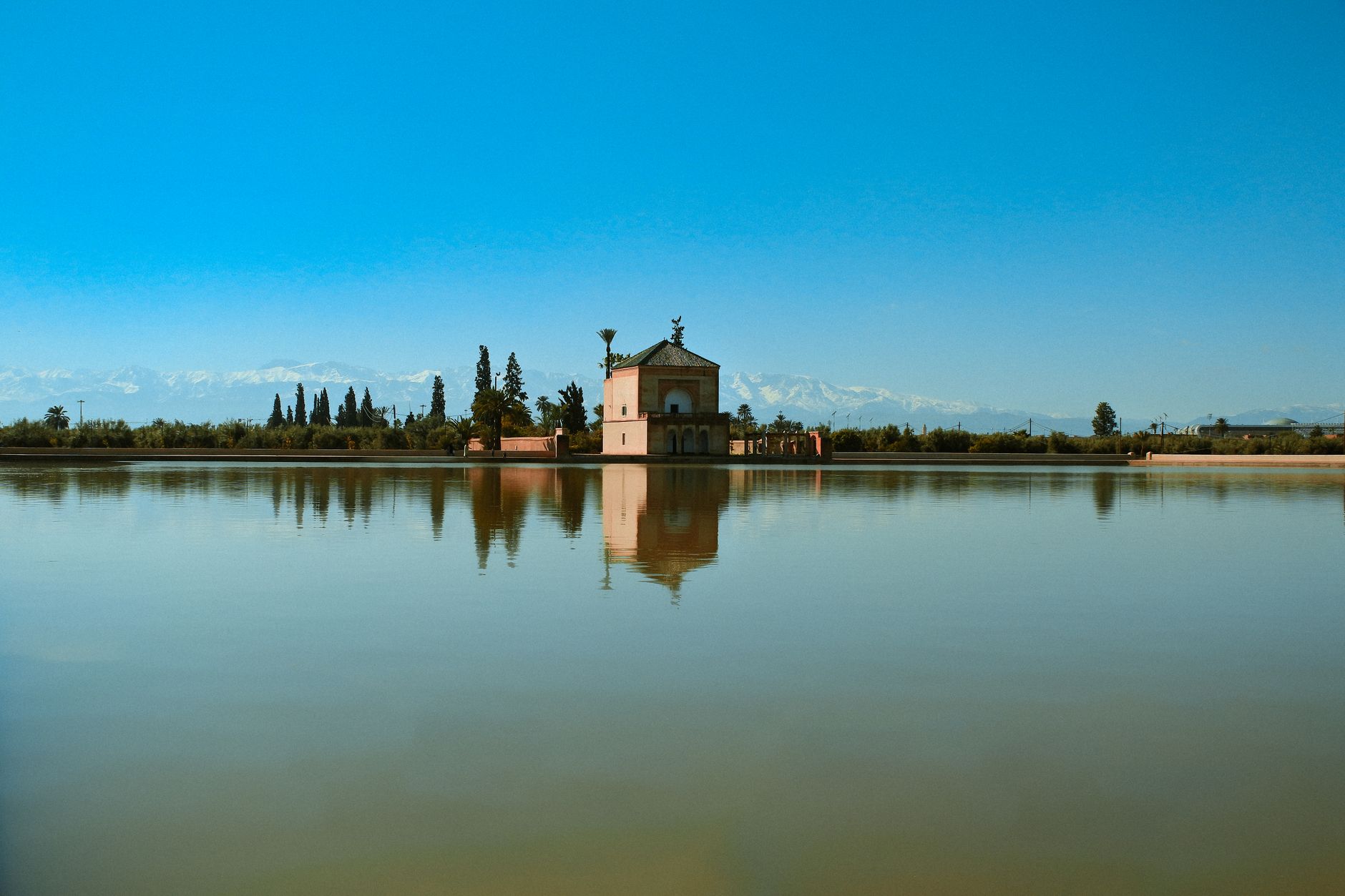
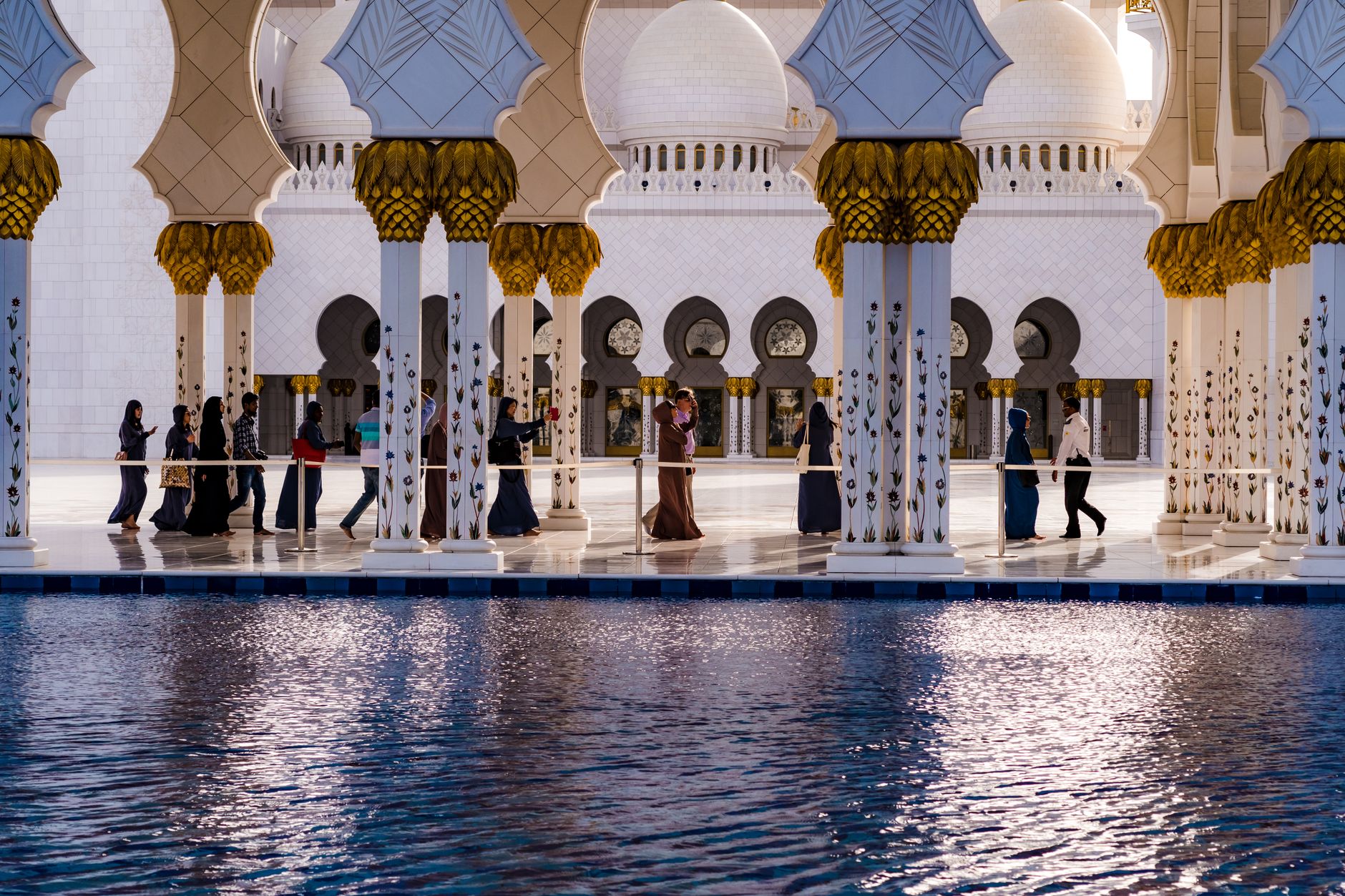
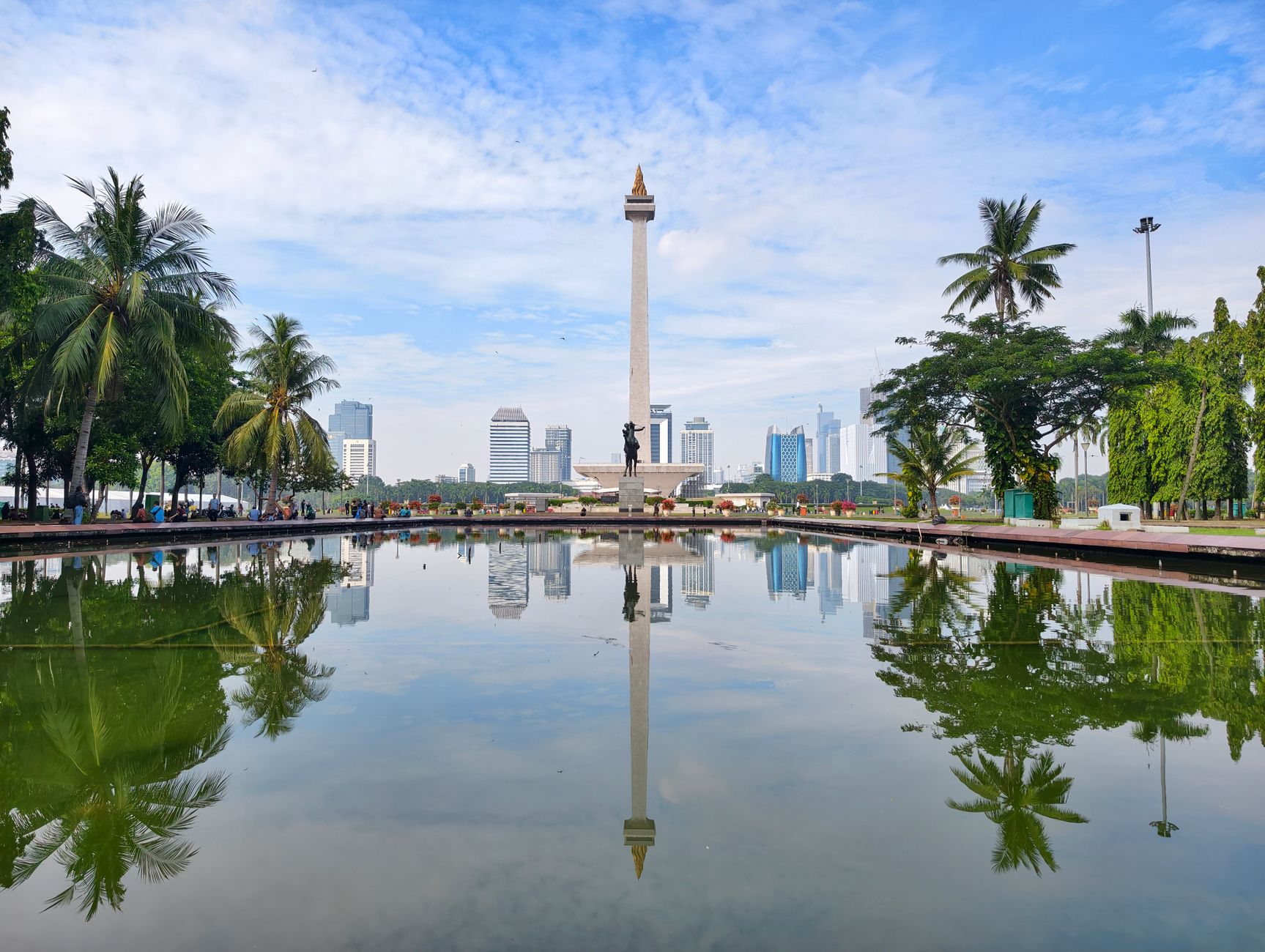
The basin holds 61,620 cubic metres of water and has been doing so, more or less continuously, since the twelfth century. Stand at its edge on a still morning and the green-tiled pavilion behind you appears again in front of you, inverted and perfectly calm on the surface. The Atlas Mountains, on clear days, complete the reflection.
The pool was never decorative in the way a fountain is decorative. It is a working reservoir, fed by a network of underground channels called khettaras that draw water from the Atlas Mountains fifty kilometres away — a hydraulic system now over seven hundred years old and still functioning.
💛 What travellers fall for
People who come back tend to arrive early, before the tour groups reach the western edge of the medina. The light on the water is different before 9am — flatter, cooler, the Atlas sharper on the horizon. Bring something to sit on; the stone surround is low and the ground is uneven.
How Menara Basin (Reflecting Pool) came to be
Abd al-Mu'min, the Almohad caliph who took Marrakech in 1147, ordered the reservoir built as part of a larger garden project. The engineering logic was straightforward: construct the basin above ground level so gravity alone could distribute water through the surrounding olive groves without any pump.
The Saadians later added a pleasure pavilion overlooking the water. That structure was eventually replaced by the current one, completed in 1870 under the Alaouite sultan Muhammad IV, whose father Moulay Abd ar-Rahman had already begun restoring and replanting the grounds earlier in the century. The gardens, along with the Agdal Gardens and the medina, have been a UNESCO World Heritage Site since 1985.
Who and what shaped it
People who shaped it
Landmark buildings
Plan your visit
On the map
When to go
Spring (March to May) and autumn (late September to mid-November) give you temperatures between 18°C and 28°C and the clearest views of the mountains across the water. July and August are genuinely harsh out here — no tree cover, direct sun, and highs regularly above 38°C.
Right now
Background & history adapted from Wikipedia (CC BY-SA) · specs from Wikidata (CC0) · weather from Open-Meteo · map data © OpenStreetMap contributors · photos from Wikimedia Commons / Unsplash with per-image credit. No third-party reviews or social posts reproduced.