
Melkweg
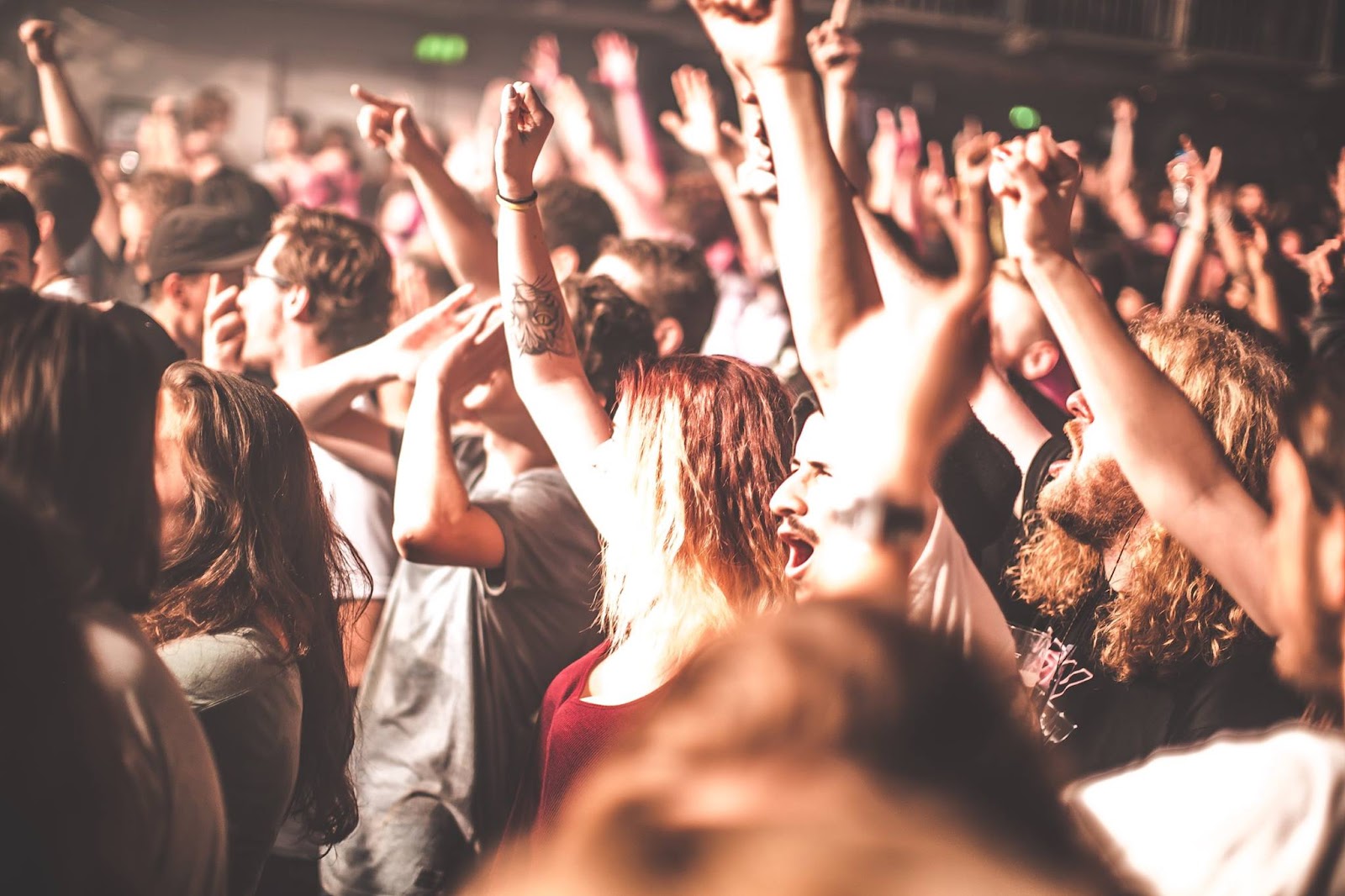
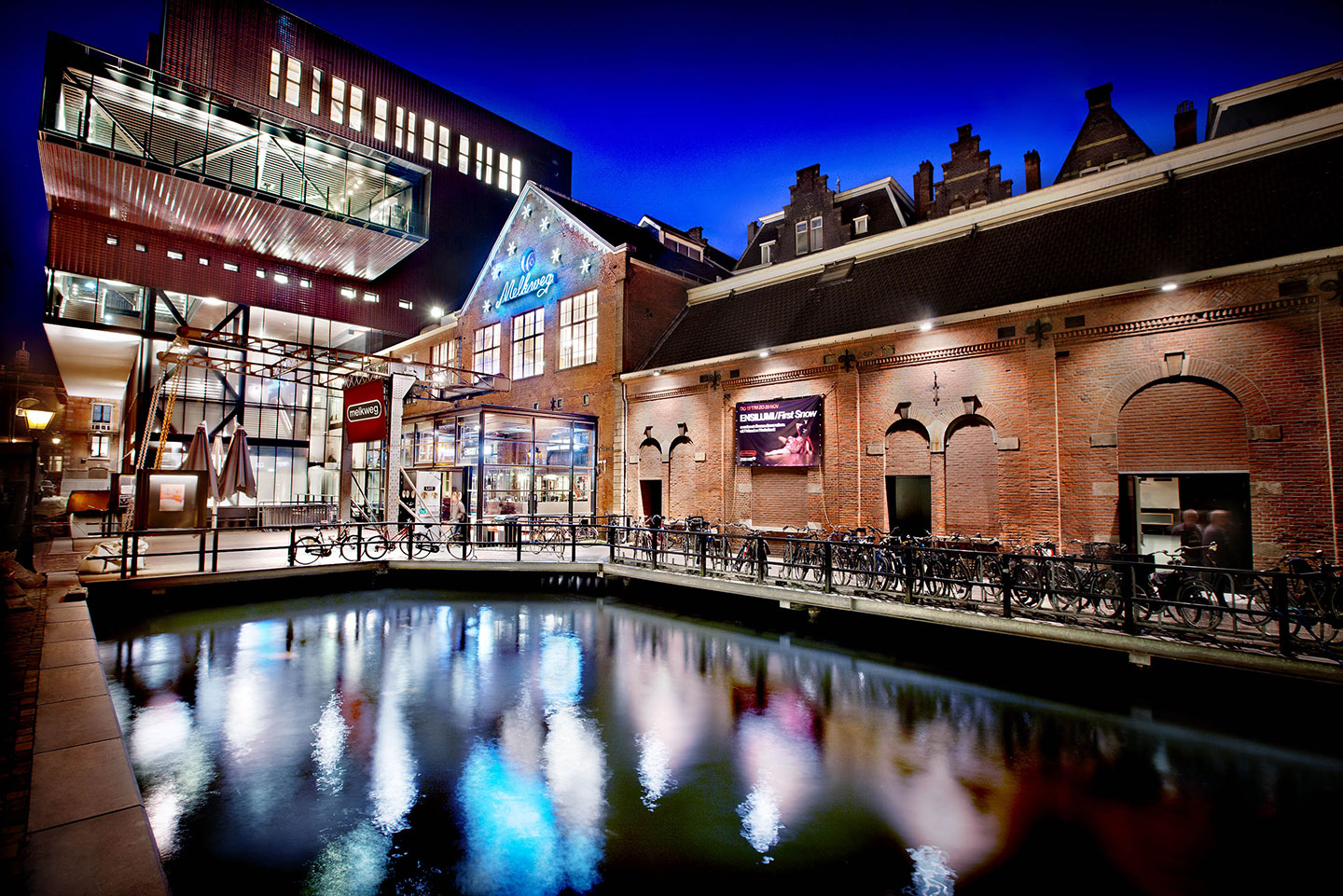
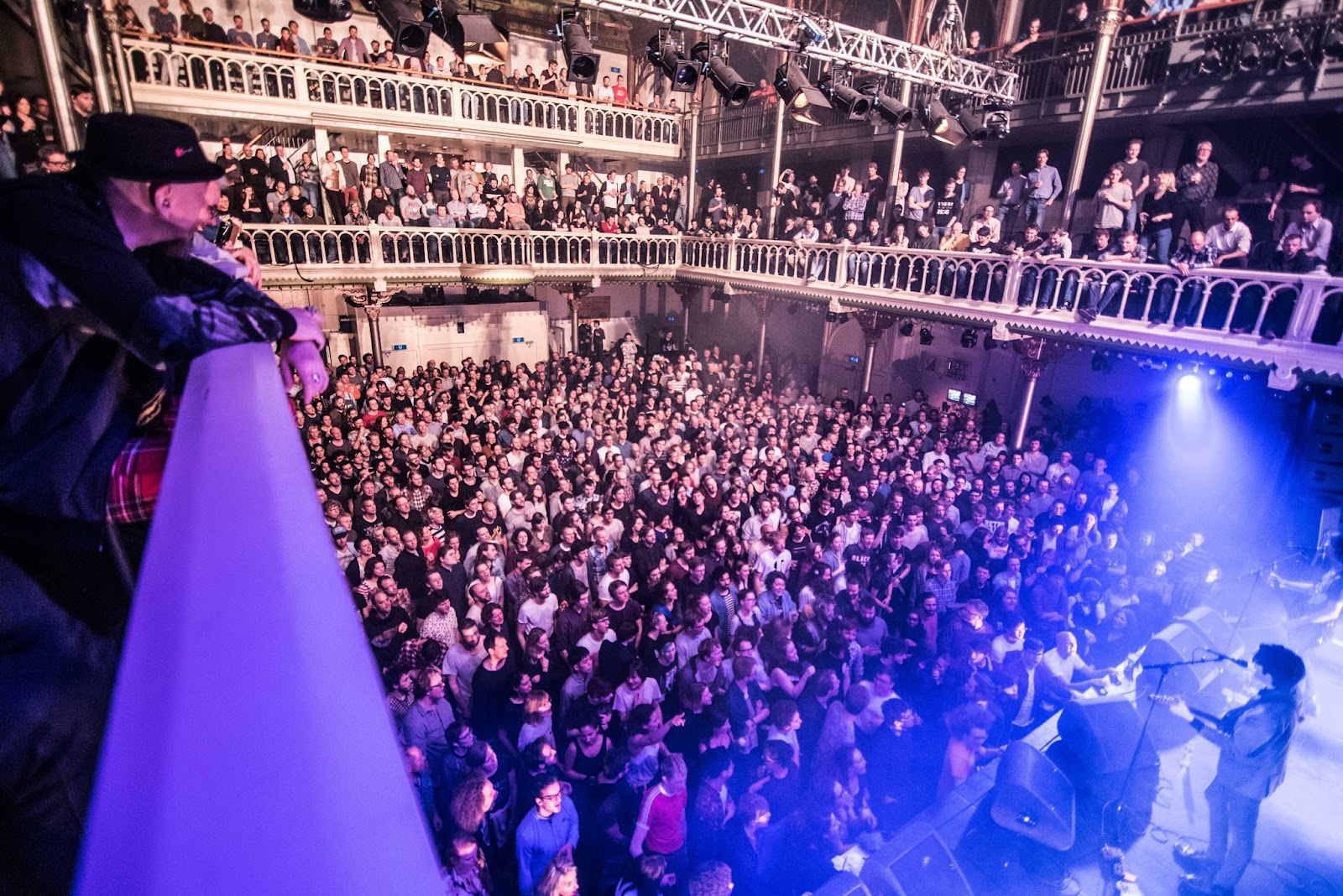
The building on Lijnbaansgracht was a dairy before it was a concert hall — you can still sense the industrial bones of it, the canal-side factory that outlasted every other like it on Amsterdam's ring. Today it runs seven days a week, houses four music halls, a cinema, a photography gallery, and a café called MILK, and pulls more than half a million people through its doors each year.
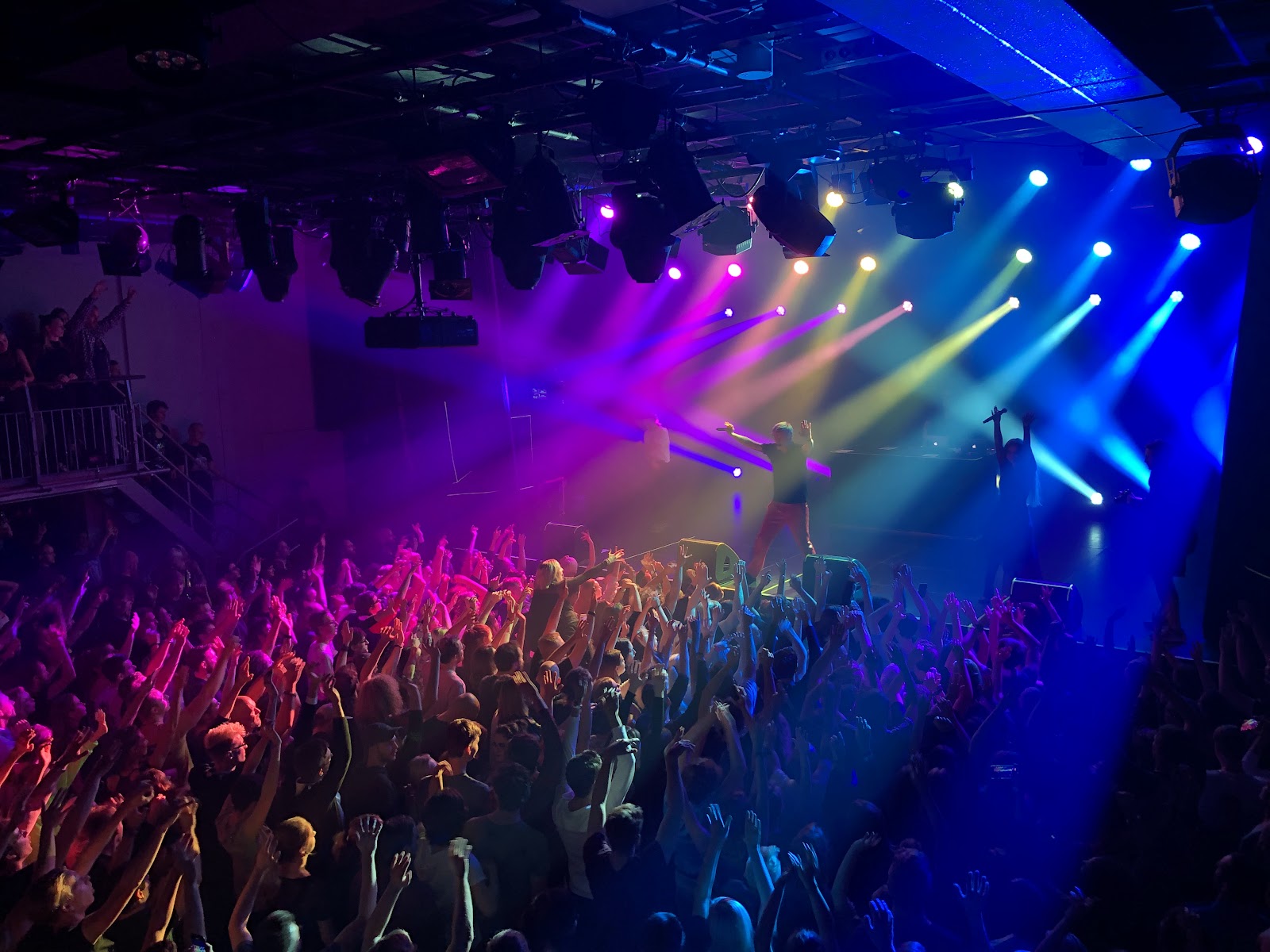
The Max fits 1,500 and gets the bigger touring acts; the Oude Zaal, at 700, is where the room itself becomes part of the night. Club nights start at 11 PM and run until four or five in the morning — one of the few venues in the city licensed to go that late.
💛 What travellers fall for
People who come back regularly tend to drift into the Expo between sets — free admission, open until 9 PM, monthly shows of young photographers' work. It's a quiet pocket inside a loud building. The 500-space bike rack to the right of the entrance means you can lock up without hunting; the guarded indoor parking at Leidseplein is free for the first 24 hours if you're staying late.
The story behind Melkweg
The building spent most of its life as an industrial workhorse: a sugar refinery in the 19th century, then a milk factory after OVVV bought it in 1920, until the operation closed in 1969. The following summer, theater group DAT — Documentair Actueel Theater — moved into the vacant space with a temporary cultural project for young people. It opened on July 17, 1970, under director Cor Schlösser, and proved stubborn enough to return for the summers of 1971 and 1972 before becoming a permanent venue in 1973.
By 1983 the Persian carpets were gone, hash was banned, and the interiors had been redone in Memphis style. The Max, the largest hall, opened in 1995 and was renovated in 2007. The building is now the only surviving factory structure on Amsterdam's canal ring.
Good to know
Trams 1, 2, and 5 stop at Leidseplein — a one-minute walk from the main entrance. Box office opens daily at noon. Reserve in advance for theater and film; club nights typically cost around €5 at the door. Concert doors open around 7 PM, shows around 9 PM.
Where is Melkweg?
More tickets & tours for Melkweg
Book directly at the provider
What travellers say about Melkweg
Amsterdelics was an unforgettable experience! 🤩 The musicians and singers were absolutely incredible, exceeding all my expectations. It truly transported me back in time. Huge congratulations to the organizers for such a fantastic event! 🎶 Keep up the amazing work, you deserve more than 5 stars! ✨
Great venue for upcoming new artists. Sound and acoustics are perfectly matched. They also regularly arrange the viewing for the old and new Anime. Cosy theaters and nice bar too.
Small but nice concert hall! All necessary things are in - lockers, plenty of restrooms, standing pit and balcony, bar. The only room for improvement is the area outside the club where people are waiting for entrance. The queue is partially standing on the road with cars riding along it. Could be potentially reorganized despite limited space.
Awesome concert venue. Love going here. Mostly going to metal concerts 🤘. Lockers available, with an app. Book tickets in advance.
The Oude Zaal always feels like coming home. Cozy room excellent acoustics. Only down side this time (March 20, 2026) was the curfew for the show of Keith Caputo due to the disco scheduled afterwards. 22.30H is too early for a good rock show to end.
More of Oud-West
Discover where to stay, what to do and the best deals for your trip.
Explore Oud-West →More attractions in Oud-West
All of Oud-West →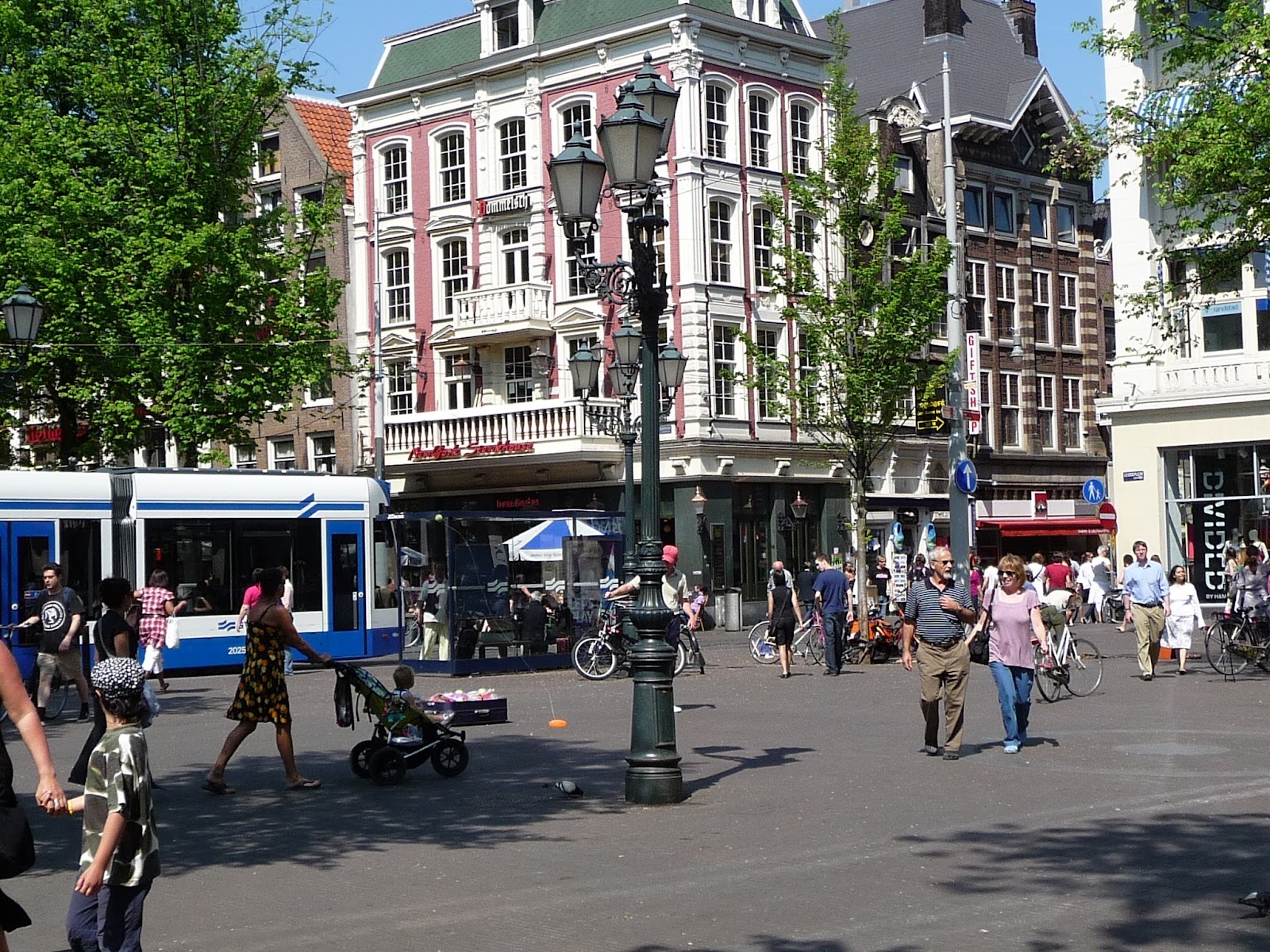
Background adapted from Wikipedia (CC BY-SA) · map data © OpenStreetMap contributors · ratings & place photos via Google · other photos with per-image credit. Ticket links may earn us a commission at no extra cost to you.