
Main Garden Promenade
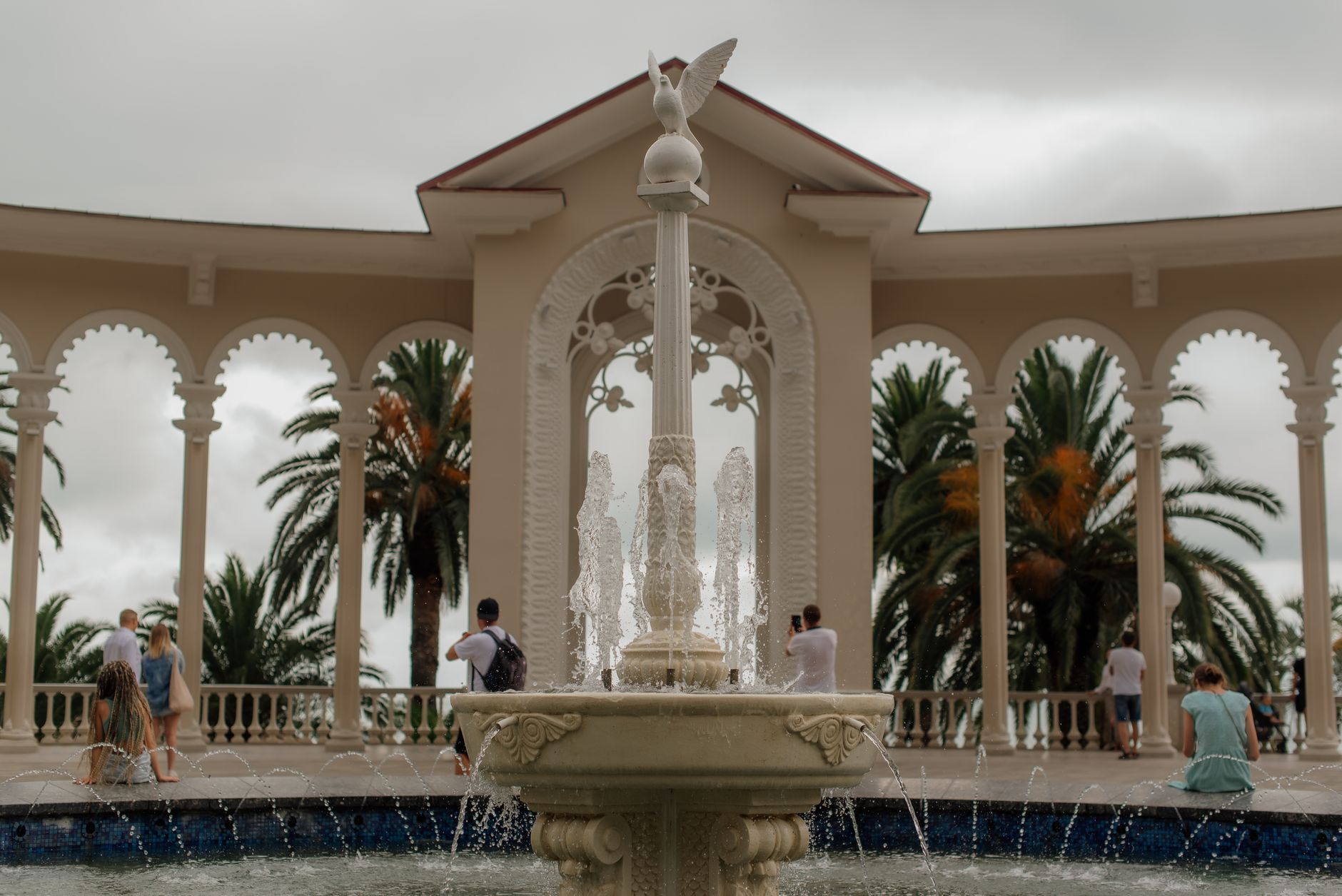
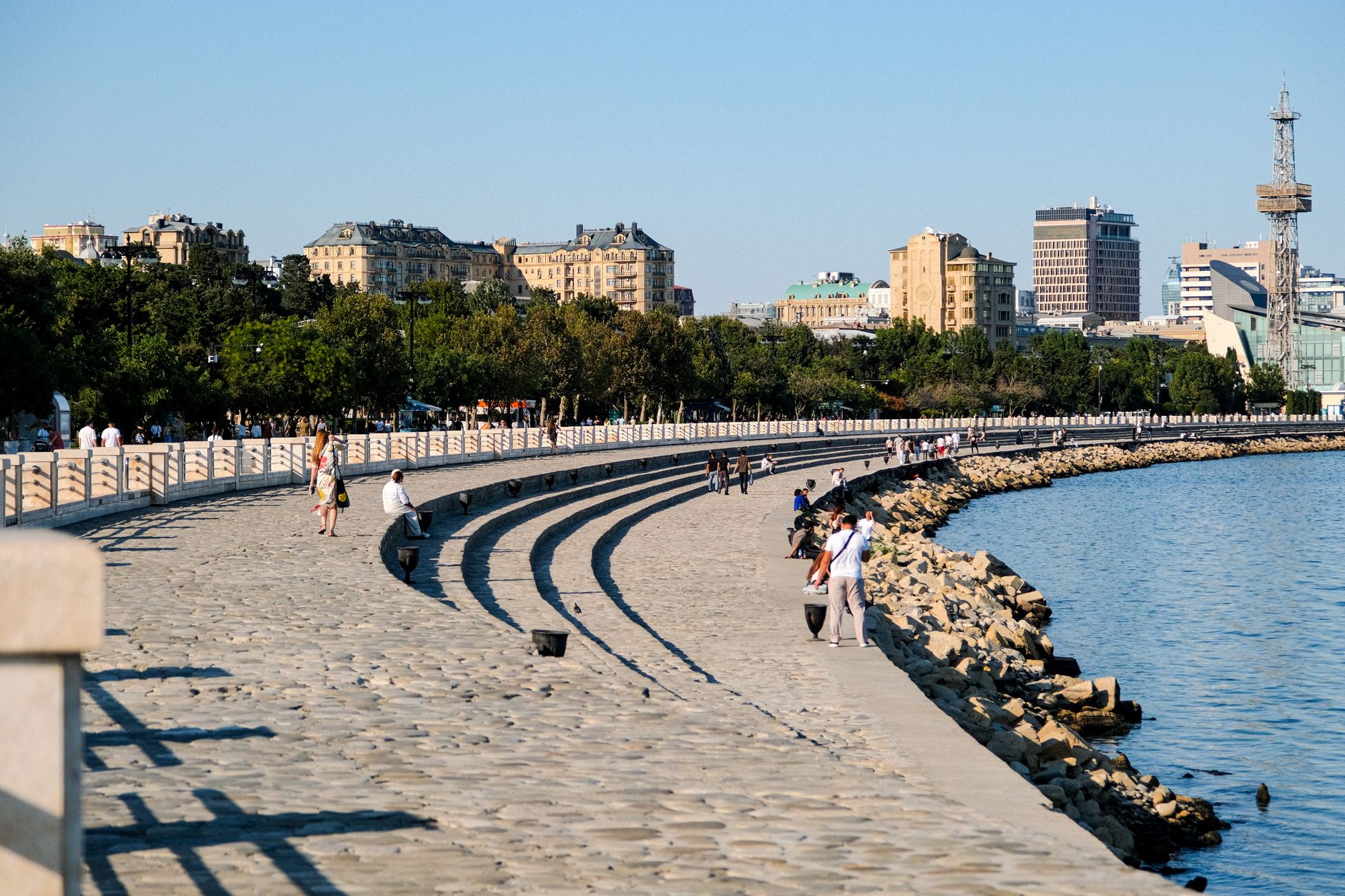
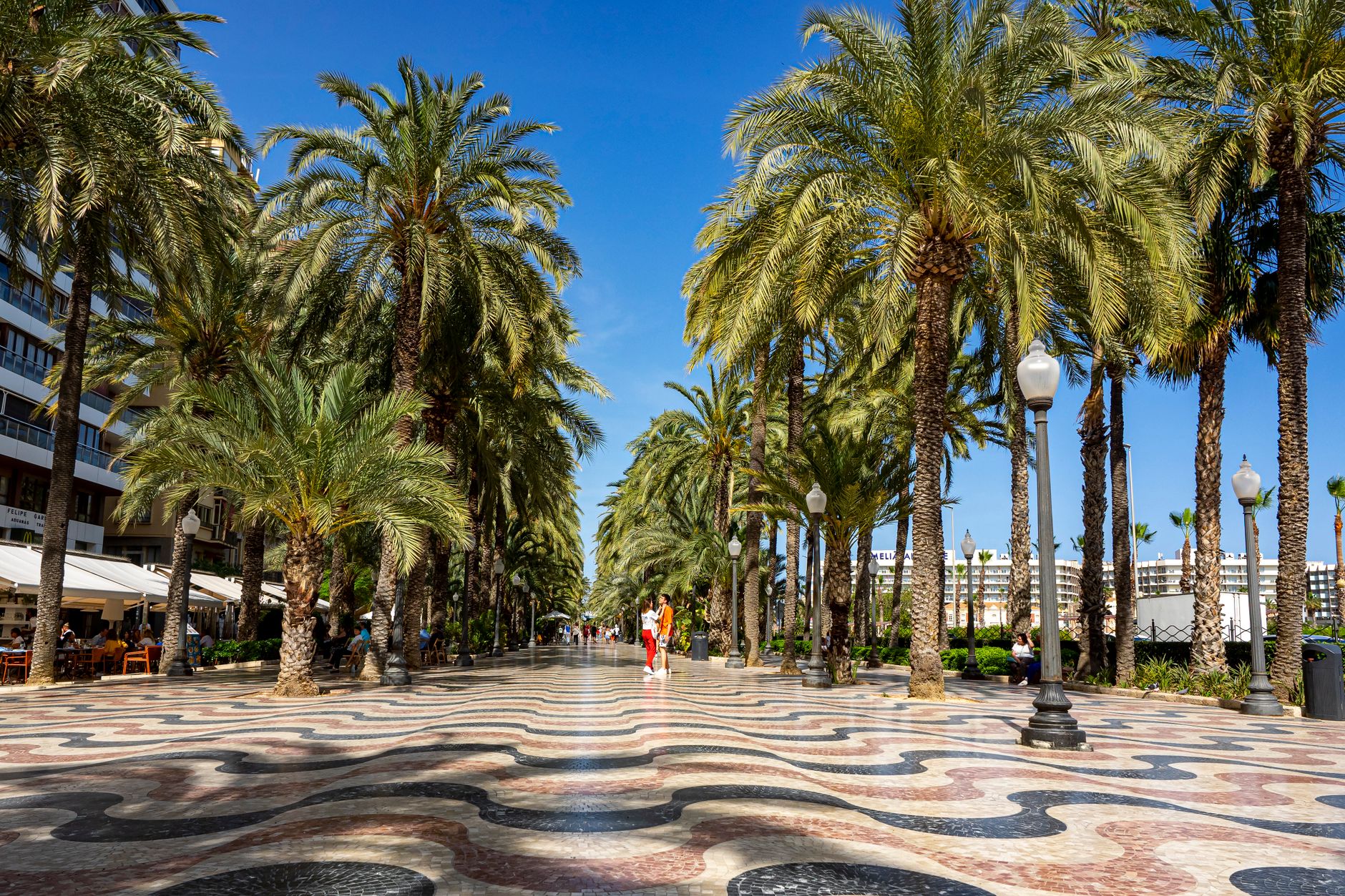
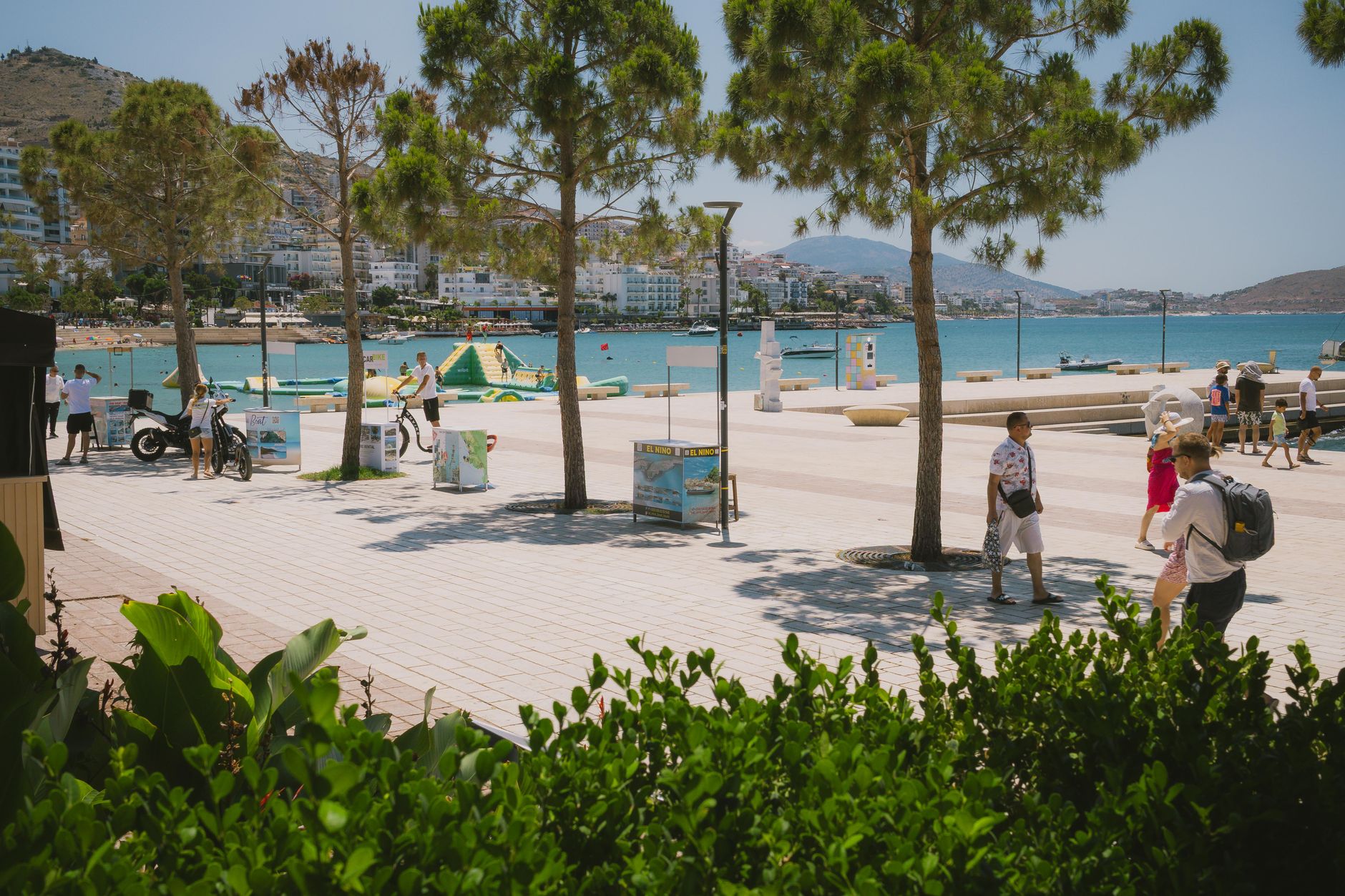
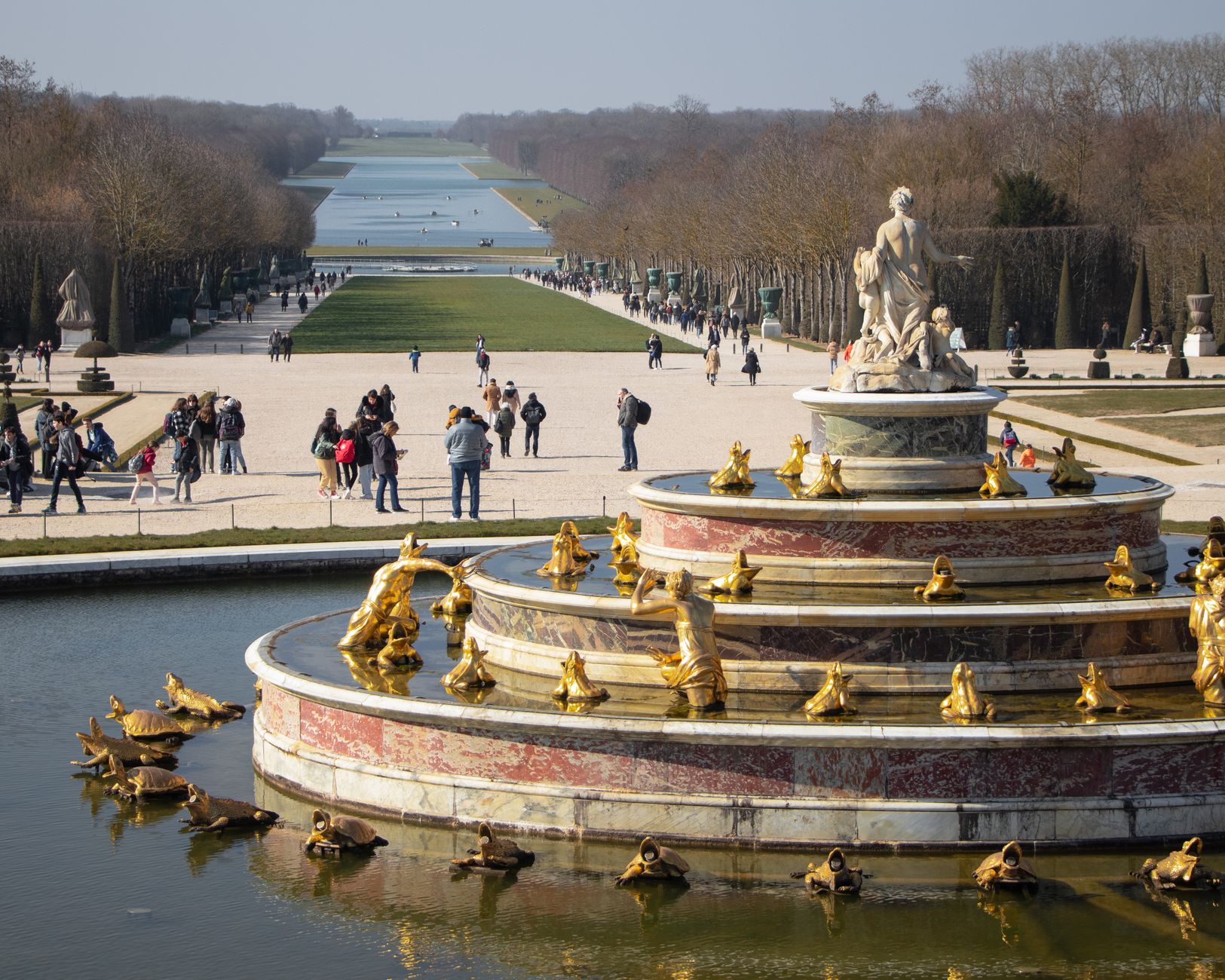

The wide promenade that runs from the entrance of Menara Gardens toward the basin is lined with carts selling packets of dried fruit, small bottles of water, and the kind of souvenir keychains that end up in coat pockets for years. It is not the most refined approach to a garden, but it is an honest one — and it gives you time to settle in before the olive groves close around you and the Atlas Mountains appear on the horizon like something drawn in pencil.
This is a working garden as much as a contemplative one. The olive trees are planted on a ten-metre grid across more than a hundred hectares, their trunks split and leaning from decades of pruning. On weekends, Moroccan families spread out across the grass between the rows. The promenade is where you arrive, catch your breath, and decide which direction to wander.
💛 What travellers fall for
People who come back tend to time it carefully. The morning light before nine is the reason — the basin is still, the air is cool, and the vendors are just setting up. Late afternoon is the other window worth knowing: from around four o'clock the sun shifts behind the pavilion and the water turns a particular shade of bronze.
How Main Garden Promenade came to be
The gardens were established in 1157 by Abd al-Mu'min, the Almohad ruler, with the hydraulic design credited to Hajj al-Ya'ish, an engineer from Malaga. The name Menara appears in written sources for the first time in 1579, during the Saadian period, when the dynasty restored the estate and added a pleasure pavilion above the reservoir.
The pavilion standing today was built by the Alaouite sultan Muhammad IV, completed in 1870 on the ruins of the earlier Saadian structure. In 1985, Menara Gardens became part of Marrakech's UNESCO World Heritage designation. The reflecting basin — roughly 195 by 160 metres — is understood to be the same reservoir Abd al-Mu'min's engineers dug nearly nine centuries ago.
Who and what shaped it
People who shaped it
Landmark buildings
Plan your visit
On the map
When to go
Spring and autumn are the most comfortable seasons, with mild temperatures and the Atlas peaks often snow-capped and clearly visible. Summer pushes well above 38°C and the open ground around the basin offers almost no shade, so early morning is the only tolerable window from June through August.
Right now
Background & history adapted from Wikipedia (CC BY-SA) · specs from Wikidata (CC0) · weather from Open-Meteo · map data © OpenStreetMap contributors · photos from Wikimedia Commons / Unsplash with per-image credit. No third-party reviews or social posts reproduced.