
Kinkerstraat
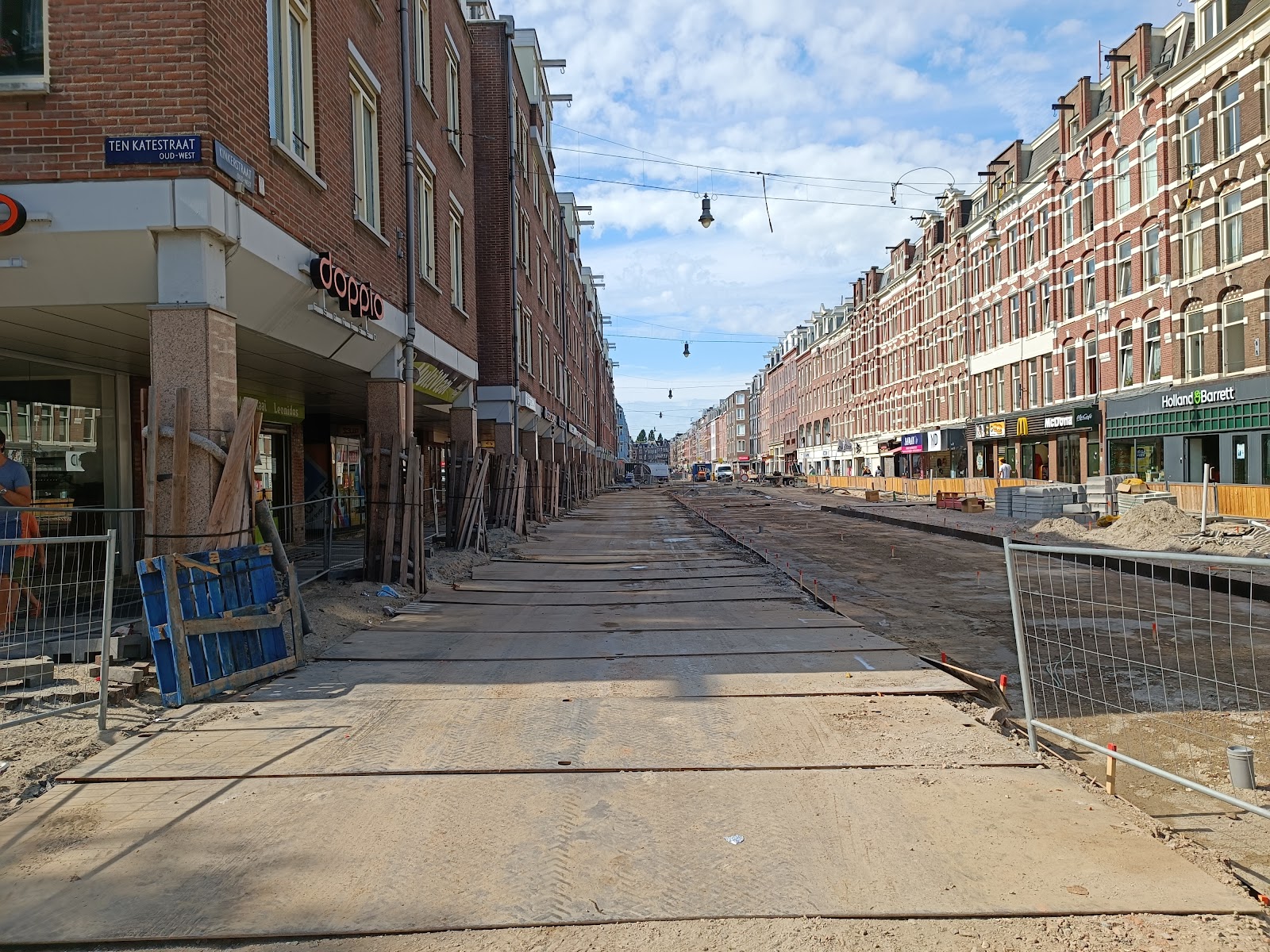
Kinkerstraat runs straight through the middle of Oud-West like a working crease in a well-used map. It's a proper neighbourhood street — tram lines down the centre, a bathhouse from 1903 that volunteers still keep running, a coffee roaster where you can smell the beans before you find the door. The shops here lean toward the everyday and the particular: Turkish grocers stacked with dates and dried herbs, a vintage furniture place where someone will pour you a coffee while you decide on a chair.
The street stretches from Nassaukade all the way to Kostverlorenvaart, and the Ten Katemarkt sits at its midpoint — more than a hundred stalls of fish, flowers, fabric and produce, open six days a week.
💛 What travellers fall for
Regulars tend to anchor their visit at LOT61, the roastery-café on the street, then drift toward the market. The bathhouse on Da Costa Kade — the last public baths in the Netherlands — is worth a look even from the outside; the building itself tells you something about the neighbourhood's history that a dozen cafés can't.
The story behind Kinkerstraat
The street takes its name from Johannes Kinker, a Dutch poet and lawyer who lived from 1764 to 1845 — the name was formally assigned in 1881, around the time the city began pushing west across what had been the Kwakerspoel, a body of water that was filled in to make way for new housing. Construction of the surrounding Kinkerbuurt neighbourhood ran through the late nineteenth century and into the early twentieth, driven by Amsterdam's post-industrial expansion.
The bathhouse at Da Costa Kade opened in 1903, built for a working-class population that largely lacked indoor plumbing. That it still operates today — run by volunteers — is one of the more quietly remarkable facts about this stretch of the city.
Good to know
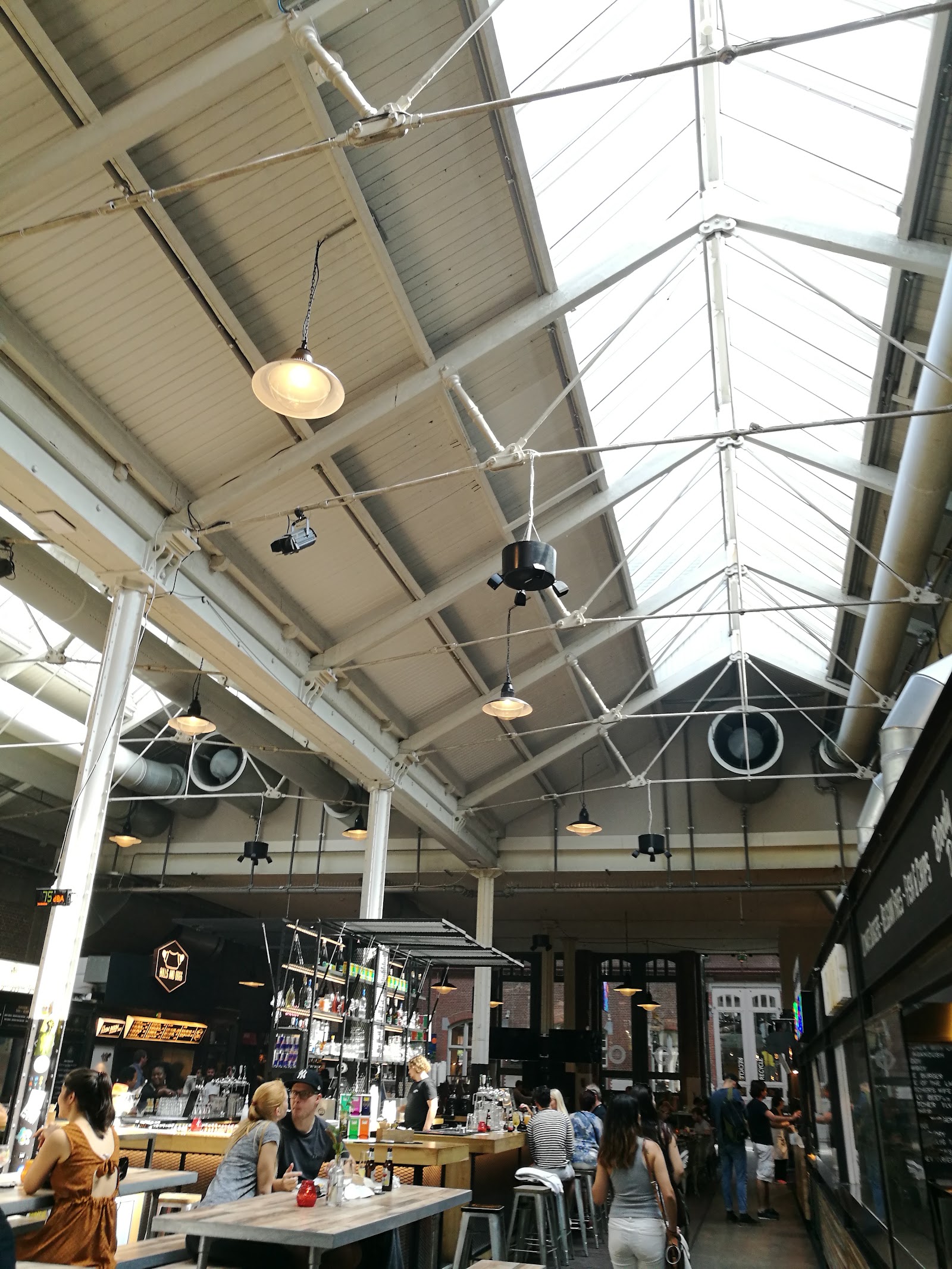
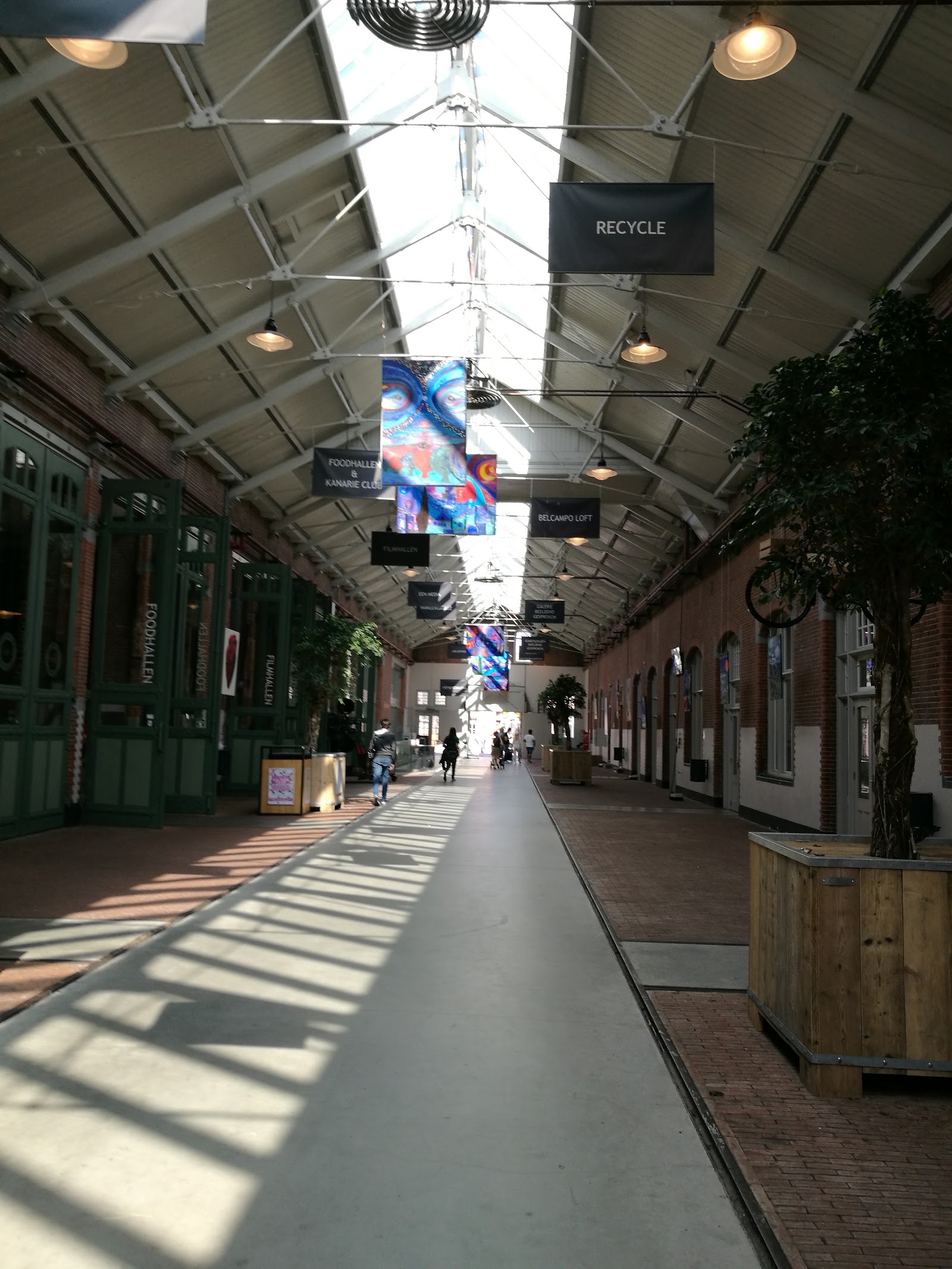
Trams 3, 5, 7 and 19 all stop on or near Kinkerstraat. Come on a weekday morning for the market at its quietest. Saturday draws bigger crowds. An hour and a half covers the street comfortably; add time if you're stopping for coffee or browsing De Hallen nearby.
Amsterdam's weather is most forgiving here between April and August, when the street market is at its liveliest and outdoor café tables actually get used. Autumn and winter bring reliable grey and rain; the street stays active, but dress accordingly.
Where is Kinkerstraat?
Location
- In Oud-West
- 52.3672, 4.8720
- Open in Google Maps
More tickets & tours for Kinkerstraat
Book directly at the provider
More of Oud-West
Discover where to stay, what to do and the best deals for your trip.
Explore Oud-West →More attractions in Oud-West
All of Oud-West →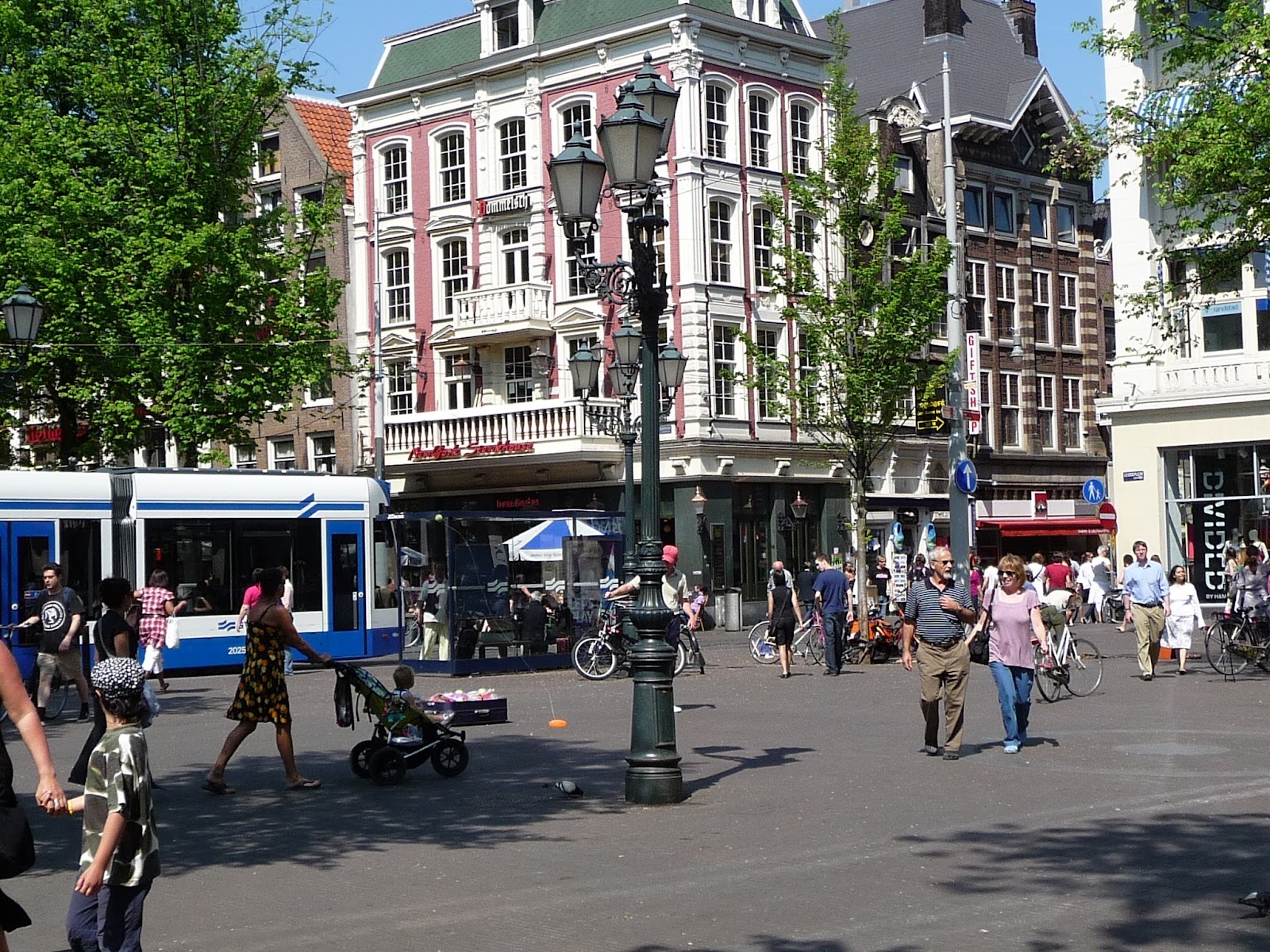

Background adapted from Wikipedia (CC BY-SA) · map data © OpenStreetMap contributors · ratings & place photos via Google · other photos with per-image credit. Ticket links may earn us a commission at no extra cost to you.