
Hopkins Village


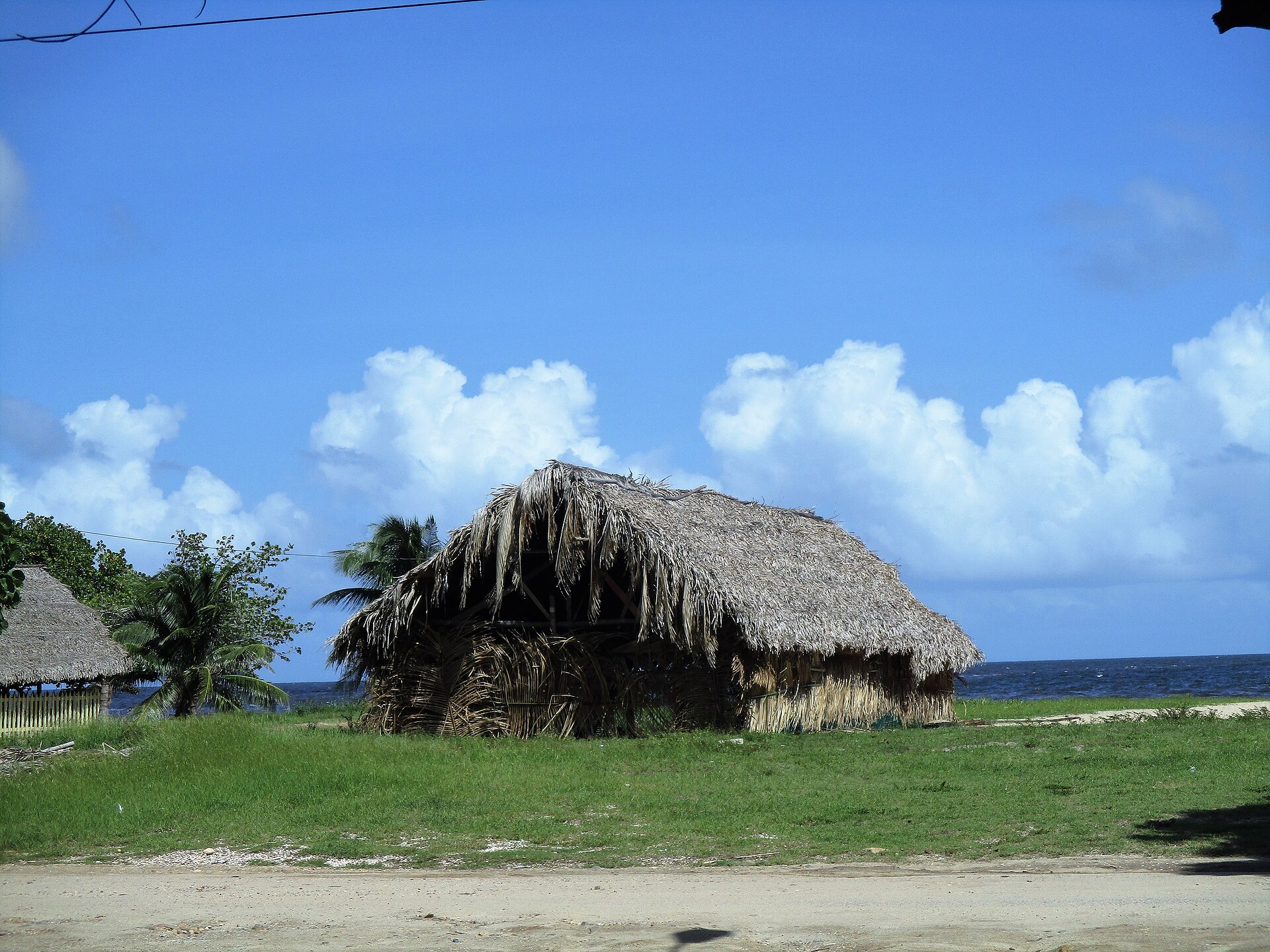
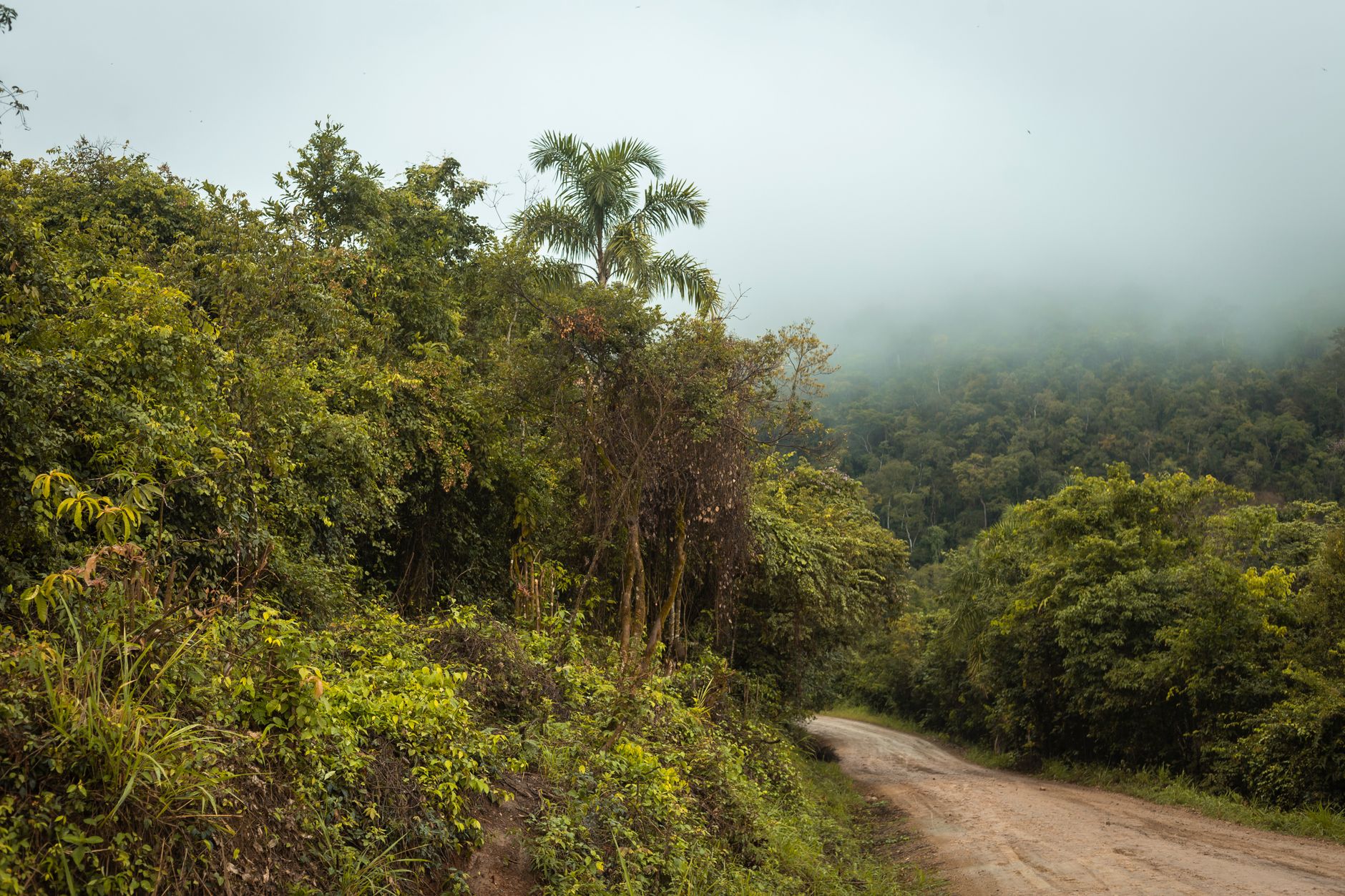
Hopkins Village sits along a three-mile stretch of Caribbean coastline in southern Belize, split by a bay into two neighbourhoods — Baila to the north, False Sittee to the south. The place is small enough that you can walk from one end to the other before the afternoon heat builds. What distinguishes it from Belize's island destinations is its Garifuna majority: roughly seven in ten residents trace their heritage to the Garifuna people, and the sound of drumming — practiced, not performed for tourists — moves through the village at irregular, unscheduled hours.
The beach is the organizing fact of daily life here. Restaurants, shops, and most accommodation sit within a short walk of the sand, and the flat terrain makes cycling the obvious way to cover more ground. Hire a bike from your guesthouse and the whole village opens up.
💛 What travellers fall for
People who come back tend to do two things: eat hudut — the Garifuna fish stew with plantains and coconut milk, found at small local spots rather than resort menus — and take a drumming lesson at LeBeha. The lesson isn't a quick demo; you're expected to work at it, and that's the point.
Experiences you don't want to miss



How Hopkins Village came to be
Hopkins was founded in 1942, when residents displaced by a hurricane resettled along this stretch of the southern coast. The village was named for Frederick Hopkins, a Catholic Bishop. The community that took root was predominantly Garifuna — a people whose culture, language, and music had already survived centuries of displacement across the Caribbean.
For most of the 20th century Hopkins remained a quiet fishing village. Tourism arrived gradually, with small hotels and restaurants building up around the beach, but the village never scaled to the degree of Belize's northern cayes. That slower pace has kept its character largely intact.
Who and what shaped it
Landmark buildings
See Hopkins Village in motion
Plan your visit
On the map
When to go
January through March brings the most reliable weather: warm days around 27°C, calm water, and little rain. From July onward the wet season sets in — June is the wettest month — and September and October can be genuinely heavy; Hopkins sits within the Caribbean hurricane belt, so the season running June through November is worth watching if you're planning travel then.
Right now
Background & history adapted from Wikipedia (CC BY-SA) · specs from Wikidata (CC0) · weather from Open-Meteo · map data © OpenStreetMap contributors · photos from Wikimedia Commons / Unsplash with per-image credit. No third-party reviews or social posts reproduced.