
Dar Ayniwen

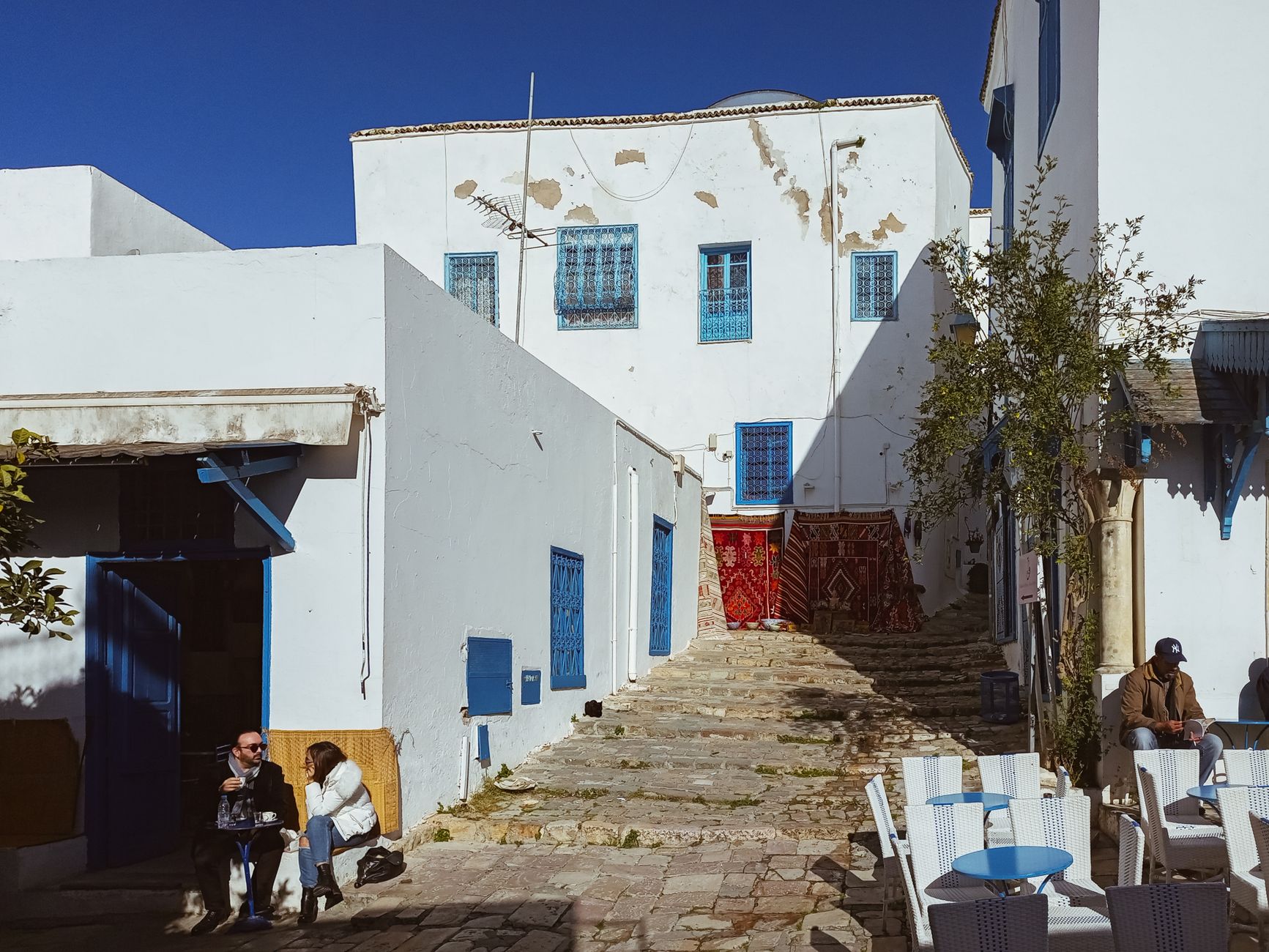
The road in is easy to miss — a bumpy track through the palms that gives nothing away. Then the gate opens, and you are somewhere else entirely: five acres of lily ponds, olive trees, cacti, and orange groves, with tortoises moving slowly through the shade and a Siamese cat regarding you from the doorstep of the Tiwaline suite. The main house dates from the 19th century and has the unhurried quality of a place that was never built to impress anyone in a hurry.
Dar Ayniwen sits in the Tafrata quarter of the Palmeraie, about fifteen minutes from Marrakech's centre. The bird zoo on the grounds is an unexpected thing — genuinely so. Breakfast arrives at your table: fruit, Moroccan pancakes, pastries. Manager Aziz greets you with mint tea.
💛 What travellers fall for
People who return tend to mention the pool in November — 23°C while the air cools around it — and the way the free shuttle to the medina means you can spend a full morning in the souks and be back under the orange trees by early afternoon. Book one of the suites with direct garden access if you can.
How Dar Ayniwen came to be
The land was bought by Stéphane Abtan's father in 1972, when the Palmeraie was still largely agricultural and property here was a quiet, long-term bet. The family house and bird park followed between 1980 and 1982, built around a main house that dated from the 19th century and was left structurally unchanged after acquisition.
It was Stéphane Abtan who eventually realised the garden's full potential — the lily ponds, the planting, the careful layering of a place that now feels as though it grew rather than was designed. The two hectares of grounds and the eleven rooms represent a particular kind of Palmeraie inheritance: private, unhurried, and largely indifferent to trends.
Who and what shaped it
People who shaped it
Landmark buildings
See Dar Ayniwen in motion
Plan your visit
On the map
When to go
March through May and October through November are the most comfortable months — warm days, cool evenings, and the gardens at their best. Summer brings temperatures above 40°C; winter days are mild at around 18–20°C, but nights drop sharply, so pack something warm if you are staying in December or January.
Right now
Background & history adapted from Wikipedia (CC BY-SA) · specs from Wikidata (CC0) · weather from Open-Meteo · map data © OpenStreetMap contributors · photos from Wikimedia Commons / Unsplash with per-image credit. No third-party reviews or social posts reproduced.