
Culebra
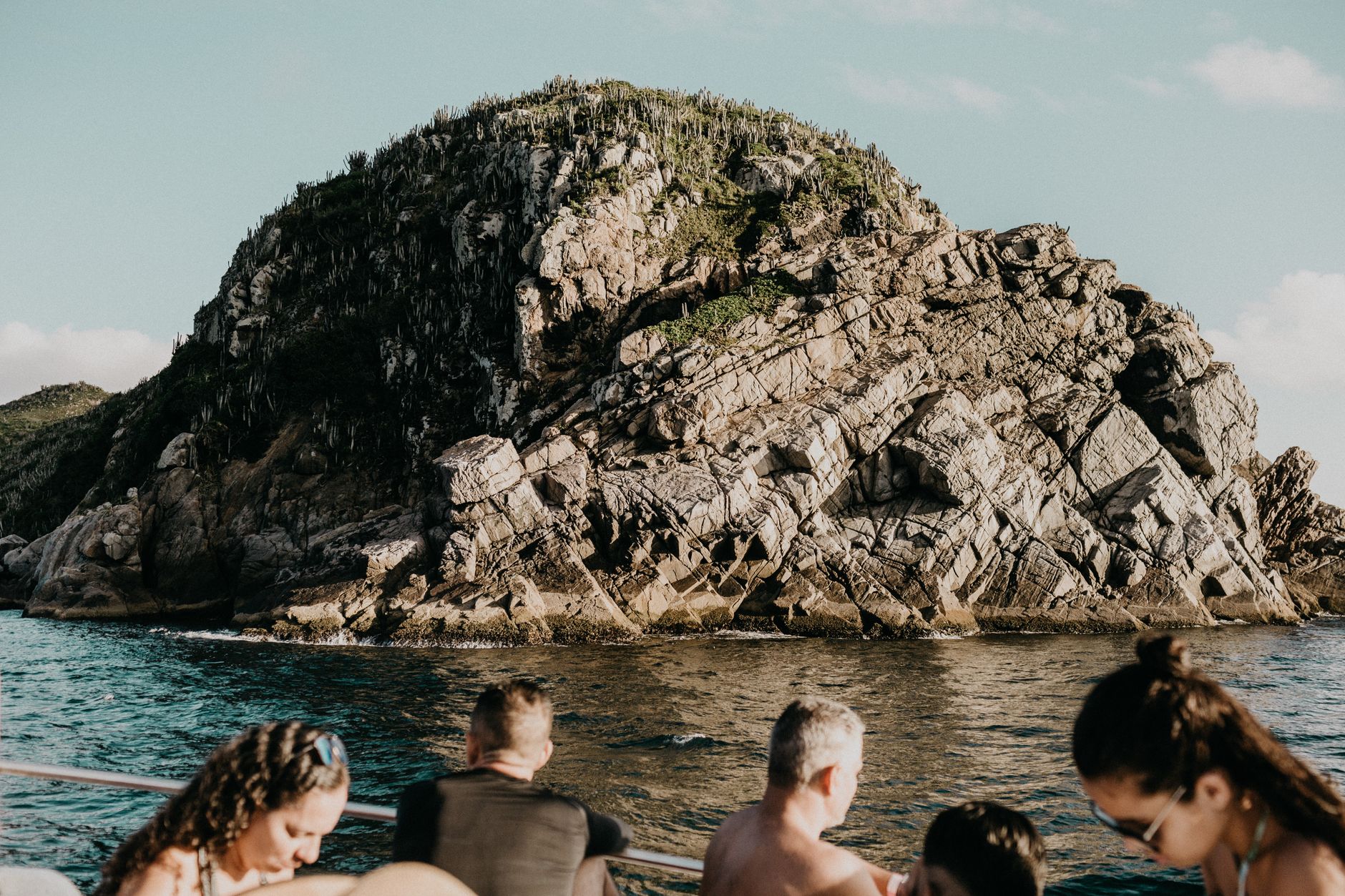
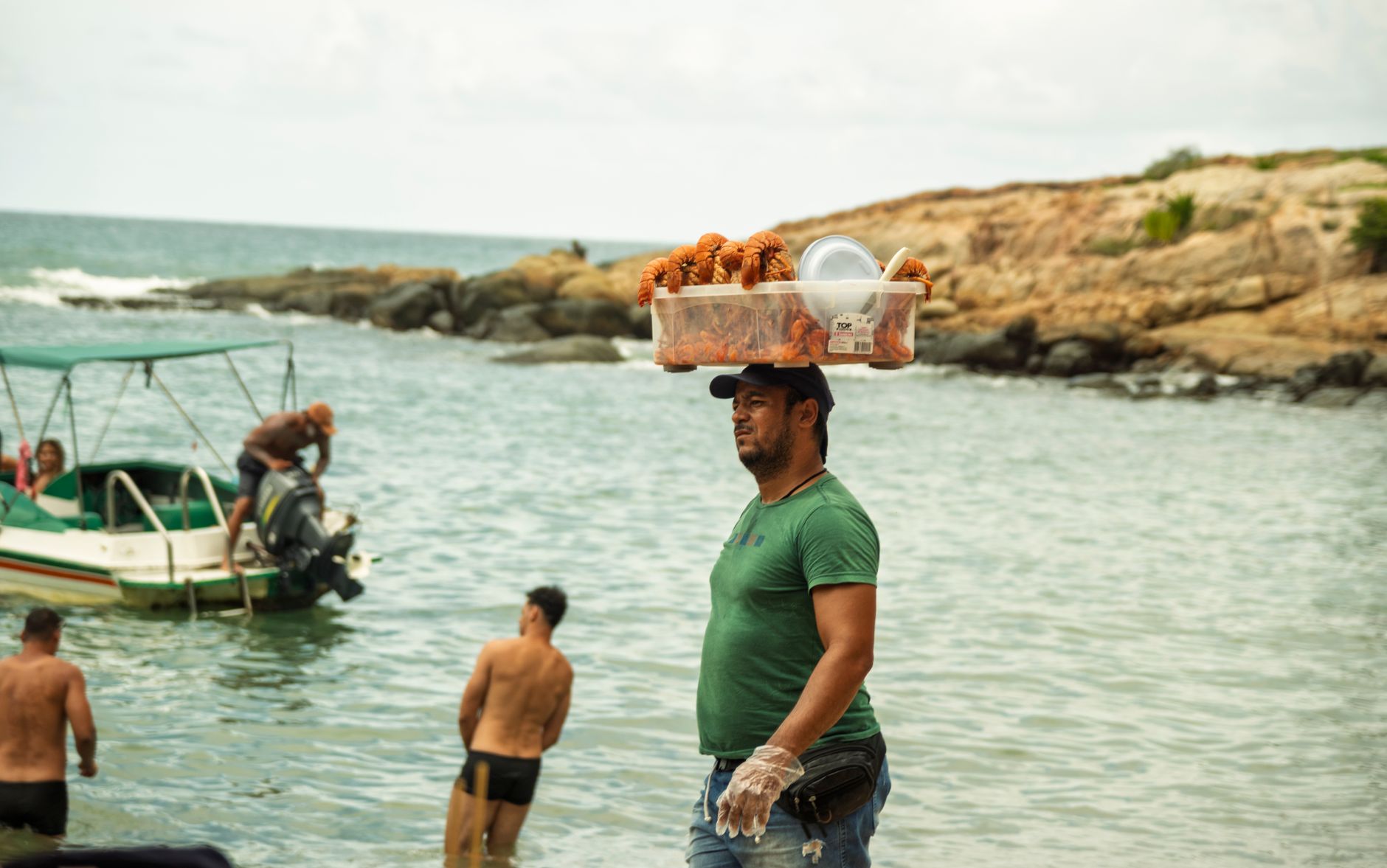
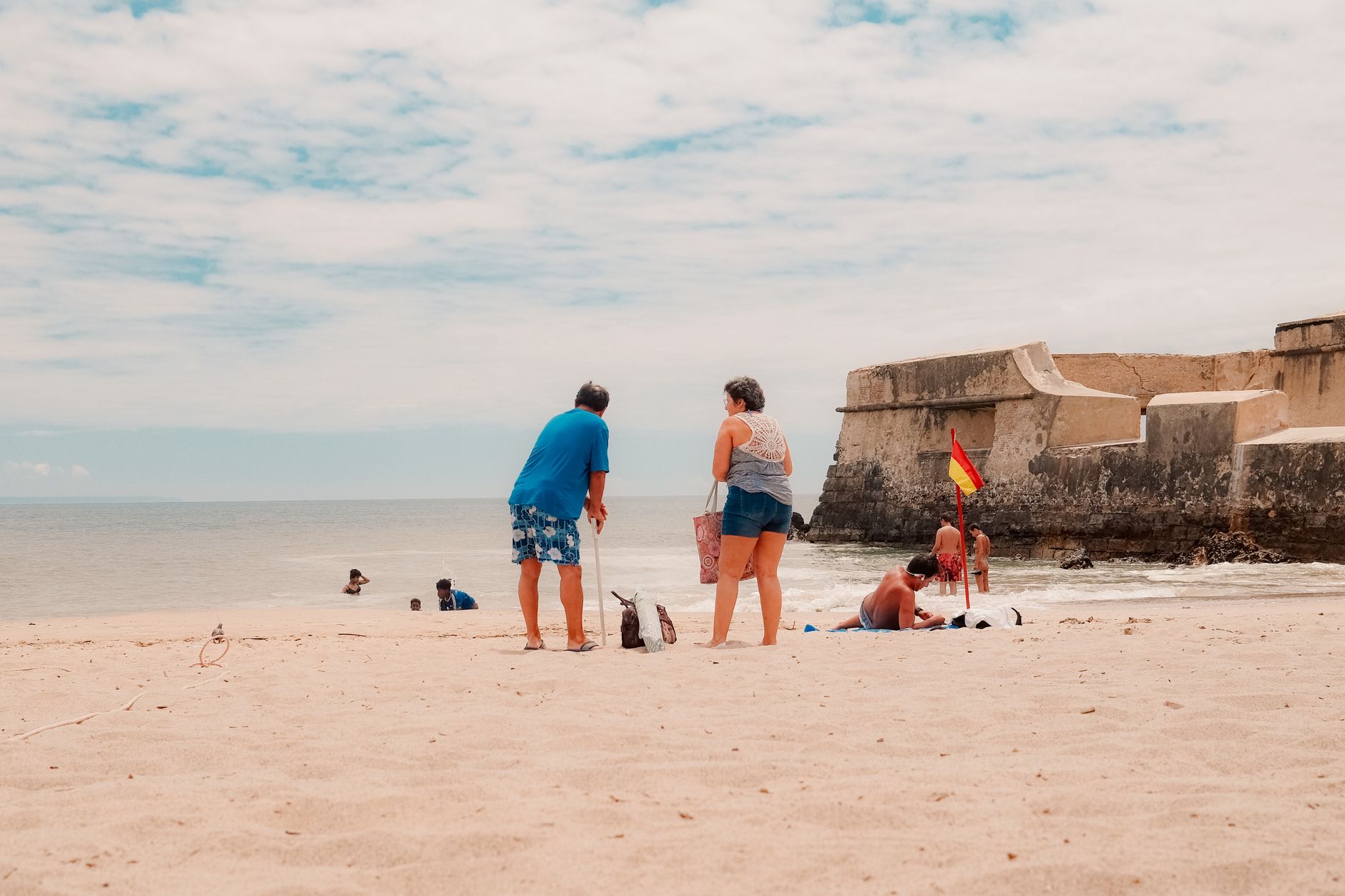

Culebra sits about 17 miles off Puerto Rico's east coast, small enough to cross by car in minutes, yet with a shoreline that stops people mid-sentence. Flamenco Beach — a mile of white coral sand backed by dry scrub hills — has earned the kind of rankings that usually belong to places far harder to reach. Two rusted M4 Sherman tanks sit at the western end of that beach, graffiti-covered relics from the decades the U.S. Navy used this island as a live-fire training ground. That contrast — extraordinary water, an improbable military past — is what makes Culebra more than just a beach destination.
The island's main town, Dewey, is compact and low-key: a few restaurants, a handful of guesthouses, a canal. Most people come for the reef, the sea turtles, and the relative quiet. The Culebra National Wildlife Refuge covers a significant portion of the island's land and surrounding cays, keeping development in check and nesting seabirds in residence.
💛 What travellers fall for
People who return tend to say the same thing: go straight to Flamenco on arrival, before the day-trippers from the ferry fill the sand. Rent a golf cart in Dewey — it's the practical way to move between beaches. And if the water taxis to Culebrita are running, take one; the tidal pools near the old lighthouse are worth the trip alone.
How Culebra came to be
Columbus passed by in 1493, but Culebra's recorded settlement didn't begin until October 27, 1880, when Colonel Cayetano Escudero founded the first permanent community, San Ildefonso de la Culebra. Spanish-era presence left one lasting structure: the Culebrita Lighthouse, built between 1882 and 1886 on a small cay offshore — the only remaining Spanish-era building in Culebra today.
After 1898, American authority brought a different kind of attention. President Theodore Roosevelt established the Culebra Naval Reservation in 1903 and, six years later, the Culebra National Wildlife Refuge. For decades, the Navy used the island and its surrounding waters for live-fire exercises. Starting in 1971, islanders mounted sustained protests against that use. By 1975, the military had withdrawn, leaving behind the Sherman tanks on Flamenco Beach and a former ammunition warehouse — built by the Navy in 1905, now the Museo Histórico de Culebra — as the most visible evidence of that era.
Who and what shaped it
People who shaped it
Landmark buildings
See Culebra in motion
Plan your visit
On the map
When to go
Temperatures hold between 74°F and 88°F year-round, with the dry season from December through April offering the most reliable beach weather. Summer is hotter and more humid, and May, October, and November see the most rain — typically brief afternoon showers rather than full-day events.
Right now
Background & history adapted from Wikipedia (CC BY-SA) · specs from Wikidata (CC0) · weather from Open-Meteo · map data © OpenStreetMap contributors · photos from Wikimedia Commons / Unsplash with per-image credit. No third-party reviews or social posts reproduced.