
Bocas del Toro
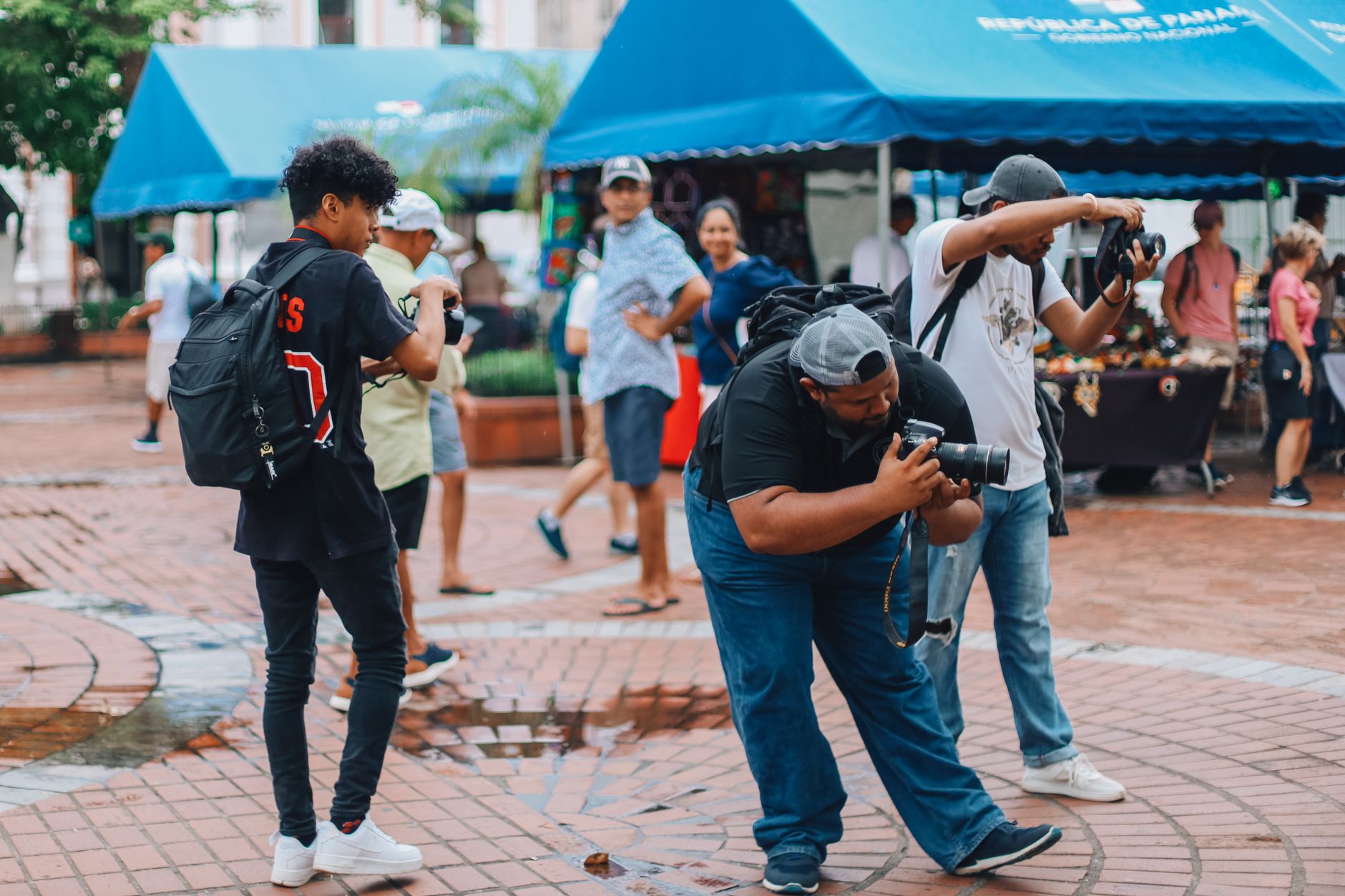
Walk a single block in Bocas Town and you'll catch four languages — Spanish, Creole English, an indigenous dialect, Mandarin — drifting out of open doorways and across café tables. That linguistic jumble is the first clue that Bocas del Toro, Panama's Caribbean province, has been shaped by an unusually layered cast of arrivals: Columbus in 1502, Afro-Caribbean founders in the 1820s, Jamaican banana workers a generation later, and a steady trickle of researchers, surfers, and wanderers ever since.
The province is anchored by the Bocas del Toro Archipelago — a scatter of islands, mangrove channels, and reef — but its reach extends inland to the rainforest corridors of La Amistad, a UNESCO World Heritage Site shared with Costa Rica. The Smithsonian Tropical Research Institute keeps a station here, which tells you something about the biological density of the place.
💛 What travellers fall for
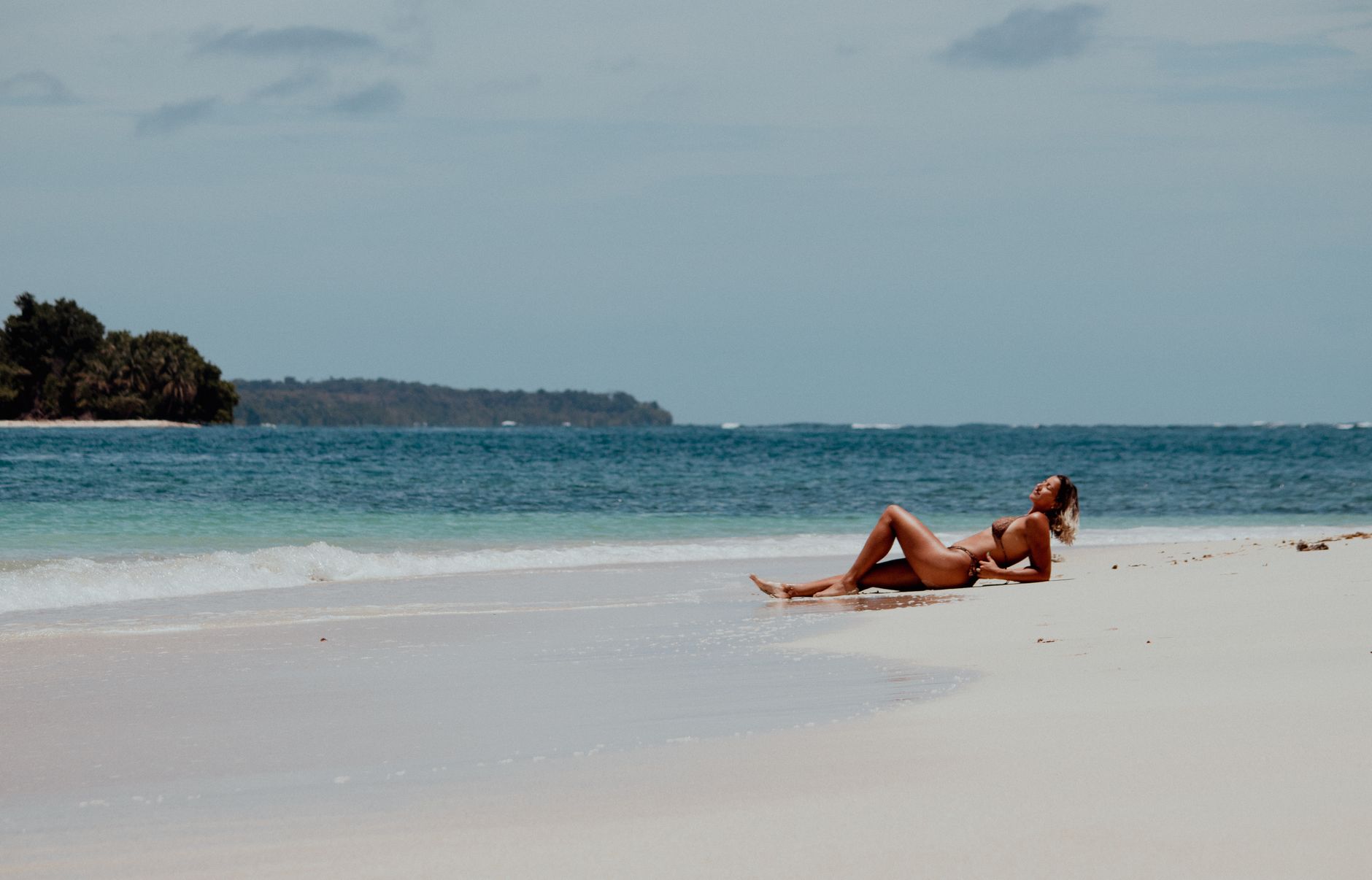
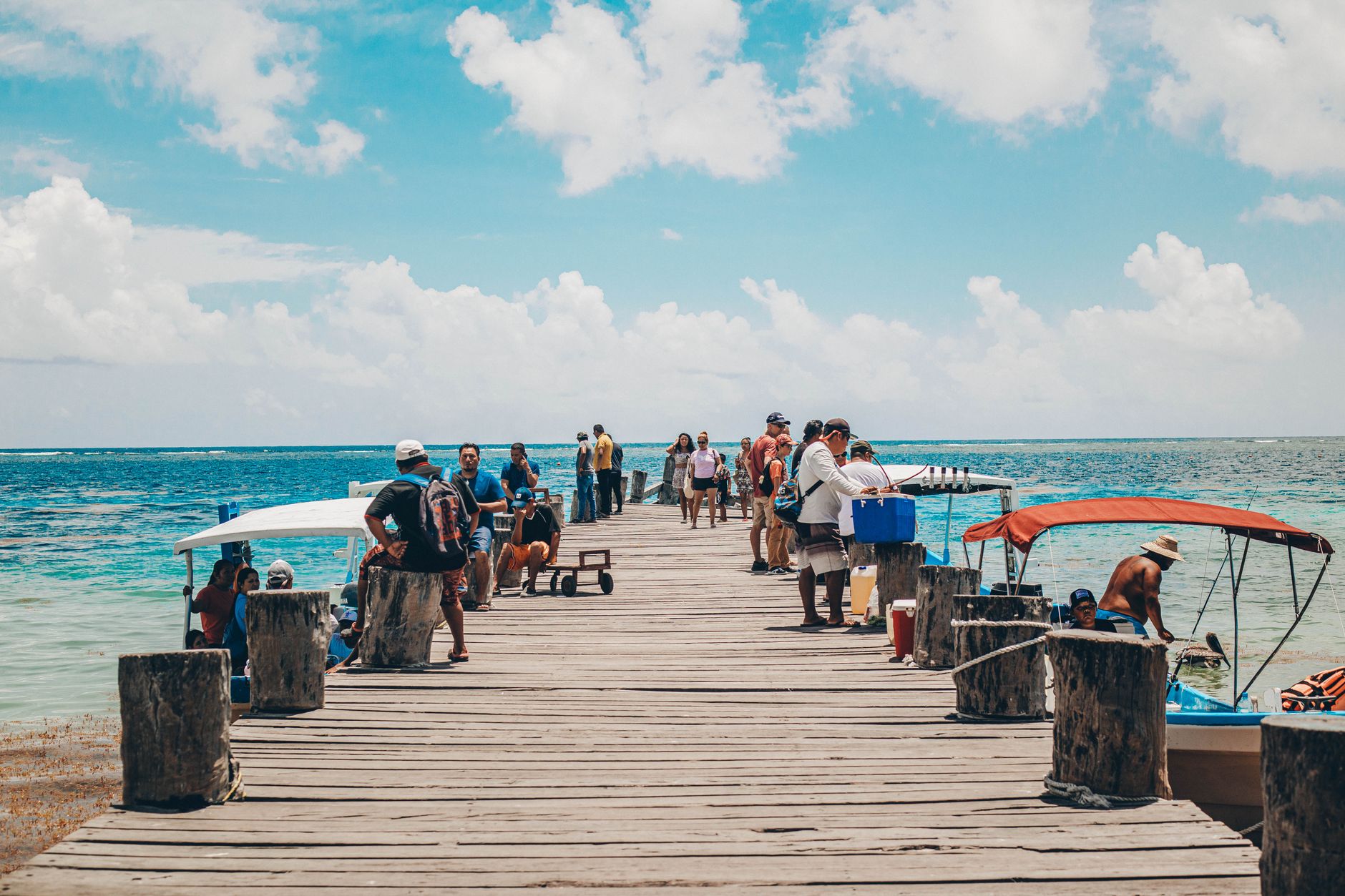
People who come back tend to time their return for September or October — statistically drier than the calendar suggests, and noticeably quieter than the high-season crowd. They'll tell you to take the water taxi to Bastimentos rather than staying put in Bocas Town, and to spend at least one evening on the terrace at El Pirata watching the light change over the neighboring islands.
How Bocas del Toro came to be
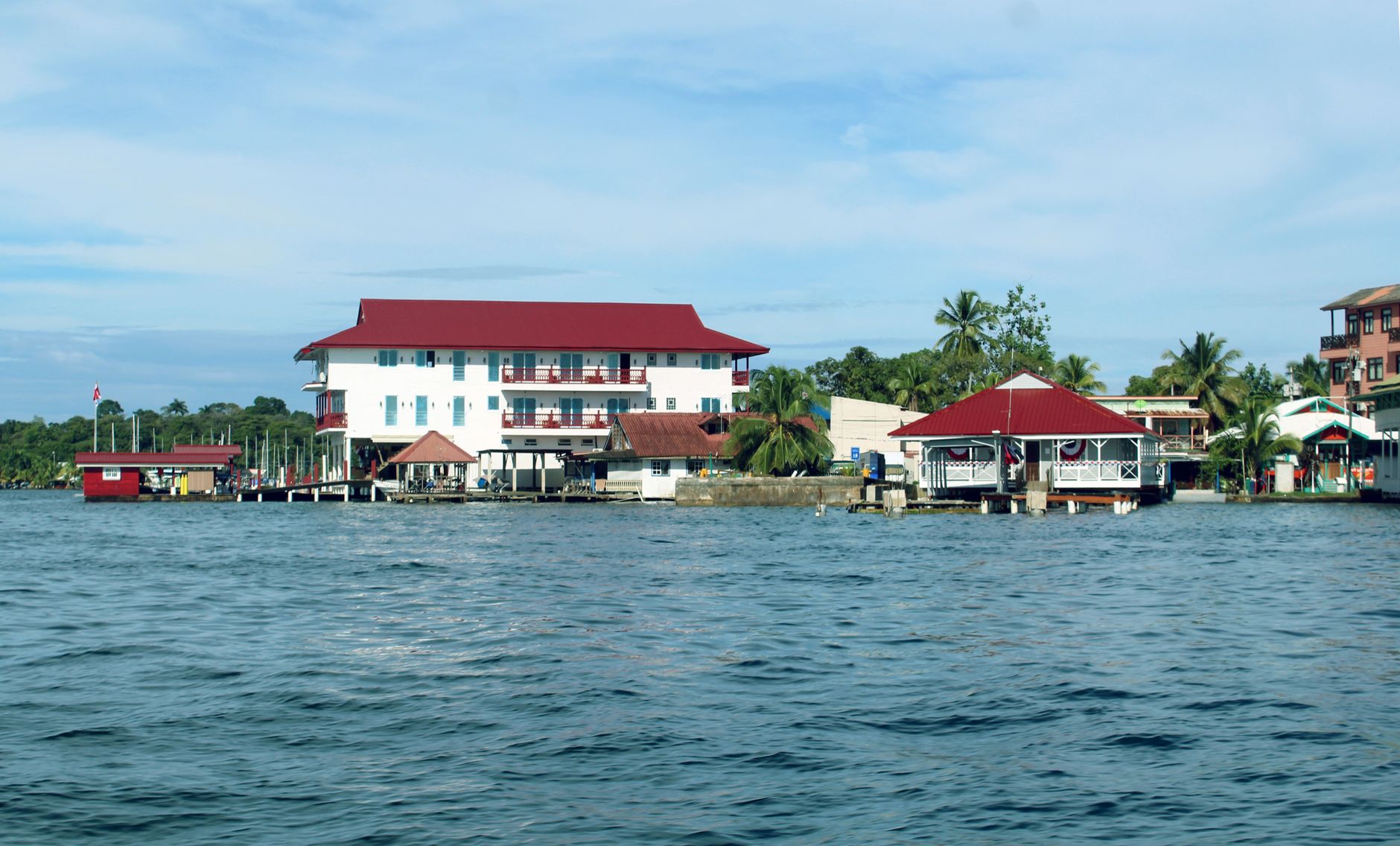
Columbus anchored here on 6 October 1502, the final voyage of his life, but sustained settlement came much later. The town of Bocas del Toro was founded in 1826 by African immigrants and twice burned to the ground in the early 1900s before being rebuilt in the timber-frame Caribbean style still visible along the waterfront today.
The real engine of the region's modern identity was the banana trade. In 1890, the Snyder Brothers Banana Company began operations here; by 1899 the United Fruit Company had absorbed it, and the opening of the Panama Canal in 1914 sent exports — and the local economy — surging. The Municipal Palace and Central Park, both built in 1904, still stand. Bocas became its own province in November 1903, separating from Colón as the banana boom reshaped the entire Caribbean coast.
Who and what shaped it
Landmark buildings
See Bocas del Toro in motion
Plan your visit
On the map
When to go
The province runs on an equatorial rhythm with no true dry season — annual rainfall tops 2,700 mm — but January through mid-April is the driest and most reliably sunny stretch. February and March are the calmest months; November is the wettest, with rain on roughly two-thirds of its days. Locals also swear by September and October, which are sunnier than their reputation.
Right now
Background & history adapted from Wikipedia (CC BY-SA) · specs from Wikidata (CC0) · weather from Open-Meteo · map data © OpenStreetMap contributors · photos from Wikimedia Commons / Unsplash with per-image credit. No third-party reviews or social posts reproduced.