
Bioluminescent Bay, Vieques (Mosquito Bay)
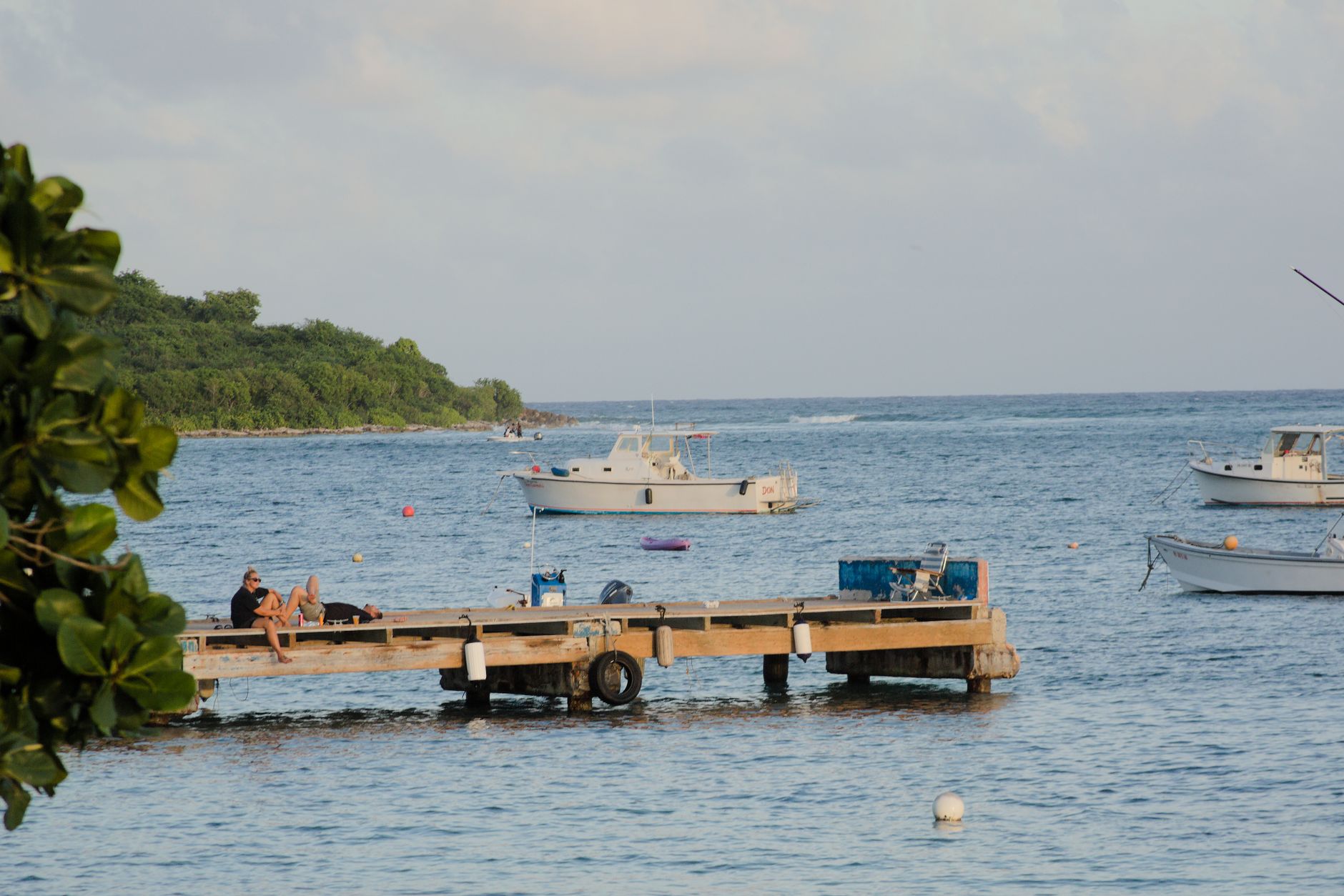

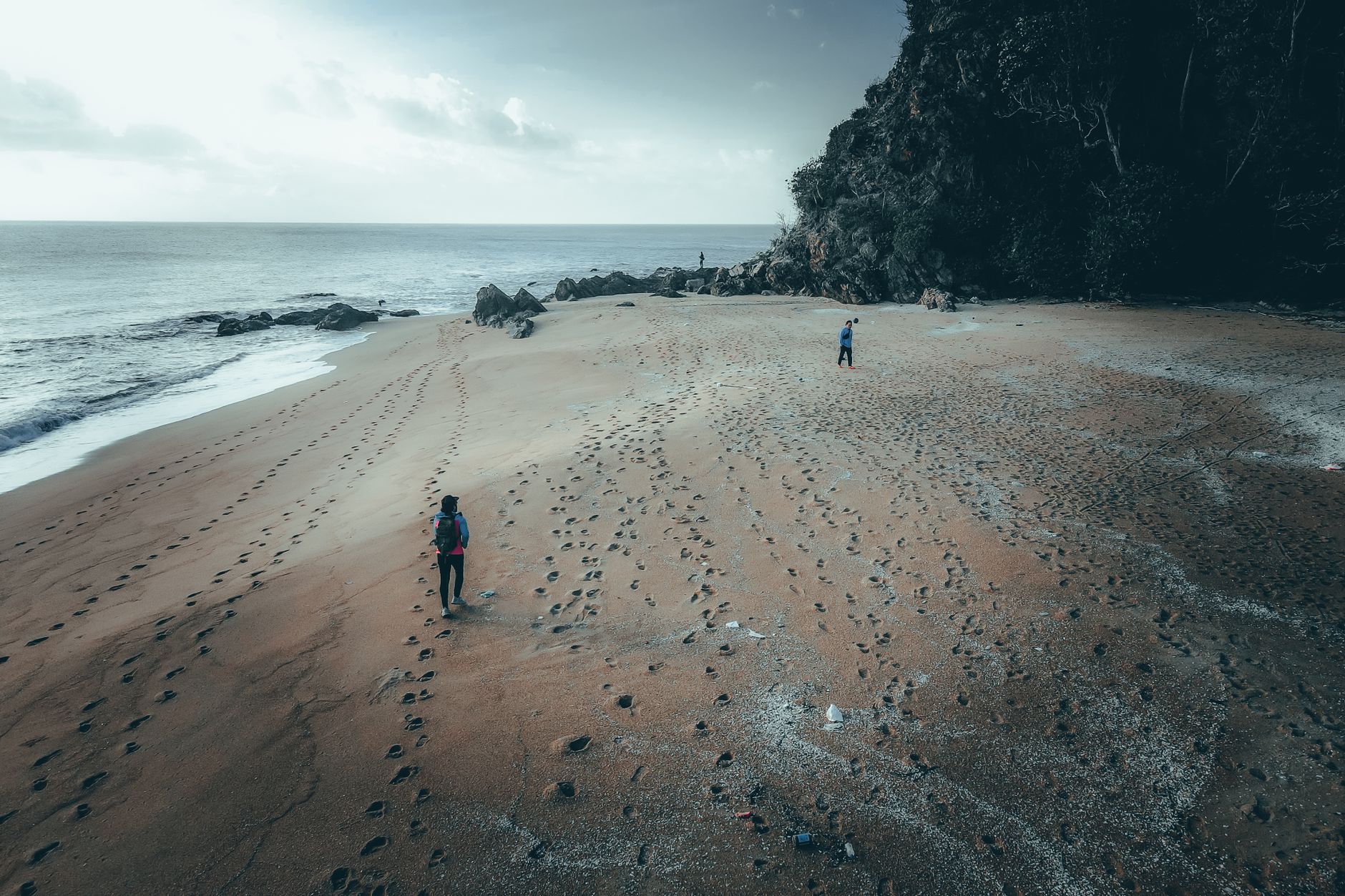

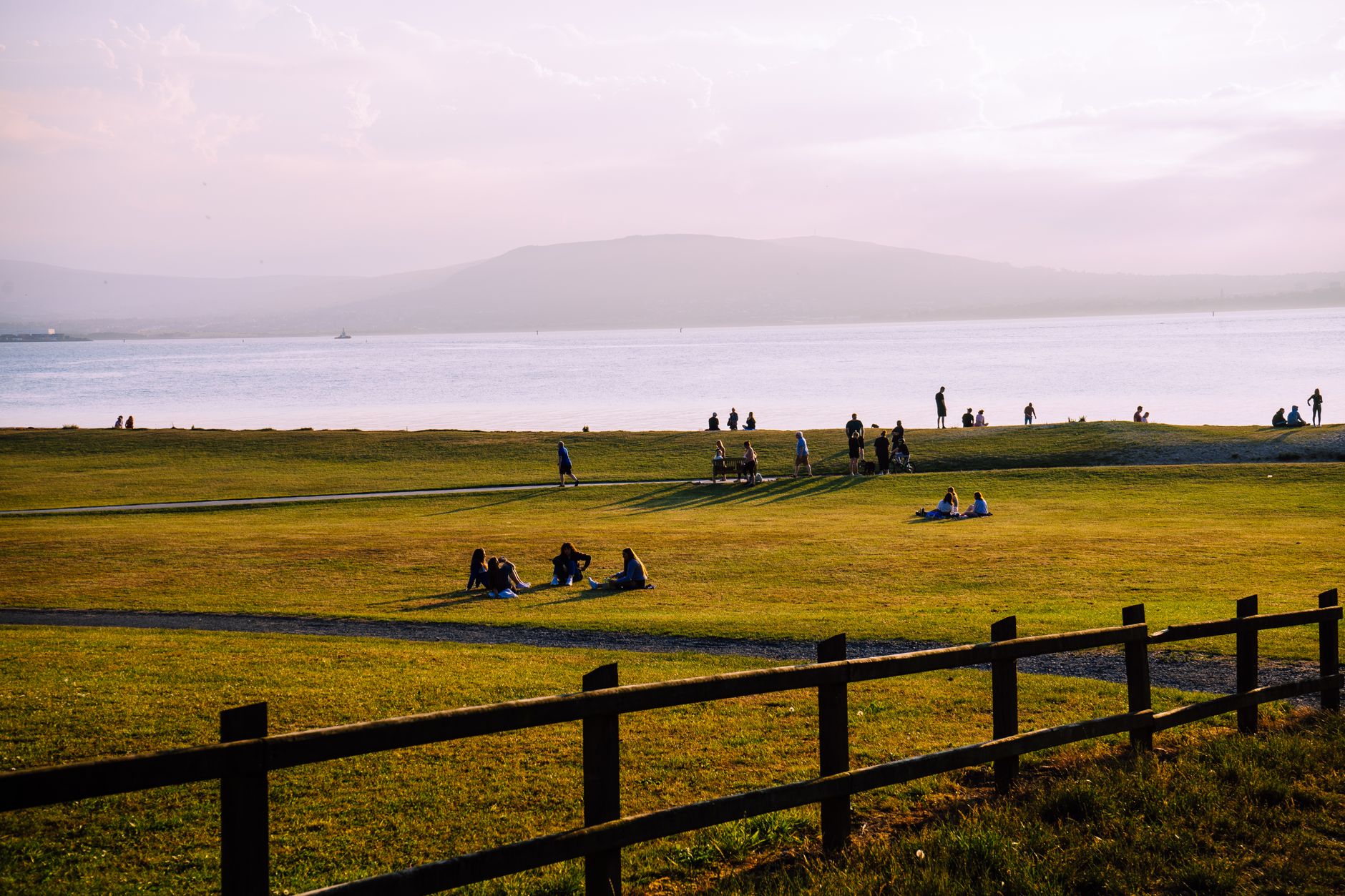

The water here moves like liquid fire. Dip a paddle into Mosquito Bay after dark and the dinoflagellates — single-celled organisms that have lived in this sheltered lagoon for millennia — flash blue-green around every stroke. Guinness recognized it as the brightest bioluminescent bay on earth, and the mangrove forest ringing the shore is a large part of why: those roots trap the nutrients that feed the organisms year-round.
Access is tightly managed. You arrive by kayak or electric boat with a licensed guide, never alone, and swimming is prohibited. The small fishing village of Esperanza, on Vieques's southern coast, is where tours depart and where you'll spend the night — there is no same-day return to the main island.
💛 What travellers fall for
People who've done the tour more than once tend to agree on one thing: book around the new moon, not just the dry season. Tour guide Sharon Grasso will tell you the glow is year-round, but on a moonless night in January the contrast between dark water and blue-green light is genuinely different. Reserve two to three weeks out if you're coming over spring break.
How Bioluminescent Bay, Vieques (Mosquito Bay) came to be
Spanish colonizers recorded the phenomenon in the 17th century, calling it Bahía Fosforescente. The bay's modern name is said to come from the pirate Roberto Cofresí, whose ship was called El Mosquito — a detail that gives the place a more swashbuckling lineage than most protected nature reserves can claim.
In 1980 the bay was designated a National Natural Landmark. The surrounding mangrove forest and water are now protected within the Vieques Bioluminescent Bay Natural Reserve. Hurricane Maria tested all of that: the dinoflagellate population crashed, and tour operator Abe Velasquez — who lost his own home in the storm — halted bay tours for nearly nine months. The bay recovered, and by most accounts came back brighter than before.
Who and what shaped it
People who shaped it
Landmark buildings
See Bioluminescent Bay, Vieques (Mosquito Bay) in motion
Plan your visit
On the map
When to go
December through April brings the driest, calmest conditions and the clearest skies, though this is also peak season. May through October is rainier and quieter; warmer water temperatures during those months actually intensify dinoflagellate activity, so the glow can be stronger — moon phase, though, matters more than any season.
Right now
Background & history adapted from Wikipedia (CC BY-SA) · specs from Wikidata (CC0) · weather from Open-Meteo · map data © OpenStreetMap contributors · photos from Wikimedia Commons / Unsplash with per-image credit. No third-party reviews or social posts reproduced.