
Bacharach
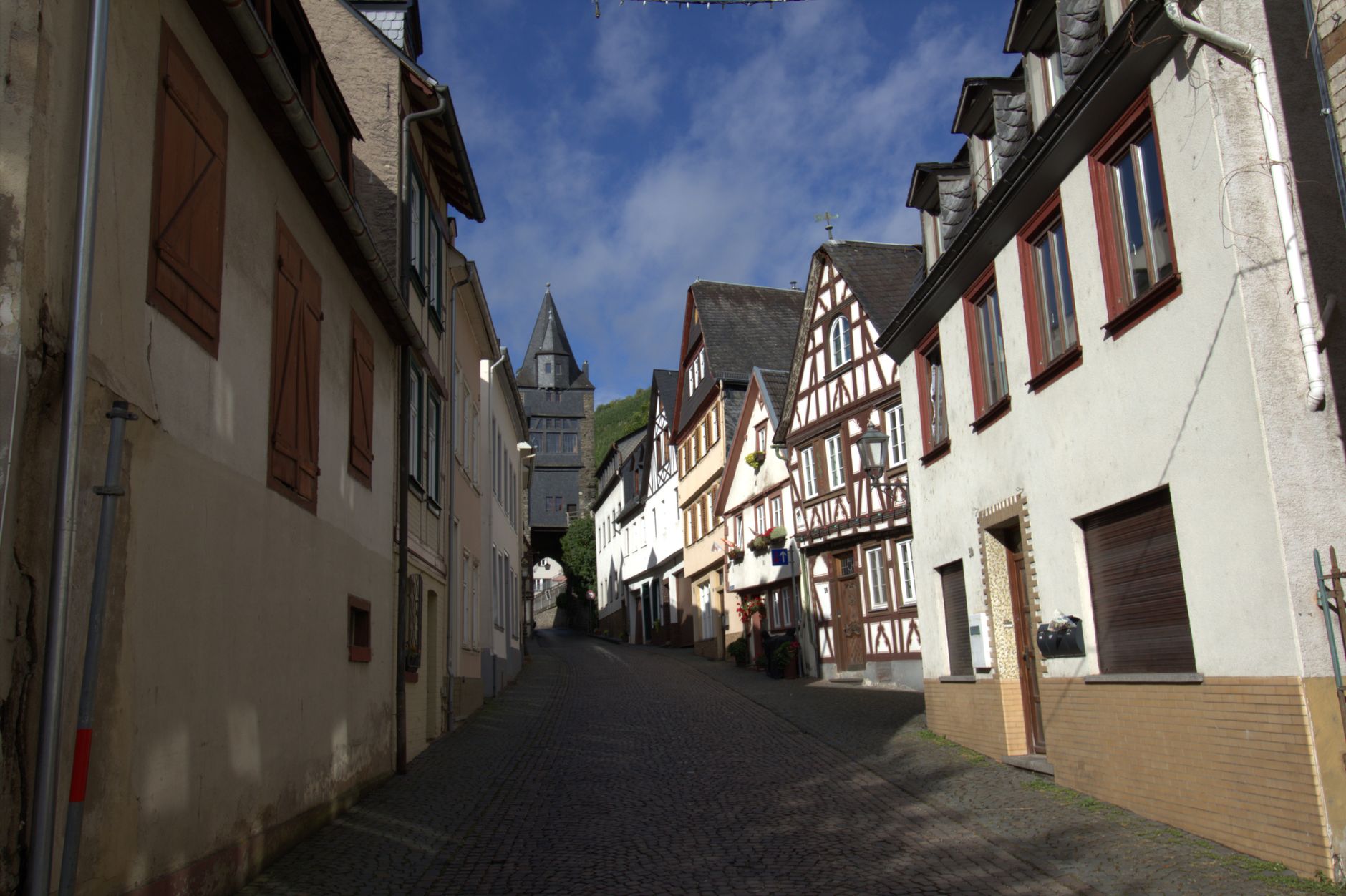
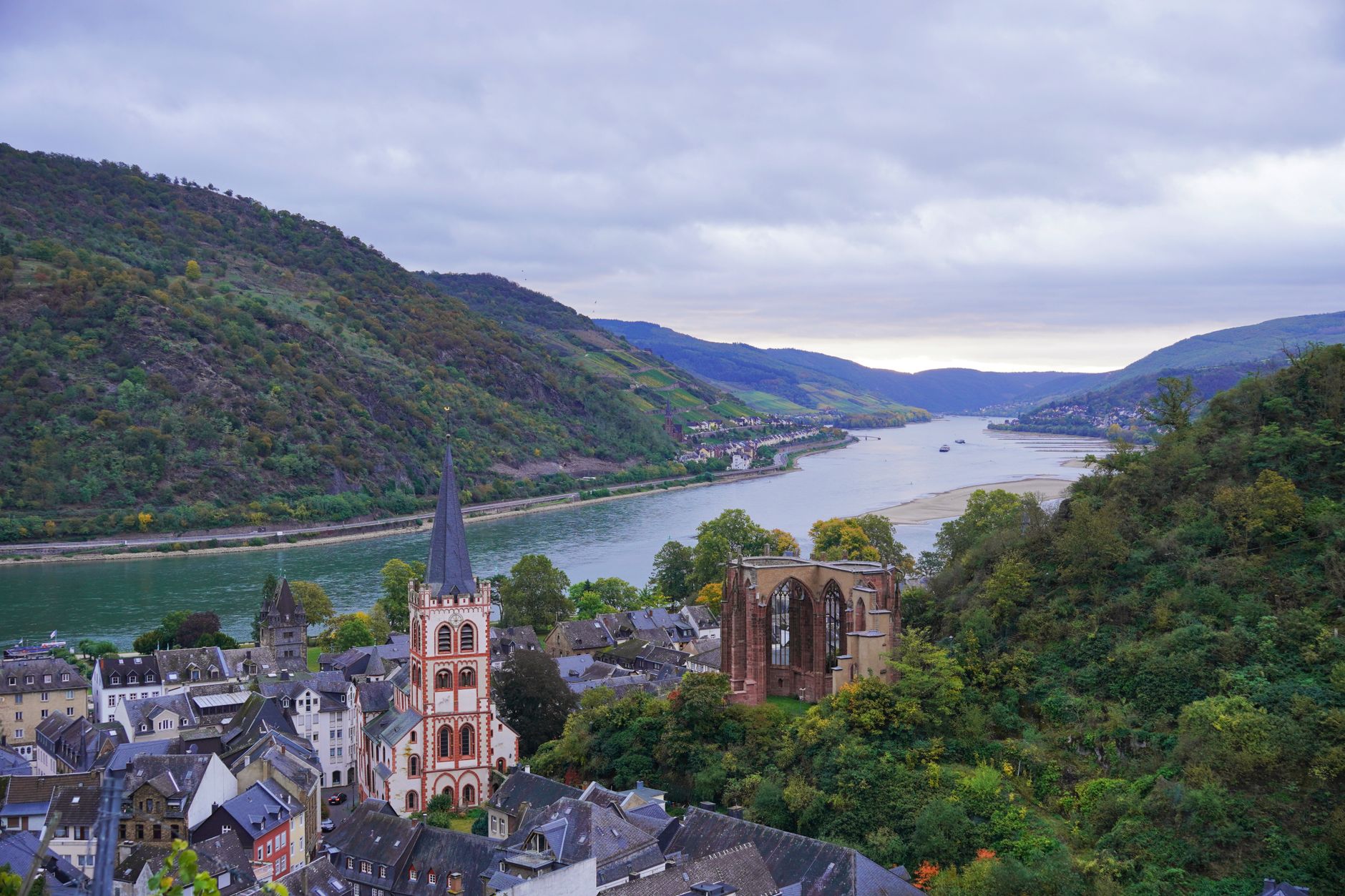
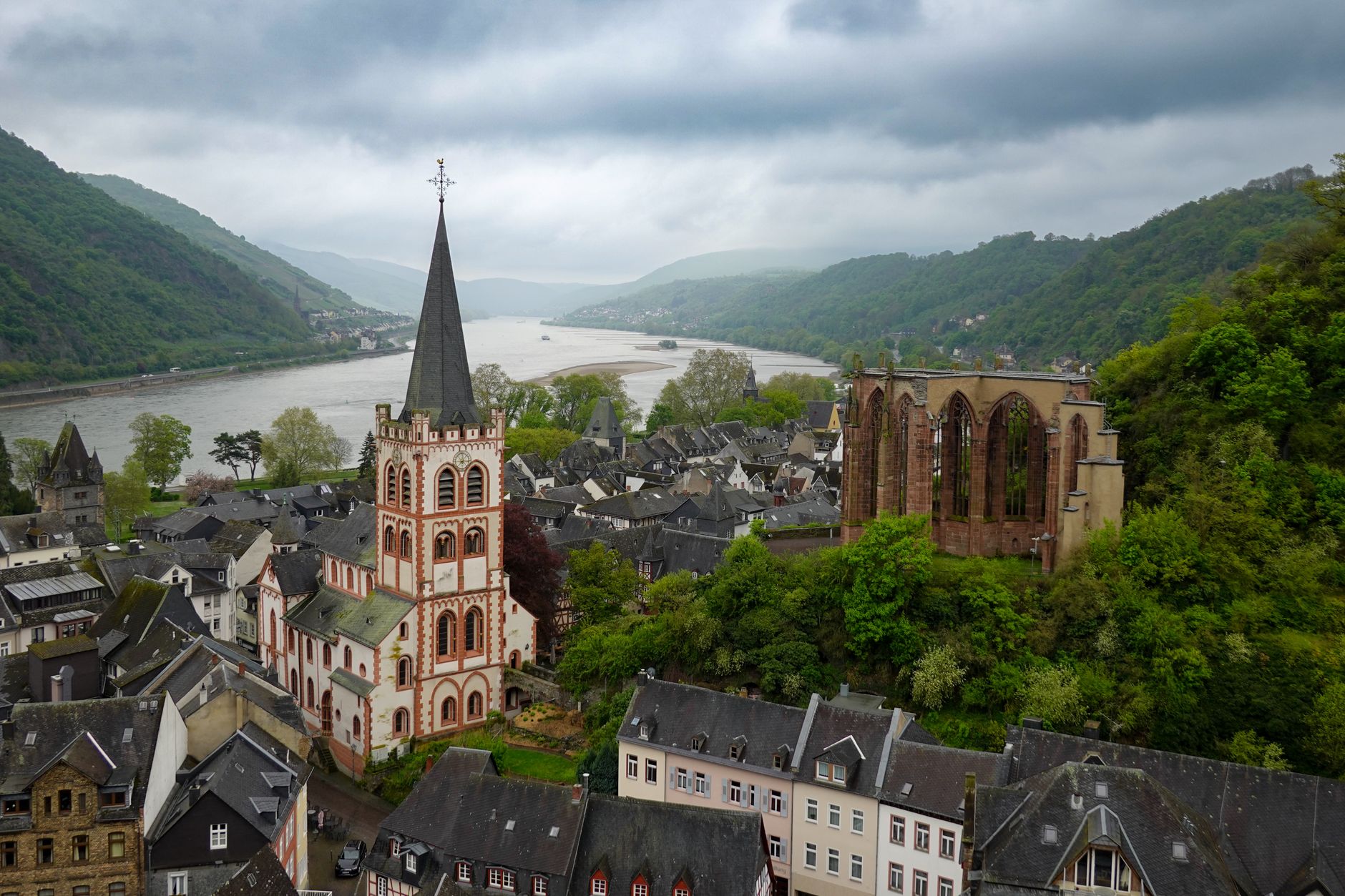
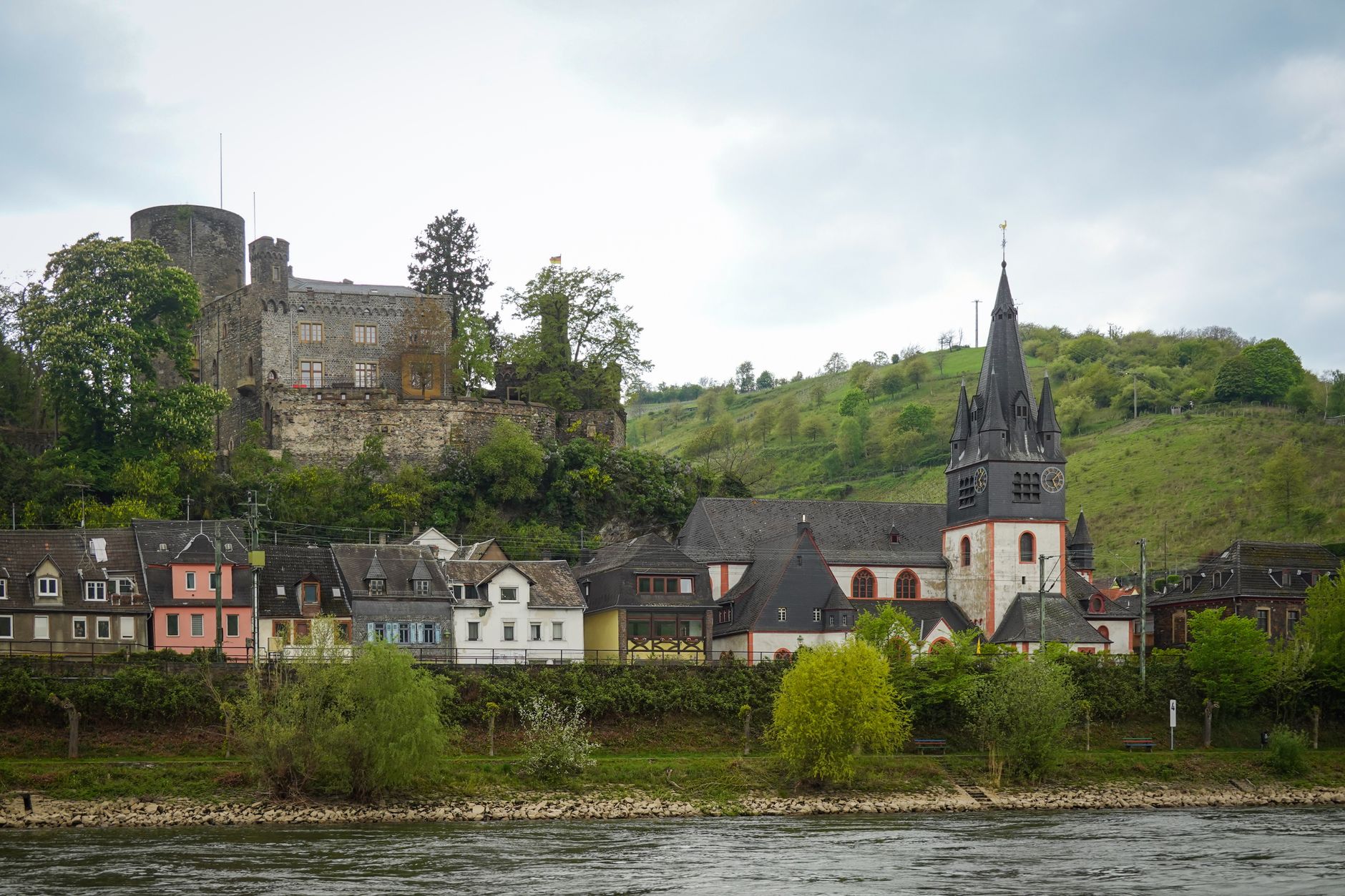
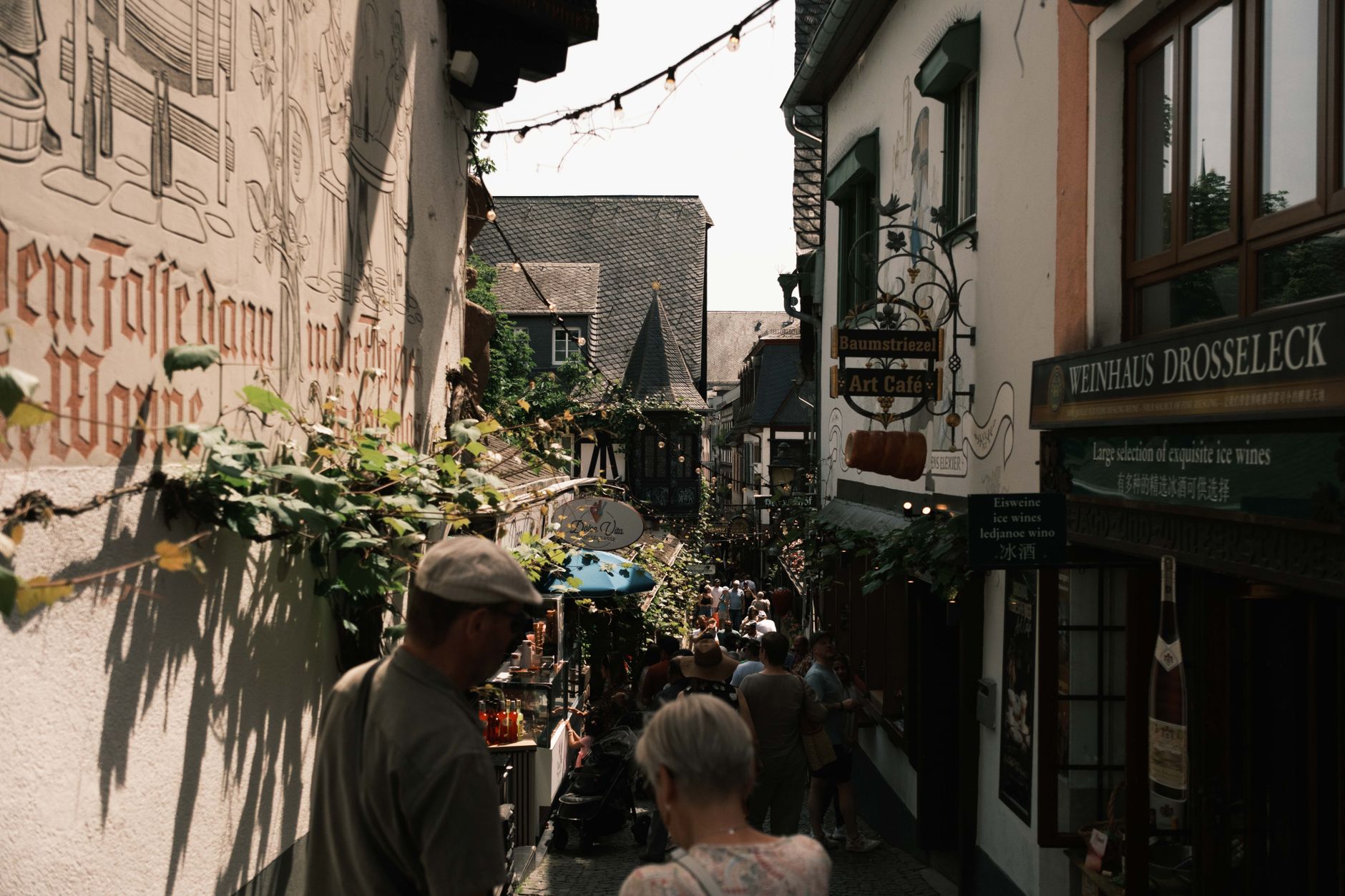
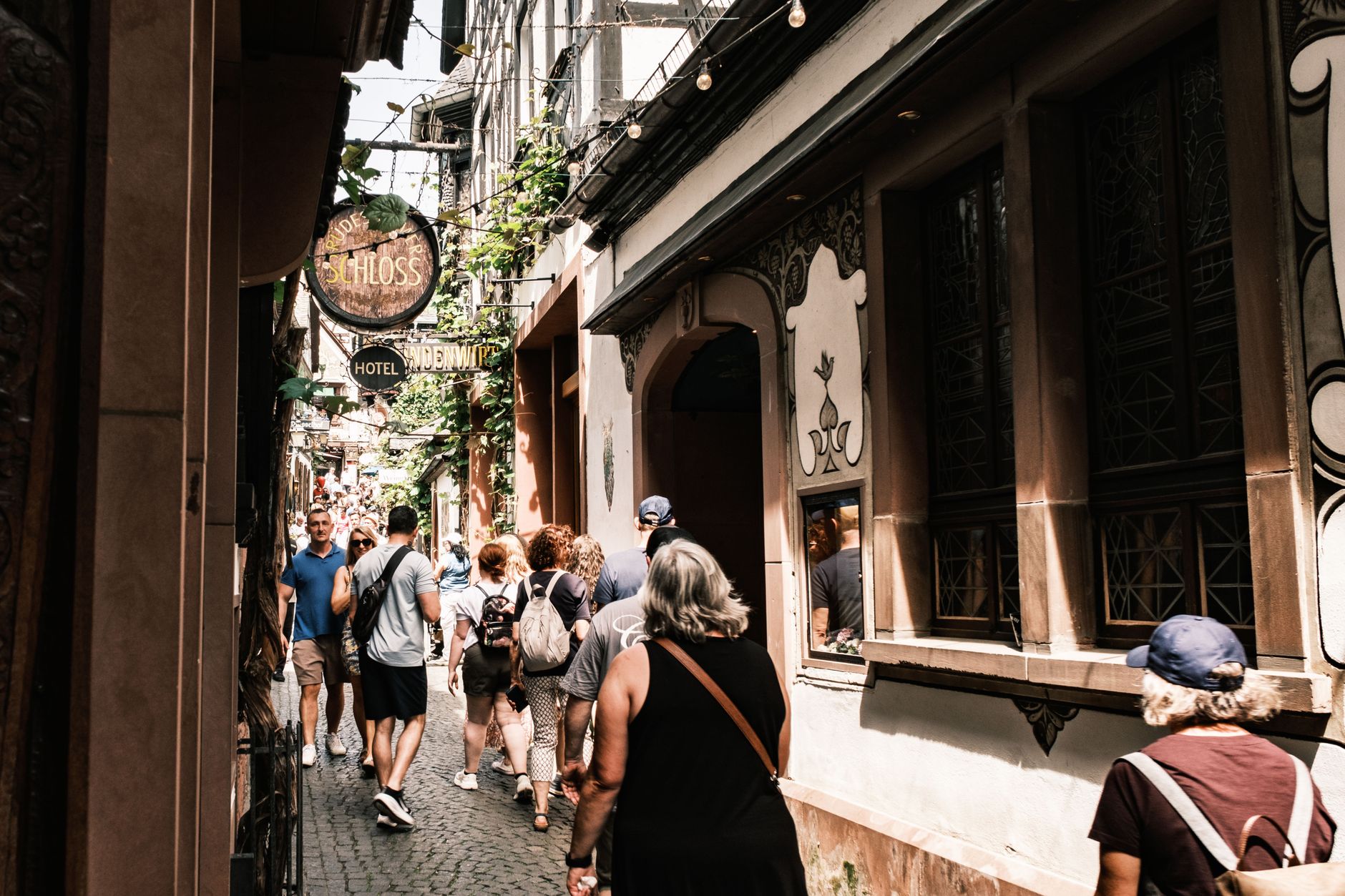
The name Bacharach may trace back to a Celtic altar to Bacchus, and the town has been making the most of that association ever since. For centuries, wine barrels from upstream vineyards were offloaded here — the Binger Loch rapids downriver made the transfer necessary — and the whole medieval economy of the place grew around that pause in the journey. The town wall, completed in 1400, still rings the hillside above the Rhine, and the half-timbered houses along Oberstrasse were built mostly before the 16th century.
Today Bacharach is a small town of a few thousand people — a fraction of its medieval peak of 6,000 — that the 21st century has largely left alone. You can walk its main street end to end in fifteen minutes, which is part of the point.
💛 What travellers fall for
People who come back tend to mention the same few things: arriving by boat rather than train, which lands you at the waterfront instead of a ten-minute walk away; eating early at Altes Haus before the kitchen closes; and climbing to the Postenturm at dusk, when the vineyard rows catch the last light and the river goes silver below.
Experiences you don't want to miss


Deals in Bacharach
Book directly at the provider
How Bacharach came to be
Bacharach turns up in the written record in 923 AD, though the site had been settled long before, with Celtic roots and a name that likely honoured Bacchus. Its medieval prosperity was built on logistics: the shallows at the Binger Loch forced a cargo transfer here, and the town grew wealthy managing that break in the Rhine trade route. In 1214 the Wittelsbachs took lordship, and by the 15th century the population had reached 6,000.
The 17th century undid much of it — plague, fire, and the religious wars stripped the town back. French forces destroyed Burg Stahleck in 1689. After the Congress of Vienna in 1815 Bacharach passed to Prussia, its harbour silted up, and it slipped into a long quiet. The Rhine Romanticism movement brought Victor Hugo, Heinrich Heine, and J.M.W. Turner through; the castle was rebuilt as a youth hostel in the 1920s. In 2002 the town became part of the UNESCO-listed Middle Rhine Valley.
Who and what shaped it
People who shaped it
Landmark buildings
See Bacharach in motion
Plan your visit
On the map
When to go
Summer is the easiest time to visit — July averages a high of 25°C with nearly eight hours of daily sunshine, and the vineyard slopes above town are in full green. Spring and autumn are cooler but less crowded, and the low riverside light in October suits the stone and timber particularly well.
Right now
Background & history adapted from Wikipedia (CC BY-SA) · specs from Wikidata (CC0) · weather from Open-Meteo · map data © OpenStreetMap contributors · photos from Wikimedia Commons / Unsplash with per-image credit. No third-party reviews or social posts reproduced.