
Ávila
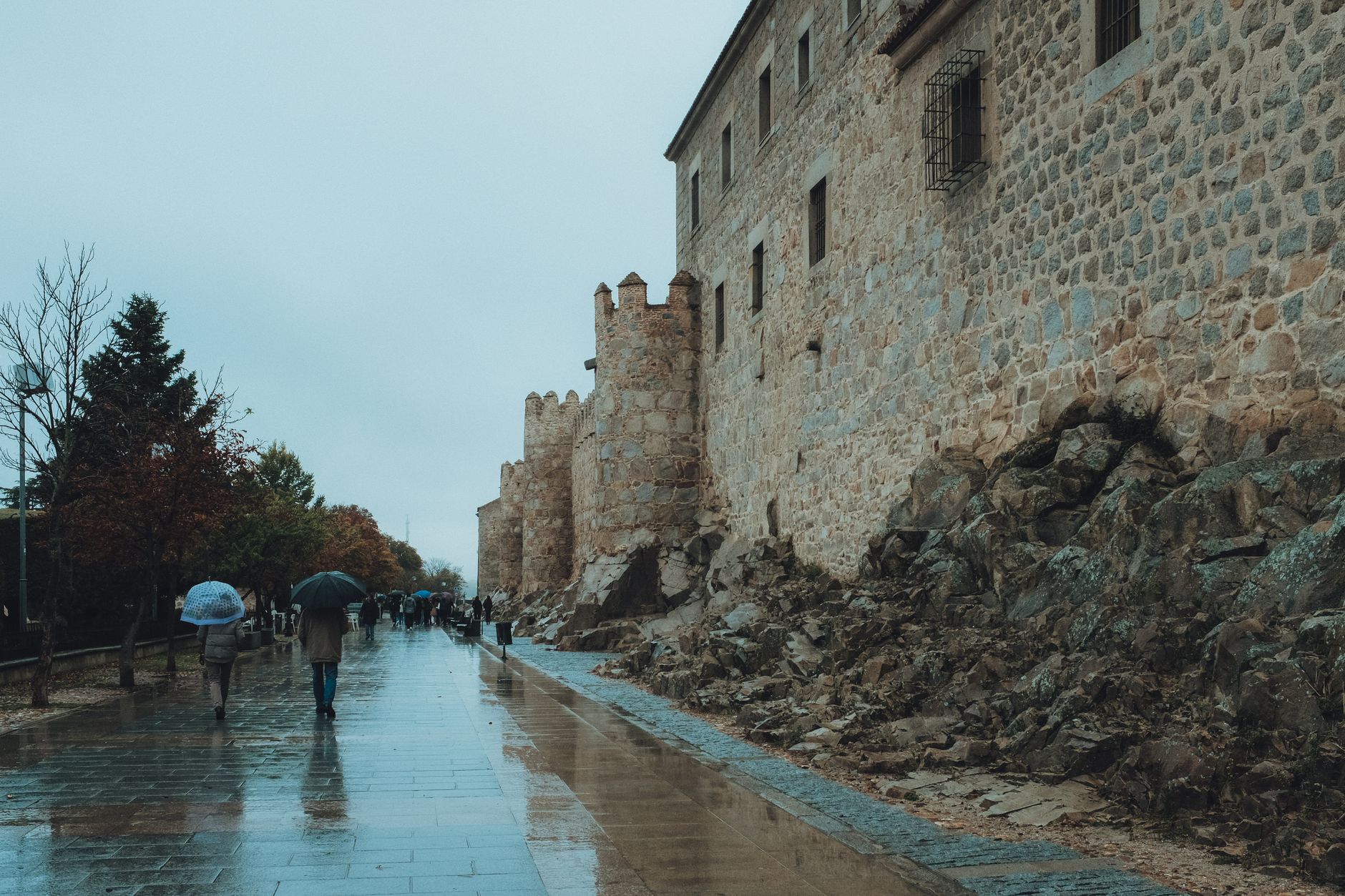
Stand outside Ávila at dusk and watch the walls turn gold under their floodlights — all 2,516 metres of them, 88 towers, 2,500 merlons, still largely intact after nine centuries. This is a city that was built to hold a line, and it still looks the part.
At 1,130 metres above sea level on the Castilian meseta, Ávila is cold in ways that surprise people who arrive from Madrid in summer linen. The cathedral's apse is embedded directly into the wall itself, as if the builders couldn't decide between prayer and defence and simply chose both. That kind of compressed intensity runs through everything here.
💛 What travellers fall for
People who come back tend to mention the Cuatro Postes, the four stone columns on the road out of town — go there just before the walls are lit at twilight. They also mention yemas de Ávila, the egg-yolk sweets sold at the convents; buy them from the nuns at Santa Teresa, not from the tourist shops.
Experiences you don't want to miss



Deals in Ávila
Book directly at the provider

How Ávila came to be
The site was already old when the Romans arrived — the Vettones had settled here by the 5th century BC, calling it Obila. After centuries of Roman and then Moorish control, Alfonso VI took the city back in 1085 and handed it to his son-in-law Count Raymond of Burgundy to fortify and repopulate. The walls went up from around 1090, and the cathedral followed shortly after — the first Gothic church in Spain, its apse doubling as a fortress tower.
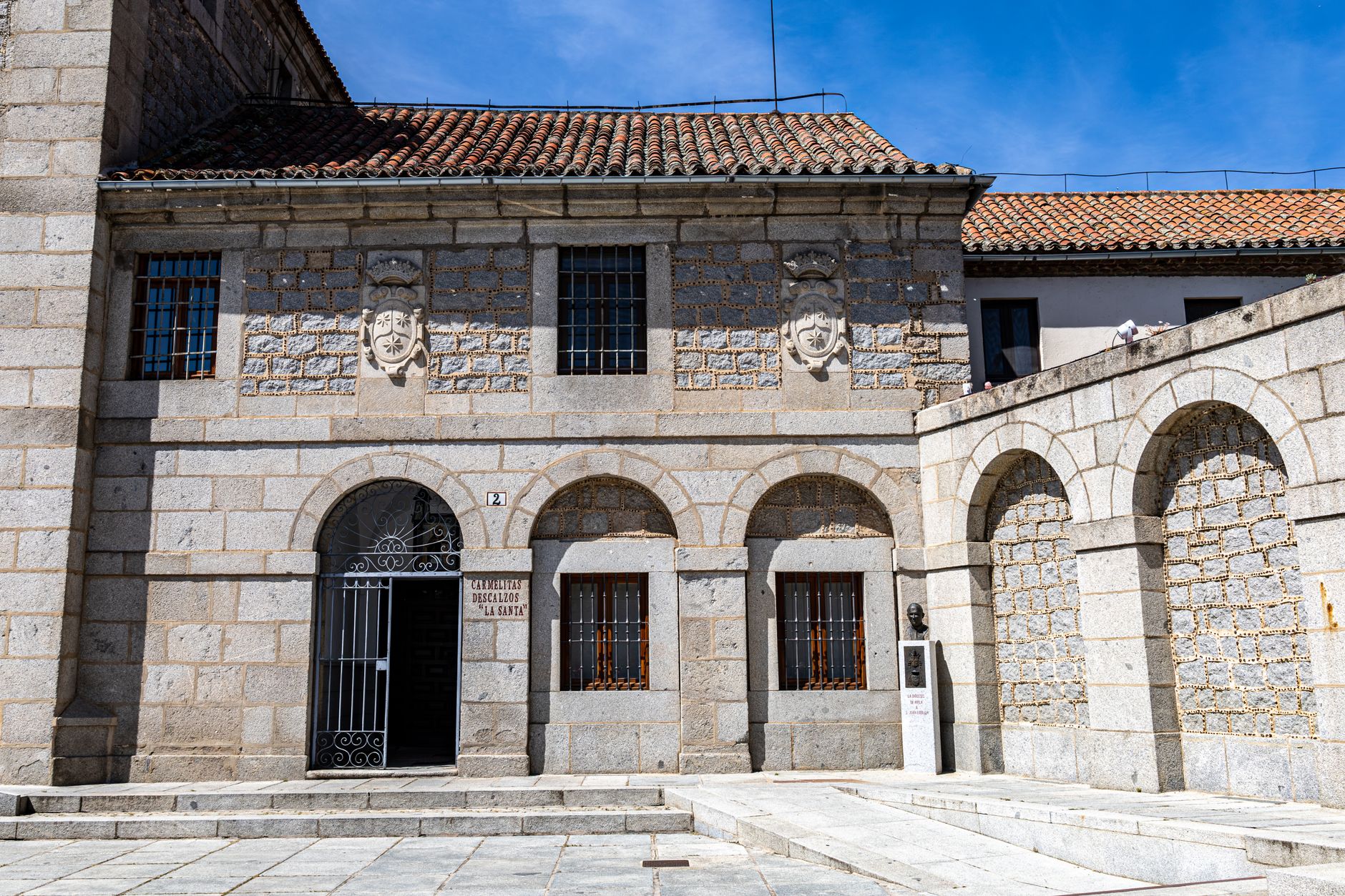
Ávila's other defining presence arrived in 1515: Teresa de Cepeda y Ahumada, later Saint Teresa of Ávila, was born here, reformed the Carmelite order from here, and left a city still shaped by her. The Monastery of Santo Tomás, finished in 1492 under Ferdinand and Isabella, holds the tomb of their only son. Tomás de Torquemada, the Grand Inquisitor, died within its walls in 1498.
Who and what shaped it
People who shaped it
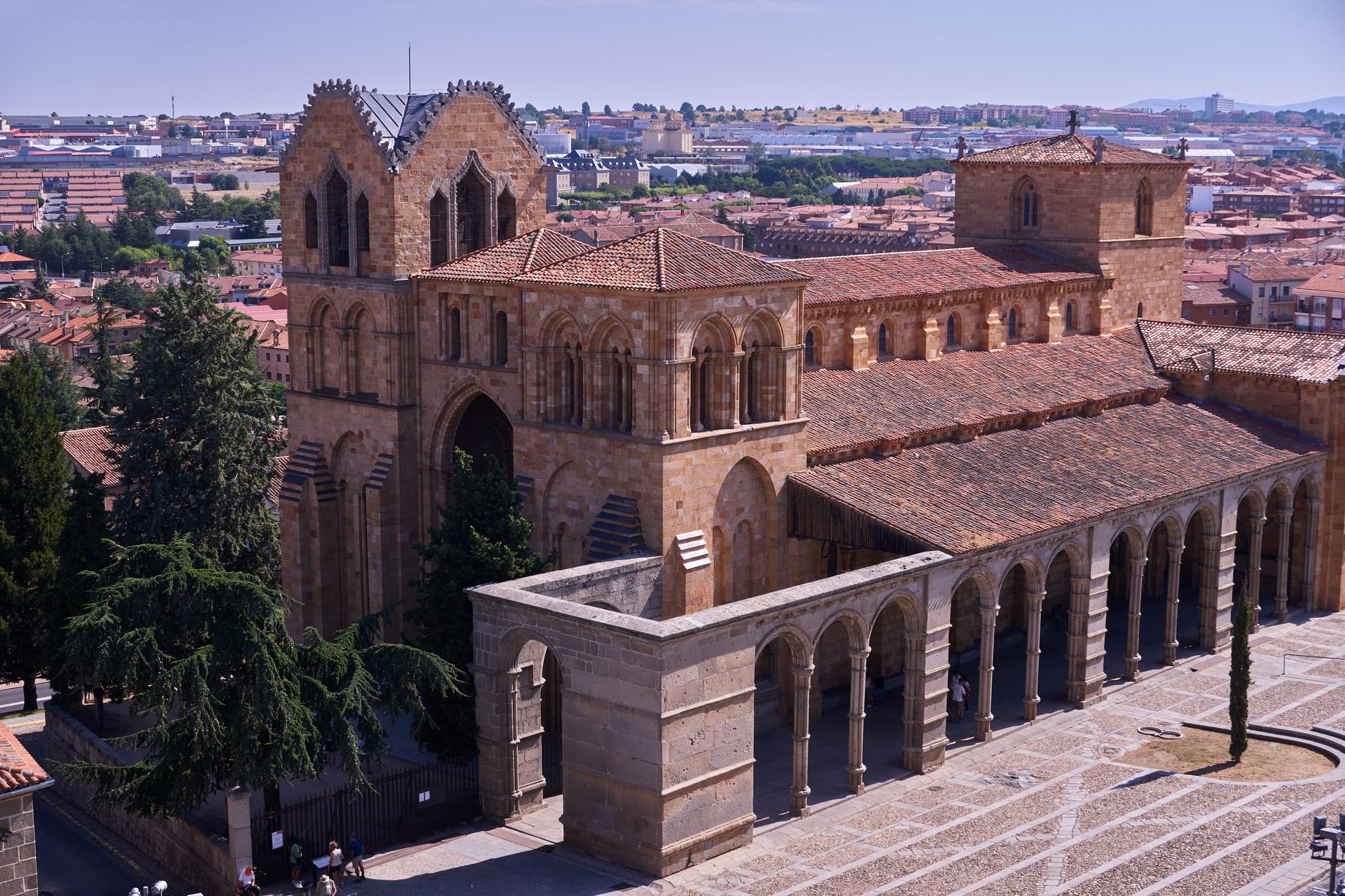
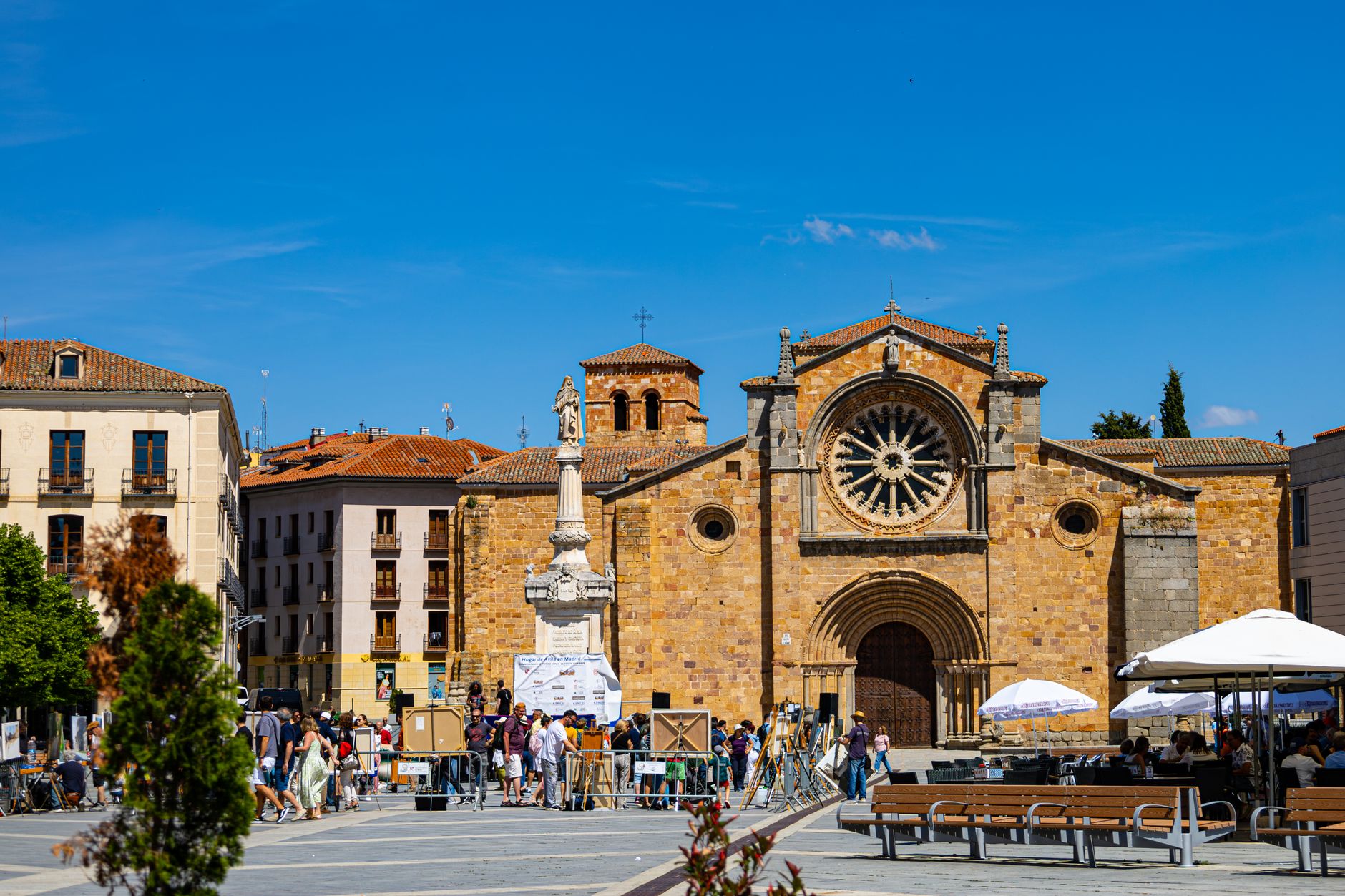
Landmark buildings
See Ávila in motion
Plan your visit
On the map
When to go
Ávila sits high on the meseta and earns its reputation: summers are warm but short, and the evenings cool quickly even in July. From November through March expect hard frosts and occasional snow — pack accordingly, and know that the walls are icier than they look.
Right now
Background & history adapted from Wikipedia (CC BY-SA) · specs from Wikidata (CC0) · weather from Open-Meteo · map data © OpenStreetMap contributors · photos from Wikimedia Commons / Unsplash with per-image credit. No third-party reviews or social posts reproduced.