
Avallon
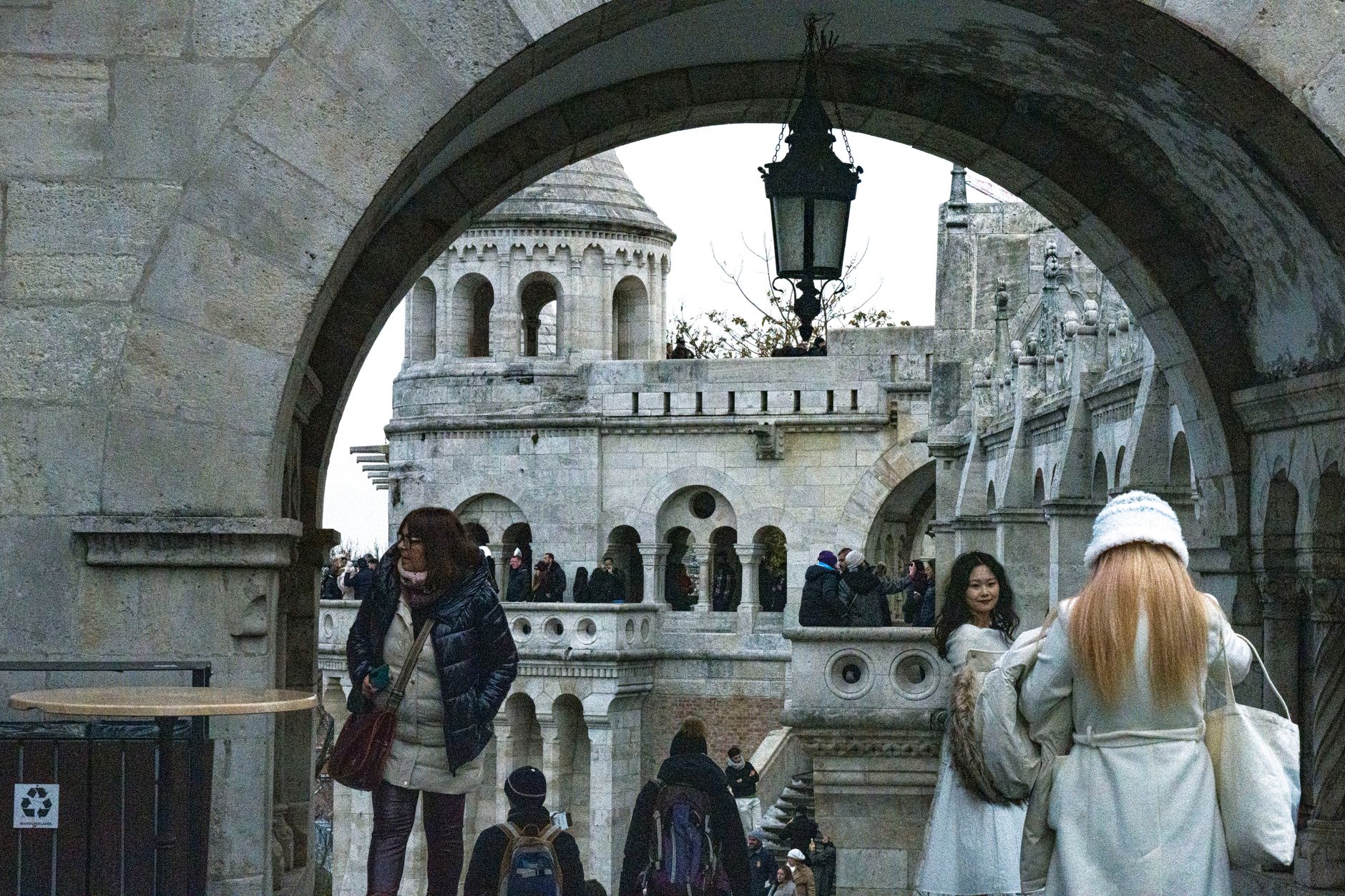
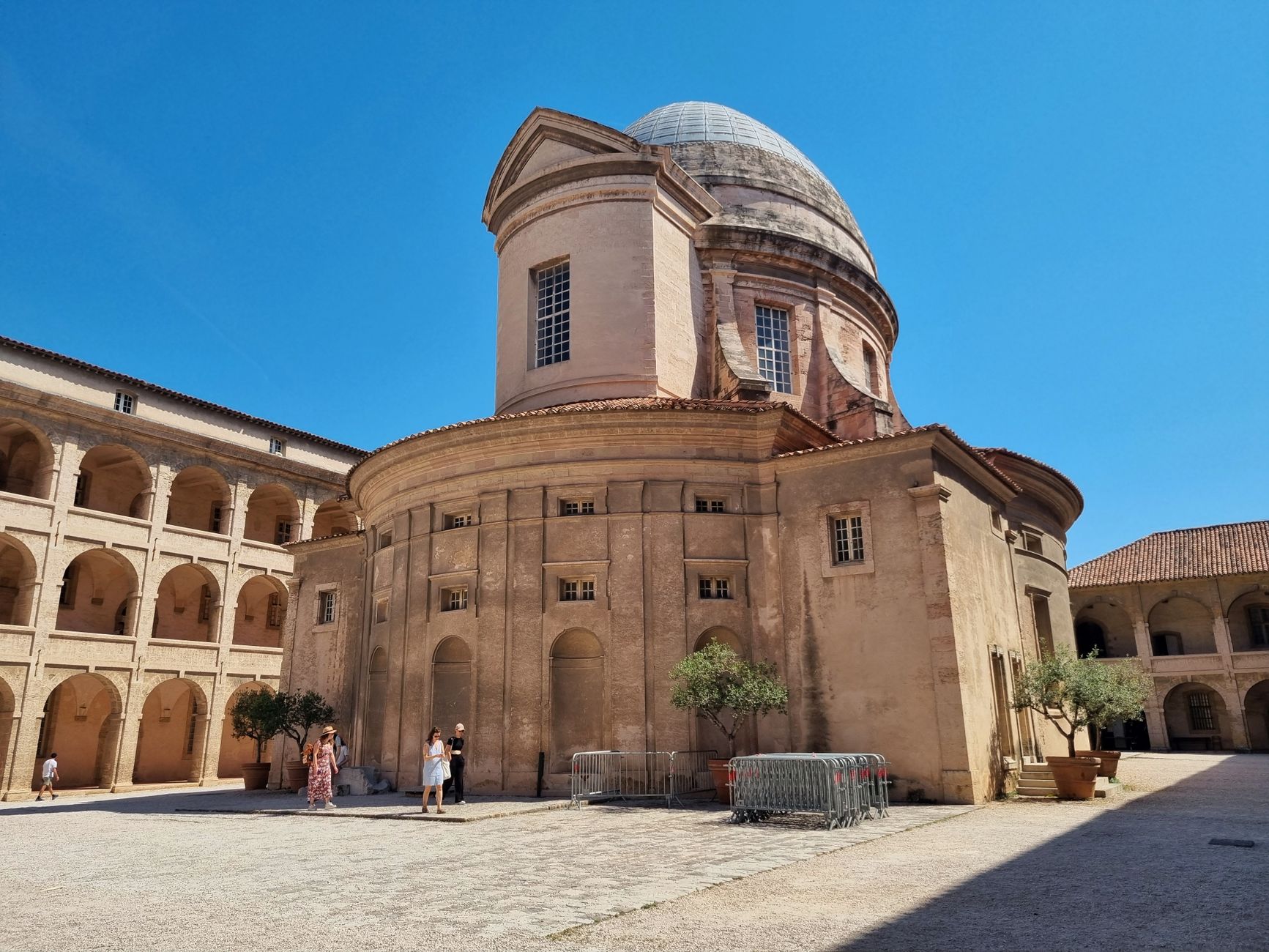
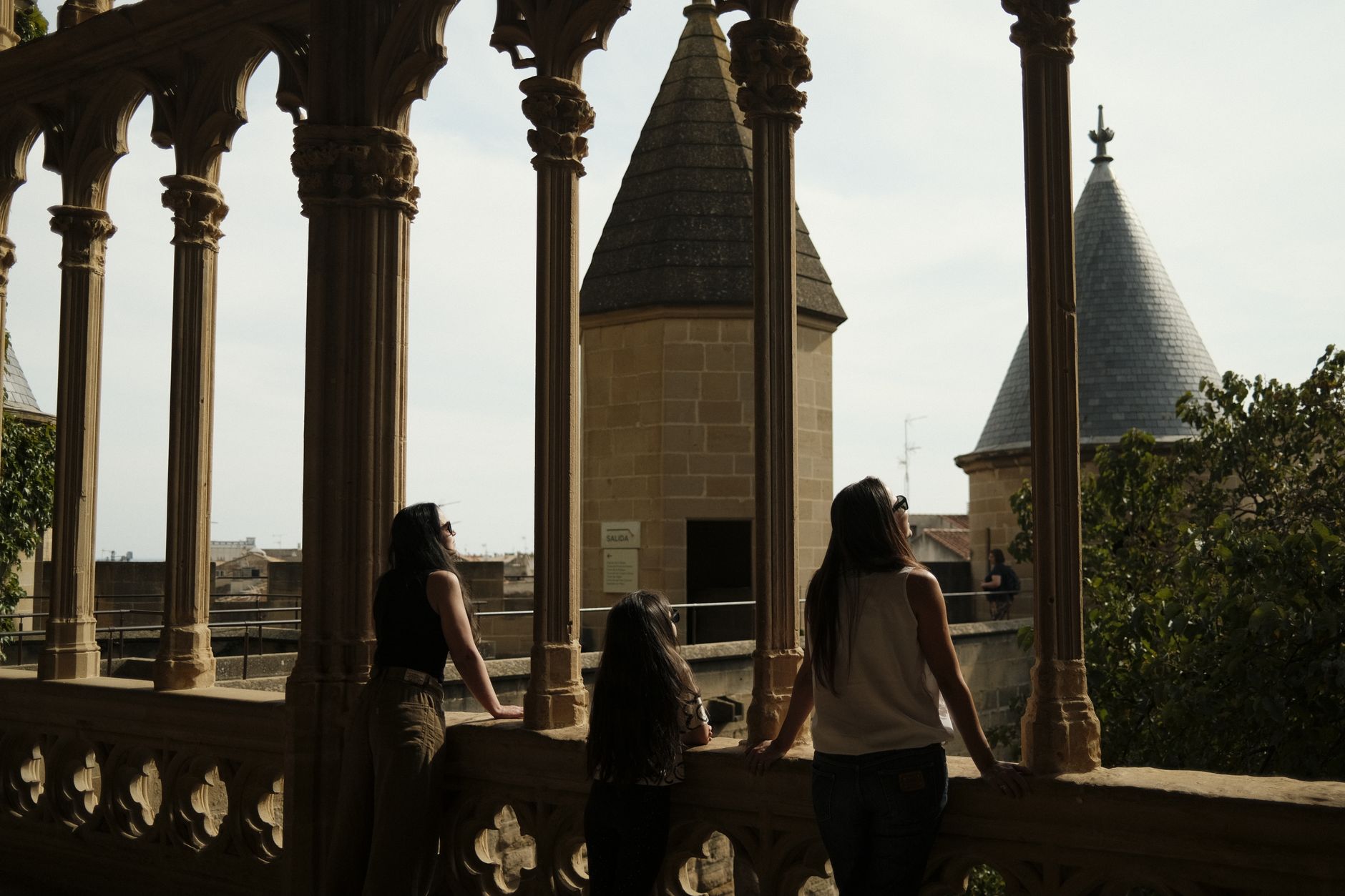
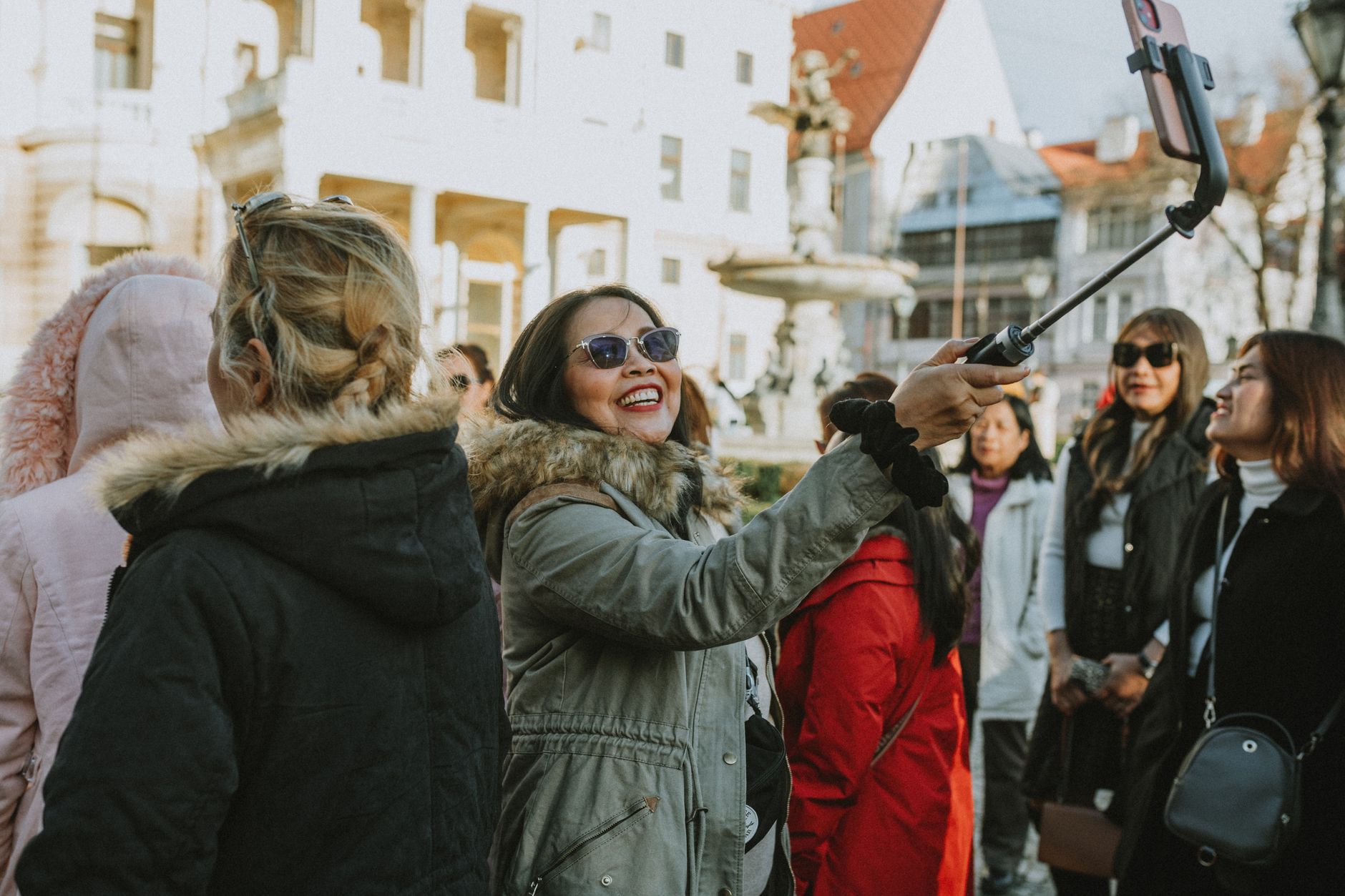
Avallon sits on a granite spur above the Cousin valley, its old ramparts still tracing roughly half the circle they completed in the Middle Ages. The name goes back to a Gaulish word for apple tree, and the town has the same quality as a good piece of fruit — not showy, but solid and worth your time.
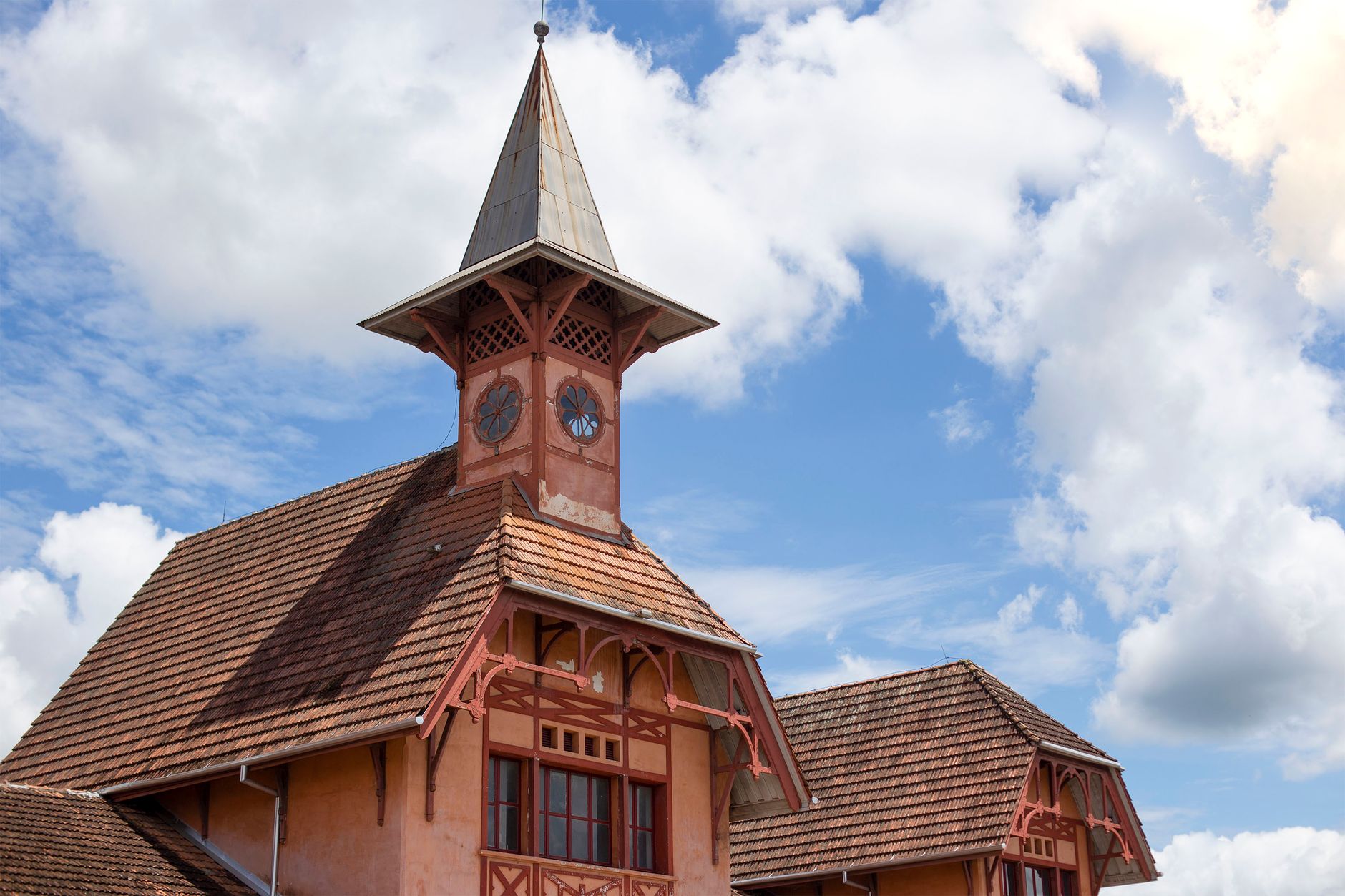
The medieval street plan is intact enough that you can walk from the clock tower to the Romanesque portals of Saint-Lazare in five minutes, pausing where the ground drops away at the walls and the valley opens below. It rewards slowness.
💛 What travellers fall for
People who come back tend to mention Saturday morning at the market on Place du Général de Gaulle — the 8am hour before it fills up, when the stalls are still being arranged. They also mention that the Musée de l'Avallonnais, tucked into its old mansion, is smaller than expected and better than expected.
Experiences you don't want to miss


Deals in Avallon
Book directly at the provider

How Avallon came to be
The Romans knew the site as Aballo, a staging post where couriers and soldiers could exchange horses on the road south. The Gaulish settlement predated them, named for the apple-tree goddess or the orchard itself, depending on which etymology you trust.
The town's medieval shape was fixed between the twelfth and fourteenth centuries, when the ramparts went up and the church of Saint-Lazare was rebuilt around a relic that changed its dedication entirely. In 1200, Duke Eudes III granted a communal charter, giving the townspeople a degree of self-governance and the right to hold markets. The Hundred Years' War tested the walls in 1433, when a mercenary captain named Jacques d'Espailly laid siege and bombarded them — and failed. When the Duchy of Burgundy passed to France in 1477, Avallon settled into a quieter century, until the religious wars of 1562 arrived.
Who and what shaped it
Landmark buildings
See Avallon in motion
Plan your visit
On the map
When to go
Summers are mild and partly cloudy, with July daytime highs around 26°C — warm enough for walking the ramparts without discomfort. Winters run cold and grey, with February days rarely climbing above 7°C, so unless you want the town nearly to yourself, aim for May through September.
Right now
Background & history adapted from Wikipedia (CC BY-SA) · specs from Wikidata (CC0) · weather from Open-Meteo · map data © OpenStreetMap contributors · photos from Wikimedia Commons / Unsplash with per-image credit. No third-party reviews or social posts reproduced.