
Autun

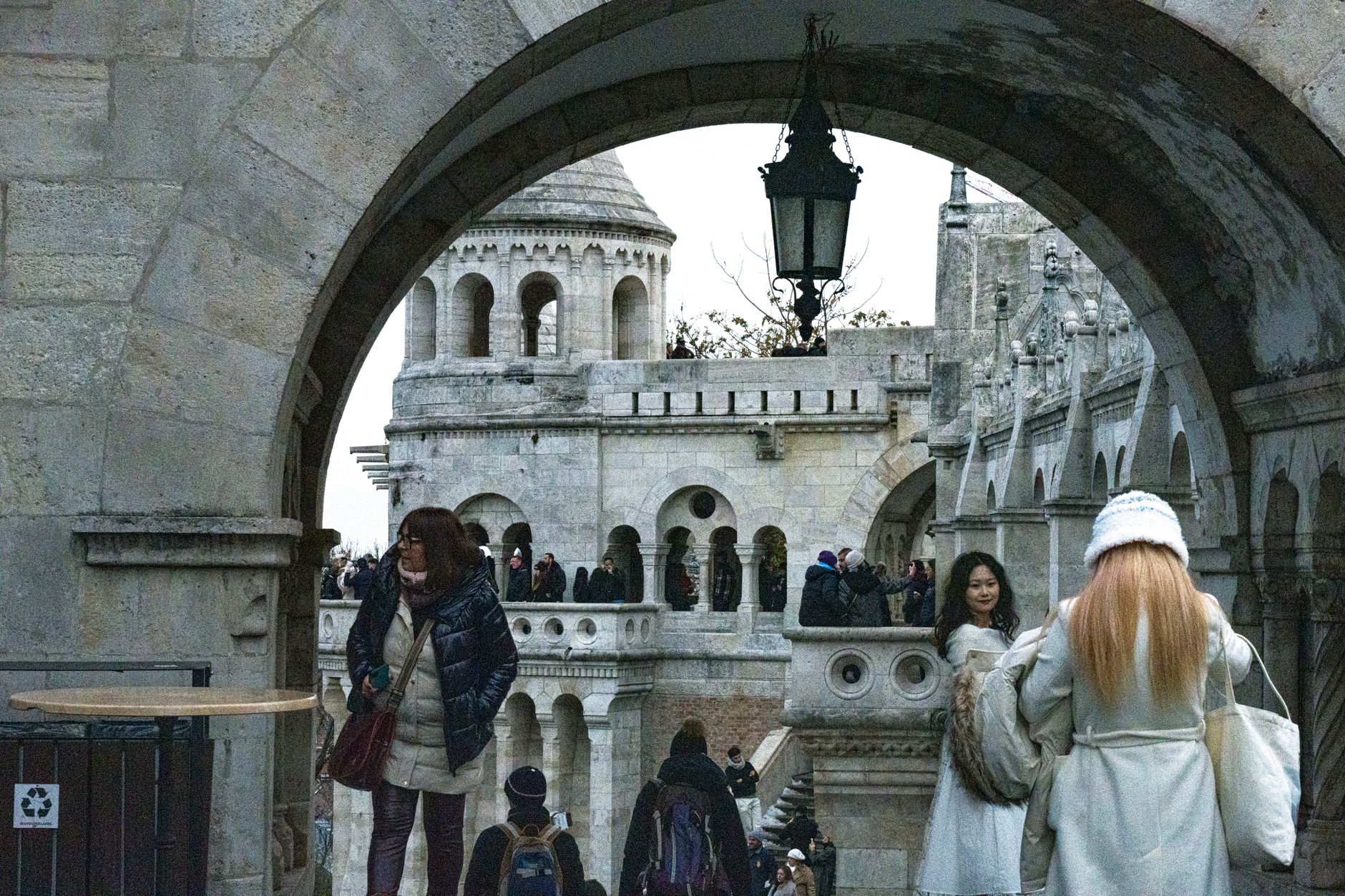

Autun keeps stopping you in your tracks. You'll be walking a quiet street and suddenly there's a Roman gate — Porte d'Arroux, its four arches still standing from the first century AD — framing a view of ordinary French rooftops beyond. The city was founded around 15 BC as Augustodunum, capital of the Aedui, and at its Roman height may have held more people than it does today.
The medieval layer sits just as firmly. Cathédrale Saint-Lazare holds one of the great works of Romanesque sculpture: Gislebertus's Last Judgment tympanum, carved around 1130, its figures writhing and watching with an unsettling psychological precision that feels nothing like decoration.
💛 What travellers fall for
People who come back tend to arrive early at Saint-Lazare before the coach groups, then cross town on foot to the Roman theatre — largest known in the Roman world at 148 metres across — and end the afternoon at the Musée Rolin, where the Gallo-Roman rooms quietly reward the unhurried. The cathedral's opening hours shift seasonally, so check before you plan your morning.
Experiences you don't want to miss



Deals in Autun
Book directly at the provider

How Autun came to be
Emperor Augustus founded Augustodunum around 15 BC as a Roman showpiece for the Aedui, a Gallic tribe whose old centre was the hilltop settlement of Bibracte. The new city got a six-kilometre rampart, four gates, a vast theatre, and a population that some estimates push toward 100,000. In AD 356 the Alemanni besieged it; the Emperor Julian lifted the siege in one of his early military campaigns.
The early medieval city produced a consequential figure: in 880, Count Richard of Autun became the first Duke of Burgundy. Nine centuries later, in 1788, Talleyrand arrived as bishop — a posting he used as a springboard to the Estates-General of 1789. The cathedral he presided over had been rising since around 1120, consecrated in 1132, and given its Gothic spire by Bishop Jean Rolin after lightning struck the tower around 1469.
Who and what shaped it
People who shaped it
Landmark buildings
See Autun in motion
Plan your visit
On the map
When to go
Burgundy's continental climate means warm, often dry summers and cold winters with occasional frost. April through October is the most reliable window for walking the Roman sites and ramparts comfortably; July and August can be warm but rarely oppressive at Autun's inland elevation.
Right now
Background & history adapted from Wikipedia (CC BY-SA) · specs from Wikidata (CC0) · weather from Open-Meteo · map data © OpenStreetMap contributors · photos from Wikimedia Commons / Unsplash with per-image credit. No third-party reviews or social posts reproduced.