
Atlas Mountains Viewpoint
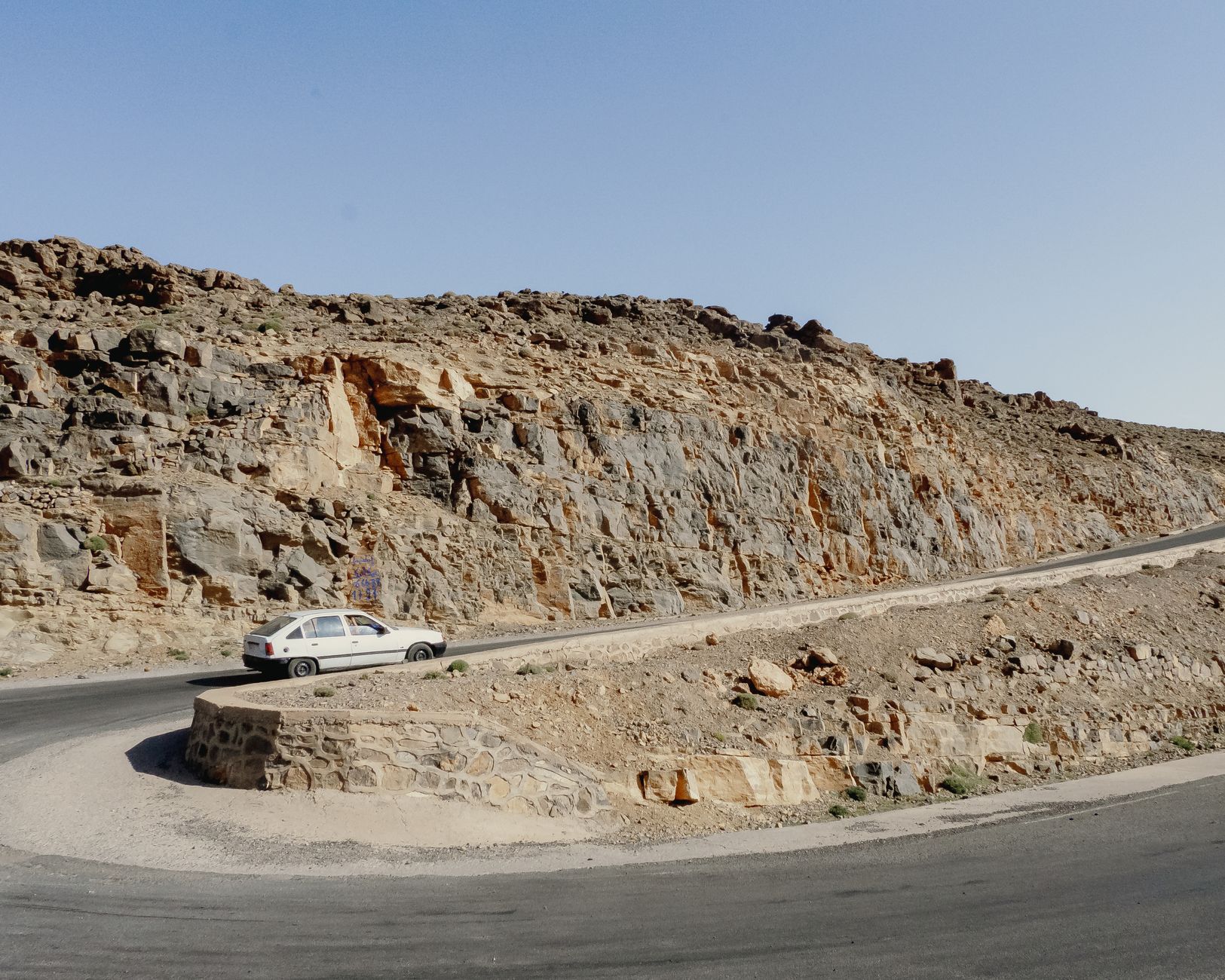
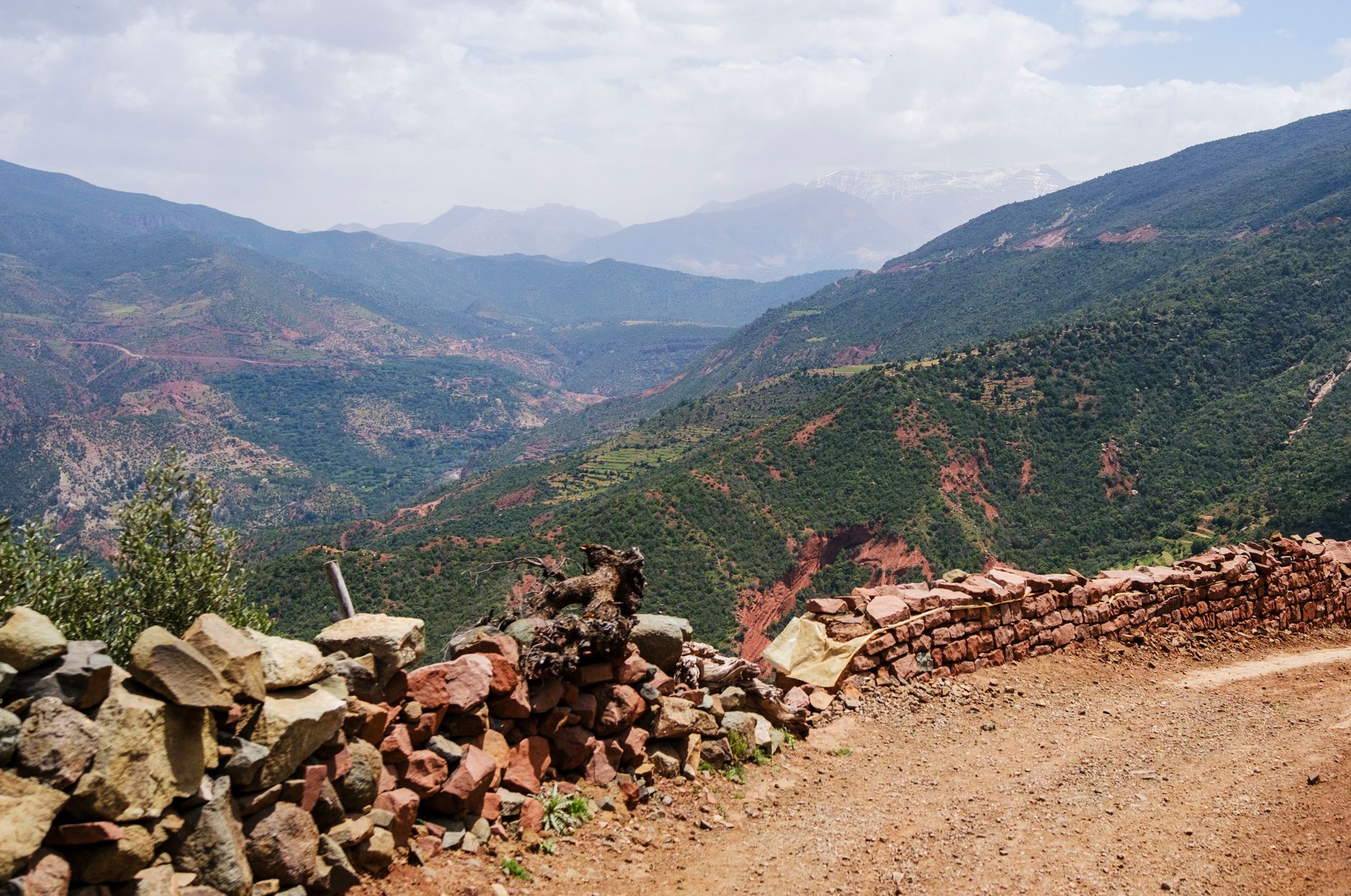

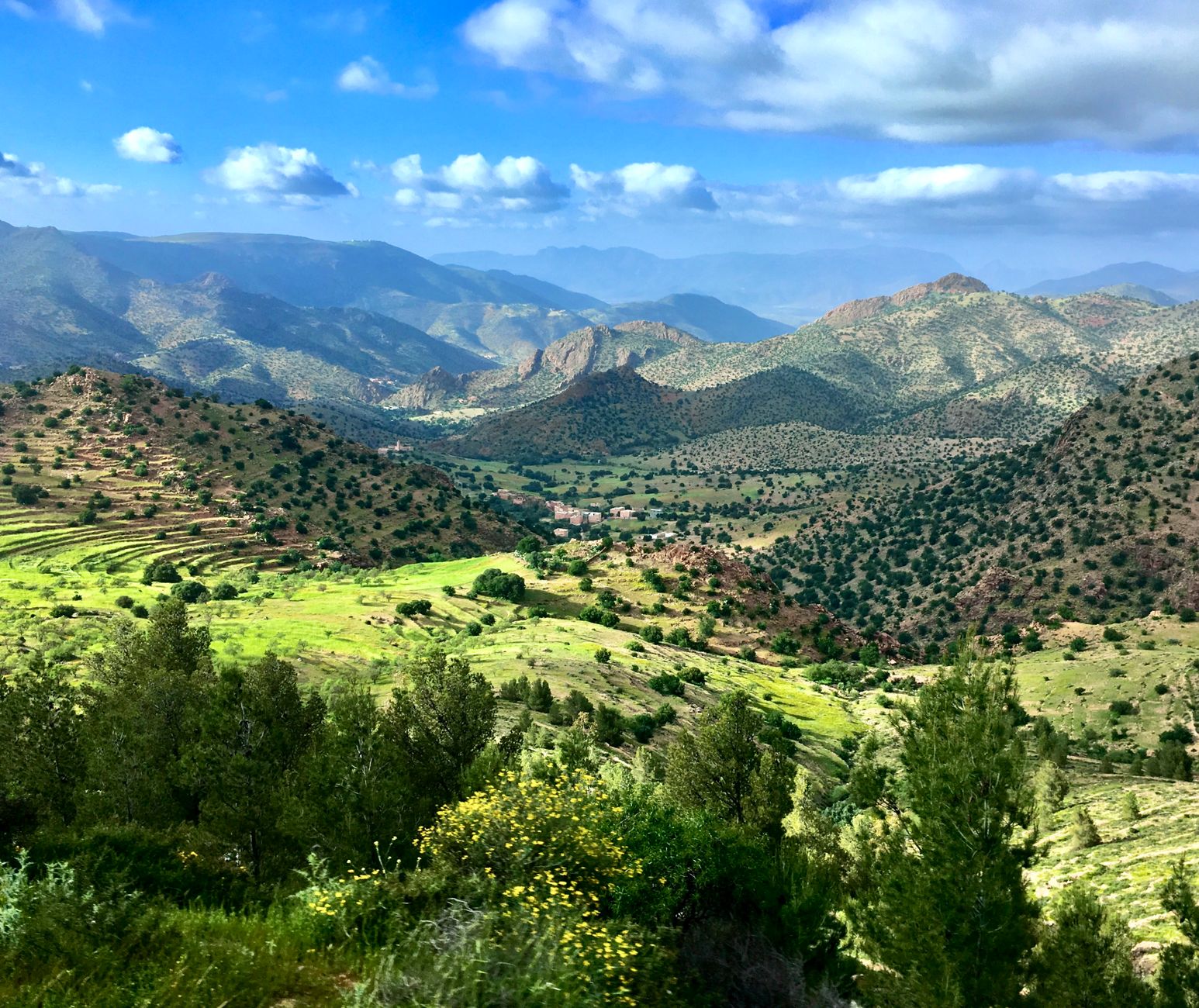
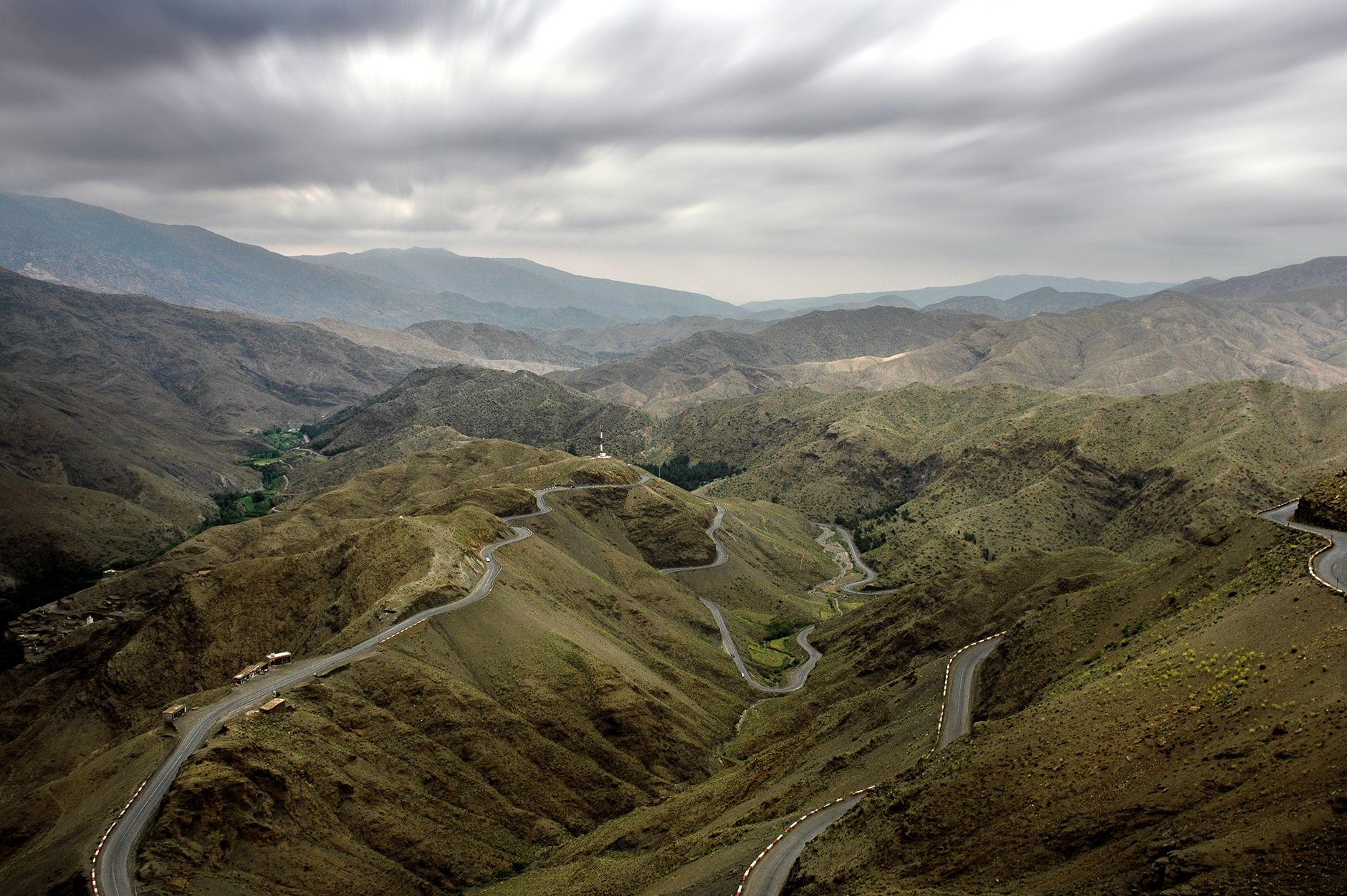
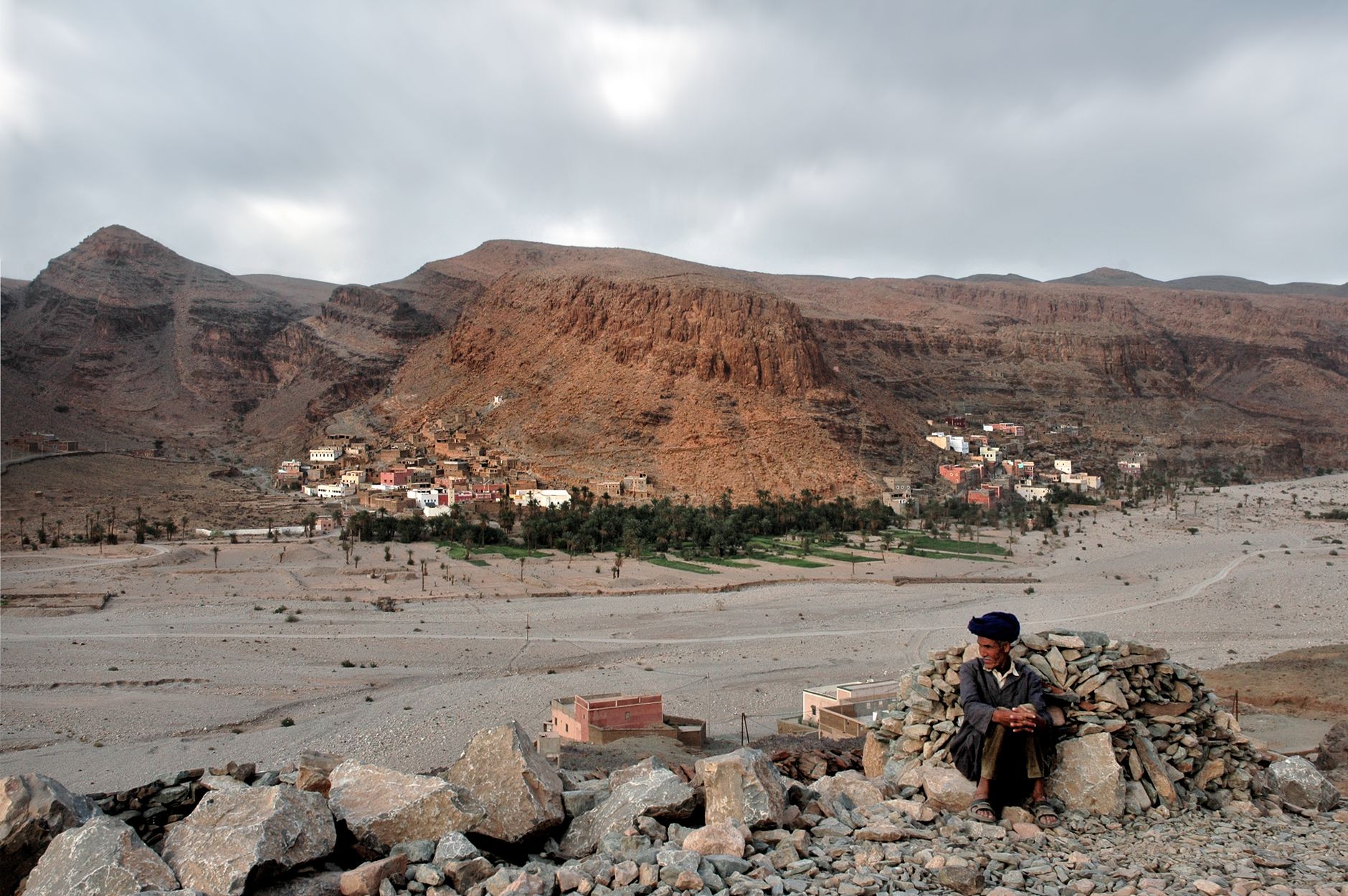
Stand at the western edge of the Menara Gardens and the Atlas Mountains fill the horizon — not as backdrop but as presence, close enough that on a clear morning you can pick out individual ridges still carrying snow. The reservoir in front of you, roughly 195 by 160 metres of still water, has been fed by those same mountains since the 12th century through underground channels called khettaras, a feat of hydraulic engineering that kept Marrakech green long before the city had a name in most of the world.
This viewpoint is simply where the garden opens up — no railing, no signage, just the long sight line west. The pavilion behind you doubles in the water's surface, and the olive groves stretch out on either side, many of the trees old enough to have been here under the Saadian sultans.
💛 What travellers fall for
People who return tend to come early, before the heat settles in. The basin catches the light differently at 8 in the morning than at noon — flatter, cooler, with the mountains sharper. The Menara Pavilion terrace charges a small separate fee; most regulars pay it once, then spend future visits at the water's edge instead.
How Atlas Mountains Viewpoint came to be
The gardens were established in 1157 by the Almohad Caliph Abd al-Mu'min, likely designed by Hajj al-Ya'ish, an engineer from Malaga, who also oversaw the khettara irrigation system drawing snowmelt from the Atlas through underground channels. The Saadian dynasty later added a pleasure pavilion over the reservoir, using the site as a retreat from the city.
That structure fell into ruin and was rebuilt in 1869–1870 by the Alaouite Sultan Muhammad IV, who gave the pavilion the green pyramid-tiled roof it carries today — the word menara itself means tower. The gardens are part of the UNESCO World Heritage inscription covering Marrakech's medina, granted in 1985.
Who and what shaped it
People who shaped it
Landmark buildings
See Atlas Mountains Viewpoint in motion
Plan your visit
On the map
When to go
Spring (March to May) and late autumn (October to November) are the most comfortable windows — warm days, rare rain, and the Atlas still snow-capped on the horizon through April. Summer temperatures regularly exceed 40°C by afternoon; if you visit in July or August, arrive at opening and leave before 10am.
Right now
Background & history adapted from Wikipedia (CC BY-SA) · specs from Wikidata (CC0) · weather from Open-Meteo · map data © OpenStreetMap contributors · photos from Wikimedia Commons / Unsplash with per-image credit. No third-party reviews or social posts reproduced.