
Arrecife
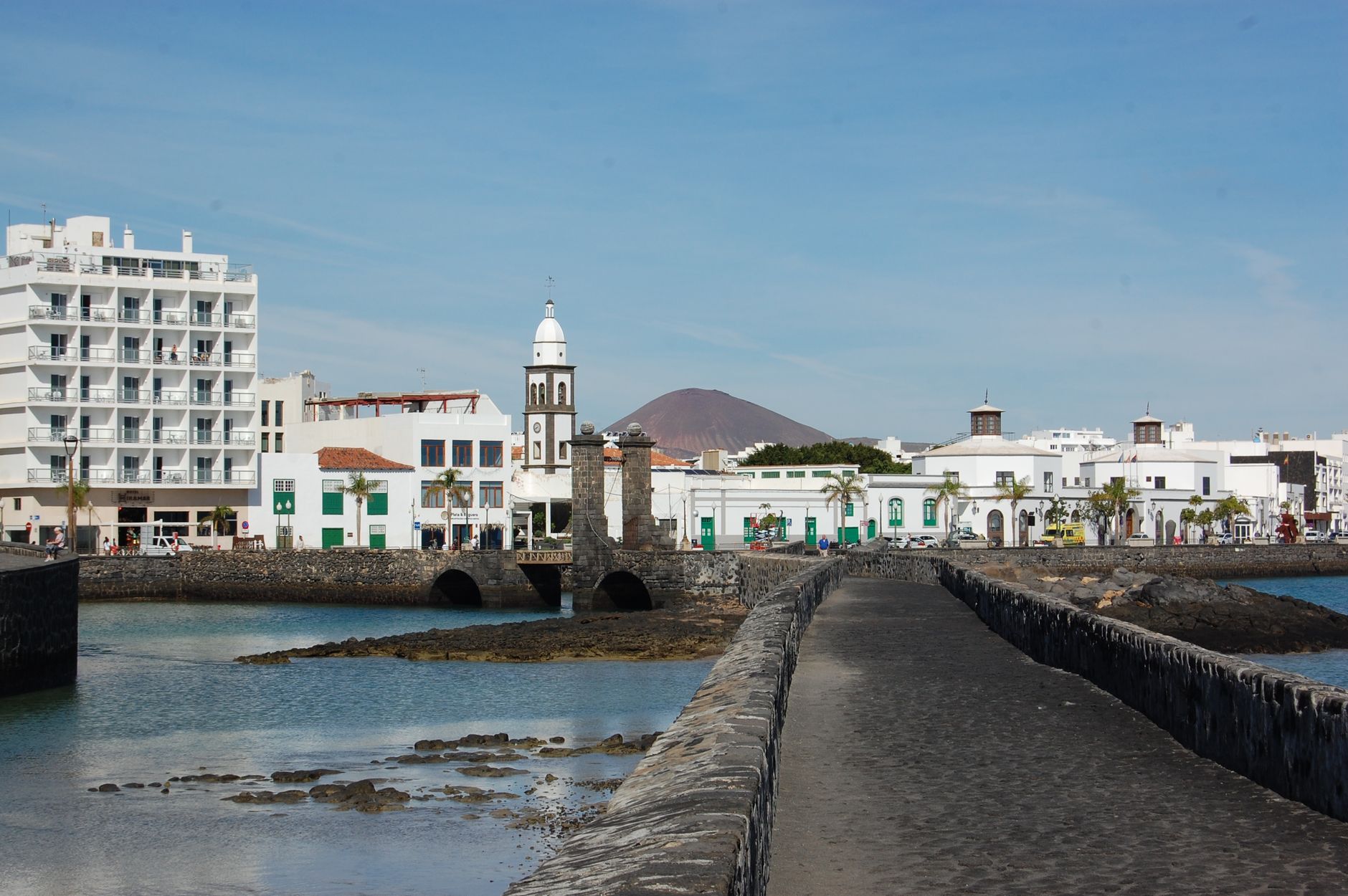
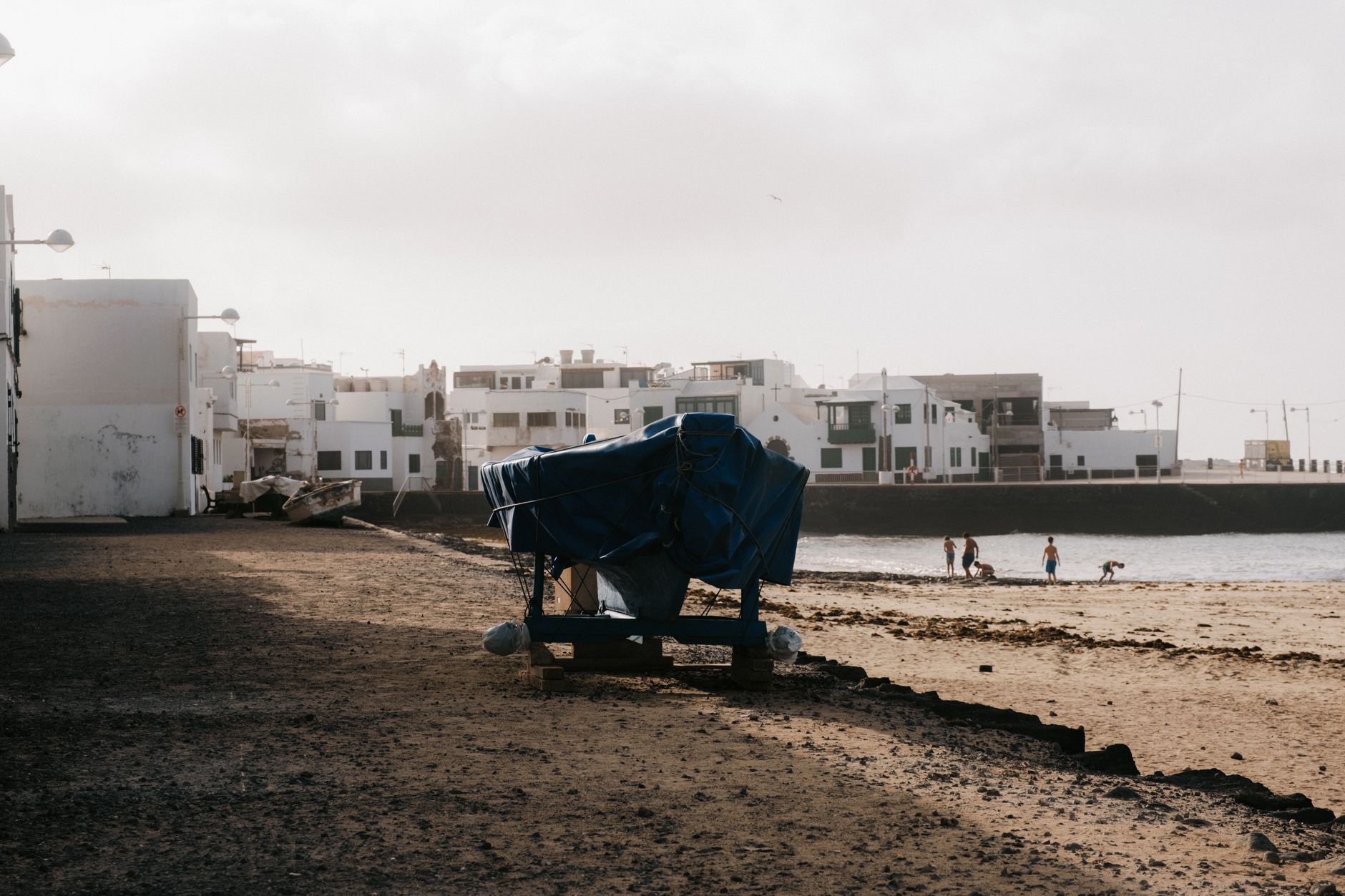
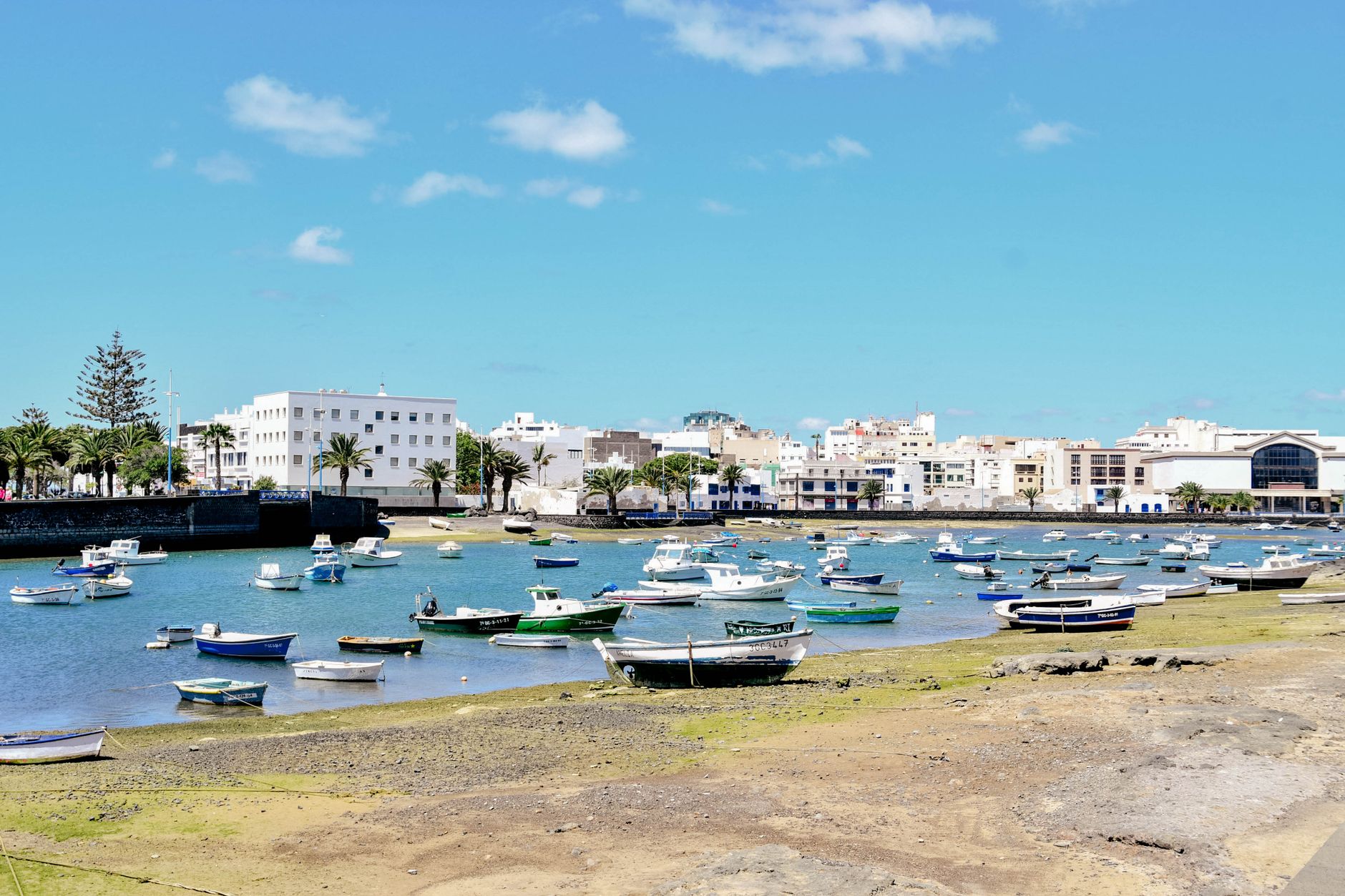
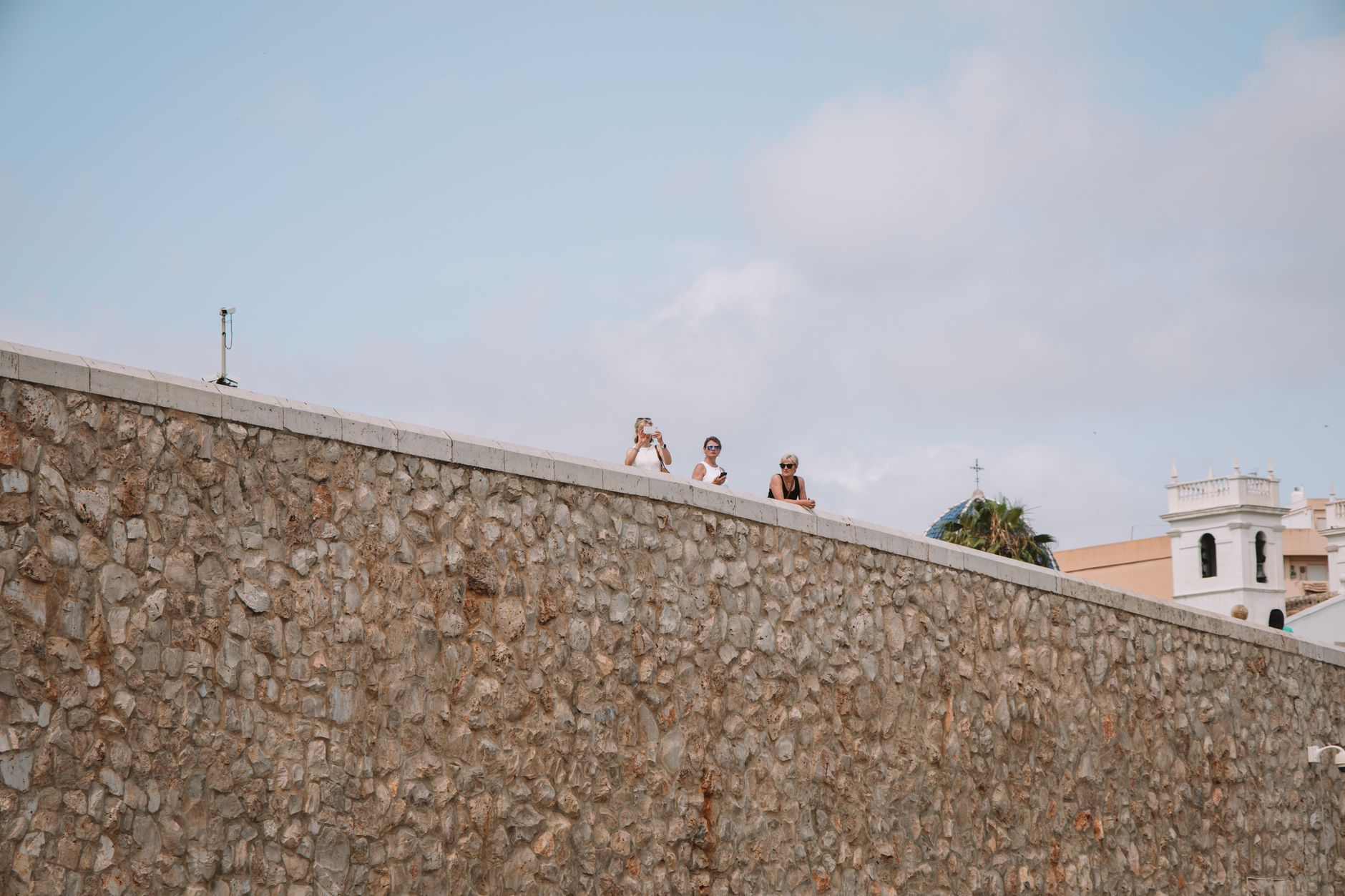
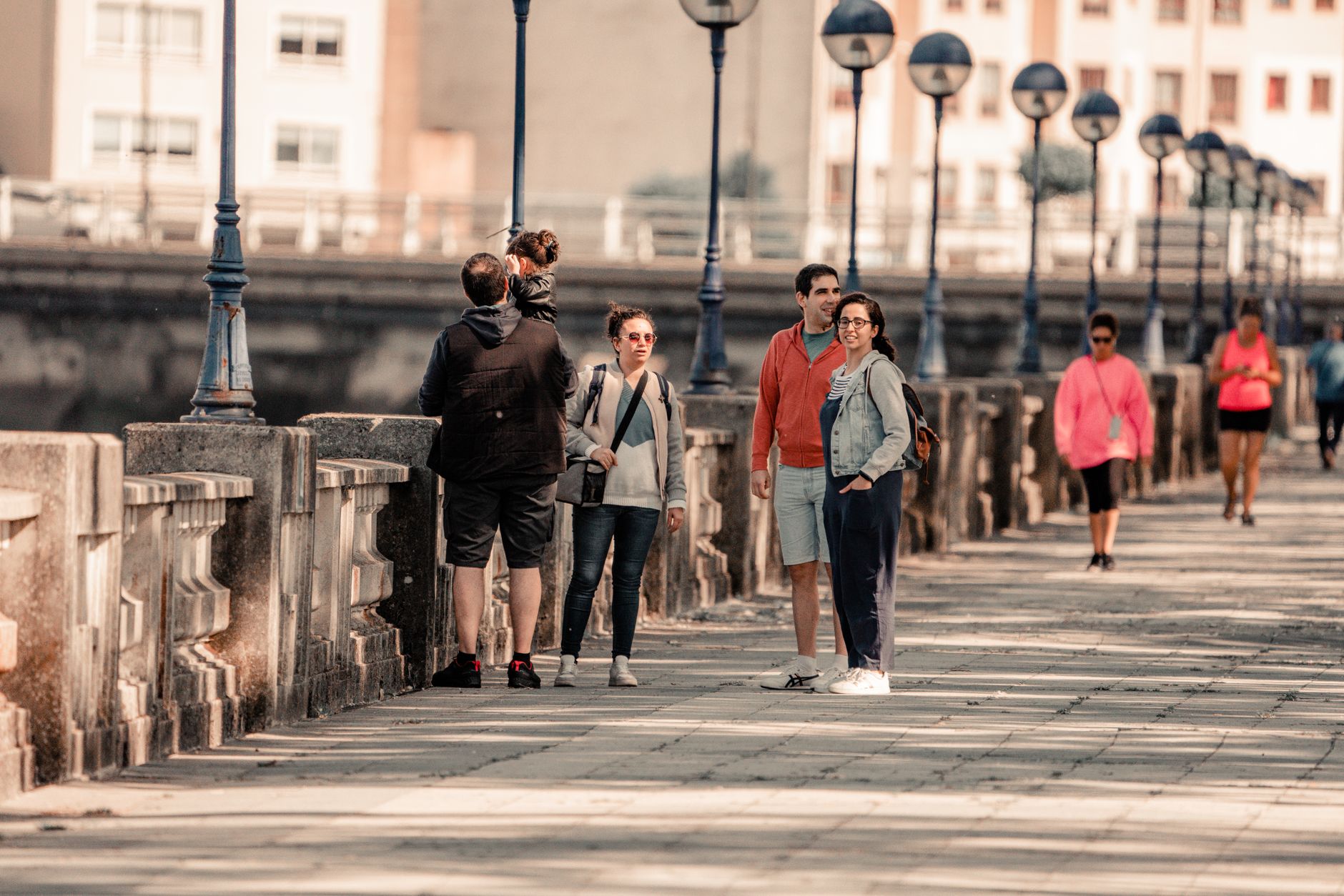
Arrecife takes its name from the reef — the rocky shelf that breaks just offshore and gives the city's main beach its uncanny calm. Most visitors pass through on their way to the resort coast, which means the capital stays genuinely itself: fishing boats still tie up beside the Charco de San Ginés, a seawater lagoon that César Manrique — born here — later helped remodel without erasing its working character.
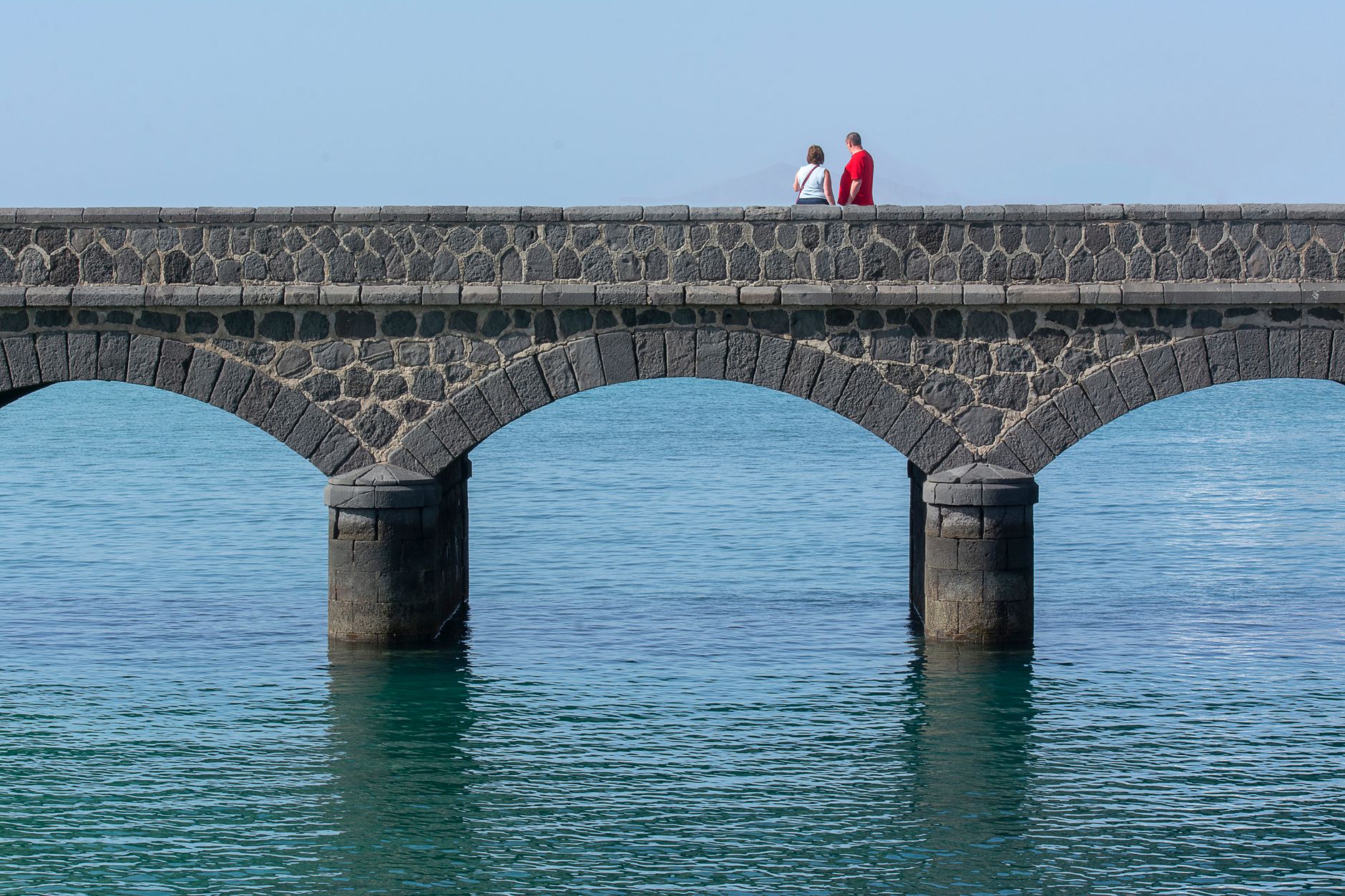
Two castles bracket the waterfront, one sitting on its own islet and reached by a 16th-century stone bridge. Between them, a church with a Mudéjar ceiling and frescoes shipped from Havana, a yellow government house turned exhibition space, and a seafront hotel that remains the tallest thing on the island.
💛 What travellers fall for
People who return tend to make for the Castillo de San José at dusk — the contemporary art inside, Miró and Tàpies among them, reads differently once the light off the water has changed. The bus from the airport runs every thirty minutes and costs under two euros, which makes the taxi feel unnecessary unless you land after midnight.
Experiences you don't want to miss


Deals in Arrecife
Book directly at the provider

How Arrecife came to be
Arrecife grew around a reef and a lagoon. Fishermen settled the shore of the Charco de San Ginés in the 15th century, and by 1573 the threat of sea raids was serious enough to begin a stone fortress on an offshore islet — the Castillo de San Gabriel, connected to land by a bridge of volcanic rock. A merchant named Francisco García Santaella founded the first Chapel of San Ginés in 1630, giving the city a patron and an anchor.
The real turn came with trade. Charles III's 1778 liberalisation of commerce with the Americas sent goods through Arrecife's harbour, and by the end of the 18th century piracy had faded enough for the city to consolidate its position. It became the island's capital in the mid-19th century — sources place the date at either 1847 or 1852. A century later, in 1964, it hosted Lanzarote's first seawater desalination plant, a detail that says something plain about what it takes to keep a city alive on a volcanic island with almost no rain.
Who and what shaped it
People who shaped it
Landmark buildings
See Arrecife in motion
Plan your visit
On the map
When to go
Arrecife sits in the trade winds' path, which keeps temperatures mild year-round — rarely below 16°C in winter, rarely above 28°C in summer. The warmest, sunniest months run from June through September, but even January offers enough dry, bright days to walk the waterfront comfortably.
Right now
Background & history adapted from Wikipedia (CC BY-SA) · specs from Wikidata (CC0) · weather from Open-Meteo · map data © OpenStreetMap contributors · photos from Wikimedia Commons / Unsplash with per-image credit. No third-party reviews or social posts reproduced.