
Arecibo Observatory Area

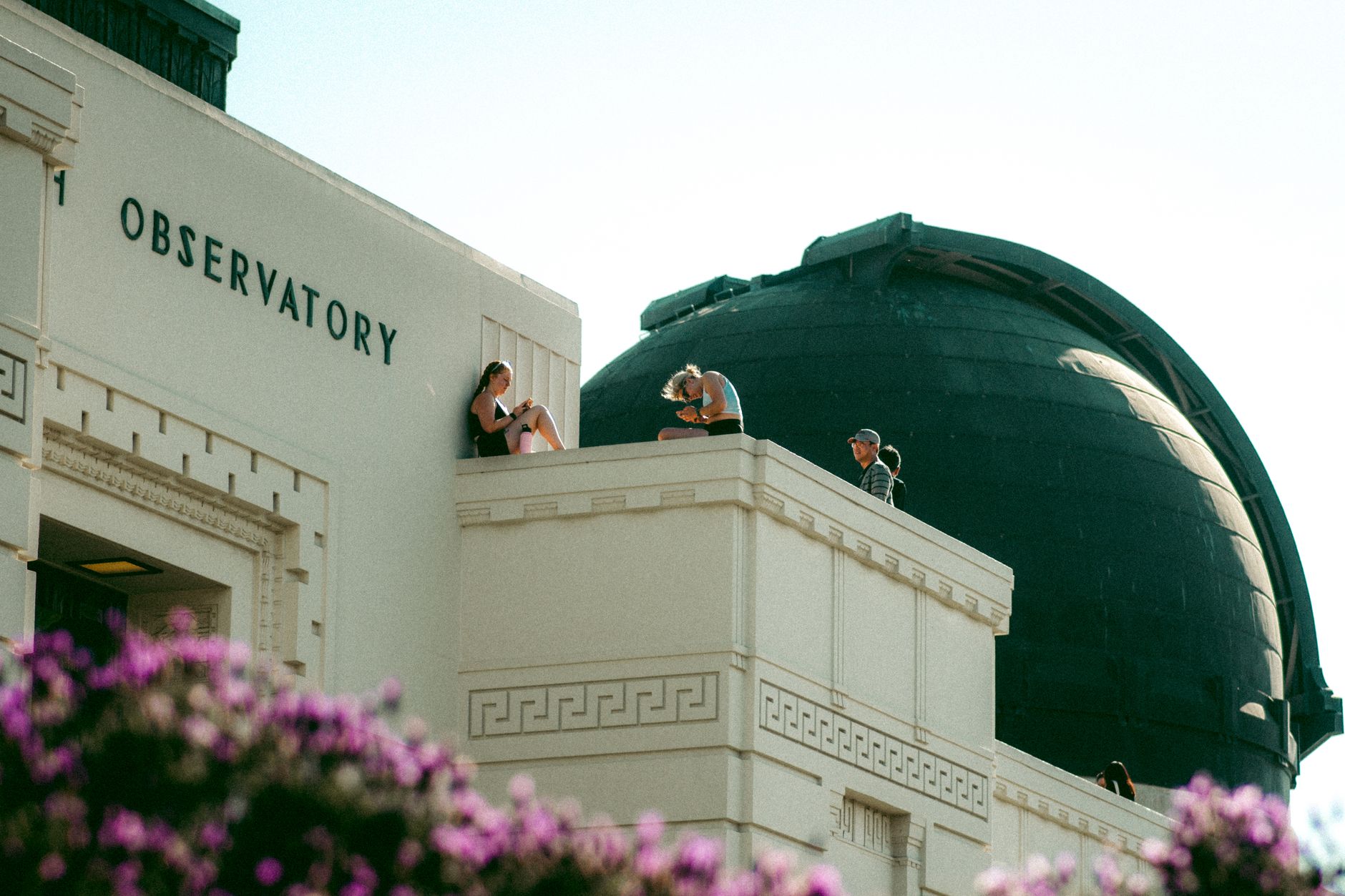


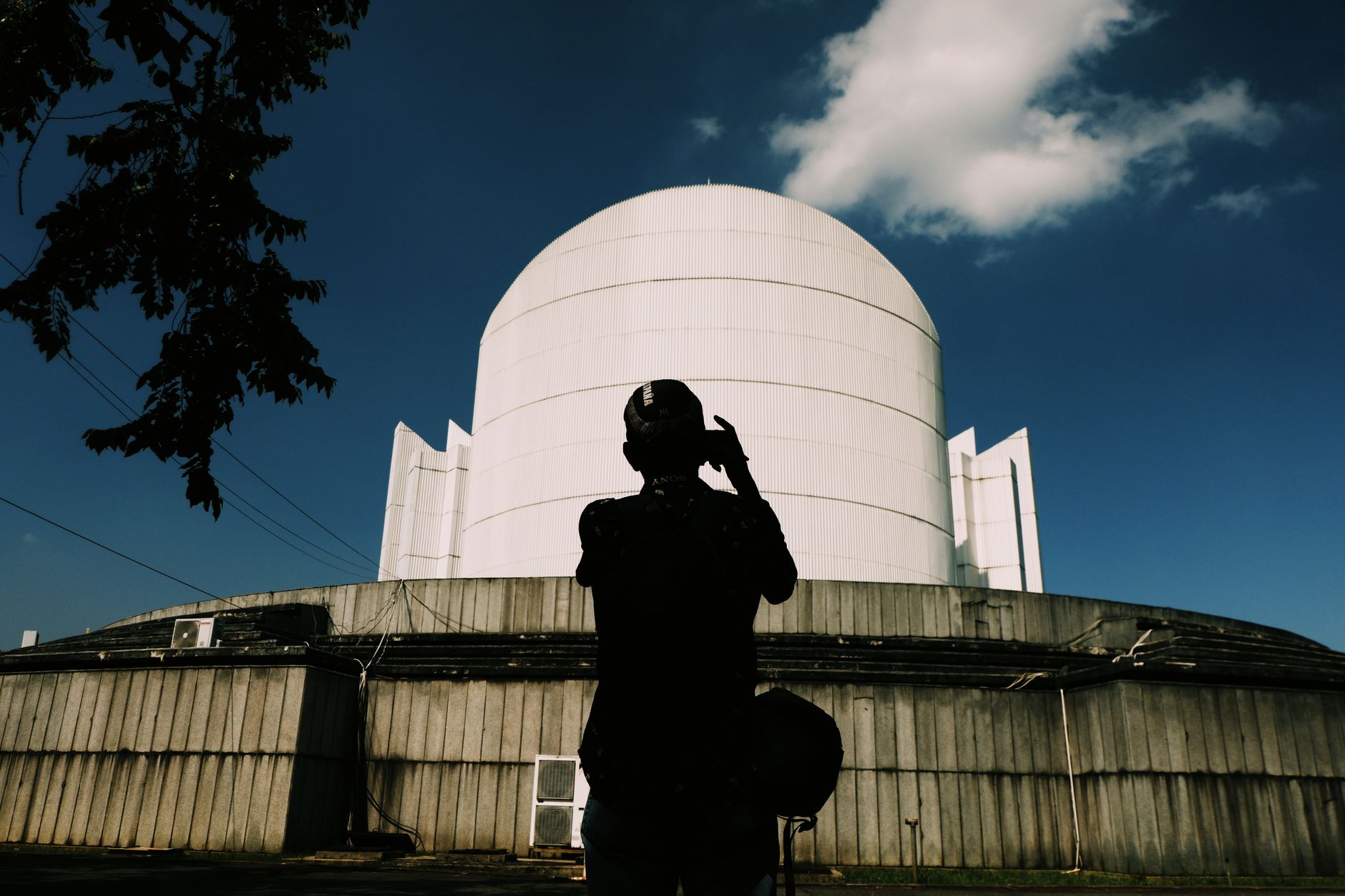
The road south from Arecibo town climbs into karst country — limestone hills, sudden sinkholes, jungle closing in on both sides — and then you arrive at a place that no longer exists in the form that made it famous. The 305-metre dish that once filled a natural sinkhole, the largest single-aperture radio telescope on earth for 53 years, collapsed on December 1, 2020, after ageing cable sockets gave way. What remains is the landscape, the story, and a STEM centre beginning to open its doors to the public in 2026.
This is still worth the drive. The karst terrain alone is unlike anything else on the island's north coast, and the site carries the particular weight of a place where serious science happened — where a message was transmitted toward distant star clusters in 1974, and where Carl Sagan once stood.
How Arecibo Observatory Area came to be
The observatory's origin is military. In November 1959, the U.S. Defense Department's Advanced Research Projects Agency contracted Cornell University to build a large-scale ionospheric radar probe. Cornell electrical engineering professor William Gordon drove the design; construction began in September 1960 and the facility opened November 1, 1963, its spherical reflector settled into a pre-existing sinkhole to save on construction costs.
The Department of Defense handed management to the National Science Foundation in 1969, and by 1971 the site had been renamed the National Astronomy and Ionosphere Center. For the next five decades it contributed to planetary radar, pulsar research, and the search for extraterrestrial intelligence. In July 2016 China's FAST telescope quietly took the record for largest aperture. Four years later, zinc creep in 57-year-old cable sockets ended Arecibo's run entirely. The NSF confirmed in 2022 that the telescope would not be rebuilt.
Who and what shaped it
People who shaped it
Landmark buildings
See Arecibo Observatory Area in motion
Plan your visit
On the map
When to go
The north coast of Puerto Rico is warm year-round, with the karst hills around Arecibo catching trade-wind moisture that keeps the surrounding jungle dense and green. Rain can arrive quickly at any time of year; a light layer is worth keeping in the car.
Right now
Background & history adapted from Wikipedia (CC BY-SA) · specs from Wikidata (CC0) · weather from Open-Meteo · map data © OpenStreetMap contributors · photos from Wikimedia Commons / Unsplash with per-image credit. No third-party reviews or social posts reproduced.